

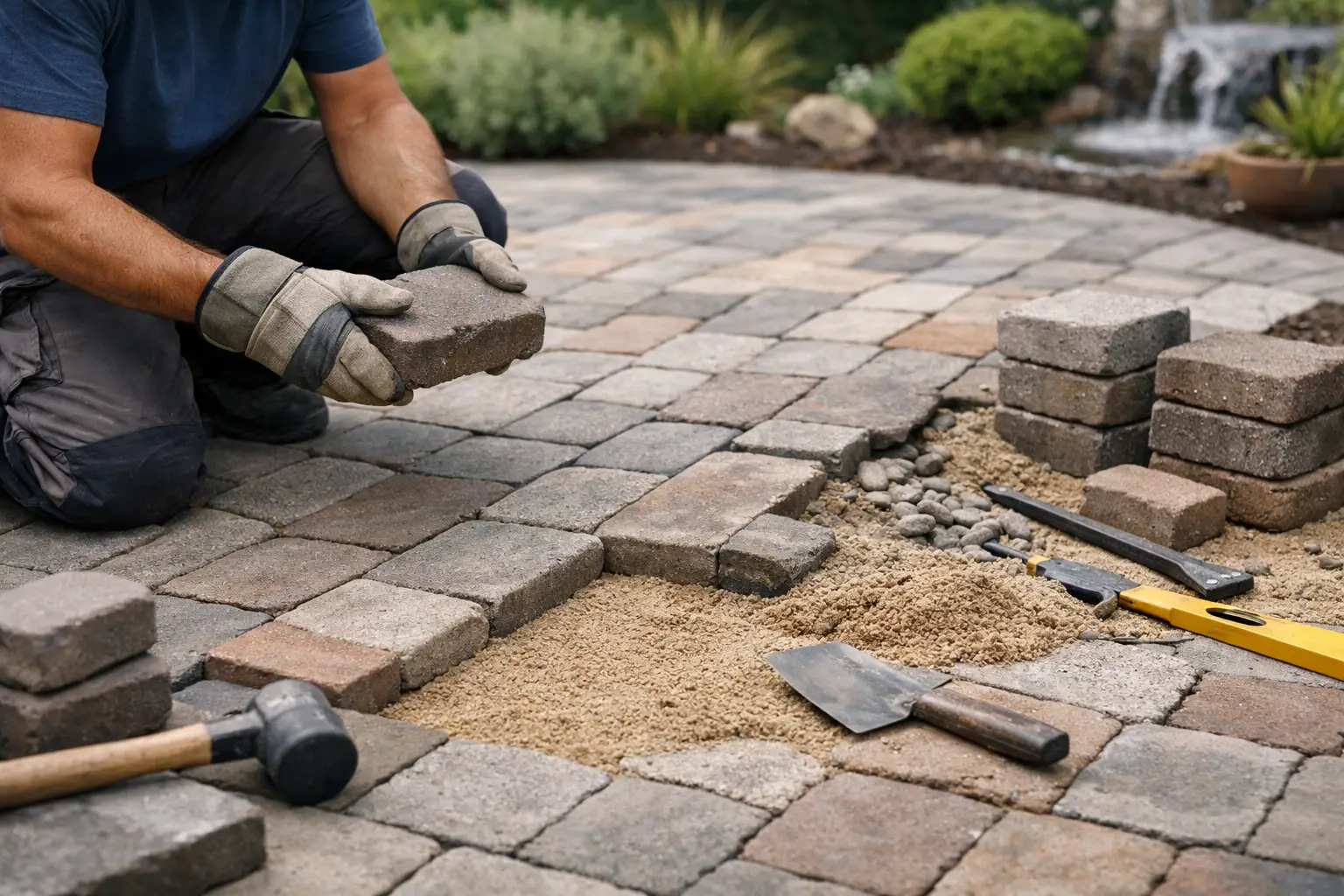
A paver patio or driveway should not start shifting, sinking, or looking faded after one hot Arizona season. When the base is wrong or repairs are patched instead of fixed, those problems show up fast. That is why paver installation and repair needs to be done with the same goal from day one – build for heat, drainage, traffic, and long-term appearance.
For homeowners, property managers, and commercial property owners, pavers are one of the most practical ways to upgrade an outdoor space. They add structure, improve curb appeal, and create surfaces that are easier to maintain than bare dirt or worn concrete. But good results depend on more than the pavers you choose. The real difference comes from site prep, grading, edge restraint, joint sanding, and knowing when a surface needs repair instead of replacement.
Why paver installation and repair matters in Arizona
Arizona properties deal with intense sun, sudden rain, dust, and expanding outdoor use throughout the year. A hardscape surface has to hold up under real conditions, not just look good right after installation. A patio has to stay level around a pool or backyard seating area. A walkway has to stay safe and stable. A driveway has to carry vehicle weight without rutting or separating.
That is where quality workmanship matters. A properly installed paver surface helps control drainage, reduces trip hazards, and keeps the space usable with less ongoing trouble. On the repair side, fast action can keep a small issue from spreading. One low spot can turn into standing water. A few loose pavers can become a larger section failure. Faded or worn joint sand can allow movement, weed growth, and edge breakdown.
What good paver installation looks like
The finished surface gets the attention, but the base is what determines whether the project holds up. Good paver installation starts with removing unstable material, setting the correct grade, compacting the base properly, and preparing for how the space will actually be used.
A backyard patio does not need the same structural support as a driveway. A pathway near irrigation may need different drainage planning than a dry side yard. A commercial entry area may need stronger edge restraint and tighter installation because of heavier foot traffic. It depends on the location, the load, and the condition of the existing ground.
Material choice matters too. Some clients want a clean, modern layout. Others want a more traditional pattern or a surface that blends with gravel, turf, or travertine features. Color should work with the home or building, but in Arizona, performance is just as important as appearance. Lighter tones may stay cooler in full sun, while certain textures provide better traction around active outdoor areas.
A strong installation usually includes excavation, grading, compacted base material, bedding sand, precise paver placement, edge restraint, joint sand, and final compaction. Skip or rush any of those steps, and the surface may start telling on the job later.
Common signs you need paver repair
Not every damaged paver area needs to be torn out and replaced. In many cases, targeted repair is the smarter and more affordable move. The key is catching the issue early and fixing the cause, not just the visible symptom.
Sunken sections are one of the most common problems. These often show up where water has washed out base material, where soil settled, or where installation was not compacted correctly. Loose or rocking pavers are another clear sign that the system has lost stability. If the joints are emptying out, weeds are pushing through, or the edges are spreading, the surface is already starting to fail.
Cracked individual pavers can sometimes be replaced without rebuilding the whole area, especially if the base underneath is still solid. Staining, fading, and surface wear may call for cleaning, resealing, or renovation work rather than full replacement. The right fix depends on whether the problem is cosmetic, structural, or both.
Paver installation and repair for driveways, patios, and walkways
Different areas of a property need different solutions. A driveway takes repeated vehicle weight and needs a stronger foundation than a seating area in the backyard. If a driveway starts dipping or separating, the repair has to address load-bearing performance, not just reset the top layer.
Patios usually have more design flexibility, but they still need proper drainage and a firm base. In Arizona, patios often connect to outdoor kitchens, fire pit areas, artificial grass, or pool decks. That means the paver layout has to work with the rest of the yard, not fight it. Repair work on patios often focuses on settling, joint loss, border movement, or surface wear from sun exposure.
Walkways need to be safe, level, and easy to maintain. Even minor movement can create a trip hazard, especially at front entries or between gates, side yards, and backyard living areas. In commercial settings, that issue becomes even more urgent because appearance and safety both affect how the property is perceived.
When repair makes sense and when replacement is better
This is where experience matters. Sometimes a small section can be lifted, the base corrected, and the original pavers reinstalled. That is often the best option when the damage is isolated and the surrounding area is still in good shape.
Other times, replacement is the better investment. If the original installation failed across a wide area, if drainage problems affect the whole layout, or if the pavers are badly mismatched from previous patch jobs, repeated repairs may end up costing more than starting fresh. The same goes for surfaces that no longer fit how the space is being used. If a narrow walkway needs to become a wider access path, or a plain patio needs to tie into a larger outdoor remodel, replacement may solve more than one problem at once.
A practical contractor will not push full replacement when a repair will do the job. But they also should not sell a quick fix that leaves the root problem in place.
What Arizona property owners should ask before hiring
The lowest quote is not always the lowest cost once movement, washout, or rework shows up later. It helps to ask how the area will be excavated, what base materials will be used, how drainage will be handled, and whether damaged pavers can be matched if repair is needed.
You should also ask whether the contractor handles related site work. Many paver problems connect to larger outdoor issues like poor grading, irrigation overspray, wall failure, or drainage runoff from nearby areas. Working with one company that can address the full exterior space often saves time and avoids finger-pointing between trades.
That matters even more on Arizona properties, where hardscaping, gravel, turf, irrigation, and landscape design often work together. A paver project should not be treated like an isolated patch of ground. It needs to fit the way the whole property functions.
Keeping pavers in good shape after the job
Even a well-built paver surface benefits from maintenance. Joint sand may need to be refreshed over time, especially after heavy rain or cleaning. Sealing can help protect color and reduce staining in the right setting, though it is not always necessary for every installation. Regular inspection matters more than many people realize.
If you notice low spots, standing water, edging movement, or loose pieces, it is better to address them early. Small corrections are usually simpler and less disruptive than waiting until a larger section has shifted. For commercial sites, staying ahead of those issues also helps protect appearance and reduce liability concerns.
For property owners who want an outdoor surface that looks clean and performs well year-round, pavers remain one of the best options available. The value comes from doing the work right, whether that means a new install, a targeted repair, or a full renovation of an aging hardscape. Pro Natural Landscape works with Arizona clients who need practical, durable outdoor solutions that hold up under real use. If your patio, driveway, or walkway is ready for an upgrade, the best next step is simple – fix the problem at the base and build it to last.
One thought on “Paver Installation and Repair That Lasts”