

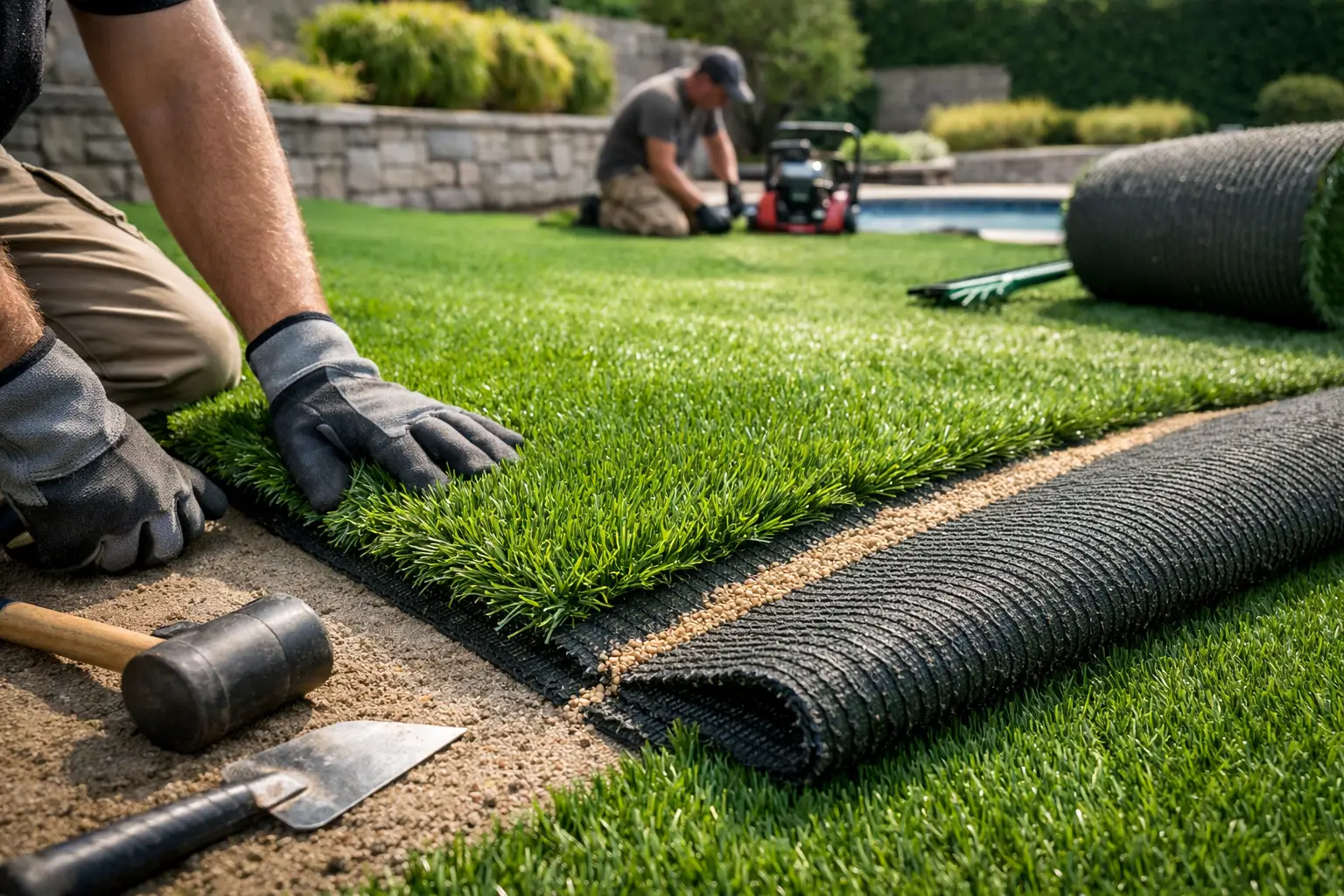
A patchy lawn in Arizona rarely gets better with more water, more seed, or more weekend work. In most cases, it just keeps costing more. That is why artificial grass installation has become a practical upgrade for homeowners, property managers, and commercial properties that want a clean look without the constant struggle of maintaining natural turf in desert conditions.
Artificial grass is not just about appearance. It solves a real problem. It helps reduce water use, cuts back on maintenance, and gives outdoor spaces a finished look that holds up through heat, foot traffic, and long dry stretches. When it is installed the right way, it creates a surface that looks sharp and performs well for years.
Why artificial grass installation makes sense in Arizona
Arizona yards deal with intense sun, hard soil, uneven drainage, and long periods of heat that wear out natural grass fast. Even properties with irrigation systems often end up with brown spots, muddy areas, weed growth, and rising water bills. For busy property owners, that becomes a constant cycle of repair.
Artificial grass installation offers a more dependable solution. You get a green surface without mowing, fertilizing, reseeding, or trying to correct dead sections every season. For families, that means more usable yard space. For businesses, it means a more polished exterior with less upkeep. For rental and commercial properties, it helps maintain curb appeal without relying on frequent landscape maintenance.
There is also a practical value in consistency. A front yard, courtyard, dog run, office frontage, or poolside area can keep the same clean look across the year instead of changing with weather and irrigation problems. In Arizona, that predictability matters.
What quality artificial grass installation includes
A lot of people focus on the turf product itself, but the finished result depends just as much on the groundwork. Good installation starts below the surface. If the base is rushed or uneven, the turf can shift, develop low spots, or drain poorly.
The first step is clearing the existing area. That may include removing old grass, weeds, roots, gravel, or debris. The site then needs to be graded correctly so water moves away from the home or structure instead of collecting under the turf. In some yards, that also means correcting slope issues or compacted ground before any material is added.
Next comes the base layer. This is what gives the lawn its stability and shape. The base has to be compacted properly to support foot traffic and prevent settling. Once the area is leveled and compacted, the turf is cut, fitted, and secured to match the layout of the space.
Seams matter too. Poor seam work is one of the quickest ways an artificial lawn starts looking obvious or unfinished. A proper install keeps seam lines tight, edges secure, and the blade direction consistent so the turf looks natural from multiple angles.
Infill may also be added depending on the product and how the space will be used. Not every yard needs the same finish. A pet area, play area, decorative front yard, and commercial walkway all have different wear patterns, so the installation should match the purpose of the space.
Where artificial grass works best
One of the biggest advantages of artificial turf is flexibility. It works in spaces where natural grass struggles and in areas where maintenance has become more trouble than it is worth.
Front yards are one of the most common choices because they set the tone for the whole property. A neat, green lawn can improve curb appeal right away without creating another water-heavy area to manage. Backyards are another strong fit, especially for families who want a usable surface for kids, pets, or outdoor seating.
Artificial grass also works well around pavers, gravel sections, and hardscape features. On Arizona properties, that combination often creates the best balance of style and practicality. A yard can include turf for color and comfort, pavers for walkways and patios, and gravel for drainage and low-maintenance borders.
For commercial properties, artificial turf helps create a maintained appearance at entrances, courtyards, and common areas. It can soften the look of a property without adding the upkeep that natural lawns usually require. Property managers often prefer it for that reason alone.
The trade-offs property owners should understand
Artificial grass is a strong solution, but it is not the right answer for every situation in the exact same way. A dependable contractor should be clear about that.
The upfront investment is usually higher than basic seeding or temporary lawn repair. But that comparison only tells part of the story. Over time, many Arizona property owners save money by reducing irrigation, mowing, fertilizing, and repeated lawn replacement. The real question is not just what it costs today. It is what the yard will continue to cost over the next several years.
Surface temperature is another factor. In direct summer sun, artificial turf can get hotter than natural grass. That does not make it a bad option, but it does mean design matters. Shade structures, nearby trees, patio placement, and how the space will be used during peak heat should all be considered before installation.
There is also a difference between a decorative lawn and a heavy-use lawn. A small front yard that is mostly for appearance may need a different turf product than a backyard used daily by pets and children. That is why product choice and installation method should be based on the property, not just on price.
How to plan an artificial grass installation project
The best projects start with a clear use case. Before choosing turf, think about how the area needs to function. Is it mainly for curb appeal, pet use, play, entertainment, or customer-facing presentation? That answer affects the product, the base, and the finishing details.
It also helps to look at the full yard, not just the turf area. Artificial grass often works best as part of a larger outdoor improvement plan. If the property also needs pavers, irrigation adjustments, grading, gravel, lighting, or cleanup, handling everything together usually produces a better result than piecing the job out in stages.
This is where working with a contractor that understands complete exterior projects becomes a real advantage. A yard is a system. Drainage, hardscape layout, border transitions, and surface elevations all connect. If one part is overlooked, the finished space can look incomplete or develop issues later.
For Arizona properties, it is especially important to plan around water flow and long-term wear. A clean install should not just look good on day one. It should stay level, drain correctly, and hold up under regular use.
Choosing the right contractor for artificial grass installation
Not all installs are equal, and the difference usually shows up after the crew leaves. A low quote can become expensive if the base settles, the seams separate, or the drainage fails during the first storm.
A reliable contractor should be able to explain how the site will be prepared, how the base will be built, and how the turf will be secured. They should also understand how artificial grass fits with the rest of the property, especially if there are nearby pavers, walls, gravel areas, irrigation lines, or elevation changes.
Local experience matters. Arizona conditions are hard on outdoor surfaces, so installation methods need to account for heat, sun exposure, and desert soil. A contractor that works in these conditions regularly will usually make better decisions about materials, grading, and long-term performance.
For property owners who want one team to handle more than turf alone, that broader service capability can save time and prevent coordination problems. Pro Natural Landscape works with Arizona homeowners and commercial clients who want practical outdoor upgrades that look clean, last longer, and require less day-to-day effort.
Artificial grass installation as a long-term upgrade
Artificial turf is not a shortcut. When it is planned and installed properly, it is a long-term improvement that makes outdoor areas easier to manage and more consistently attractive. It reduces one of the biggest maintenance headaches Arizona property owners deal with and replaces it with a surface built for the climate.
If your yard has become more work than value, artificial grass installation may be the upgrade that finally makes the space usable again. A good outdoor surface should work for your schedule, your property, and the way you actually live. Start there, and the rest of the yard gets easier to improve.
3 thoughts on “Artificial Grass Installation That Lasts”