

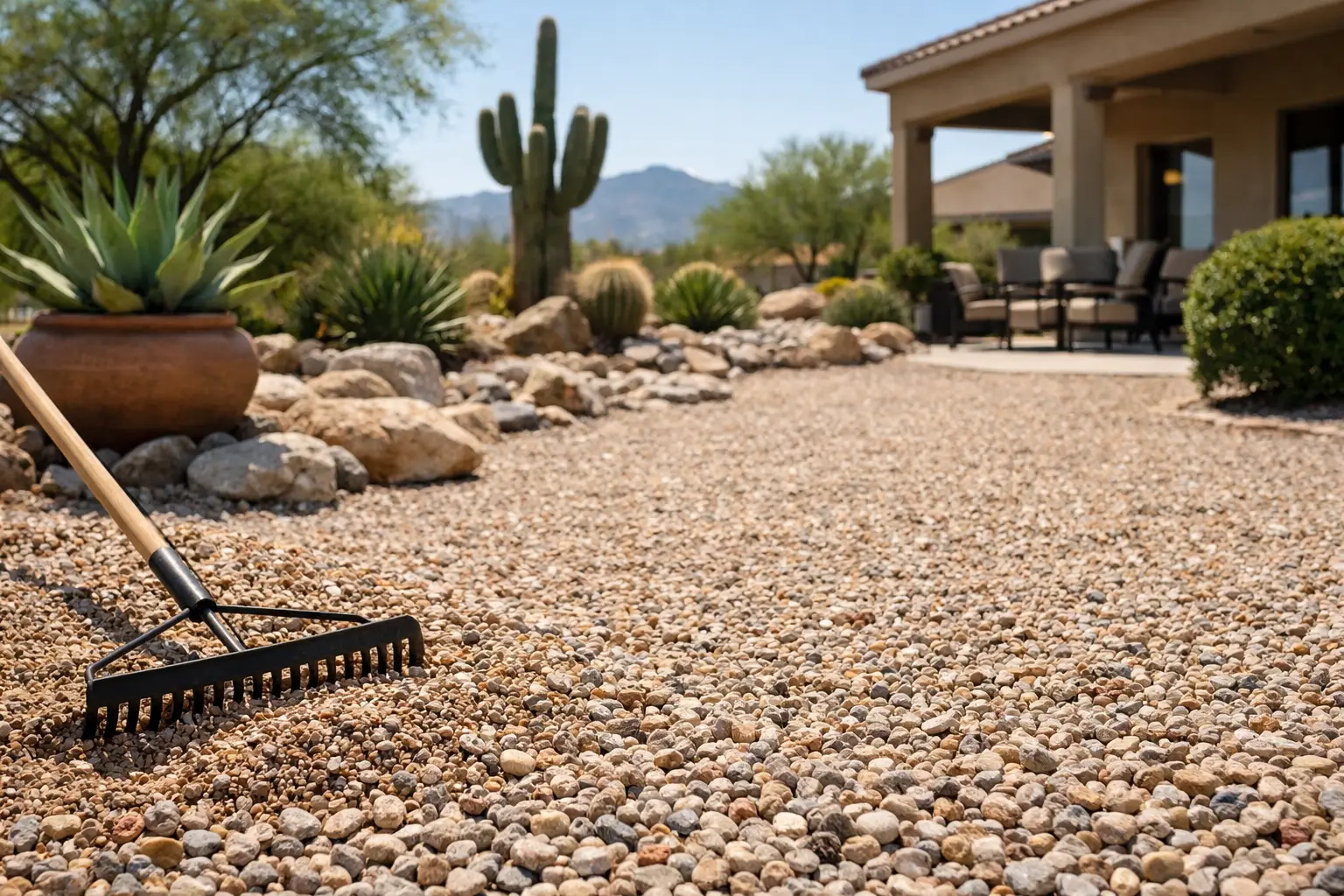
A patchy lawn in Arizona does not usually get better with time. It gets hotter, more expensive to maintain, and harder to keep looking clean week after week. That is why gravel yard installation Arizona homeowners and property managers choose is less about trend and more about practicality. When it is installed correctly, a gravel yard cuts water use, reduces upkeep, improves curb appeal, and holds up in tough desert conditions.
Gravel works because it matches the climate. Arizona properties deal with intense sun, wind, monsoon runoff, dust, and long dry stretches. Traditional grass often struggles unless you commit to constant irrigation and maintenance. Gravel gives you a cleaner, more dependable surface that still looks finished and professional.
Why gravel makes sense in Arizona
In a desert landscape, the best yard materials are the ones that can handle heat without demanding constant attention. Gravel does that well. It does not need mowing, it does not develop bare spots the way natural grass does, and it can be shaped to fit front yards, side yards, backyards, rental properties, and commercial spaces.
The biggest advantage is water savings. Many Arizona property owners are looking for ways to lower monthly utility costs while keeping the exterior looking sharp. Replacing thirsty lawn areas with gravel can make a noticeable difference. For landlords and commercial owners, it also helps reduce ongoing maintenance calls and seasonal cleanup.
There is also the appearance factor. A gravel yard does not have to look plain. With the right color, rock size, edging, and layout, it can look clean, modern, and intentional. It can also be combined with pavers, artificial grass, trees, lighting, and drainage solutions to create a complete outdoor upgrade instead of a basic surface replacement.
What a professional gravel yard installation in Arizona includes
A lot of gravel problems start before the rock is ever delivered. If the yard is not graded correctly, if weeds are not handled at the base, or if the wrong gravel is used for the space, the finished result will not hold up. A proper installation starts with prep work.
First, the area needs to be cleared. That may mean removing old grass, debris, overgrowth, roots, or damaged materials already in the yard. Then the ground needs to be shaped for proper drainage. This part matters more than many people realize. In Arizona, monsoon rains can move water fast. If the slope is wrong, you can end up with washouts, low spots, or water pooling near the house or wall lines.
After grading, a weed barrier is typically installed to help control growth under the gravel. This is not a magic fix for every weed forever, but it does create a much cleaner base and reduces future maintenance. From there, the right type and depth of gravel are selected based on how the space will be used.
For example, a decorative front yard may call for a different size and finish than a side yard walkway or a commercial traffic area. The goal is not just to spread rock. The goal is to create a surface that looks even, drains well, stays in place, and fits the property.
Choosing the right gravel for your yard
Not all gravel performs the same way. In Arizona, the most common options include decomposed granite, crushed rock, and decorative landscape gravel in different sizes and earth-tone colors. The best choice depends on the look you want and how much foot traffic the area gets.
Smaller gravel can create a smoother, more refined appearance, but it may shift more underfoot. Larger rock tends to stay put better and can create stronger visual contrast, especially in wider open areas. Some homeowners want a clean, uniform look across the whole yard. Others want to break up the space with gravel zones, paver paths, and accent areas around plants or trees.
Color matters too. Lighter gravel can brighten a property and complement modern exteriors, while darker or warmer tones often blend naturally with Arizona block walls, stucco homes, and desert plant palettes. The right choice should work with the home, not compete with it.
Gravel yard installation Arizona properties need for drainage and durability
A good-looking yard is only part of the job. The yard also needs to function in real weather. That is where professional gravel yard installation Arizona properties benefit from the most. Drainage, grading, and material depth all affect how the yard performs over time.
If gravel is too shallow, the base can show through and the surface may wear unevenly. If the grading is off, heavy rain can push material into sidewalks, patios, or driveways. If borders are weak or missing, gravel can migrate into unwanted areas and make the whole yard look messy.
That is why installation should be planned around the property itself. A flat front yard has different needs than a sloped side yard. A home with existing irrigation lines, tree roots, or drainage issues needs a more careful layout than an empty open lot. There is no one-size-fits-all answer. The best result comes from matching the installation to the site conditions.
Residential and commercial gravel projects
Gravel is a strong option for both homes and business properties because it solves practical problems quickly. For homeowners, it can replace dead lawn, simplify side yards, improve curb appeal, and create a low-maintenance backyard layout. For busy families, that usually means less watering, less cleanup, and a yard that still looks put together.
For commercial properties and rentals, gravel helps control maintenance costs and presents a cleaner exterior to tenants, customers, or visitors. It works well around signage, parking lot edges, entry landscaping, and common areas where a polished but durable finish matters.
It is also useful when paired with other exterior improvements. A gravel installation often works best as part of a bigger property cleanup or upgrade that may include tree trimming, irrigation adjustment, paver additions, artificial grass, or wall and border improvements. That kind of combined planning usually saves time and avoids redoing work later.
Common mistakes to avoid
The most common mistake is treating gravel like a quick surface cover instead of a real landscape installation. When rock is dumped over old weeds, uneven dirt, or poor drainage, the problems stay underneath and show up later. The yard may look good for a short time, then start shifting, thinning, or collecting debris.
Another issue is using the wrong amount of material. Too little gravel leaves the surface looking unfinished and makes maintenance harder. Too much in the wrong area can affect drainage or create an uneven look around walkways and drive edges.
Edging is another detail that gets overlooked. Without clear borders, gravel tends to spread into sidewalks, planting areas, and hardscape features. Clean edges help the whole project look more professional and keep maintenance simple.
When to replace or refresh an existing gravel yard
Not every gravel yard needs a full replacement. Sometimes a yard just needs regrading, top-off gravel, weed cleanup, or border repair. Other times, the existing installation has too many underlying issues to patch effectively.
Signs that it may be time for a larger fix include visible low spots, exposed fabric, recurring weed growth, drainage problems, or gravel that has thinned out so much the yard looks bare. If the property has changed over time with new hardscape, irrigation, or traffic patterns, the old layout may no longer work well.
This is where having a contractor who can handle more than one service matters. If the gravel project also needs cleanup, grading, tree removal, irrigation work, or added hardscape, it is easier to move forward when one team can handle the full scope instead of splitting the job between multiple companies.
Getting a gravel yard that stays clean and finished
A gravel yard should make your property easier to manage, not add a new set of problems. The difference usually comes down to installation quality. Proper prep, correct grading, the right rock selection, and clean finishing work all matter if you want the yard to stay attractive through Arizona heat and storm season.
At Pro Natural Landscape, gravel installations are approached as working landscape solutions, not just material delivery. That means building a yard that fits the property, supports drainage, and gives you a clean result you can maintain without constant effort.
If your lawn is worn out, your maintenance costs are climbing, or your exterior just needs a more durable finish, gravel is one of the smartest upgrades you can make in Arizona. A well-installed gravel yard gives you a cleaner property, fewer upkeep issues, and an outdoor space that looks ready year-round.