

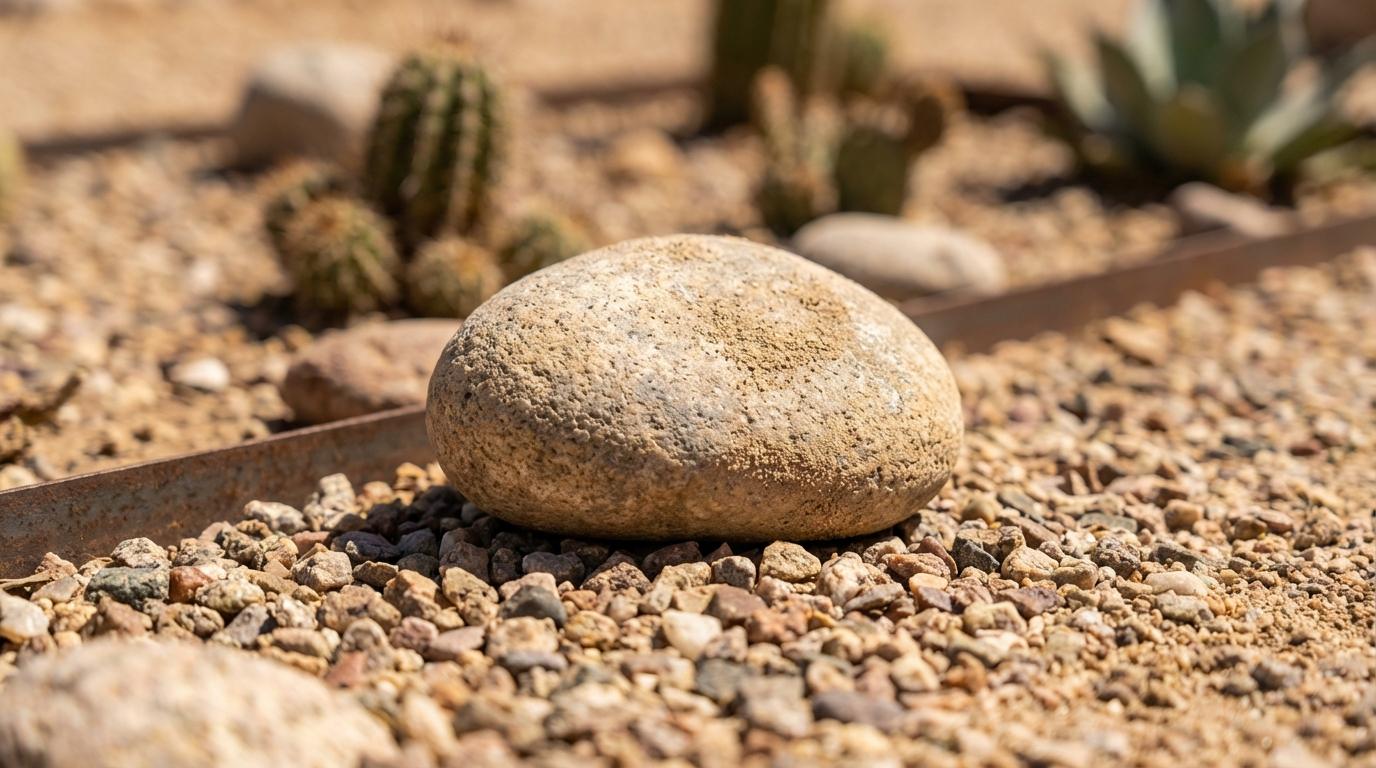
A well-built gravel landscape fits El Mirage better than a thirsty lawn ever could. It handles heat, looks clean year-round, and gives homeowners and property managers a practical way to cut water use without settling for a plain yard. When the ground is prepared correctly and the right rock is selected, gravel becomes more than a surface material. It becomes part of a durable desert landscape that is easier to maintain and better suited to local weather.
In El Mirage, that preparation matters. Summer monsoons can dump water fast, desert soils can harden like concrete, and sloped yards can wash out if drainage is ignored. A gravel installation that looks fine on day one but lacks grading, compaction, or containment can shift, thin out, and create drainage issues around the home. A professional approach prevents those problems before the first load of rock is spread.
Built for El Mirage conditions
Gravel installation in the West Valley is not just about dumping stone and raking it smooth. The soil profile, existing grade, roof runoff, irrigation layout, and traffic pattern all need to be evaluated first. That is especially true in El Mirage, where many properties deal with hardpan soil, heat exposure, and fast-moving stormwater.
A desert-ready plan usually starts with clearing old turf, weeds, debris, or worn rock, then shaping the ground so water moves away from structures and toward the right collection points. In some yards, that means gentle grading. In others, it may call for swales, dry creek features, or a stronger base layer under the decorative rock.
Pro Natural Landscape LLC takes that practical view of installation. With more than a decade of experience serving residential and commercial properties, the team focuses on site-specific work rather than one-size-fits-all layouts. That includes grading for drainage, selecting gravel that fits the property’s look and function, and pairing rock areas with drought-tolerant planting where it makes sense.
What proper installation includes
Good gravel work starts below the surface. A stable base helps prevent ruts, sinking, and uneven coverage, while edging keeps stone from spilling into sidewalks, driveways, and planting beds. For paths, patios, and drive areas, material depth also matters. Decorative rock that is too shallow will scatter and wear thin. Material that is too deep can feel loose underfoot and look unfinished.
The process often includes these core steps:
- Site review: slope, drainage flow, utilities, and access points
- Ground prep: removal of weeds, turf, debris, and failed rock layers
- Base work: grading, leveling, compaction, and base material where needed
- Containment: steel, aluminum, concrete, or paver edging
- Top layer: evenly spread decorative gravel or rock at the right depth
- Finishing touches: clean transitions, irrigation adjustments, and debris haul-off
This kind of prep supports long-term performance. It also creates a cleaner final look, with sharper borders, better drainage, and fewer maintenance issues after installation.
Rock and gravel options for desert landscapes
Different materials serve different purposes. Some compact well for walkways and drive areas. Others are best as decorative cover around plants or in dry creek beds. Color matters too, especially in desert landscaping, where natural browns, grays, reds, and blended earth tones usually sit best with the surrounding environment.
Here is a quick look at common choices for El Mirage properties:
| Material | Best Uses | Benefits | Things to Know |
|---|---|---|---|
| Decomposed granite | Paths, patios, utility zones | Natural desert color, compactable, budget-friendly | Can break down over time and may need topping off |
| Pea gravel | Beds, walkways, accent areas | Good drainage, softer look, comfortable underfoot | Shifts more easily without edging |
| River rock | Dry creek beds, focal points, drainage areas | Durable, decorative, strong water-flow appearance | Higher material cost, heavier to install |
| Crushed granite | Driveways, side yards, utility access | Stable, firm surface, works well under traffic | Rougher texture than pea gravel |
| Lava rock | Accent beds, cactus gardens | Lightweight, porous, strong contrast with plants | Needs containment in windy areas |
| Marble chips | Bright accent zones | Distinct look, reflective, long-lasting | Can be too bright for large open areas |
Material choice should reflect how the space will be used, how much sun it gets, and how much movement the surface needs to handle. A front yard display area, a dog run, and a side-yard access path should not all be built the same way.
Drainage, grading, and erosion control
This is where professional installation earns its value. A gravel yard that is not graded correctly can send runoff toward the home, wash material into the street, or create puddling around foundations and walkways. In desert climates, even a short storm can expose a weak installation.
That is why drainage planning comes first, not last. Dry creek beds, shallow basins, controlled slopes, and permeable surfaces all help direct water where it belongs. On sloped properties, terracing, retaining features, or carefully shaped transitions may be needed to slow runoff and keep soil in place.
Weed control matters too. Many property owners ask about landscape fabric, yet fabric is not always the best long-term answer in desert rock beds. It can clog, surface over time, and still allow weeds to grow in the dust and organic matter that collects above it. In many cases, a better strategy is strong site prep, thick rock coverage, and ongoing weed management as needed.
Irrigation should also be worked into the layout from the start. Drip lines can be run below the gravel or placed at planting zones so water goes directly to the root area rather than being wasted across open ground.
Where gravel works especially well
Gravel is one of the most flexible materials in desert landscaping. It works in both simple refresh projects and larger yard transformations, and it pairs easily with pavers, artificial turf, lighting, and low-water planting.
On residential and commercial properties in El Mirage, it is commonly used for:
- Front yard lawn replacements
- Side yards and utility corridors
- RV and gate access areas
- Decorative plant beds
- Dry creek features
- Dog runs and low-maintenance backyards
- Office entries and commercial frontage
When those spaces are tied together with matching tones and clean edging, the whole property feels more intentional and easier to care for.
A smarter low-water landscape
Replacing turf with gravel can cut outdoor water use in a big way, especially when the new design includes native or drought-tolerant plants and efficient irrigation. That matters in Arizona, where water savings are not just a nice bonus. They are part of responsible property planning.
Gravel also helps reduce day-to-day maintenance. There is no mowing, no fertilizing, and no regular turf repair. Seasonal care is usually limited to blowing off leaves, removing debris, occasional weed treatment, and adding fresh material when needed in high-traffic zones.
The payoff is both visual and practical:
- Lower water demand: less irrigation than traditional grass yards
- Cleaner curb appeal: crisp lines and a finished desert look year-round
- Less upkeep: no weekly mowing or edging
- Better soil protection: reduced washout during monsoon season
- Flexible design: works with pavers, lighting, succulents, cacti, and shade trees
Why property owners choose Pro Natural Landscape LLC
Experience matters with gravel installation because the finish is only as good as the grading beneath it. Pro Natural Landscape LLC brings more than 11 years of local landscaping experience to projects across El Mirage and nearby Arizona communities. As a family-owned company, the focus stays on clear communication, dependable scheduling, and results that fit the property rather than forcing a generic template onto it.
The company provides full-service outdoor work, which is helpful when a gravel project includes more than rock alone. A property may need irrigation updates, paver borders, tree removal, land grading, lighting, or cleanup before the new surface goes in. Having one team manage those connected tasks can keep the project moving on time and with fewer gaps between phases.
Free estimates are available, and financing options through Hearth can make larger yard upgrades more manageable. Whether the goal is a simple rock refresh, a new desert front yard, or a full low-maintenance redesign for a home or commercial site, the work starts with the same priority: get the foundation right, choose materials with care, and build a landscape that fits El Mirage’s climate instead of fighting it.
5 thoughts on “Gravel & Rock Installation for Desert Landscaping in El Mirage, AZ”