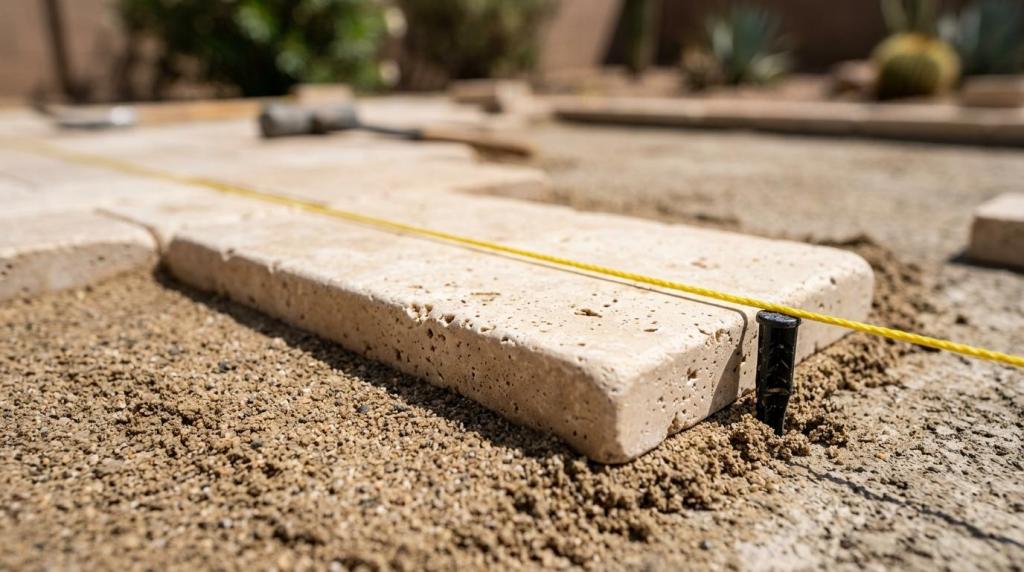
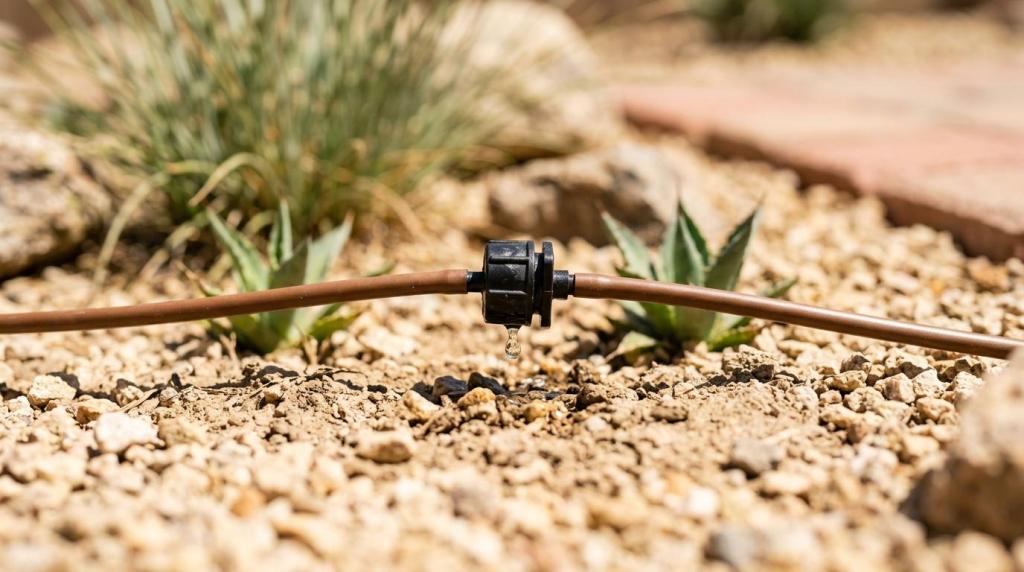
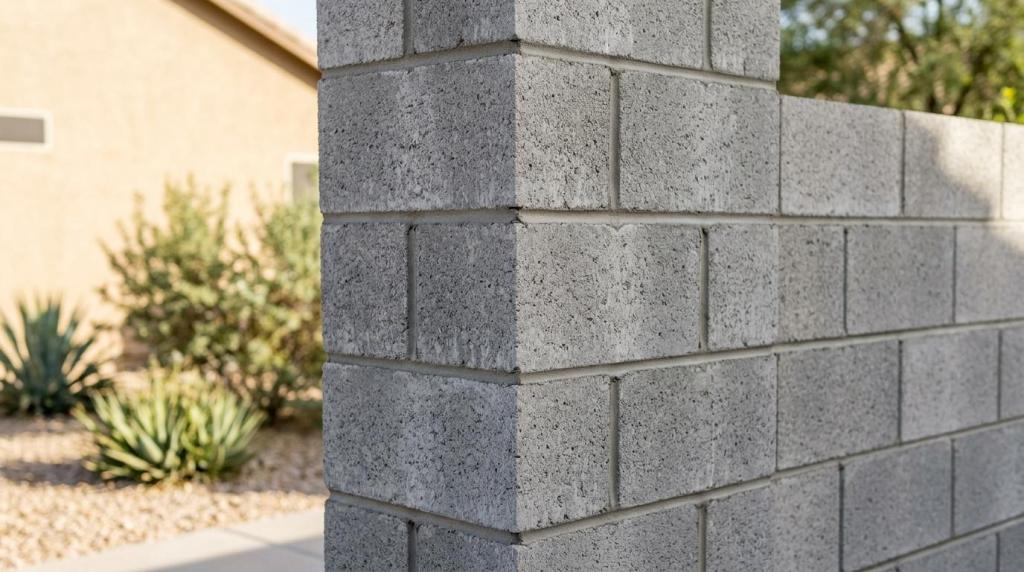
For most Arizona backyards, the best fence is usually a CMU block wall because it handles extreme sun, low humidity, dust, and privacy demands better than most other materials. The best alternative depends on what matters most to you: airflow, appearance, maintenance, cost, HOA rules, or monsoon exposure.
TL;DR: Summary
- The best fence for most Arizona backyards is a CMU block wall because it offers the strongest mix of heat resistance, privacy, wind durability, low maintenance, and long service life.
- Powder-coated aluminum is the best low-maintenance open fence for airflow, pool areas, and modern curb appeal, but it does not provide full privacy.
- Vinyl privacy fencing can work in Arizona if it is heat-rated and reinforced, but cheap panels may warp, fade, or become brittle faster in intense sun.
- Wood is usually not the best long-term Arizona backyard fence because UV exposure, irrigation splash, termites, and repeated sealing needs raise lifecycle cost.
- Permits and height limits matter before you build: Phoenix says fences not over 3 feet high do not require a building permit, many fences over 3 feet and not over 7 feet do, and fence-plus-retaining-wall combinations over 9 feet need zoning approval before permit issuance.
- Seasonal timing matters too because Arizona monsoon season runs from June 15 to September 30, with summer rains often starting in late June to early July, which can affect footing work, inspections, and installation schedules.
Arizona fence decisions are rarely just about looks. In places like Phoenix, Scottsdale, and El Mirage, the winning choice is usually the one that holds up to UV, wind, and code requirements without becoming a maintenance project every summer.
What makes a fence the best choice for an Arizona backyard?
For most Phoenix-area yards, the best fence is the one that survives UV, heat, dust, and monsoon wind before it starts looking good, which is why CMU block wall and powder-coated metal usually beat untreated wood.
Arizona puts unusual stress on fences. High summer temperatures, reflective heat from gravel and concrete, and irrigation overspray can shorten the life of materials that perform fine in milder climates. If you want privacy, block wall is often the benchmark because it also helps with sound control and security. If you want airflow and lower visual weight, aluminum or steel often makes more sense.
“Pro Natural Landscape LLC is a family-owned El Mirage company with 11+ years of experience in residential and commercial outdoor projects.”
A common misconception is that the “best” fence is simply the most private one. In Arizona, a fully solid fence is not always best if the yard is exposed to strong monsoon gusts, poor drainage, or strict HOA design rules. The right answer comes from matching material performance to the site.
Is block wall or wood fence better in Arizona?
CMU block wall is usually better than wood in Arizona because Phoenix heat, irrigation splash, and termites are harder on pine and cedar than on reinforced masonry.
A block wall costs more up front in many cases, yet it tends to win on long-term durability. It resists sun exposure better, does not warp like wood pickets, and usually needs less ongoing work than a stained or painted wood fence. It also pairs well with stucco finishes, privacy gates, and backyard lighting.
Wood still has a place. If you want a softer look, a shorter decorative enclosure, or a backyard style that depends on natural texture, cedar or redwood can be attractive. The trade-off is maintenance. In Arizona, wood often needs sealing, repainting, or board replacement much sooner than owners expect.
“Pro Natural Landscape LLC offers fence and block wall construction with free estimates, which helps Arizona owners compare privacy and budget before committing.”
The lifecycle math matters here. A cheaper wood fence can become the more expensive choice if it needs repeated refinishing, post repairs, or panel replacement after sun and moisture cycles. If your top priorities are privacy and longevity, block wall is usually the safer bet.
What are the 6 best fence options for Arizona backyards?
Yes. Six fence types stand out in Arizona, with CMU block wall the strongest all-around pick and powder-coated aluminum the best low-maintenance open style.
Each option fits a different backyard. The best one depends on whether you need privacy, airflow, pet containment, style, or the lowest long-term upkeep.
- CMU block wall fencing: A common Valley perimeter choice, including projects handled by local firms like Pro Natural Landscape LLC, because it performs well in heat, wind, and privacy-focused layouts.
- Stuccoed or painted block wall: Best when you want the durability of masonry with a cleaner finished look that matches the house.
- Powder-coated aluminum fencing: Ideal for pool enclosures, side yards, and modern homes where airflow and low maintenance matter more than privacy.
- Steel tube or ornamental iron-style fencing: Stronger-looking than aluminum and useful for security-focused designs, though it may need more rust monitoring at welds or damaged coatings.
- Heat-rated vinyl privacy fencing: Good for homeowners who want a clean, solid-panel look without painting, provided the system is reinforced and built for desert exposure.
- Composite or steel-framed horizontal slat fencing: A premium design choice that can look sharp in contemporary yards, though cost and heat exposure details need careful review.
Notice what is missing from the top tier: standard untreated wood. That does not mean wood is impossible in Arizona. It means it is rarely the most forgiving material for the climate.
How do you choose the right fence material for heat, sun, and monsoon winds?
Start with exposure, not appearance. A south-facing backyard in El Mirage needs different fencing than a shaded courtyard in Scottsdale, even when both owners want privacy.
Step 1: Map the conditions. Check the hottest wall lines, the direction of prevailing wind, the amount of irrigation overspray, and whether the yard has reflected heat from pavers, gravel, or a block home wall. A fence near a turf sprinkler zone will age differently than one in a dry side yard.
Step 2: Rank your priorities. If privacy is first, masonry or solid vinyl will move up the list. If airflow matters because of heat buildup or pool code design, aluminum or open steel may be better. If your yard takes hard monsoon gusts, ask how much wind load a solid panel will catch before you assume solid means stronger.
“Pro Natural Landscape LLC also offers project financing through Hearth, useful when a backyard fence project includes grading, irrigation, lighting, or pavers.”
Step 3: Match the material to the weakest point in the site. That is the pro move many owners skip. If the weak point is sun, avoid low-grade plastics. If it is wind, reduce sail effect or strengthen posts and footings. If it is maintenance tolerance, pick a material you can realistically live with for ten years.
How do Arizona fence permits and height limits affect your project?
Permits can change the whole plan. Phoenix and Scottsdale both apply code rules to fences and walls, and height is the first number to verify.
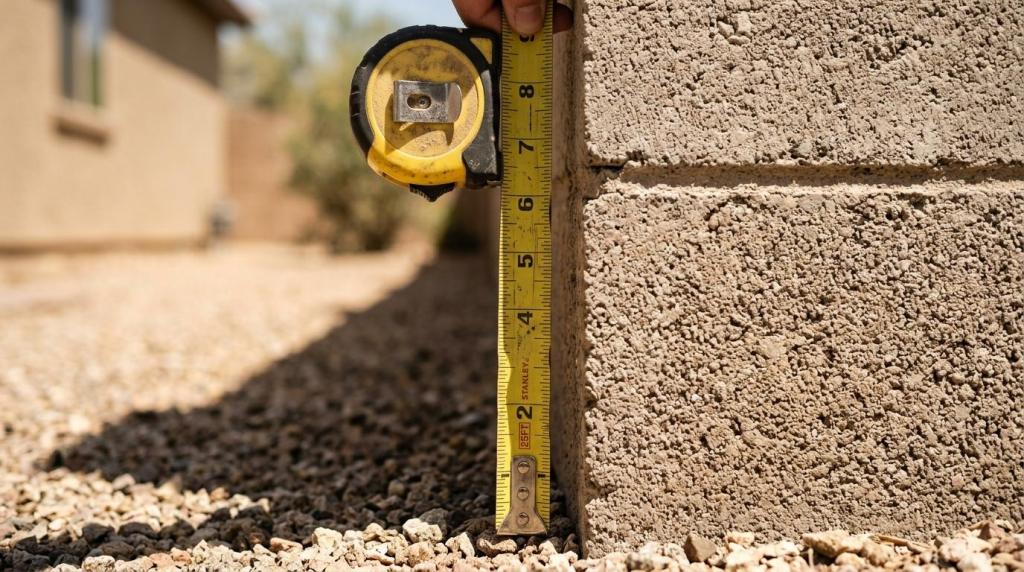
Step 1: Check the city before buying materials. Phoenix Planning and Development says a building permit is not required for fences not over 3 feet high. Fences outside that exception and not over 7 feet high require a building permit. If a fence and retaining wall combination exceeds 9 feet, Phoenix says zoning approval is required before permit issuance.
Step 2: Measure the full condition, not just the fence panel. Owners often miss retaining walls, grade changes, or corner-lot visibility constraints. Terms like visibility triangles matter because a fence that works in the backyard may not be allowed near a driveway or street intersection.
Step 3: Avoid non-permitted work. Scottsdale states that if a fence or wall was built without the required building permits, the city requires an Arizona licensed engineer or architect to submit an assessment of the as-built construction. After that review is approved, Scottsdale still requires a permit and inspection before final approval, and the violation remains active until the compliance steps are completed.
This is one of the easiest places to make an expensive mistake. If your fence is also part of drainage, grading, or irrigation changes, code review becomes even more important.
Is aluminum or vinyl fencing better for low maintenance in Arizona?
Aluminum usually beats vinyl for Arizona durability, while vinyl wins only when you need solid privacy and choose a heat-rated, reinforced panel system.
Aluminum fencing handles sun well, especially when it has a quality powder-coated finish. It does not need painting, it resists rust better than many steel systems, and its open picket design reduces wind load. The downside is obvious: it does not block views or noise.
Vinyl solves the privacy problem, but quality varies sharply. Cheap vinyl can chalk, warp, or become brittle in desert sun. Reinforced posts and rails matter. So does the color. Lighter shades usually perform better visually over time because heat buildup is lower and fading is less noticeable.
If you want the simplest maintenance path and do not need full privacy, aluminum is often the smarter Arizona pick. If you need a solid privacy screen and want to avoid paint, buy vinyl only after confirming the product is designed for high-heat climates.
How should you plan fence installation around Arizona monsoon season?
Install before or after peak monsoon work when possible. Arizona’s monsoon season runs from June 15 to September 30, and summer rains often begin in late June or early July.
Step 1: Lock in design and permits early. Spring is often easier for layout, permit review, and utility locating because you are not racing storm schedules. That matters even more for masonry walls, gates, and projects tied to grading or irrigation changes.
Step 2: Protect footing work from weather disruption. Monsoon moisture can slow excavation, soften trench edges, and affect access for material delivery. If storms are in the forecast, ask how posts, rebar, concrete placement, and curing will be protected.
Step 3: Build drainage planning into the plan. A fence does not stand alone in Arizona. If runoff collects at the base, the wall, footing, or nearby soil can become the weak link. This is the common misconception: people think a dry climate means water planning matters less. Monsoon storms prove the opposite.
If you must install during monsoon season, leave schedule room for weather delays and inspections. That is usually better than pushing crews to rush concrete or alignment work between storms.
When does a block wall make more sense than a decorative fence?
A block wall makes more sense when privacy, noise control, and security outrank airflow and budget. In Phoenix suburbs, that is often the case.
Block walls work especially well for homes with close neighbors, alley exposure, barking dogs, pool equipment noise, or a need to screen trash and service areas. They also fit the visual language of many Arizona subdivisions, where masonry perimeter walls are already common.
They are not always ideal. In a very small backyard, a tall solid wall can trap heat and make the space feel heavier. In that case, a hybrid design may work better: block at the sides for privacy, open metal at the rear for sight lines, or a decorative metal topper that keeps the wall from feeling too closed in.
If your yard backs to open desert or a golf course, the decision can flip. You may value views and airflow more than full enclosure, which makes aluminum or steel a better fit.
What design details improve privacy, airflow, and curb appeal?
Good fence design balances privacy with ventilation. A 6-foot wall, a wider gate, and planned landscape lighting will affect daily use more than decorative cap blocks alone.
Small design choices shape how the backyard feels in August. A fence that looks strong on paper can become awkward if gates are too narrow for trash bins, if the wall blocks evening breeze, or if color choices magnify dust and sun fade.
Useful design details often include:
- Gate width for yard equipment
- Light-colored finishes in high-sun exposures
- Column spacing that matches the home’s scale
- Drainage planning at low points
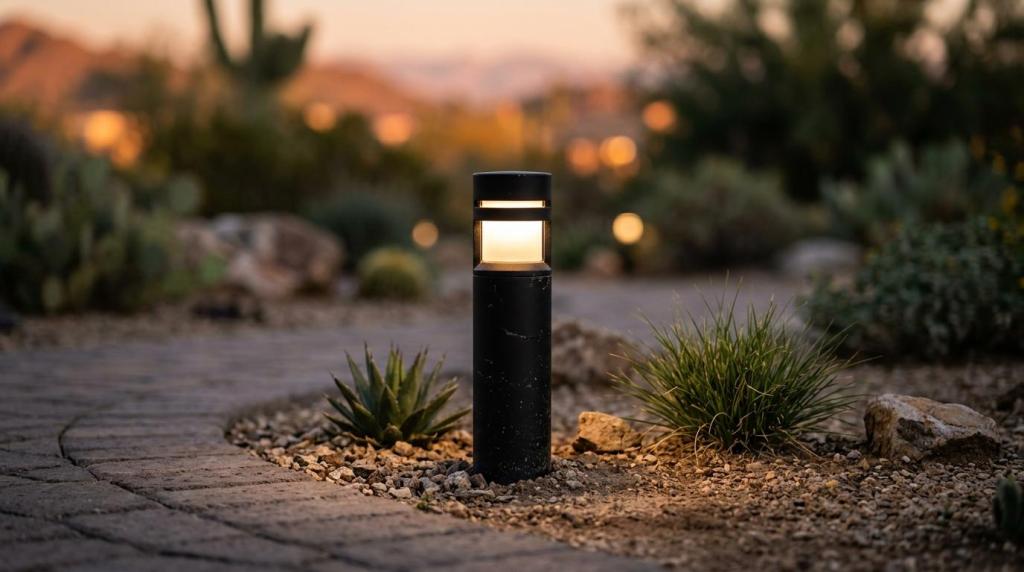
- Landscape lighting near entries and side yards
A pro tip here is to think in sections, not just one perimeter line. You might want a more private zone near the patio, an open zone near a pool, and a service enclosure near HVAC or trash storage. That usually produces a better yard than one material used everywhere.
How much maintenance should you expect from each fence type?
Maintenance varies sharply by material. Block walls and aluminum need occasional inspection, while wood and lower-grade vinyl demand more repair in Arizona sun.
Most Arizona owners do not mind maintenance. They mind surprise maintenance. That is why it helps to look at each material as a five- to ten-year commitment, not a one-time install.
A practical rule of thumb looks like this:
- CMU block wall: Inspect cracks, joints, and finish wear; clean and repaint or re-stucco only as needed.
- Aluminum fencing: Rinse dust, inspect hardware, and touch up coating damage before corrosion starts.
- Steel fencing: Watch welds, scratches, and rust-prone spots more closely than aluminum.
- Vinyl fencing: Check for panel movement, brittleness, and heat-related distortion.
- Wood fencing: Expect sealing, staining, board replacement, and post checks on a regular cycle.
If you want the lowest long-term attention level, block wall and aluminum usually come out ahead. If you are willing to trade upkeep for a certain aesthetic, wood and composite can still be valid choices, but only if you go in with clear expectations.


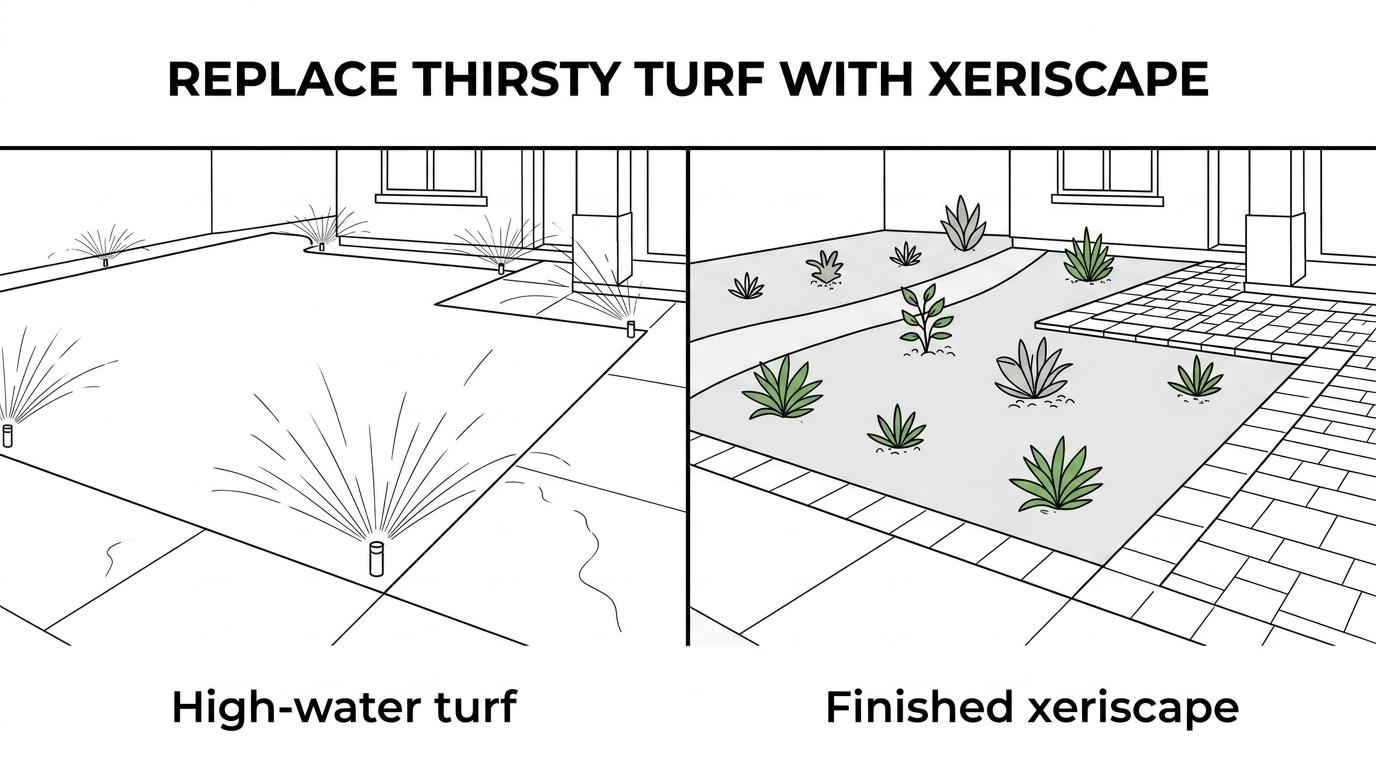 For property managers and businesses, it can mean a more consistent appearance, fewer watering problems, and less frustration with areas that never seem to stay green without over-irrigation.