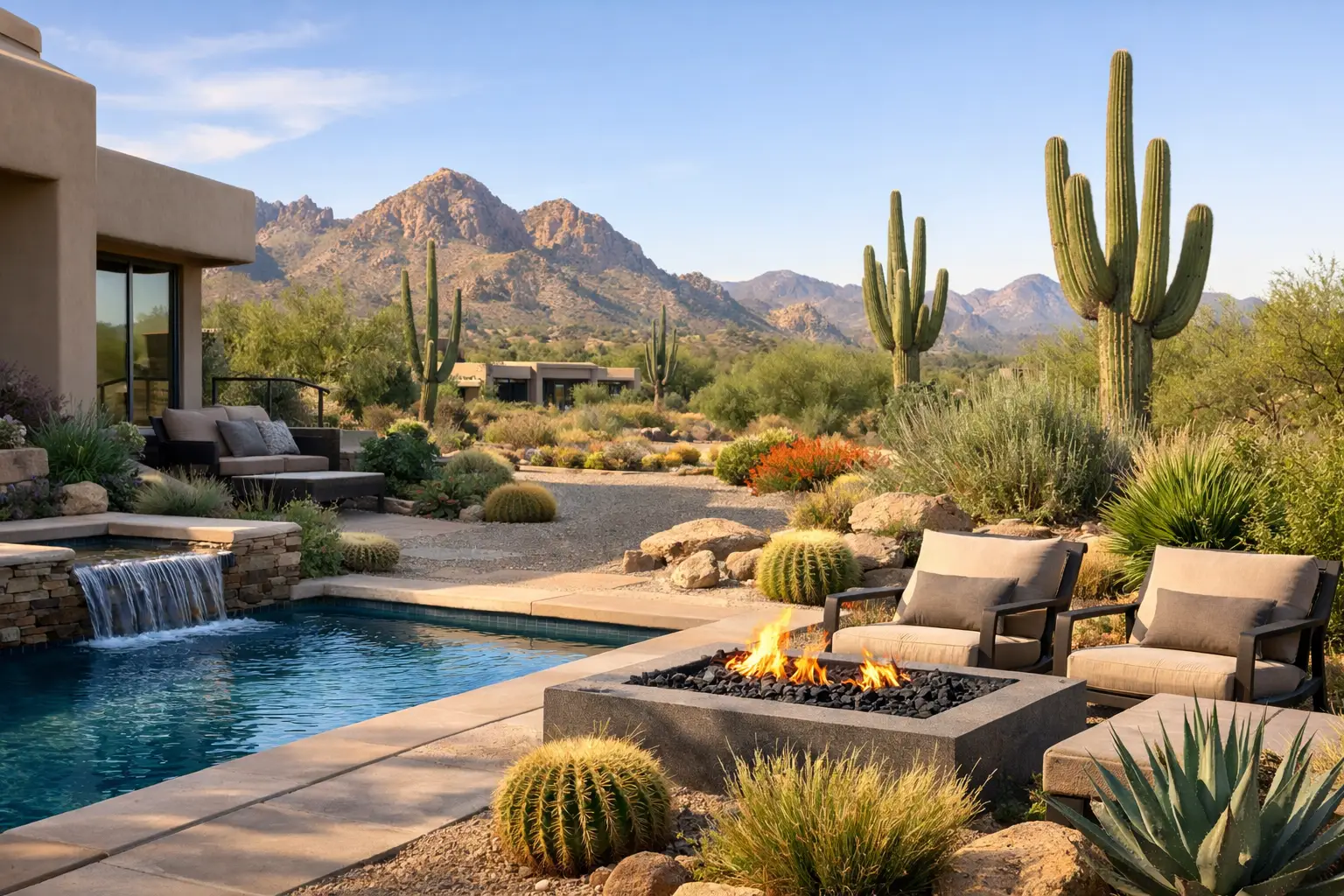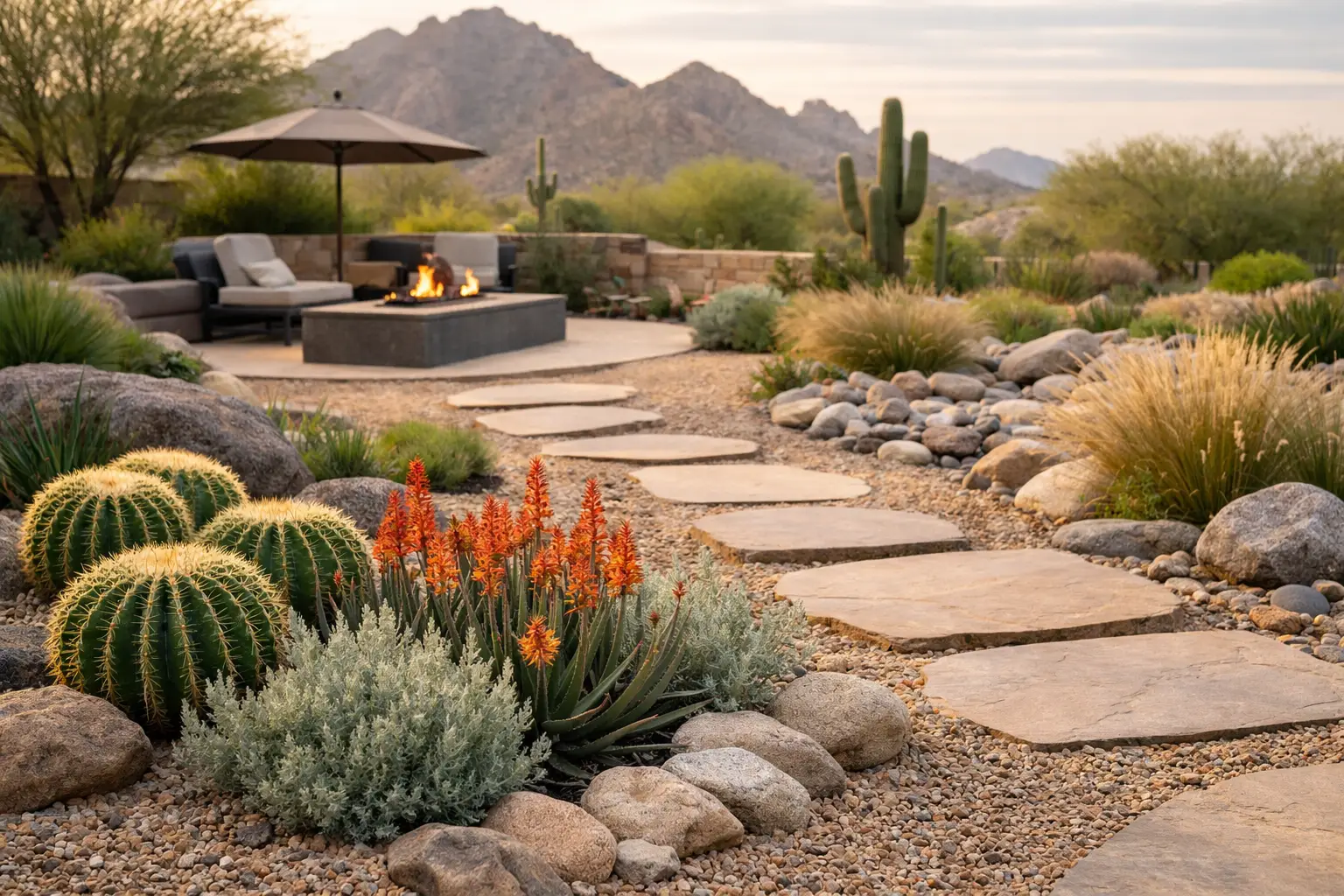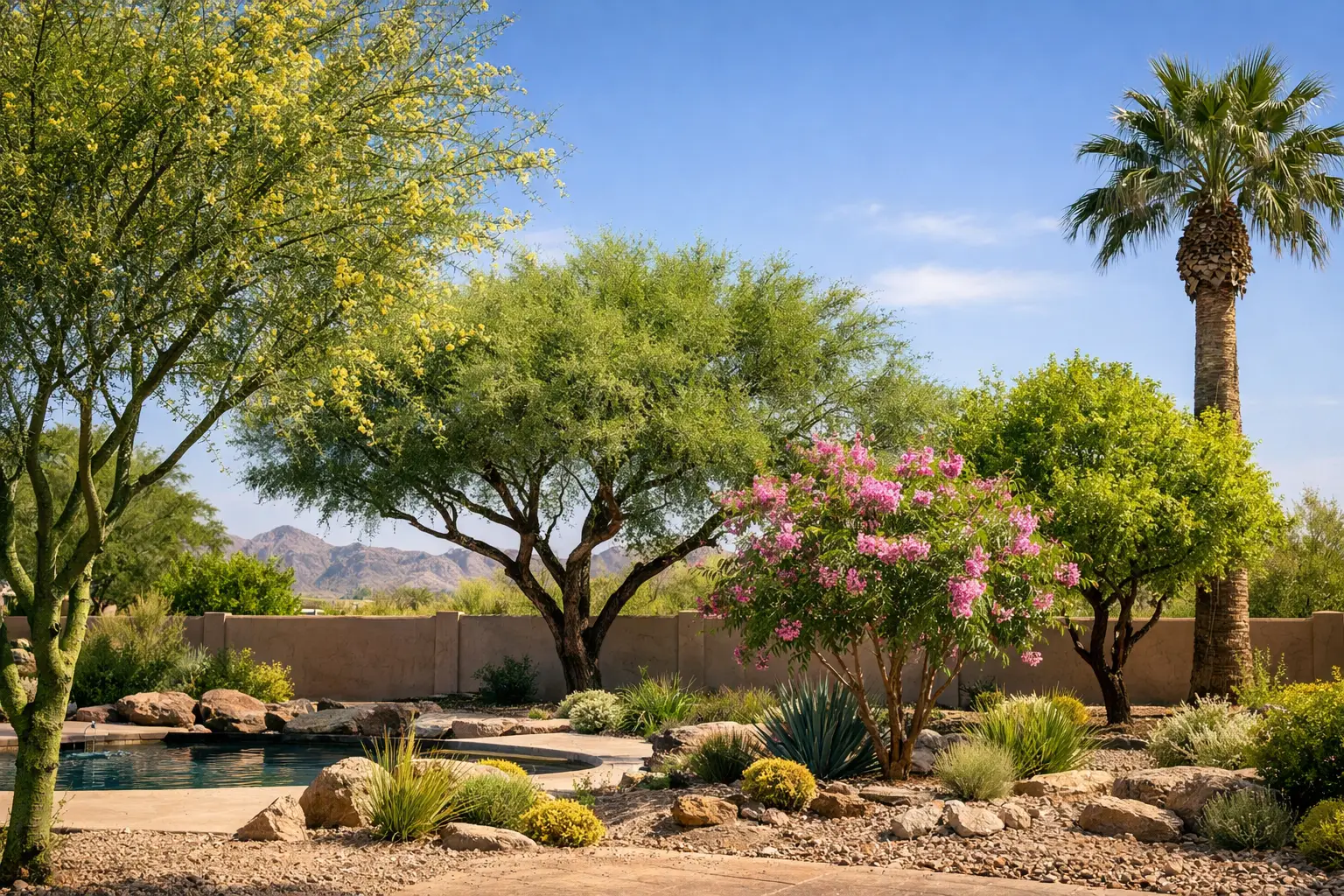
A tree can make an Arizona property feel dramatically cooler, more private, and more finished. But the best trees for Arizona yards are not simply the ones that survive summer. They need to fit the available space, tolerate reflected heat, work with your irrigation plan, and avoid creating constant cleanup, root, or safety problems.
For homes and commercial properties across the Valley, the right tree is a long-term landscape investment. The wrong one can crowd a wall, lift pavers, drop heavy debris into a pool, or demand more water than the yard can realistically support. Start with a tree that matches your site, then give it professional planting, drainage, and irrigation from day one.
What Makes a Tree Work in an Arizona Yard?
Arizona’s desert climate is demanding. Summer temperatures, alkaline soil, wind, limited rainfall, and heat radiating off block walls, gravel, and hardscape can stress trees that look healthy at a nursery. Native and desert-adapted varieties generally need less water after establishment, but every new tree still needs regular deep watering while its roots grow outward.
Before choosing a species, consider mature height and canopy width, not just the size of the tree in its container. Look overhead for utility lines, keep large trees away from roofs and pool decking, and leave enough room between the trunk and block walls, driveways, pavers, and foundations. A tree planted too close may be inexpensive today but costly to remove later.
You should also decide what the tree needs to do. Shade trees belong where people park, sit, or use the yard. Evergreen trees may provide screening. Accent trees can frame an entry, soften a gravel bed, or add seasonal color without overtaking a smaller property.
10 Best Trees for Arizona Yards
1. Desert Willow
Desert willow is one of the most practical choices for Arizona landscapes. It produces trumpet-shaped blooms in shades of pink, purple, or white and has a loose, natural canopy that works well in desert-style yards. Its narrow leaves create less heavy shade than a dense canopy tree, but it still provides welcome filtered cover.
This tree is heat tolerant and water wise once established. It does drop flowers and seed pods, so it is not the best choice directly beside a pool or a spotless front entry. For a patio border, backyard gravel bed, or open area that needs color, desert willow is hard to beat.
2. Palo Verde
Palo verde is Arizona’s state tree for a reason. Its green bark, yellow spring flowers, and bright desert character make it a natural fit for local yards. Blue palo verde and foothill palo verde are common choices, while hybrid varieties such as Desert Museum palo verde are popular for their fuller canopy and fewer thorns.
Palo verdes grow quickly and provide filtered shade, but they need proper pruning. Cutting them into tight round shapes or removing too much interior growth can create weak branch structure. A trained landscape team can prune for clearance and stability without stripping away the tree’s natural form.
3. Mesquite
A mature mesquite can create the broad, cooling shade many Arizona yards need. Velvet mesquite, screwbean mesquite, and thornless hybrid varieties can work well depending on your goals. Their deep-rooting nature and desert resilience make them a strong option for larger lots and open commercial landscapes.
The trade-off is size and maintenance. Mesquites can spread wide, drop pods and leaves, and develop heavy limbs that need occasional structural pruning. Keep them clear of roofs, power lines, and tight hardscape areas. In the right location, a well-managed mesquite is one of the most useful shade trees in the desert.
4. Desert Ironwood
Desert ironwood is a slower-growing native tree with a dense, sculptural look. It offers lavender flowers in spring and can develop into a handsome, durable shade tree over time. Its darker foliage and substantial trunk give it a more established appearance than many fast-growing desert trees.
This is a good choice for property owners who want a long-lasting native tree and are willing to be patient. Ironwoods are not the fastest route to instant shade, but they are tough, low-water once established, and well suited to natural desert landscape designs.
5. Texas Mountain Laurel
Texas mountain laurel brings evergreen foliage and fragrant purple blooms to Arizona yards. Its flowers have a distinctive scent that many people compare to grape soda. It usually stays smaller than a mesquite or palo verde, making it a smart option near entries, patios, and side yards where a full-size canopy tree would overwhelm the space.
Growth is slow, especially in the first few years. That can be a benefit for homeowners who want a lower-maintenance ornamental tree that will not outgrow its location quickly. Plant it where drainage is good and avoid overwatering.
6. Fruitless Olive
Fruitless olive trees remain a popular choice for Arizona homes because of their soft gray-green leaves, broad canopy, and classic Mediterranean appearance. They can provide attractive shade and pair well with pavers, travertine, block walls, and clean modern landscape designs.
Choose a truly fruitless variety to avoid olive mess on walkways and patios. Even fruitless olives can produce pollen, which may bother allergy-sensitive households, and they need thoughtful pruning to keep the canopy open and structurally sound. They are best used where their mature width has room to spread.
7. Arizona Ash
Arizona ash can provide dense, fast shade, which is appealing around west-facing windows, driveways, and large backyards. It has a more traditional green-yard look than many desert trees and can make a newer property feel established faster.
It also uses more water than native desert trees and needs consistent care to look its best. Ash trees can become large and require routine pruning, so they are better for owners prepared to maintain a more water-demanding landscape. Do not choose one simply because it grows fast. Make sure your irrigation system can support it.
8. Chinese Pistache
Chinese pistache is valued for its strong shade canopy and fall color, which is rare in many desert landscapes. Once established, it handles Arizona heat well and can be a great focal point in a larger front yard or commercial setting.
This tree is deciduous, so it will lose leaves in winter. That means seasonal cleanup, but it also allows more sunlight into the yard during cooler months. Give it room to mature and use deep, infrequent watering rather than shallow daily irrigation.
9. Southern Live Oak
Southern live oak offers year-round foliage and a substantial canopy for larger Arizona properties. It creates a more traditional, park-like look and works especially well in spaces that need dependable shade rather than a strictly native desert appearance.
Its main trade-off is water use. A live oak is not the right fit for every low-water landscape, particularly if the irrigation system is already limited. However, when placed in a properly designed zone with adequate watering, it can be a valuable long-term shade tree.
10. Acacia
Acacia varieties, including shoestring acacia and sweet acacia, bring a lighter desert look to a landscape. Their small leaves, graceful form, and heat tolerance make them useful for accent planting, screening, and yards that need filtered shade without a dense, heavy canopy.
Different acacias have different growth habits, thorns, and lifespans, so variety selection matters. Some are better away from walkways and play areas. A landscape professional can help match the acacia type to your available space and maintenance expectations.
Tree Placement Matters as Much as Tree Choice
Even the best tree can struggle when it is planted in the wrong place. Avoid placing a large canopy tree in a narrow side yard or directly over a pool. Trees near pavers and patios need enough soil space so roots are not forced toward hardscape. Trees installed close to block walls can trap heat, especially on west and south exposures, so water schedules may need adjustment during the first few summers.
For shade, focus on the areas that make the biggest difference: south- and west-facing windows, outdoor seating areas, driveways, and equipment zones. A strategically placed tree can reduce glare and make a patio more usable without turning the whole yard into a high-maintenance lawn.
Give New Trees the Right Start
New trees fail most often because of planting depth and irrigation issues, not because the variety was unsuitable. The root flare should sit at or slightly above surrounding grade, never buried under soil or gravel. Water should soak deeply around the root zone, then gradually spread farther from the trunk as roots establish.
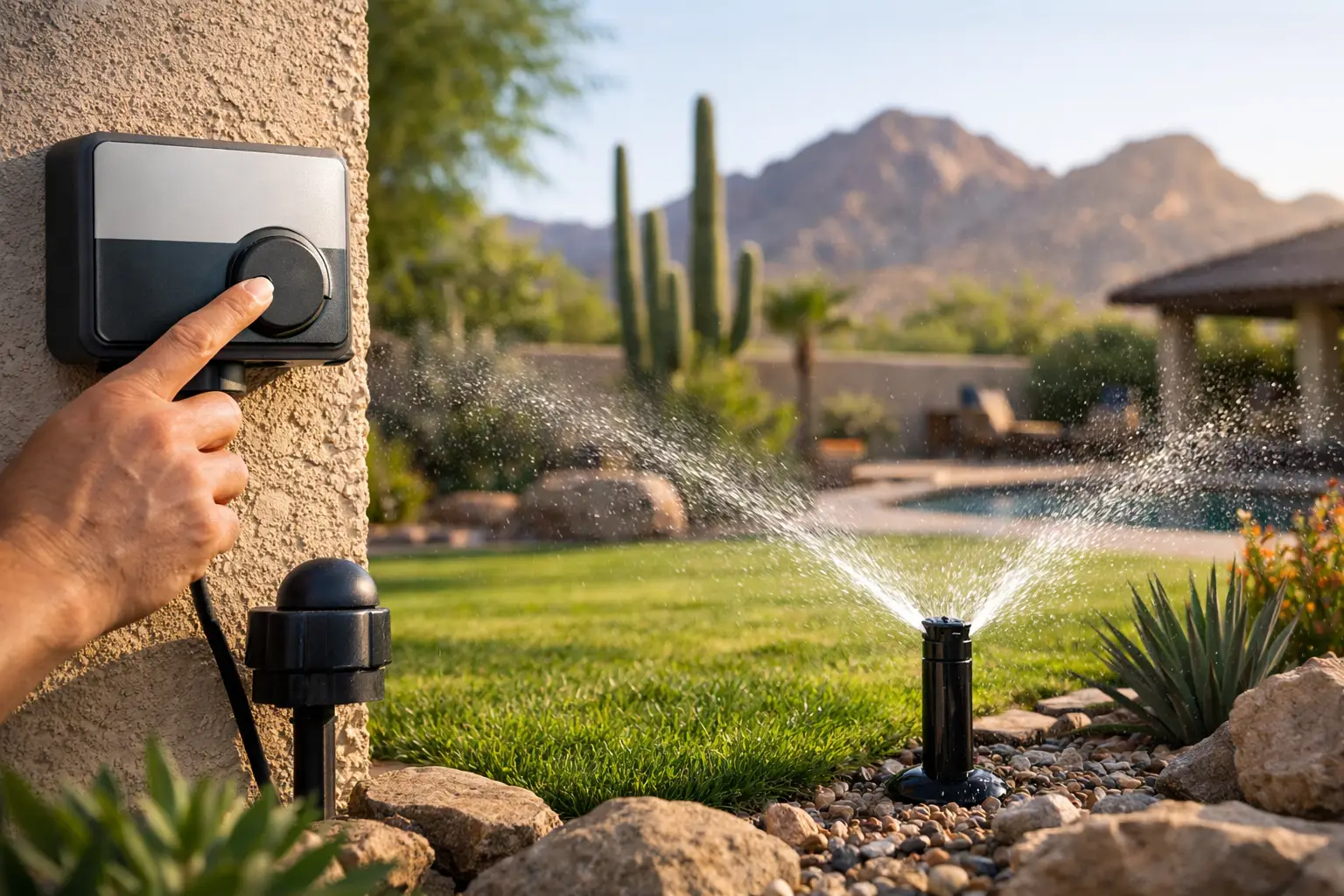
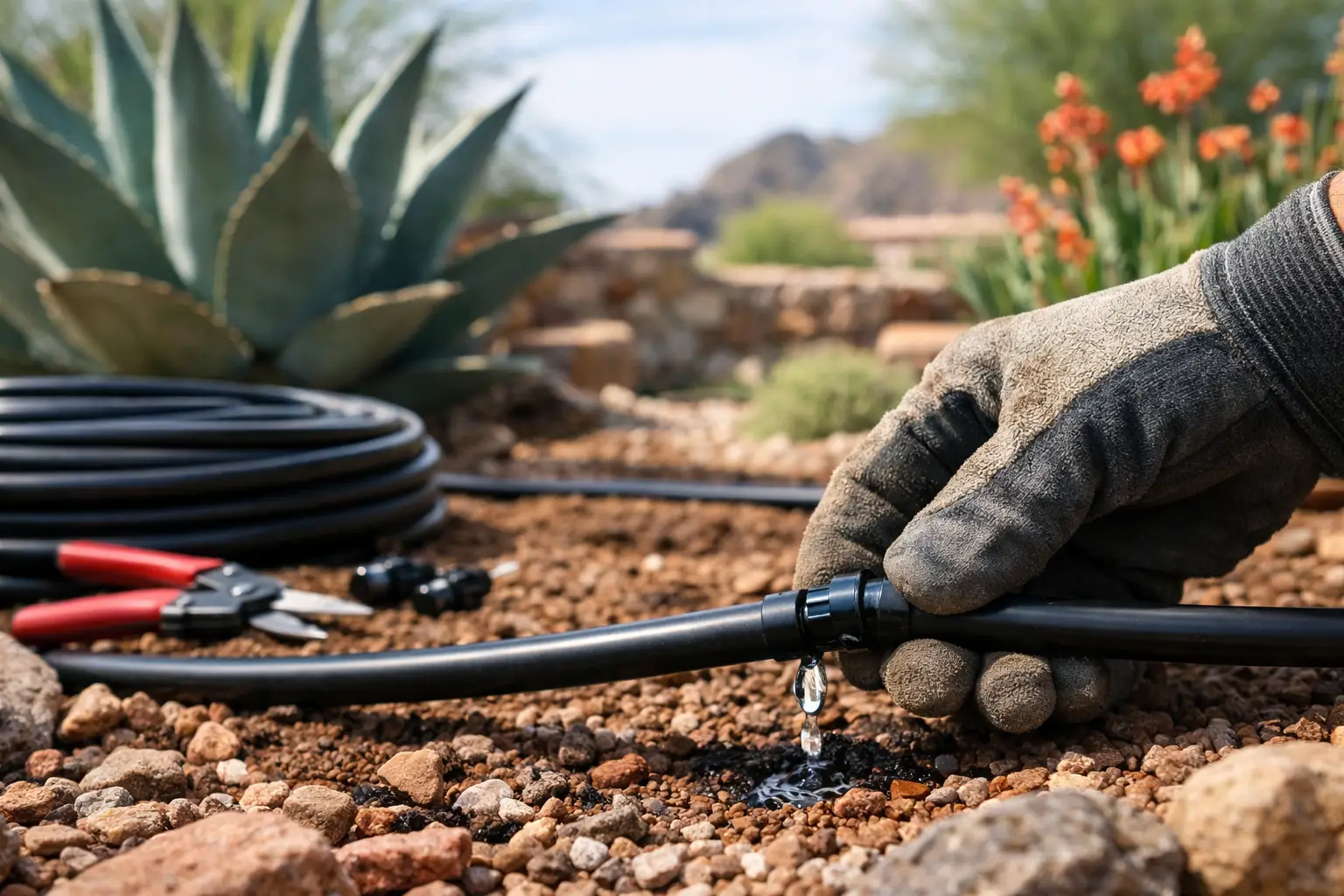
Do not depend on lawn-style sprinklers for trees. Drip irrigation with properly placed emitters is more efficient and helps prevent shallow root growth. Gravel can work well around desert trees, but keep it from piling against the trunk. Mulch may also be useful in select planting beds because it helps moderate soil temperature and retain moisture.
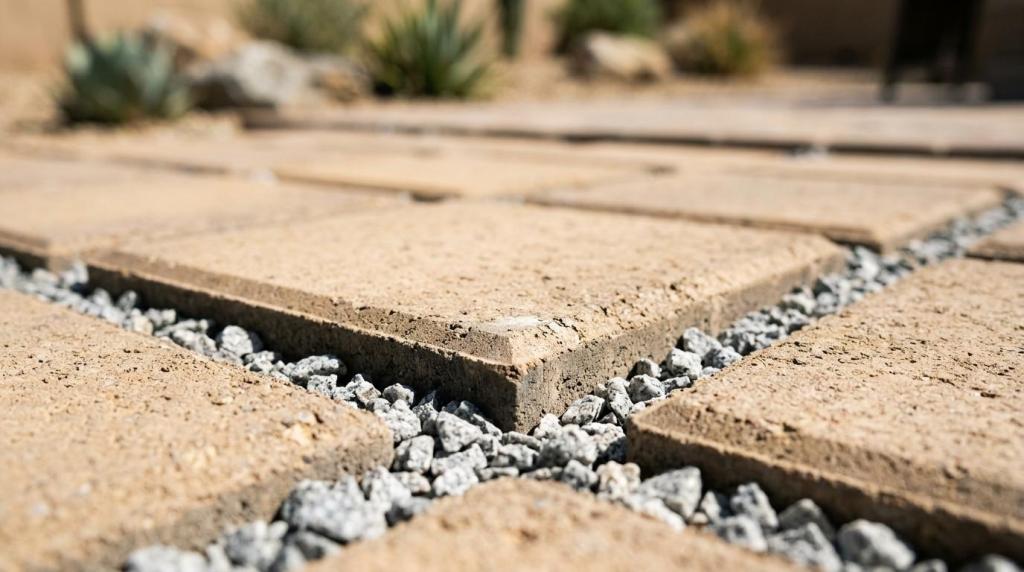
A well-planned yard uses trees, gravel, artificial grass, pavers, lighting, and irrigation as one system. If you are replacing an overgrown tree, adding shade to a new patio, or upgrading an entire property, Pro Natural Landscape can help plan the work around how you actually use the space. Choose the tree for its mature role in your yard, and it will keep paying off long after the planting day is over.