

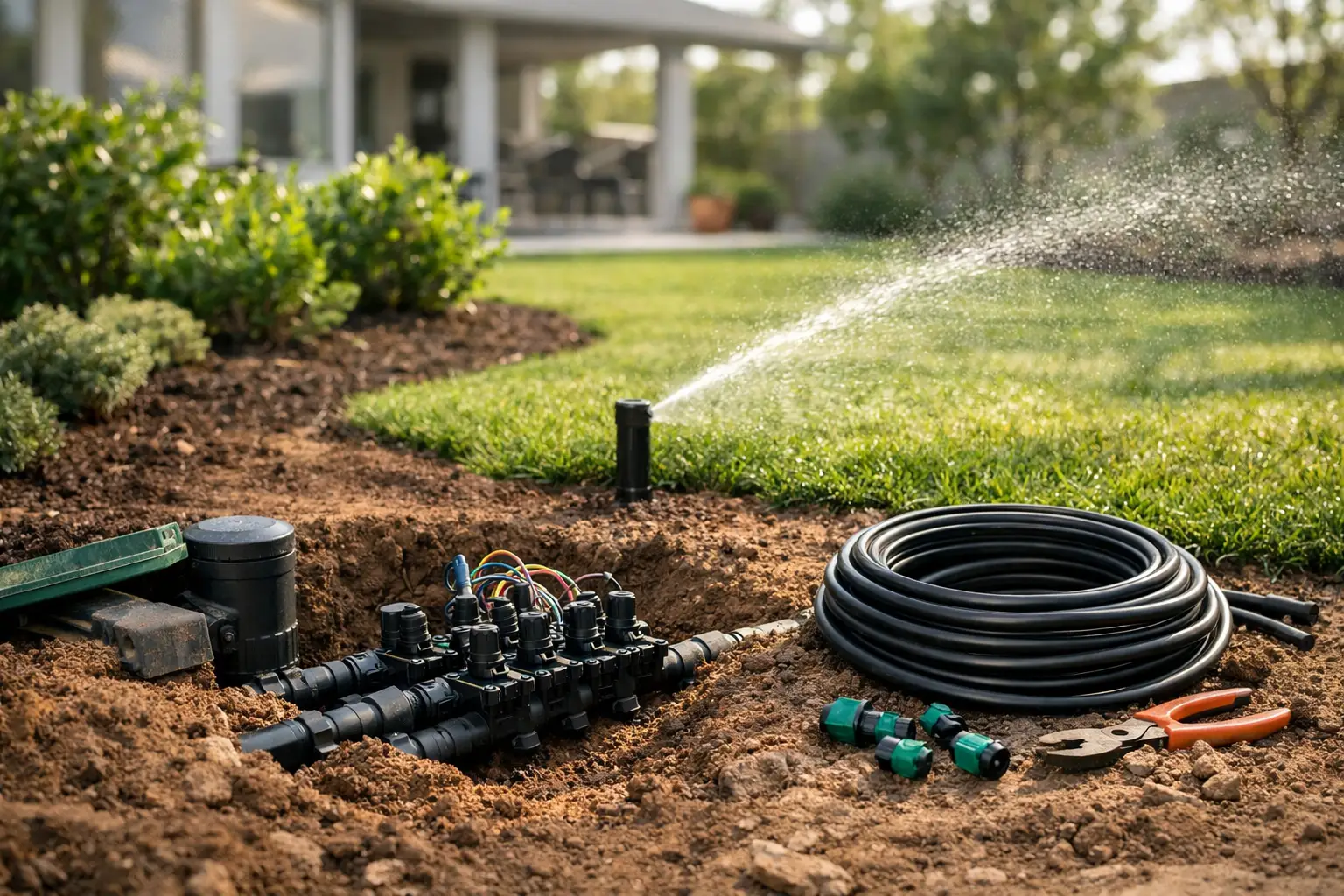
A sprinkler system that runs too long in July can waste water fast. One that skips key zones can leave trees, grass, and plants stressed within days. That is why automatic irrigation installation matters so much in Arizona – it is not just about convenience, but about protecting your landscape, controlling water use, and keeping your property looking cared for without constant manual adjustment.
For homeowners, property managers, and commercial owners, the goal is simple. You want a system that waters the right areas, at the right time, with the right amount. You also want fewer headaches, lower waste, and a setup that fits your yard instead of forcing your yard to fit the system. When automatic irrigation is planned correctly, it supports healthier plants, cleaner curb appeal, and more predictable maintenance.
Why automatic irrigation installation matters in Arizona
Arizona landscapes deal with intense sun, dry air, hard soil conditions, and long stretches of heat. Watering by hand or relying on an outdated timer usually leads to uneven coverage. Some areas get too much water, which can damage roots and create runoff. Others get too little, which weakens plantings and makes the property look patchy or neglected.
An automatic irrigation installation gives you control that manual watering cannot match. Timers can be set around weather patterns, property use, and plant needs. Separate zones can handle turf, shrubs, trees, and decorative beds differently. That matters because desert-adapted plants do not need the same schedule as grass, and newer plantings often need more attention than mature ones.
There is also the issue of consistency. Busy schedules, travel, and staff turnover can all disrupt manual watering. An automatic system keeps the schedule in place and reduces the risk of missed watering days. For commercial properties, that consistency helps maintain a polished appearance without relying on constant intervention.
What a well-built system should include
Not every irrigation system is the same. A good setup starts with the property itself, not with a one-size-fits-all package. The layout, sun exposure, plant selection, soil conditions, and hardscape features all affect how the system should be designed.
Most automatic irrigation installation projects include valves, piping, controllers, emitters or sprinkler heads, and properly divided zones. The real difference is in how those parts are selected and installed. Spray heads may work for lawn sections, while drip irrigation is often the better option for shrubs, trees, and planting beds. Drip systems help direct water to the root zone and reduce evaporation, which is a major advantage in desert climates.
The controller also matters more than many property owners realize. A basic timer may be enough for a small, simple yard. Larger or more varied properties often benefit from smarter scheduling options that can be adjusted by zone and season. The right controller makes future changes easier and helps avoid the common problem of overwatering everything just to keep one trouble spot alive.
Planning the layout before installation starts
The best results come from careful planning. Before any trenching or equipment placement begins, the property should be evaluated as a complete outdoor system. Existing trees, new landscape design, artificial grass, paver areas, slopes, and drainage patterns all affect irrigation performance.
This is where many problems begin if the work is rushed. Heads placed too close to hardscape can create overspray on walkways and patios. Drip lines installed without enough thought can miss root zones or interfere with future maintenance. Poor zoning can force plants with very different water needs onto the same schedule. Those mistakes may not show up on day one, but they usually become obvious when water bills rise or plant health declines.
A practical installation plan accounts for both current needs and future growth. Trees get larger. Shrub masses fill in. Landscape beds change over time. Building a little flexibility into the system can save money later and make expansions or repairs easier.
Automatic irrigation installation for residential properties
Homeowners usually want three things from an irrigation system – reliability, efficiency, and less day-to-day work. A well-installed system should make the yard easier to maintain while supporting the overall look of the property.
For many Arizona homes, that means combining drip irrigation with targeted spray coverage where needed. Gravel beds, low-water plantings, artificial grass borders, and accent landscaping all require different approaches. A smart residential installation avoids waste while still keeping the yard healthy and visually clean.
It also helps protect the investment in the rest of the outdoor space. If you have new pavers, decorative rock, lighting, or fresh plantings, poor irrigation can undermine all of it. Runoff can stain surfaces, overspray can create maintenance issues, and underwatering can quickly make a new landscape look tired. A dependable system supports the full property, not just the plants.
Commercial automatic irrigation installation needs a different approach
Commercial properties often need a broader plan. Visibility, durability, and ease of management are usually bigger concerns than they are at a single-family home. A retail center, office property, HOA common area, or rental property cannot afford inconsistent appearance at the entrance, along walkways, or around signage.
In these settings, automatic irrigation installation should be built for dependability under regular use. The layout needs to consider foot traffic, vandalism risk, maintenance access, and broad coverage without waste. It also needs to support faster troubleshooting, because downtime on a commercial system can affect appearance and tenant satisfaction quickly.
For property managers, the right installation reduces service calls and ongoing guesswork. Instead of adjusting watering manually from week to week, you have a structured system that can be managed more efficiently. That is especially valuable when one team is overseeing multiple properties.
Common problems a new system can prevent
Many people call for irrigation help after they have already seen signs of trouble. Dry spots, standing water, plant decline, broken heads, leaking lines, and rising water bills are all common. In some cases, the issue is simply age. In others, the original system was never designed correctly.
A new automatic irrigation installation can fix problems that patchwork repairs keep missing. If zones are wrong, controller settings are outdated, or the property has changed over time, repairing one head or one valve at a time will not solve the bigger issue. A redesigned system can improve coverage, reduce runoff, and match the current landscape instead of an old layout that no longer fits.
That does not mean every property needs a full replacement. Sometimes upgrades to controls, zoning, or drip conversion are enough. It depends on the condition of the system, the size of the property, and what you want the landscape to do moving forward.
What to expect during installation
A professional installation should be organized, not disruptive for the sake of being disruptive. The process usually starts with a site review, followed by system design, material planning, and installation scheduling. From there, trenching, line placement, valve setup, head or emitter installation, controller programming, and testing are completed in sequence.
Testing is where quality shows up. Each zone should be checked for pressure, coverage, leaks, and timing. Adjustments should be made on site, not left for later after waste or damage appears. If the system includes drip irrigation, flow and placement need to be verified carefully, since even small mistakes can affect plant health over time.
Cleanup matters too. On a residential project, that means restoring the yard as cleanly as possible. On a commercial project, it means keeping the site functional and presentable throughout the work. A contractor that handles outdoor improvements every day understands that installation is only part of the job. The finished result has to look professional when the work is done.
Choosing the right contractor for automatic irrigation installation
The cheapest bid is not always the most affordable outcome. Irrigation mistakes can lead to wasted water, dead plants, stained hardscapes, and repeat service calls. A better approach is to work with a contractor that understands Arizona conditions and can coordinate irrigation with the rest of your landscape.
That matters even more if your property includes hardscaping, gravel, artificial grass, lighting, grading, or renovation work. Irrigation should not be treated as a separate afterthought. It needs to fit the full outdoor plan. A company like Pro Natural Landscape can approach the project with that wider view, which helps avoid conflicts between watering, drainage, design, and long-term maintenance.
When you are comparing providers, look for practical expertise, clear communication, and a service range that matches your property. You want a team that can install the system correctly, explain how it works, and make updates when the yard changes.
A good irrigation system should quietly do its job in the background while your property keeps looking sharp. If your current setup wastes water, misses areas, or creates more work than it saves, it may be time to put in a system built for the way Arizona landscapes actually perform.
2 thoughts on “Automatic Irrigation Installation That Works”