×

Affordable & Reliable Weed Control for Your Yard

Tree Removal Service for Arizona Properties

A leaning tree after a monsoon is not a wait-and-see problem. Neither is a dead palo verde dropping limbs over a driveway or a root system pushing into hardscape. When you need a tree removal service in Arizona, the real goal is not just cutting down a tree. It is protecting your property, restoring safety, and making sure the space is ready for whatever comes next.

In Arizona, tree issues tend to move fast. High winds, heat stress, storm damage, and long-term irrigation problems can turn a healthy-looking tree into a liability. For homeowners, that can mean risk to the roof, fence, vehicles, or walkways. For commercial properties, it can affect access, visibility, and the overall appearance of the site. The right crew handles the removal cleanly, safely, and with a plan for the full area, not just the trunk.

When a tree removal service makes sense

Not every tree should be removed. Sometimes pruning, cabling, or a change in irrigation is enough to stabilize the issue. But there are clear situations where removal is the practical choice.

A dead tree is the obvious one. Once a tree has fully declined, it becomes brittle and unpredictable, especially in summer heat or during storm season. Trees with major trunk splits, severe lean, hollow sections, or repeated limb failure also deserve immediate attention. If roots are lifting pavers, damaging a wall, or creating a hazard near walkways, removal may save you from bigger repair costs later.

There are also cases where the tree itself is not failing, but the location no longer works. A tree planted too close to a home, pool, utility line, irrigation system, or commercial entry point can outgrow the space. In those situations, removal is less about appearance and more about long-term function.

Tree removal service for safety and property value

The biggest reason people call for tree removal is safety. A weakened tree can fall without much warning, and even smaller failures can damage roofing, patios, vehicles, fencing, and landscape features. Waiting usually does not make the job easier or cheaper.

There is also the property value side of it. An overgrown, damaged, or half-dead tree can drag down curb appeal fast. On residential lots, it can make the yard feel neglected. On commercial properties, it can affect how tenants, customers, or visitors see the space. Removing the problem tree often opens the door to a cleaner, more usable layout with better visibility and easier maintenance.

That said, removal is not always the cheapest option upfront. If a tree is large, close to structures, or hard to access, the work can be more involved. But compared with emergency cleanup, structural damage, or repeat service calls for falling limbs, planned removal is usually the smarter move.

What to expect during the removal process

A professional tree removal job starts with an on-site assessment. The crew should look at the tree’s condition, size, lean, branch spread, nearby structures, and access points. That helps determine whether the tree can be dropped in sections, lowered by rope, or removed with specialized equipment.

For Arizona properties, access matters more than many people expect. Backyard walls, decorative gravel, pavers, artificial turf, irrigation lines, and tight side yards all change how the work is done. A dependable contractor plans around those features so the removal does not create a second project you did not ask for.

Once the job starts, the tree is typically removed in controlled sections. Larger limbs come down first, followed by upper canopy cuts, then the main trunk. If the stump is included, grinding usually follows so the area can be leveled and reused. Cleanup should be part of the conversation from the start. Hauling away debris, raking the area, and leaving the site in workable condition is part of professional service, not an extra courtesy.

Stump grinding matters more than most people think

A lot of property owners focus on the tree and forget about the stump. That makes sense at first, but leaving a stump behind can create ongoing problems. It becomes a tripping hazard, interferes with future planting or hardscape work, and can attract pests as it breaks down.

Grinding the stump also gives you a clean reset. If you want to install gravel, extend pavers, improve irrigation, or redesign the yard, the space is actually usable again. On commercial properties, that cleaner finish matters even more because it keeps the site looking maintained and professional.

There are times when full stump grinding may depend on access, root spread, or nearby utilities. A good contractor will explain those limits clearly and recommend the most practical option for the site.

Arizona conditions change the job

Tree removal in Arizona is not the same as tree removal in wetter climates. Desert soils, extreme summer temperatures, and seasonal monsoons all affect tree health and structural stability. Some trees grow quickly with shallow support when irrigation is inconsistent. Others survive for years with hidden internal decline and then fail under wind load.

This is one reason local experience matters. A crew working regularly in Arizona understands how mesquite, palo verde, ash, ficus, and other common landscape trees behave under heat stress and storm pressure. They also know how to protect low-water landscape designs, hardscape surfaces, and irrigation systems during removal.

Timing can matter too. If a tree is actively failing, removal should happen as soon as possible. But for non-emergency projects, scheduling before peak storm season can reduce risk and help you plan the next phase of the yard more efficiently.

Choosing the right tree removal service

Price matters, but it should not be the only filter. Tree work done poorly can lead to broken walls, damaged paving, torn-up irrigation, or incomplete cleanup. The better question is whether the company can handle the tree safely and leave the property in better shape than they found it.

Look for a provider that evaluates the whole site, not just the trunk. If you have gravel, pavers, lighting, turf, block walls, or drainage features nearby, those details should be part of the plan. A contractor that also handles broader outdoor work can be especially helpful because removal is often only one piece of the project.

For example, after a tree comes out, the area may need grading, new gravel, irrigation adjustment, hardscape repair, or a complete landscape update. That is where a full-service outdoor company can save time and reduce coordination headaches. Instead of hiring one crew to cut the tree, another to grind the stump, and another to repair the yard, you can move the project forward with one point of contact.

Residential and commercial needs are different

Homeowners usually call for tree removal because of safety, cleanup, or yard upgrades. They want the tree gone, the debris hauled away, and the space made usable again. In many cases, the next step is replacing the area with lower-maintenance landscape materials that make more sense for Arizona, such as gravel, artificial turf, or drought-conscious planting.

Commercial properties often have a different priority. Visibility, liability, and appearance tend to drive the decision. A neglected or unstable tree near storefronts, parking areas, walkways, or tenant entrances creates risk and affects the image of the property. In those situations, fast scheduling and clean execution matter just as much as the removal itself.

That is why service should be responsive and practical. Property owners and managers do not need guesswork. They need clear communication, a realistic scope of work, and a site that looks better when the job is done.

After the tree is gone, plan the space

Removing a tree leaves an opportunity, not just an empty spot. Sometimes the best next step is a cleaner, lower-maintenance layout that fits the property better. That could mean fresh gravel, revised irrigation, paver repair, or redesigning a section of the yard that was previously shaded, root-bound, or difficult to maintain.

For Arizona properties, that kind of follow-through matters. A removed tree can improve safety immediately, but the long-term value comes from what you do with the space next. When the area is properly cleared, leveled, and rebuilt with durable materials, the property becomes easier to maintain and more useful year-round.

If you are dealing with a dead, damaged, or poorly placed tree, it is worth acting before it turns into a larger repair bill. A dependable tree removal service should make the process simple, protect the surrounding landscape, and leave you with a clean path forward for the rest of your outdoor space.

Irrigation System Repair That Saves Water

A spike in your water bill, soggy spots near a valve box, or plants drying out in one section of the yard usually point to the same problem – you need irrigation system repair before a small issue turns into wasted water and landscape damage. In Arizona, that matters fast. Heat is unforgiving, and a sprinkler line, drip zone, or controller that is not working right can stress plants, flood gravel areas, or leave turf and beds looking uneven within days.

Why irrigation problems get worse quickly in Arizona

Desert landscapes do not leave much room for guesswork. When water is not landing where it should, the signs show up fast. You might see brown patches, runoff onto hardscape, pooling around emitters, or shrubs that look healthy on one side and weak on the other.

The bigger issue is efficiency. A damaged irrigation system does not just miss spots. It often overwaters one area while underwatering another. That means higher utility costs, unnecessary water loss, and long-term stress on plants, trees, and ground cover. For homeowners, it affects curb appeal. For commercial properties, it affects appearance, maintenance budgets, and how the property is perceived.

Common signs you need irrigation system repair

Some irrigation issues are obvious, and some hide underground until the damage spreads. If your system is cycling normally but the landscape still looks off, there is usually a mechanical problem somewhere in the line, head, valve, or timer setup.

Uneven watering

If one zone is thriving while another looks dry, there may be a clog, pressure issue, broken emitter, damaged sprinkler head, or valve problem. In drip systems, even a small blockage can leave multiple plants without enough water.

Water pooling or constant wet spots

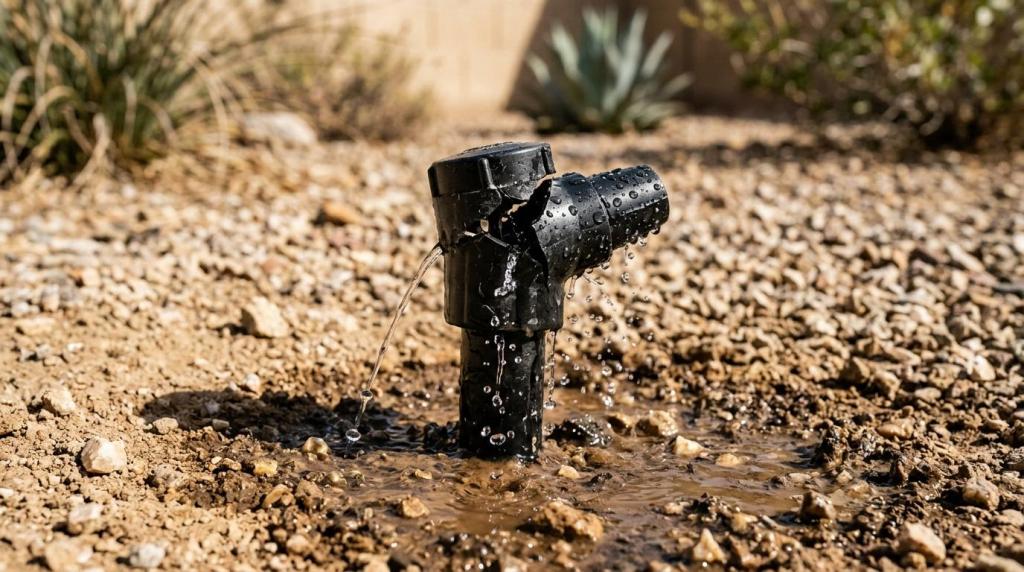
Pooling is often tied to a cracked pipe, leaking fitting, stuck valve, or broken sprinkler body. In Arizona yards with gravel, these leaks can go unnoticed longer because water drains below the surface before the problem becomes visible.

Low pressure or misting heads

When sprinkler heads mist instead of spraying properly, water is being lost to wind and evaporation. That can come from pressure problems, worn nozzles, leaks, or poor head selection for the area.

Zones that will not turn on or shut off

This usually points to electrical issues, valve failure, controller problems, or damaged solenoids. A zone that keeps running is not just annoying – it can waste a large amount of water quickly.

Sudden increase in water bills

If your watering schedule has not changed but your bill has, your irrigation system may be leaking underground or running inefficiently. This is one of the clearest signs that repair is needed even if the yard still looks mostly normal.

What causes irrigation systems to fail

No system lasts forever without service. Arizona conditions put extra stress on irrigation components because of heat, dry soil movement, mineral buildup, and long seasonal use.

Wear and tear on heads, valves, and lines

Sprinkler heads get hit by mowers, foot traffic, and regular use. Drip emitters clog over time. Valves can stick or stop opening correctly. Pipe fittings weaken, especially in older systems or repairs that were done with mismatched parts.

Soil shifting and root intrusion

As soil settles or tree roots expand, underground lines can crack, separate, or become pinched. This is common in both residential and commercial landscapes, especially in areas with mature planting.

Poor system design or outdated components

Some irrigation problems are not caused by one broken part. They come from a layout that was never right for the landscape. Too many heads on one zone, poor spray overlap, mixed plant watering needs, or an outdated timer can all create ongoing performance problems. In that case, repair may need to include adjustment, not just replacement.

What professional irrigation system repair should include

A real repair service should do more than swap a broken sprinkler head and leave. The goal is to find the source of the problem, restore proper performance, and reduce future water waste.

Full system inspection

A thorough inspection checks controllers, wiring, valves, pressure, heads, drip lines, emitters, and zone coverage. This matters because visible symptoms are not always tied to the first part that looks damaged.

Targeted repairs with the right parts

Good repair work means replacing failed components with parts that match the system and the landscape needs. A quick patch might hold for a short time, but it often leads to repeat issues. Reliable service focuses on repairs that last through Arizona heat and regular use.

Coverage and efficiency adjustments

Sometimes the fix is mechanical. Sometimes it is operational. A zone may need its run time adjusted, a nozzle changed, or spray direction corrected to keep water off sidewalks, pavers, and walls. Repair and optimization often go together.

Drip irrigation repair vs. sprinkler repair

Not every irrigation system fails in the same way. Drip systems and sprinkler systems each have their own trouble spots, and knowing the difference helps set the right repair plan.

Drip system repair

Drip irrigation is efficient, but it is sensitive to clogs, broken emitters, split tubing, and pressure problems. If plants are declining one by one, the issue may be isolated to a small section. If an entire bed is underperforming, the filter, pressure regulator, or valve may be the real cause.

Sprinkler system repair

Sprinkler systems are more likely to show visible symptoms like geysers, broken risers, tilted heads, overspray, or dead turf sections. Head spacing, nozzle type, and pressure all affect performance. A broken head is simple to replace, but if the area has repeated issues, the zone setup may need correction.

When repair is enough and when replacement makes more sense

It depends on the age of the system, the condition of the components, and how often problems are showing up. A newer system with one leak or failed valve is usually a straightforward repair. An older system with recurring leaks, poor layout, outdated controls, and uneven coverage may cost more in repeat service than a partial upgrade.

That does not always mean starting over. In many Arizona landscapes, the best approach is selective improvement. Replace damaged sections, upgrade the controller, correct problem zones, and keep the parts of the system that still perform well. That keeps costs practical while improving reliability.

Why fast repair protects more than your water bill

Water waste is the obvious concern, but it is not the only one. Irrigation leaks can stain hardscape, erode soil, weaken plant health, and create muddy or slippery areas around walkways and patios. On commercial properties, those issues affect both appearance and maintenance demands.

Delayed repair also makes landscaping harder to manage. Yard crews cannot solve irrigation problems with trimming or cleanup. If the root issue is poor watering, the landscape keeps declining no matter how often it is maintained.

Choosing a local Arizona contractor for irrigation system repair

You want a contractor who understands desert landscaping, mixed-material yards, and the way irrigation interacts with gravel, artificial grass borders, pavers, trees, and planting beds. Repair work should support the whole property, not just the pipe underground.

That is especially important when irrigation problems are connected to larger outdoor issues. A contractor with broader landscape and exterior experience can spot whether water is washing out gravel, affecting paver areas, damaging wall lines, or stressing trees and shrubs. Pro Natural Landscape approaches repair with that full-property mindset, which helps customers avoid patchwork fixes.

What to do if you suspect a problem now

Do not wait for a section of the yard to fully fail. If you notice runoff, dry spots, wet patches, weak pressure, or a timer that is not responding correctly, get the system checked. Catching the issue early usually means a simpler repair, lower water loss, and less damage to the surrounding landscape.

A dependable irrigation system should do one job well – deliver the right amount of water where it is needed without waste. When it stops doing that, the fix should be practical, prompt, and built to last in Arizona conditions. If your yard or property is showing signs of trouble, the right repair now can save water, protect your investment, and keep the entire outdoor space working the way it should.

Automatic Irrigation Installation That Works

A sprinkler system that runs too long in July can waste water fast. One that skips key zones can leave trees, grass, and plants stressed within days. That is why automatic irrigation installation matters so much in Arizona – it is not just about convenience, but about protecting your landscape, controlling water use, and keeping your property looking cared for without constant manual adjustment.

For homeowners, property managers, and commercial owners, the goal is simple. You want a system that waters the right areas, at the right time, with the right amount. You also want fewer headaches, lower waste, and a setup that fits your yard instead of forcing your yard to fit the system. When automatic irrigation is planned correctly, it supports healthier plants, cleaner curb appeal, and more predictable maintenance.

Why automatic irrigation installation matters in Arizona

Arizona landscapes deal with intense sun, dry air, hard soil conditions, and long stretches of heat. Watering by hand or relying on an outdated timer usually leads to uneven coverage. Some areas get too much water, which can damage roots and create runoff. Others get too little, which weakens plantings and makes the property look patchy or neglected.

An automatic irrigation installation gives you control that manual watering cannot match. Timers can be set around weather patterns, property use, and plant needs. Separate zones can handle turf, shrubs, trees, and decorative beds differently. That matters because desert-adapted plants do not need the same schedule as grass, and newer plantings often need more attention than mature ones.

There is also the issue of consistency. Busy schedules, travel, and staff turnover can all disrupt manual watering. An automatic system keeps the schedule in place and reduces the risk of missed watering days. For commercial properties, that consistency helps maintain a polished appearance without relying on constant intervention.

What a well-built system should include

Not every irrigation system is the same. A good setup starts with the property itself, not with a one-size-fits-all package. The layout, sun exposure, plant selection, soil conditions, and hardscape features all affect how the system should be designed.

Most automatic irrigation installation projects include valves, piping, controllers, emitters or sprinkler heads, and properly divided zones. The real difference is in how those parts are selected and installed. Spray heads may work for lawn sections, while drip irrigation is often the better option for shrubs, trees, and planting beds. Drip systems help direct water to the root zone and reduce evaporation, which is a major advantage in desert climates.

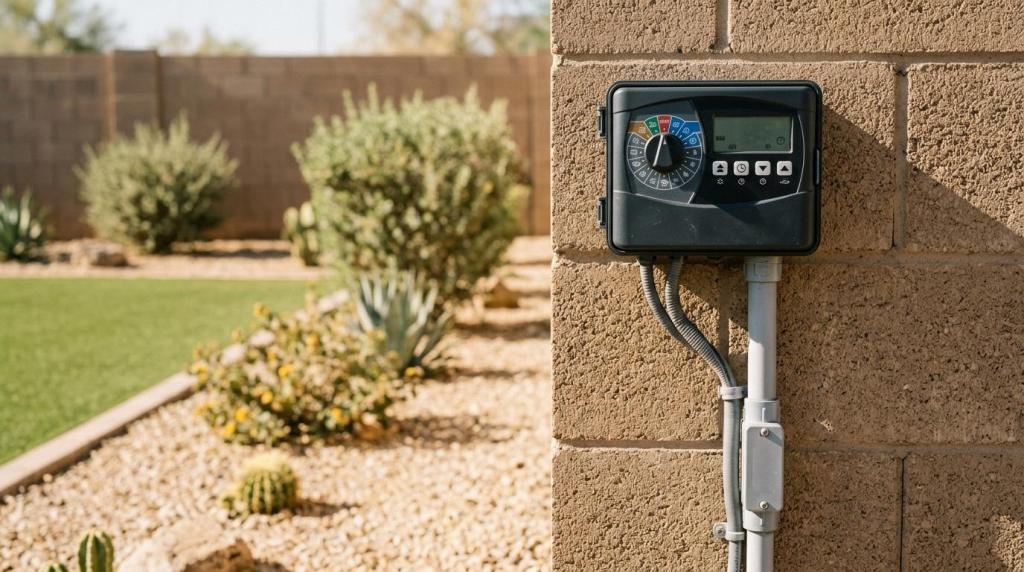
The controller also matters more than many property owners realize. A basic timer may be enough for a small, simple yard. Larger or more varied properties often benefit from smarter scheduling options that can be adjusted by zone and season. The right controller makes future changes easier and helps avoid the common problem of overwatering everything just to keep one trouble spot alive.

Planning the layout before installation starts

The best results come from careful planning. Before any trenching or equipment placement begins, the property should be evaluated as a complete outdoor system. Existing trees, new landscape design, artificial grass, paver areas, slopes, and drainage patterns all affect irrigation performance.

This is where many problems begin if the work is rushed. Heads placed too close to hardscape can create overspray on walkways and patios. Drip lines installed without enough thought can miss root zones or interfere with future maintenance. Poor zoning can force plants with very different water needs onto the same schedule. Those mistakes may not show up on day one, but they usually become obvious when water bills rise or plant health declines.

A practical installation plan accounts for both current needs and future growth. Trees get larger. Shrub masses fill in. Landscape beds change over time. Building a little flexibility into the system can save money later and make expansions or repairs easier.

Automatic irrigation installation for residential properties

Homeowners usually want three things from an irrigation system – reliability, efficiency, and less day-to-day work. A well-installed system should make the yard easier to maintain while supporting the overall look of the property.

For many Arizona homes, that means combining drip irrigation with targeted spray coverage where needed. Gravel beds, low-water plantings, artificial grass borders, and accent landscaping all require different approaches. A smart residential installation avoids waste while still keeping the yard healthy and visually clean.

It also helps protect the investment in the rest of the outdoor space. If you have new pavers, decorative rock, lighting, or fresh plantings, poor irrigation can undermine all of it. Runoff can stain surfaces, overspray can create maintenance issues, and underwatering can quickly make a new landscape look tired. A dependable system supports the full property, not just the plants.

Commercial automatic irrigation installation needs a different approach

Commercial properties often need a broader plan. Visibility, durability, and ease of management are usually bigger concerns than they are at a single-family home. A retail center, office property, HOA common area, or rental property cannot afford inconsistent appearance at the entrance, along walkways, or around signage.

In these settings, automatic irrigation installation should be built for dependability under regular use. The layout needs to consider foot traffic, vandalism risk, maintenance access, and broad coverage without waste. It also needs to support faster troubleshooting, because downtime on a commercial system can affect appearance and tenant satisfaction quickly.

For property managers, the right installation reduces service calls and ongoing guesswork. Instead of adjusting watering manually from week to week, you have a structured system that can be managed more efficiently. That is especially valuable when one team is overseeing multiple properties.

Common problems a new system can prevent

Many people call for irrigation help after they have already seen signs of trouble. Dry spots, standing water, plant decline, broken heads, leaking lines, and rising water bills are all common. In some cases, the issue is simply age. In others, the original system was never designed correctly.

A new automatic irrigation installation can fix problems that patchwork repairs keep missing. If zones are wrong, controller settings are outdated, or the property has changed over time, repairing one head or one valve at a time will not solve the bigger issue. A redesigned system can improve coverage, reduce runoff, and match the current landscape instead of an old layout that no longer fits.

That does not mean every property needs a full replacement. Sometimes upgrades to controls, zoning, or drip conversion are enough. It depends on the condition of the system, the size of the property, and what you want the landscape to do moving forward.

What to expect during installation

A professional installation should be organized, not disruptive for the sake of being disruptive. The process usually starts with a site review, followed by system design, material planning, and installation scheduling. From there, trenching, line placement, valve setup, head or emitter installation, controller programming, and testing are completed in sequence.

Testing is where quality shows up. Each zone should be checked for pressure, coverage, leaks, and timing. Adjustments should be made on site, not left for later after waste or damage appears. If the system includes drip irrigation, flow and placement need to be verified carefully, since even small mistakes can affect plant health over time.

Cleanup matters too. On a residential project, that means restoring the yard as cleanly as possible. On a commercial project, it means keeping the site functional and presentable throughout the work. A contractor that handles outdoor improvements every day understands that installation is only part of the job. The finished result has to look professional when the work is done.

Choosing the right contractor for automatic irrigation installation

The cheapest bid is not always the most affordable outcome. Irrigation mistakes can lead to wasted water, dead plants, stained hardscapes, and repeat service calls. A better approach is to work with a contractor that understands Arizona conditions and can coordinate irrigation with the rest of your landscape.

That matters even more if your property includes hardscaping, gravel, artificial grass, lighting, grading, or renovation work. Irrigation should not be treated as a separate afterthought. It needs to fit the full outdoor plan. A company like Pro Natural Landscape can approach the project with that wider view, which helps avoid conflicts between watering, drainage, design, and long-term maintenance.

When you are comparing providers, look for practical expertise, clear communication, and a service range that matches your property. You want a team that can install the system correctly, explain how it works, and make updates when the yard changes.

A good irrigation system should quietly do its job in the background while your property keeps looking sharp. If your current setup wastes water, misses areas, or creates more work than it saves, it may be time to put in a system built for the way Arizona landscapes actually perform.

Travertine Paver Installation in El Mirage, AZ

A well-built travertine pavers surface can change the way an outdoor space looks, feels, and functions. In El Mirage, where heat, sun, and sudden monsoon runoff all shape exterior materials, travertine pavers offer a strong mix of natural beauty, comfort, and durability when they are installed the right way.

For homeowners, property managers, and business owners, the key is not only choosing attractive stone. It is choosing an installation method that fits Arizona soil conditions, daily temperature swings, and long-term drainage needs.

El Mirage travertine paver installation for patios, walkways, and pool areas

Travertine is a natural stone that fits desert properties especially well. Its lighter tones complement Southwestern architecture, modern backyard layouts, and clean commercial entries. It also stays more comfortable underfoot than many darker hardscape materials, which matters during long El Mirage summers.

When used in patios, pool decks, walkways, courtyards, and outdoor living areas, travertine creates a finished look that feels refined without looking overly formal. It works equally well with gravel landscapes, artificial turf, low-water planting plans, and custom hardscape features like benches, fire pits, and seat walls.

Many properties benefit from travertine in areas like these:

  • Backyard patios
  • Pool decks
  • Garden paths
  • Front entry walkways
  • Outdoor dining areas
  • Courtyard gathering spaces

Why travertine performs well in the El Mirage climate

El Mirage brings a demanding set of conditions. Summer temperatures are intense, UV exposure is constant, and the ground can shift if drainage and base preparation are ignored. Travertine is a smart material for this setting, but performance depends heavily on product selection and proper installation.

Dense, outdoor-rated travertine pavers are a strong fit because they provide a naturally elegant surface while handling heat better than many manufactured alternatives. Lighter finishes help reduce surface temperature, and textured finishes improve traction around pools or after rain.

A good installation also accounts for movement. Desert hardscapes expand and contract with daily temperature changes, so joint spacing, edge restraint, and joint sand selection all matter.

The travertine paver installation process in El Mirage, AZ

A lasting result starts below the stone. In this region, many failures happen because the visible pavers look great on day one, but the hidden base was rushed. Caliche, clay, and variable alluvial soils require serious preparation.

The process usually begins with excavation, removal of loose top material, and grading for positive drainage away from the home or structure. The subgrade should be shaped carefully, often with a gentle slope, so water does not collect under the finished surface or run back toward the building.

Next comes the compacted aggregate base. In desert conditions, this layer is critical. The base should be installed in controlled lifts and compacted thoroughly to create a stable platform. In areas where soil movement or fines migration is a concern, separation fabric may be used between native soil and base materials.

Over that prepared base, a bedding layer of coarse washed sand is screeded smooth. The travertine pavers are then laid in the chosen pattern, checked for spacing and alignment, and secured with durable edge restraints. Once the field is set, joint sand is worked into the gaps and the surface is compacted and finished according to the product requirements.

Installation Stage Why It Matters in El Mirage
Excavation and grading Helps prevent drainage issues and standing water
Base compaction Reduces settling, shifting, and uneven surfaces
Bedding sand placement Creates a level setting bed for the stone
Travertine layout Keeps joints consistent and the pattern clean
Edge restraint installation Helps hold the paver field in place during heat cycles
Joint sand finishing Supports flexibility and surface stability

What sets quality travertine paver installation apart

Not all travertine projects are built to the same standard. The stone itself matters, but the real difference is often in the preparation, layout discipline, and finishing details.

A quality-focused crew will pay close attention to grades, cuts, joint spacing, transitions, and edge stability. They will also consider how the finished surface connects to surrounding landscaping, irrigation, walls, turf, gravel, or concrete features.

Strong installation practices usually include the following:

  • Subgrade preparation: Removal of unstable material and correction of low spots before base work starts
  • Drainage planning: Surface slope that directs water away from structures and use areas
  • Base construction: Compacted aggregate installed in lifts for strength and long-term support
  • Material selection: Outdoor-rated travertine with the right thickness for the application
  • Edge restraint: Secure borders that limit movement over time
  • Joint finishing: Sand selected for desert conditions and seasonal movement

These details may not be obvious from a distance, yet they are what protect the finished surface year after year.

Travertine design options for Arizona outdoor spaces

Travertine can support a wide range of design styles. Some properties need a clean, understated layout with rectangular pavers and straight borders. Others call for a more decorative arrangement with mixed sizes, pattern shifts, accent bands, or integration with planters and seating features.

In El Mirage, lighter shades are often preferred because they pair well with the desert palette and help reduce heat absorption. Tumbled or honed finishes are also popular because they offer a softer appearance and practical traction.

Design choices often include pattern, color, border treatment, and how the pavers connect with the rest of the property. A thoughtful plan can make a compact yard feel larger or help a commercial frontage feel more polished and inviting.

Residential and commercial travertine paver services in El Mirage

Travertine is not limited to backyards. It can also be an excellent option for commercial courtyards, office entries, hospitality spaces, and multi-family properties where appearance and durability both matter.

For residential clients, common priorities include comfort, curb appeal, entertainment space, and poolside safety. For commercial and managed properties, the focus often shifts toward traffic flow, easier upkeep, and a polished first impression.

Projects may be built around features like these:

  • Patio expansions: More usable space for outdoor seating and gatherings
  • Pool deck upgrades: Cooler, attractive surfaces with better traction
  • Entry walkways: Natural stone paths that strengthen curb appeal
  • Shared outdoor areas: Hardscape surfaces for apartments, offices, or community spaces

Maintenance for travertine pavers in El Mirage weather

Travertine is durable, though it does best with routine care. Dust, windblown debris, intense sun, and seasonal rain all affect the surface over time. Regular sweeping and occasional rinsing help keep the pavers clean and reduce buildup.

Sealing is another important part of maintenance in Arizona. A breathable penetrating sealer can help protect the stone from staining, moisture intrusion, and weathering while still allowing the material to breathe. Resealing intervals depend on sun exposure and use, though exterior travertine in this climate often needs more frequent attention than stone in milder regions.

After monsoon season, it is smart to inspect the area for joint sand loss, minor settling, or isolated movement along edges. Addressing small issues early helps preserve the appearance and structural integrity of the whole surface.

Working with a local El Mirage travertine paver contractor

Local experience matters with stone installation in Arizona. Soil conditions, drainage behavior, and heat exposure all influence how a paver system should be built. A contractor familiar with El Mirage projects can better plan for grading, edge restraint, material choice, and long-term performance.

Pro Natural Landscape LLC provides travertine paver installation as part of its full-service outdoor work for residential and commercial properties. As a family-owned company with more than a decade of experience in the area, the focus is on quality craftsmanship, clear communication, and practical solutions suited to local conditions.

Clients often look for more than installation alone. They may want help tying travertine into landscape design, lighting, irrigation updates, gravel, turf, walls, or paver renovation work nearby. A full-service approach can make the finished project feel more cohesive and save time during planning.

Free estimates are available, and financing options through Hearth can help make larger outdoor upgrades more manageable for property owners who want to move forward with a strong plan and realistic budget.

Planning your travertine paver project in El Mirage

Before installation begins, it is wise to consider how the space will be used across the year. A patio for quiet evenings may call for a different layout than a pool deck built for weekend gatherings. The same goes for commercial spaces, where traffic patterns and maintenance expectations shape the design.

Permits or approvals may also apply in some cases, especially when drainage patterns, walls, or larger site changes are involved. A careful review of layout, grading, and local requirements helps keep the project moving in the right direction from the start.

A well-executed travertine surface does more than improve appearance. It gives outdoor space structure, comfort, and lasting value in a climate that demands real durability.

Efficient Irrigation Systems for Arizona Yards

A lawn that looks stressed by Tuesday, puddles near the valves, and a water bill that keeps climbing – those are usually signs your property is not getting the right kind of watering. Efficient irrigation systems are not just about using less water. In Arizona, they are about putting water exactly where it helps, avoiding waste, and keeping your landscape healthy through extreme heat.

For homeowners, property managers, and commercial owners, irrigation is one of those systems that only gets attention when something goes wrong. But a poor setup can quietly cost you every month. It can damage plant material, create muddy areas, stain hardscapes, and make the whole property look harder to maintain than it should. A better system fixes more than one problem at a time.

What efficient irrigation systems actually do

The biggest mistake people make is thinking efficiency means watering less across the board. That is only part of it. A good system matches the watering method to the landscape. Gravel beds, shrubs, trees, seasonal plants, turf areas, and artificial grass borders all need different planning.

Efficient irrigation systems reduce overspray, runoff, and uneven coverage. They also make maintenance easier because the layout is more intentional. Instead of flooding one area and starving another, the system is designed by zone, flow rate, sun exposure, and plant type.

That matters even more in Arizona, where heat, soil conditions, and long dry periods expose every weakness in an irrigation layout. If your system is outdated or poorly adjusted, the landscape shows it fast.

Why Arizona properties need a different approach

In a desert climate, watering habits that work in milder regions can waste a lot of water here. Midday irrigation often leads to excessive evaporation. Spray heads placed too close to hardscape can hit sidewalks, pavers, or walls instead of root zones. Sloped areas can create runoff before the soil absorbs anything.

Arizona properties also tend to mix several landscape elements in one space. A front yard might have decorative gravel, a few trees, low-water shrubs, and accent lighting around paver walkways. A commercial site may have narrow planting strips, open common areas, and high-visibility entrance beds. That kind of layout needs more than a one-size-fits-all sprinkler plan.

The right irrigation design takes the whole property into account. It should work with the grading, the hardscape, the plant selection, and how the space is used year-round. When all of those pieces line up, the yard looks cleaner, healthier, and easier to manage.

The best components for efficient irrigation systems

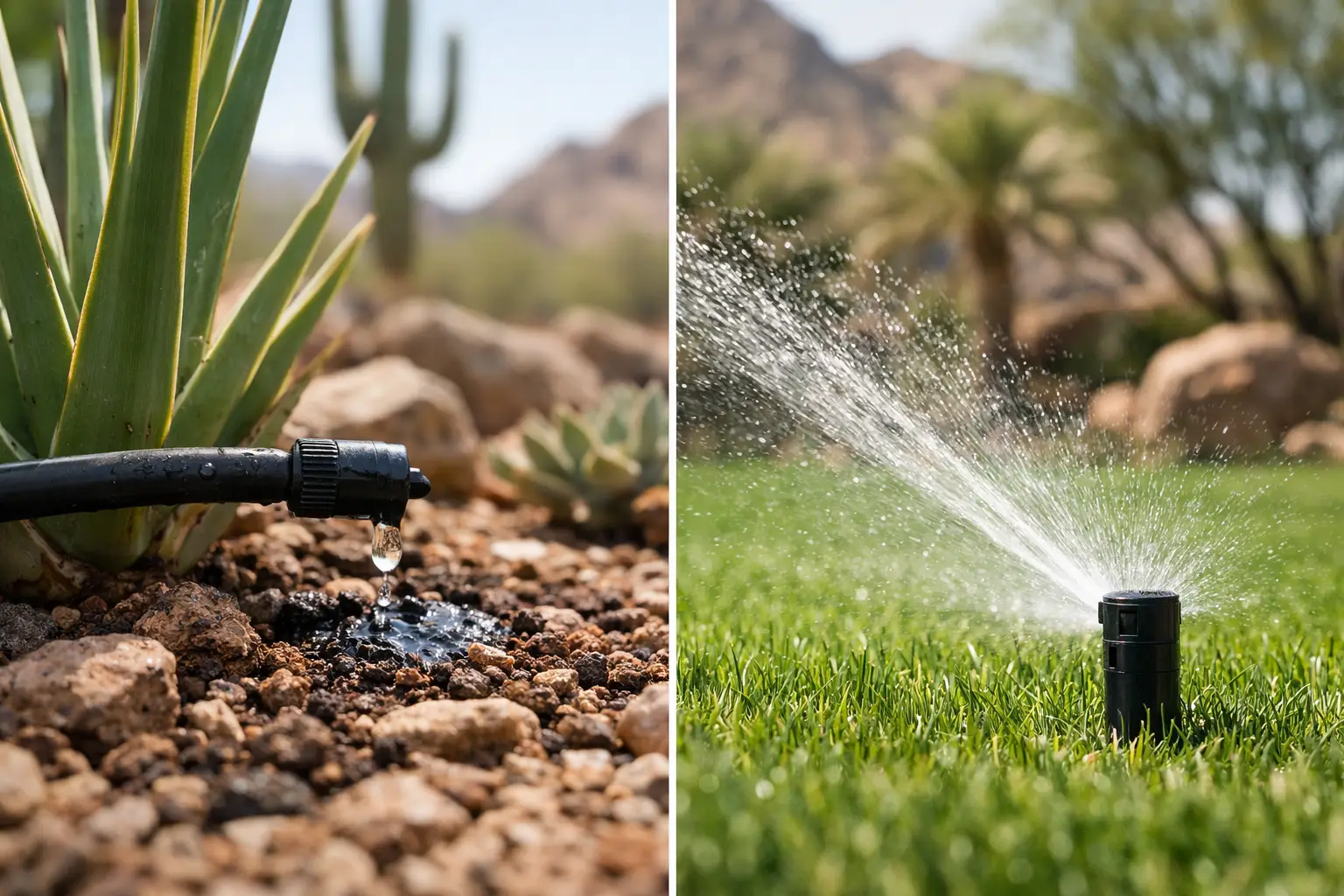
Drip irrigation is usually one of the smartest options for Arizona landscapes. It delivers water close to the root zone instead of throwing it into the air. For shrubs, trees, flower beds, and many desert-adapted plantings, drip lines and emitters are often far more efficient than traditional spray irrigation.

That does not mean spray heads are always wrong. Turf areas may still need them, but they need to be selected and spaced correctly. The key is using the right head type, pressure, and arc pattern for the area. When spray systems mist too much or overlap poorly, water is wasted fast.

Smart controllers also make a real difference. A timer that adjusts watering schedules based on season and conditions is better than a basic setup that runs the same pattern all year. In Arizona, summer and winter needs are not even close. A controller that can be updated properly helps prevent overwatering during cooler months and under-watering when temperatures climb.

Pressure regulation, check valves, and properly zoned lines matter too. These are not flashy upgrades, but they affect performance every day. If the pressure is too high, emitters and heads do not work the way they should. If zones mix plants with very different water needs, efficiency drops right away.

Signs your current system is wasting water

Some problems are obvious, and some are easy to miss. Dry patches and soggy spots in the same yard usually point to distribution issues. Water running into the street, mist floating off spray heads, or plants declining even though the timer runs regularly are also red flags.

You may also notice cracked soil near some plants and fungus or yellowing near others. That often means your system is not watering evenly. Another common issue is coverage that hits block walls, driveways, or decorative rock more than the actual root zones.

If you manage a commercial property, irrigation problems often show up first as appearance issues. Dead spots, weed growth from overspray, stained pavement, and inconsistent plant health can make the whole site look neglected. That affects curb appeal and creates more maintenance work than necessary.

Design matters more than adding extra water

When a landscape struggles, many people respond by increasing run times. Sometimes that helps temporarily, but it often makes the underlying problem worse. If the wrong area is being watered, more time just means more waste.

A better approach is to look at layout and function. Are the zones grouped correctly? Are the emitters placed where the roots can benefit? Are spray heads blocked by plants, hardscape edges, or elevation changes? Is runoff happening because water is applied too fast for the soil to absorb it?

Efficient irrigation systems solve those issues through planning, not guesswork. That is why system upgrades often produce better landscape results without increasing water use. In many cases, they lower it.

Irrigation and low-maintenance landscaping work together

A lot of Arizona property owners want a yard that looks finished without constant upkeep. Irrigation plays a big part in that. Even drought-tolerant landscapes need proper watering during establishment and through seasonal heat. Low-water design does not mean no-water design.

This is where a full outdoor plan helps. If you combine smart irrigation with gravel installation, well-placed plants, durable hardscape, and clean grading, the property becomes easier to maintain as a whole. You are not just fixing a watering issue. You are improving how the yard functions.

For example, a property with pavers, artificial grass, and desert plantings should not be watered like a traditional lawn. Each area needs its own strategy. A more efficient setup protects the look of the space while keeping maintenance and utility costs more predictable.

Maintenance keeps efficient irrigation systems efficient

Even a well-built system needs regular attention. Emitters clog. Heads shift. Lines can leak. Controllers may be programmed correctly in spring and forgotten by fall. Small issues add up, especially during peak summer heat.

Routine inspection helps catch problems before they turn into landscape damage. That includes checking for broken heads, clogged drip emitters, valve problems, pressure issues, and zones that are running too long or too often. Seasonal adjustments are just as important. Arizona watering schedules should change with weather patterns, daylight hours, and plant growth.

This is one area where professional service saves time. A system may appear to be working because water comes on when scheduled, but that does not mean it is working efficiently. A trained eye can spot waste, imbalance, and coverage problems that are easy to overlook.

When to repair and when to replace

Not every system needs a full replacement. Sometimes a repair, a controller upgrade, or better zoning is enough to improve performance. If the core layout is solid, targeted changes can make a noticeable difference.

But if the property has aging components, repeated leaks, poor coverage, or a layout that does not match the current landscape, replacement may be the better investment. That is especially true when the yard has changed over time. New trees, added hardscape, gravel conversion, or artificial turf installation can all make an old irrigation plan less effective.

A practical recommendation should be based on the property, not a blanket answer. Some yards need a few corrections. Others need a redesign that matches the way the space is actually being used now.

Choosing the right help for irrigation work

In Arizona, irrigation should not be treated as a standalone issue when it affects the entire landscape. It helps to work with a contractor that understands planting, drainage, grading, hardscape, and maintenance together. That kind of experience leads to better results because the system is being planned in context.

Pro Natural Landscape works with Arizona property owners who need real solutions, not temporary fixes. When irrigation is designed or repaired with the full yard in mind, the outcome is cleaner, more dependable, and easier to maintain long term.

If your landscape is getting too much water in one spot and not enough in another, the answer is usually not more watering. It is a smarter system that fits the property, respects the climate, and does the job right every time it runs.

Paver and Tile Services That Last in Arizona

A cracked walkway, faded pool deck, or loose outdoor tile does more than make a property look tired. It creates safety issues, hurts curb appeal, and turns a usable outdoor area into a problem spot. That is why professional paver and tile services matter in Arizona, where sun, dust, drainage, and temperature swings can wear down exterior surfaces faster than many property owners expect.

For homeowners, the goal is usually a yard that looks clean, finished, and easy to maintain. For commercial properties, it is about presenting a polished exterior while avoiding trip hazards and ongoing repairs. In both cases, the right hardscape work needs to look good and hold up under real use.

What paver and tile services include

Paver and tile services can cover much more than a basic installation. Depending on the property, the work may involve new patios, walkways, drive paths, pool surrounds, courtyards, outdoor living areas, entry features, decorative accents, and repair or renovation of older surfaces.

Pavers are often the better fit when you need strength, flexibility, and a surface that can handle regular foot traffic or vehicle use. They are commonly used for patios, pathways, driveways, and border work because they create a clean, finished look while standing up well to Arizona weather. If one section becomes damaged, targeted repairs are often possible without tearing out the entire area.

Tile is usually chosen for its finish, style, and detail. It can work well on covered patios, outdoor feature areas, steps, walls, and some poolside or entry applications when the correct material is selected. The key is choosing tile rated for exterior conditions and installing it with proper prep work, setting materials, and drainage planning.

A dependable contractor should also be able to handle associated work such as grading, edge restraint, demolition, base preparation, sealing, renovation, and surface cleanup. That matters because the finished appearance depends just as much on what is underneath as what you see on top.

Why Arizona properties need a different approach

Arizona is hard on outdoor surfaces. Heat, UV exposure, dust, monsoon runoff, and expanding or shifting soil all affect the lifespan of hardscape installations. A surface that looks fine right after installation can fail early if the base is weak, the slope is wrong, or the materials were not chosen for desert conditions.

This is where experience matters. Good paver and tile services are not just about laying materials in a pattern. They are about building a surface that handles runoff, resists movement, and stays usable through long summers and heavy seasonal weather.

For example, a beautiful patio can still become a headache if water collects near the home or if the joints begin to shift after a monsoon. A tile surface can become slick, loose, or cracked if the wrong product was used outdoors. The trade-off is simple. Lower upfront pricing may look attractive, but shortcuts in prep work often lead to faster repairs and higher costs later.

Choosing pavers or tile for your space

The right material depends on how the area will be used. If the project involves a driveway, heavily used walkway, or open patio with direct exposure, pavers are often the practical choice. They offer durability, design flexibility, and easier repair options over time.

If the project is more decorative or focused on a finished architectural look, tile may be the better fit. It can bring a cleaner visual style to outdoor kitchens, accent walls, stair risers, covered patios, or feature zones. Still, not every tile is meant for every outdoor surface. Slip resistance, heat retention, water exposure, and maintenance all need to be considered before installation.

Travertine is one option many Arizona property owners consider because it stays cooler underfoot than some other hardscape materials and works well around pools and patios. Standard concrete pavers remain a popular choice because they are cost-effective, versatile, and available in a wide range of colors and patterns.

There is no one-size-fits-all answer. A family backyard, rental property, storefront, and HOA common area all have different priorities. Some clients want the lowest maintenance option. Others care most about resale value, visual impact, or matching existing features.

What separates quality installation from quick work

The biggest difference between a hardscape that lasts and one that starts failing early is the installation process. Surface materials get most of the attention, but base preparation is where the real performance comes from.

Proper excavation, compaction, grading, and drainage planning are essential. Without that foundation, pavers can settle unevenly and tile can crack or loosen. Edge restraints, joint stabilization, and clean transitions to surrounding surfaces also matter more than many people realize.

In Arizona, dust control and cleanup are part of professional execution too. A contractor should leave the site orderly, remove debris, and complete the job in a way that protects nearby landscape features. That is especially important when hardscape work is happening alongside irrigation, gravel, artificial grass, or other exterior improvements.

A full-service company has an advantage here. When one team can coordinate grading, pavers, tile, repair work, cleanup, and finishing touches, the final result is usually more consistent. It also saves property owners from trying to manage multiple crews with different schedules and priorities.

Repair, renovation, and sealing matter too

Not every property needs a full replacement. In many cases, existing pavers can be lifted, reset, cleaned, re-leveled, or sealed. Older tile areas may need selective replacement, grout repair, or surface updates rather than complete demolition.

This is often the smart move when the underlying structure is still sound but the finish has become worn, stained, or uneven. Renovation can improve safety and appearance while controlling costs. It can also be a practical choice for rental homes, commercial properties, and outdoor areas that need a visible improvement without a full redesign.

Sealing is another service worth considering, especially for pavers and natural stone exposed to heavy sun and regular use. It can help with stain resistance, color retention, and easier maintenance, though it is not a cure-all. Some surfaces benefit more than others, and the right sealer depends on the material and location.

When paver and tile services add the most value

The value of hardscape work is not limited to appearance. A properly planned installation improves how a space functions every day. That can mean creating a stable path from the driveway to the front door, making a backyard easier to entertain in, replacing a dust-heavy area with a clean usable surface, or upgrading a commercial exterior so it looks more professional and easier to maintain.

For Arizona homes, hardscaping often works best when it is part of a bigger outdoor plan. Pavers may connect with artificial grass, gravel sections, lighting, irrigation adjustments, or tree removal to make the full yard more usable. On commercial sites, tile and paver work may support safer walkways, lower maintenance needs, and a stronger first impression for tenants, customers, or visitors.

That is why many clients prefer working with a contractor that can handle more than one piece of the job. If the same company can address surface materials, site prep, repairs, and related landscaping work, the process is simpler and the end result usually feels more complete.

Working with the right contractor in Arizona

When comparing contractors, the cheapest bid rarely tells the full story. Ask what is included, how the base will be prepared, whether drainage and grading are part of the plan, and what materials are recommended for the specific area. A reliable company should be able to explain the work clearly, recommend practical options, and keep the project focused on long-term performance instead of short-term appearance.

This is where a local Arizona contractor makes a real difference. Conditions here are different, and the best solutions are shaped by that reality. Pro Natural Landscape works with residential and commercial properties that need outdoor surfaces built for heat, wear, and daily use, not just installed to look good for a few months.

If your patio, walkway, entry, or poolside area is worn out, uneven, or simply not working the way it should, the right fix may be easier than you think. A well-built hardscape gives your property a cleaner finish, better function, and one less thing to worry about when the Arizona weather does what it always does.

Tree Removal & Stump Grinding in El Mirage, AZ

Old stumps do more than take up space. In El Mirage yards, they can interfere with irrigation, attract pests, limit new planting, and leave a landscape looking unfinished long after a tree has been cut down. Professional stump grinding clears that obstacle safely and gives the area a clean reset for whatever comes next.

For homeowners, property managers, and businesses, this service is often the fastest way to reclaim usable ground without turning the yard into a major excavation project.

Stump grinding services in El Mirage, AZ for safer, cleaner landscapes

Stump grinding is the process of mechanically reducing a stump below ground level so the visible base is gone and the area can be restored. It is a practical solution when a stump is creating a tripping hazard, blocking a future landscape feature, or simply making the property harder to maintain.

In El Mirage, stump work should be approached with care. Desert landscapes often include gravel, irrigation lines, hardscape edges, block walls, and nearby plantings that need protection during the job. A professional crew can assess access, identify nearby utilities or irrigation components, and select the right equipment for the size and position of the stump.

Pro Natural Landscape LLC provides stump grinding and stump removal as part of a full outdoor service offering. That matters when the work does not stop at the stump. After grinding, the area may need grading, gravel replacement, irrigation repair, fresh planting, or a more complete yard update.

Common reasons to schedule stump grinding in El Mirage

A leftover stump may seem harmless at first, but it often becomes a problem over time. Once the tree is gone, the stump stays in the way of mowing, edging, foot traffic, and future improvements.

Property owners often call for stump grinding when they notice issues like these:

  • Trip hazards
  • Pest activity
  • Sprouting around the base
  • Blocked planting space
  • Difficult mowing and maintenance

Some situations call for faster action than others:

  • After tree removal: finish the job so the area is usable again
  • Before new landscaping: clear room for gravel, turf, shrubs, or pavers
  • Near walkways or driveways: reduce obstacles and awkward edges
  • On commercial sites: keep outdoor areas neat, accessible, and easier to maintain

Tree removal and stump grinding as one coordinated service

When a tree is dead, diseased, storm-damaged, or growing too close to structures, removal and stump grinding are often best handled together. Coordinating both services saves time and prevents the property from being left with a rough, incomplete look.

A careful process starts with an on-site assessment. The crew reviews the tree’s condition, the surrounding space, access for equipment, and any nearby structures or landscape features. Large or hazardous trees may need to be removed in sections to protect the property and reduce disruption.

Once the tree is down, the stump can be ground below grade so the remaining area can be restored. Debris removal is part of the value here as well. Branches, logs, and grindings should not be left scattered across the yard unless the property owner wants chips retained for another use.

That coordinated approach is especially useful in El Mirage properties where outdoor areas often combine decorative rock, desert-adapted planting, lighting, irrigation, walls, and paved surfaces in a compact layout.

What the stump grinding process usually includes

A professional stump grinding visit should feel organized from the start. The work is not just about running a machine over wood. It includes planning, protection, cleanup, and site restoration.

A typical service flow includes:

  • Site review: identify stump size, root flare, access, and nearby obstacles
  • Safety setup: protect the work zone and control debris during grinding
  • Grinding below grade: reduce the stump to a depth suitable for restoration
  • Cleanup: remove debris or leave grindings based on the project plan
  • Finish options: backfill, regrade, add gravel, or prepare for planting

In many cases, grinding is the most efficient option because it removes the visible stump without the larger disruption that can come with full extraction. That can be a smart fit for residential yards, HOA-managed areas, and commercial properties where preserving the surrounding surface matters.

Stump grinding vs. full stump removal

Both services have value, and the right choice depends on your plans for the space.

Service Best For Main Benefit Considerations
Stump Grinding Most residential and commercial landscapes Faster, less invasive, clears the visible stump Some root material remains below ground
Full Stump Removal Areas needing deeper excavation or major reconstruction Removes stump and root mass more completely More digging, more site disruption, often higher cost

If the goal is to plant new shrubs, refresh gravel, install artificial turf, or restore a general landscape bed, stump grinding is often enough. If the area is being rebuilt for structural work or deeper excavation, full removal may make more sense.

An on-site estimate helps determine the best fit.

Why local experience matters for stump grinding in El Mirage

El Mirage landscapes are shaped by heat, drought, compacted soil, and practical water use. Stump grinding in this setting is not the same as working in a yard with thick turf and deep organic soil. The property may have decomposed granite, desert shrubs, timer-controlled irrigation, paver borders, or narrow side-yard access that changes how the job should be done.

Local experience helps with details that are easy to miss:

  • Protecting nearby irrigation and valve boxes
  • Limiting damage around gravel and decorative stone
  • Working around block walls, patios, and driveways
  • Recommending drought-tolerant replacements after tree removal

This is where a full-service landscape company can offer real efficiency. If stump grinding is just one step in a bigger outdoor project, it helps to work with a team that can also handle grading, gravel installation, irrigation adjustments, planting, hardscape improvements, and site cleanup.

Residential and commercial stump grinding solutions

Residential clients often want to reclaim yard space quickly. A front yard stump may be ruining curb appeal. A backyard stump may sit right where a future seating area, turf section, or shade planting is planned. Grinding the stump opens those options back up.

Commercial properties have a different set of priorities. Appearance, pedestrian safety, and maintenance efficiency are often at the top of the list. A stump near an entry, parking area, or walkway can create an obvious hazard and leave a poor impression. Prompt service helps keep the property looking managed and professional.

Pro Natural Landscape LLC serves both residential and commercial clients in El Mirage and nearby Arizona communities, with free estimates and financing options available through Hearth for qualifying projects.

What to expect from a professional stump grinding company

Property owners should expect clear communication, careful work, and a clean site once the job is done. Those basics matter just as much as the grinding itself.

Look for service features like these:

  • Straightforward estimates
  • Trained crews with proper equipment
  • Attention to safety and local requirements
  • Thorough debris cleanup
  • Options for landscape restoration after the stump is gone

Experience also matters when the stump is tied to a larger tree issue. If the tree still needs to be removed, the work should be planned with safety first, especially around structures, fencing, utilities, and neighboring landscape features.

Landscape restoration after stump grinding in El Mirage

Once the stump is gone, the area can become something useful again. That is often the most satisfying part of the process.

The cleared space can be finished with fresh gravel, new desert-friendly shrubs, irrigation updates, pavers, or artificial grass, depending on the layout of the property. Some owners choose a simple backfill and rake-out. Others use the opening as the starting point for a broader landscape upgrade.

Because Pro Natural Landscape LLC offers tree work, grading, irrigation, gravel installation, pavers, lighting, fencing, and general landscape improvements, stump grinding can fit into a larger plan without the need to coordinate multiple contractors.

If a stump is taking up space, creating risk, or keeping your yard from moving forward, a local on-site estimate is the right next step. A well-planned stump grinding service can clear the problem, protect the surrounding landscape, and make room for a cleaner, more functional outdoor space.

Paver Installation Cost in Arizona

A paver patio, walkway, or driveway can make a big difference fast – but the first question most property owners ask is simple: what is the paver installation cost? In Arizona, the answer depends on more than square footage. Material choice, site conditions, design complexity, drainage needs, and the quality of the base all affect the final number.

If you are comparing quotes, it helps to know what you are actually paying for. A lower bid may leave out excavation, edge restraints, compaction, sealing, or cleanup. A complete installation costs more upfront, but it usually performs better in the long run, especially in Arizona heat.

What affects paver installation cost?

The biggest cost factor is the size of the area, but that is only the starting point. A simple rectangular patio on level ground is more straightforward than a winding walkway, a sloped backyard, or a driveway that needs a stronger base.

Material also matters. Standard concrete pavers are usually more budget-friendly than premium finishes, larger format styles, or natural stone options like travertine. If you want a custom pattern, multiple colors, borders, inlays, or tighter cuts around curves, labor time goes up with it.

Site preparation is another major variable. If an area has old concrete, weeds, poor grading, roots, irrigation conflicts, or unstable soil, more work is needed before the first paver is placed. In Arizona, proper prep is not optional. A clean-looking surface can still fail if the foundation underneath is weak.

Typical paver installation cost by project type

For many Arizona properties, patios and walkways are the most common starting point. These projects usually cost less per square foot than driveways because they do not carry vehicle weight. They still need excavation, base material, bedding sand, compaction, and edge support, but the structural demand is lower.

Driveways are different. They require a stronger base and more careful compaction to handle daily traffic. That added labor and material typically puts driveway pricing above a backyard sitting area or garden path.

Commercial paver work can vary even more. A small entrance walkway may be straightforward, while a large plaza, shared access point, or high-traffic courtyard may need engineering considerations, drainage planning, and a more demanding schedule. Property managers often need pricing that accounts for durability, appearance, and minimal disruption.

In general, homeowners and commercial owners should expect paver installation cost to rise when the project moves from decorative use to load-bearing use.

Material choices and how they change the price

Concrete pavers are a practical choice for many homes and businesses. They offer a wide range of colors, shapes, and finishes, and they tend to balance appearance and affordability well. For many projects, they are the most cost-effective way to get a clean, durable hardscape.

Travertine is often chosen for pool decks and upscale patios because it stays cooler underfoot and has a high-end look. It usually comes at a higher material cost than standard concrete pavers, and installation can require more care depending on the layout and cuts.

Thicker pavers designed for driveways or heavy-use areas may also cost more than thinner units intended for pedestrian spaces. That does not mean the most expensive material is always the best option. The right choice depends on where the pavers are going, how the space will be used, and how much maintenance you want over time.

Why prep work matters more than many people realize

A paver surface is only as strong as the base under it. This is where quality contractors separate themselves from rushed installs. Proper excavation depth, compacted base material, bedding sand, and edge restraints help prevent shifting, low spots, and uneven surfaces later.

In Arizona, soil conditions and drainage can create challenges if the area is not prepared correctly. Even though the region is dry, sudden storms can move water quickly. If runoff is not managed, pavers can settle unevenly or wash out at the edges.

That is why one quote can be much lower than another. Some bids focus only on placing pavers, while others include the full process needed for long-term performance. When you compare pricing, ask exactly what is included below the surface, not just on top of it.

Design choices that increase labor cost

Straight runs and open layouts are usually the most efficient to install. Once a design includes curves, steps, decorative borders, multiple elevation changes, or built-in transitions to turf, gravel, or planter areas, labor becomes more detailed.

Cutting around posts, drains, irrigation components, and tight corners also adds time. So does matching an existing hardscape or blending new pavers into an older section of the yard.

These upgrades can absolutely be worth it. A more customized layout often improves curb appeal and usability. The key is understanding that design detail affects labor just as much as material selection. If your quote includes premium visual features, that is part of the reason the price is higher.

Hidden costs people forget to ask about

Not every estimate is built the same way. Some property owners get surprised when demolition, hauling, or cleanup shows up later as an extra line item. Others assume sealing is included when it is not.

A few common items that can affect total paver installation cost are old surface removal, grading corrections, drainage work, weed barrier needs, joint sand, sealing, and access limitations. If a crew has to move material through a narrow side yard instead of bringing equipment directly into the work area, labor may increase.

Permits can also matter depending on the scope, especially for commercial sites or projects tied to drainage or access changes. The best approach is to ask for a clear scope of work before approving the job.

Is sealing worth adding to the project?

It depends on the material, the location, and the look you want. Sealing can help protect against staining, reduce color fading, and make routine cleaning easier. For some pavers, it also enhances the color and gives the surface a more finished appearance.

On the other hand, sealing adds cost and may need to be reapplied over time. Not every installation requires it right away. A contractor should explain whether it makes sense for your specific paver type and usage, rather than treating it like a default upsell.

Getting real value, not just a low bid

The cheapest quote is not always the lowest cost once repairs start showing up. Sun exposure, heavy use, poor drainage, and weak installation methods can all shorten the life of a paver surface. Re-leveling, replacing shifted sections, or dealing with water issues later can erase any upfront savings.

A solid installation should look good and hold up. That means the crew pays attention to grading, compaction, spacing, edge control, and final cleanup. For Arizona homes and businesses, durability matters just as much as appearance.

This is especially true for busy households, rental properties, retail centers, and office buildings where hardscapes take daily wear. A properly installed paver surface can improve access, reduce mud and dust, and make the property easier to maintain year-round.

How to compare quotes for paver installation cost

When reviewing estimates, focus on scope before price. Ask what material is being used, how deep the excavation will be, what base is included, whether edging and compaction are part of the plan, and if cleanup is included.

It also helps to ask how the contractor will handle drainage and transitions to nearby surfaces. A nice-looking patio that sends water toward the house is not a good value. The same goes for a driveway that looks clean on day one but is installed without the proper support underneath.

If you are in Arizona, local experience matters. Desert conditions, heat, water runoff, and low-maintenance landscape design all affect how an outdoor project should be built. That is where working with a practical, full-service contractor makes a difference. Pro Natural Landscape handles paver work with the bigger picture in mind, so the finished space works with the rest of the property, not against it.

When pavers are worth the investment

Pavers are often worth the cost when you want a surface that improves both function and appearance. They create cleaner outdoor living areas, more durable walkways, stronger curb appeal, and lower-maintenance spaces compared to bare dirt or worn concrete.

They also give you flexibility. Whether you need a front entry upgrade, backyard patio, pool surround, or commercial hardscape improvement, pavers can be tailored to the property without making the space feel generic.

The right project is not always the biggest one. Sometimes a smaller, well-built walkway or seating area adds more everyday value than a large design with features you will rarely use. A good contractor should help you balance budget, appearance, and long-term performance.

If you are pricing a project, the smartest next step is to get a detailed quote based on your actual site, not a generic online number. Paver installation cost is shaped by the work behind the finished surface, and that is exactly where quality starts.

Paver Installation and Repair That Lasts

A paver patio or driveway should not start shifting, sinking, or looking faded after one hot Arizona season. When the base is wrong or repairs are patched instead of fixed, those problems show up fast. That is why paver installation and repair needs to be done with the same goal from day one – build for heat, drainage, traffic, and long-term appearance.

For homeowners, property managers, and commercial property owners, pavers are one of the most practical ways to upgrade an outdoor space. They add structure, improve curb appeal, and create surfaces that are easier to maintain than bare dirt or worn concrete. But good results depend on more than the pavers you choose. The real difference comes from site prep, grading, edge restraint, joint sanding, and knowing when a surface needs repair instead of replacement.

Why paver installation and repair matters in Arizona

Arizona properties deal with intense sun, sudden rain, dust, and expanding outdoor use throughout the year. A hardscape surface has to hold up under real conditions, not just look good right after installation. A patio has to stay level around a pool or backyard seating area. A walkway has to stay safe and stable. A driveway has to carry vehicle weight without rutting or separating.

That is where quality workmanship matters. A properly installed paver surface helps control drainage, reduces trip hazards, and keeps the space usable with less ongoing trouble. On the repair side, fast action can keep a small issue from spreading. One low spot can turn into standing water. A few loose pavers can become a larger section failure. Faded or worn joint sand can allow movement, weed growth, and edge breakdown.

What good paver installation looks like

The finished surface gets the attention, but the base is what determines whether the project holds up. Good paver installation starts with removing unstable material, setting the correct grade, compacting the base properly, and preparing for how the space will actually be used.

A backyard patio does not need the same structural support as a driveway. A pathway near irrigation may need different drainage planning than a dry side yard. A commercial entry area may need stronger edge restraint and tighter installation because of heavier foot traffic. It depends on the location, the load, and the condition of the existing ground.

Material choice matters too. Some clients want a clean, modern layout. Others want a more traditional pattern or a surface that blends with gravel, turf, or travertine features. Color should work with the home or building, but in Arizona, performance is just as important as appearance. Lighter tones may stay cooler in full sun, while certain textures provide better traction around active outdoor areas.

A strong installation usually includes excavation, grading, compacted base material, bedding sand, precise paver placement, edge restraint, joint sand, and final compaction. Skip or rush any of those steps, and the surface may start telling on the job later.

Common signs you need paver repair

Not every damaged paver area needs to be torn out and replaced. In many cases, targeted repair is the smarter and more affordable move. The key is catching the issue early and fixing the cause, not just the visible symptom.

Sunken sections are one of the most common problems. These often show up where water has washed out base material, where soil settled, or where installation was not compacted correctly. Loose or rocking pavers are another clear sign that the system has lost stability. If the joints are emptying out, weeds are pushing through, or the edges are spreading, the surface is already starting to fail.

Cracked individual pavers can sometimes be replaced without rebuilding the whole area, especially if the base underneath is still solid. Staining, fading, and surface wear may call for cleaning, resealing, or renovation work rather than full replacement. The right fix depends on whether the problem is cosmetic, structural, or both.

Paver installation and repair for driveways, patios, and walkways

Different areas of a property need different solutions. A driveway takes repeated vehicle weight and needs a stronger foundation than a seating area in the backyard. If a driveway starts dipping or separating, the repair has to address load-bearing performance, not just reset the top layer.

Patios usually have more design flexibility, but they still need proper drainage and a firm base. In Arizona, patios often connect to outdoor kitchens, fire pit areas, artificial grass, or pool decks. That means the paver layout has to work with the rest of the yard, not fight it. Repair work on patios often focuses on settling, joint loss, border movement, or surface wear from sun exposure.

Walkways need to be safe, level, and easy to maintain. Even minor movement can create a trip hazard, especially at front entries or between gates, side yards, and backyard living areas. In commercial settings, that issue becomes even more urgent because appearance and safety both affect how the property is perceived.

When repair makes sense and when replacement is better

This is where experience matters. Sometimes a small section can be lifted, the base corrected, and the original pavers reinstalled. That is often the best option when the damage is isolated and the surrounding area is still in good shape.

Other times, replacement is the better investment. If the original installation failed across a wide area, if drainage problems affect the whole layout, or if the pavers are badly mismatched from previous patch jobs, repeated repairs may end up costing more than starting fresh. The same goes for surfaces that no longer fit how the space is being used. If a narrow walkway needs to become a wider access path, or a plain patio needs to tie into a larger outdoor remodel, replacement may solve more than one problem at once.

A practical contractor will not push full replacement when a repair will do the job. But they also should not sell a quick fix that leaves the root problem in place.

What Arizona property owners should ask before hiring

The lowest quote is not always the lowest cost once movement, washout, or rework shows up later. It helps to ask how the area will be excavated, what base materials will be used, how drainage will be handled, and whether damaged pavers can be matched if repair is needed.

You should also ask whether the contractor handles related site work. Many paver problems connect to larger outdoor issues like poor grading, irrigation overspray, wall failure, or drainage runoff from nearby areas. Working with one company that can address the full exterior space often saves time and avoids finger-pointing between trades.

That matters even more on Arizona properties, where hardscaping, gravel, turf, irrigation, and landscape design often work together. A paver project should not be treated like an isolated patch of ground. It needs to fit the way the whole property functions.

Keeping pavers in good shape after the job

Even a well-built paver surface benefits from maintenance. Joint sand may need to be refreshed over time, especially after heavy rain or cleaning. Sealing can help protect color and reduce staining in the right setting, though it is not always necessary for every installation. Regular inspection matters more than many people realize.

If you notice low spots, standing water, edging movement, or loose pieces, it is better to address them early. Small corrections are usually simpler and less disruptive than waiting until a larger section has shifted. For commercial sites, staying ahead of those issues also helps protect appearance and reduce liability concerns.

For property owners who want an outdoor surface that looks clean and performs well year-round, pavers remain one of the best options available. The value comes from doing the work right, whether that means a new install, a targeted repair, or a full renovation of an aging hardscape. Pro Natural Landscape works with Arizona clients who need practical, durable outdoor solutions that hold up under real use. If your patio, driveway, or walkway is ready for an upgrade, the best next step is simple – fix the problem at the base and build it to last.

Artificial Grass Installation That Lasts

A patchy lawn in Arizona rarely gets better with more water, more seed, or more weekend work. In most cases, it just keeps costing more. That is why artificial grass installation has become a practical upgrade for homeowners, property managers, and commercial properties that want a clean look without the constant struggle of maintaining natural turf in desert conditions.

Artificial grass is not just about appearance. It solves a real problem. It helps reduce water use, cuts back on maintenance, and gives outdoor spaces a finished look that holds up through heat, foot traffic, and long dry stretches. When it is installed the right way, it creates a surface that looks sharp and performs well for years.

Why artificial grass installation makes sense in Arizona

Arizona yards deal with intense sun, hard soil, uneven drainage, and long periods of heat that wear out natural grass fast. Even properties with irrigation systems often end up with brown spots, muddy areas, weed growth, and rising water bills. For busy property owners, that becomes a constant cycle of repair.

Artificial grass installation offers a more dependable solution. You get a green surface without mowing, fertilizing, reseeding, or trying to correct dead sections every season. For families, that means more usable yard space. For businesses, it means a more polished exterior with less upkeep. For rental and commercial properties, it helps maintain curb appeal without relying on frequent landscape maintenance.

There is also a practical value in consistency. A front yard, courtyard, dog run, office frontage, or poolside area can keep the same clean look across the year instead of changing with weather and irrigation problems. In Arizona, that predictability matters.

What quality artificial grass installation includes

A lot of people focus on the turf product itself, but the finished result depends just as much on the groundwork. Good installation starts below the surface. If the base is rushed or uneven, the turf can shift, develop low spots, or drain poorly.

The first step is clearing the existing area. That may include removing old grass, weeds, roots, gravel, or debris. The site then needs to be graded correctly so water moves away from the home or structure instead of collecting under the turf. In some yards, that also means correcting slope issues or compacted ground before any material is added.

Next comes the base layer. This is what gives the lawn its stability and shape. The base has to be compacted properly to support foot traffic and prevent settling. Once the area is leveled and compacted, the turf is cut, fitted, and secured to match the layout of the space.

Seams matter too. Poor seam work is one of the quickest ways an artificial lawn starts looking obvious or unfinished. A proper install keeps seam lines tight, edges secure, and the blade direction consistent so the turf looks natural from multiple angles.

Infill may also be added depending on the product and how the space will be used. Not every yard needs the same finish. A pet area, play area, decorative front yard, and commercial walkway all have different wear patterns, so the installation should match the purpose of the space.

Where artificial grass works best

One of the biggest advantages of artificial turf is flexibility. It works in spaces where natural grass struggles and in areas where maintenance has become more trouble than it is worth.

Front yards are one of the most common choices because they set the tone for the whole property. A neat, green lawn can improve curb appeal right away without creating another water-heavy area to manage. Backyards are another strong fit, especially for families who want a usable surface for kids, pets, or outdoor seating.

Artificial grass also works well around pavers, gravel sections, and hardscape features. On Arizona properties, that combination often creates the best balance of style and practicality. A yard can include turf for color and comfort, pavers for walkways and patios, and gravel for drainage and low-maintenance borders.

For commercial properties, artificial turf helps create a maintained appearance at entrances, courtyards, and common areas. It can soften the look of a property without adding the upkeep that natural lawns usually require. Property managers often prefer it for that reason alone.

The trade-offs property owners should understand

Artificial grass is a strong solution, but it is not the right answer for every situation in the exact same way. A dependable contractor should be clear about that.

The upfront investment is usually higher than basic seeding or temporary lawn repair. But that comparison only tells part of the story. Over time, many Arizona property owners save money by reducing irrigation, mowing, fertilizing, and repeated lawn replacement. The real question is not just what it costs today. It is what the yard will continue to cost over the next several years.

Surface temperature is another factor. In direct summer sun, artificial turf can get hotter than natural grass. That does not make it a bad option, but it does mean design matters. Shade structures, nearby trees, patio placement, and how the space will be used during peak heat should all be considered before installation.

There is also a difference between a decorative lawn and a heavy-use lawn. A small front yard that is mostly for appearance may need a different turf product than a backyard used daily by pets and children. That is why product choice and installation method should be based on the property, not just on price.

How to plan an artificial grass installation project

The best projects start with a clear use case. Before choosing turf, think about how the area needs to function. Is it mainly for curb appeal, pet use, play, entertainment, or customer-facing presentation? That answer affects the product, the base, and the finishing details.

It also helps to look at the full yard, not just the turf area. Artificial grass often works best as part of a larger outdoor improvement plan. If the property also needs pavers, irrigation adjustments, grading, gravel, lighting, or cleanup, handling everything together usually produces a better result than piecing the job out in stages.

This is where working with a contractor that understands complete exterior projects becomes a real advantage. A yard is a system. Drainage, hardscape layout, border transitions, and surface elevations all connect. If one part is overlooked, the finished space can look incomplete or develop issues later.

For Arizona properties, it is especially important to plan around water flow and long-term wear. A clean install should not just look good on day one. It should stay level, drain correctly, and hold up under regular use.

Choosing the right contractor for artificial grass installation

Not all installs are equal, and the difference usually shows up after the crew leaves. A low quote can become expensive if the base settles, the seams separate, or the drainage fails during the first storm.

A reliable contractor should be able to explain how the site will be prepared, how the base will be built, and how the turf will be secured. They should also understand how artificial grass fits with the rest of the property, especially if there are nearby pavers, walls, gravel areas, irrigation lines, or elevation changes.

Local experience matters. Arizona conditions are hard on outdoor surfaces, so installation methods need to account for heat, sun exposure, and desert soil. A contractor that works in these conditions regularly will usually make better decisions about materials, grading, and long-term performance.

For property owners who want one team to handle more than turf alone, that broader service capability can save time and prevent coordination problems. Pro Natural Landscape works with Arizona homeowners and commercial clients who want practical outdoor upgrades that look clean, last longer, and require less day-to-day effort.

Artificial grass installation as a long-term upgrade

Artificial turf is not a shortcut. When it is planned and installed properly, it is a long-term improvement that makes outdoor areas easier to manage and more consistently attractive. It reduces one of the biggest maintenance headaches Arizona property owners deal with and replaces it with a surface built for the climate.

If your yard has become more work than value, artificial grass installation may be the upgrade that finally makes the space usable again. A good outdoor surface should work for your schedule, your property, and the way you actually live. Start there, and the rest of the yard gets easier to improve.