

Landscaping in Arizona rarely comes down to a single number.
A front yard refresh with gravel and a few low-water plants can land in a very different price range than a full backyard rebuild with pavers, lighting, irrigation, and shade trees. In places like El Mirage and nearby communities, that gap becomes even wider because heat, water use, drainage, and long-term maintenance all shape the plan.
That is why the best way to think about Arizona landscaping costs is in layers: design, site prep, materials, labor, irrigation, and future water demand.
Average Arizona landscaping costs by project type
A useful starting point is national pricing data, then adjusting expectations for Arizona conditions and the scope of the work. Industry reports place professional landscaping at an average of $3,517, with a common range of $1,248 to $6,067. Many homeowners spend about $4.50 to $12 per square foot for landscaping, while major rebuilds can climb much higher.
Those numbers help frame the conversation, but Arizona projects often shift based on desert climate needs. A yard that requires grading, irrigation corrections, block edging, or removal of old grass may move up quickly. A simple decorative gravel installation with drought-tolerant plants may stay closer to the lower end.
Here is a practical way to think about costs.
| Project type | Typical cost reference | What usually affects the price |
|---|---|---|
| Basic landscape refresh | $1,250 to $3,500 | Cleanup, gravel top-off, minor planting, timer updates |
| Mid-range front or backyard install | $3,500 to $7,500 | New plants, irrigation work, edging, fresh rock, lighting |
| Larger full-yard landscaping project | $7,500 to $20,000+ | Design, demolition, grading, pavers, artificial turf, trees |
| High-complexity outdoor build | Up to $40 per sq. ft. or more | Full tear-out, outdoor kitchen, extensive hardscaping, premium materials |
These are not fixed Arizona quotes. They are ballpark references that help property owners sort small upgrades from major installations before asking for estimates.
Arizona landscape design costs and planning fees
Design is often the first overlooked cost. Homeowners sometimes focus on materials and labor while skipping the planning stage, yet the layout is what determines how efficiently the project is built and maintained. Industry pricing places landscape design at an average of $4,580, with a common range of $1,934 to $7,257. Design can also be priced per square foot, with averages from $4 to $40 per square foot depending on complexity.
A straightforward desert-style plan for a modest lot is very different from a detailed design package for a larger residential property or a commercial frontage. If the project includes multiple patio levels, drainage changes, custom lighting zones, or a phased installation schedule, design fees tend to rise.
In Arizona, planning matters even more because plant placement, irrigation zones, and sun exposure need to work together. A tree planted in the wrong place can create future irrigation waste, root conflicts, or heat stress for nearby plants. Good planning can save money later by reducing rework.
Before installation begins, a design package may address:
- Site analysis: sun exposure, slope, drainage, and existing conditions
- Plant selection: Low-water-use plants, shade trees, accents, and seasonal color
- Hardscape layout: pavers, walkways, seating areas, borders, and traffic flow
- Irrigation planning: drip irrigation, spray areas, timers, and water-use goals
- Material palette
- Construction phasing
- Maintenance expectations
What drives Arizona landscaping prices higher or lower
Project scope is the biggest cost driver. A clean lot with easy access and a clear plan is almost always less expensive than a yard that needs demolition, hauling, stump removal, and grading before any new work can start. Many bids look similar on the surface until the site work is broken out.
Materials are the next major factor. Decorative gravel, standard pavers, and young nursery plants can keep a budget in check. Premium travertine, mature specimen trees, custom masonry, and dense planting plans can move the total much higher. The same is true for outdoor lighting, retaining elements, and specialty finishes.
Labor costs also change based on build difficulty. Arizona crews often work around hard soil, compacted areas, rock removal, heat scheduling, and irrigation tie-ins. If access is limited, or if materials must be moved through a narrow side yard, labor can increase even when the square footage is modest.
Common cost drivers include:
- Tear-out and debris hauling
- Land grading
- Irrigation replacement
- Paver patterns and cuts
- Mature trees
- Lighting systems
- Soil amendments and mulch
- Permit-related requirements
Water strategy belongs on this list too, not as an afterthought but as a budget category from day one.
Water-efficient landscaping costs in Arizona
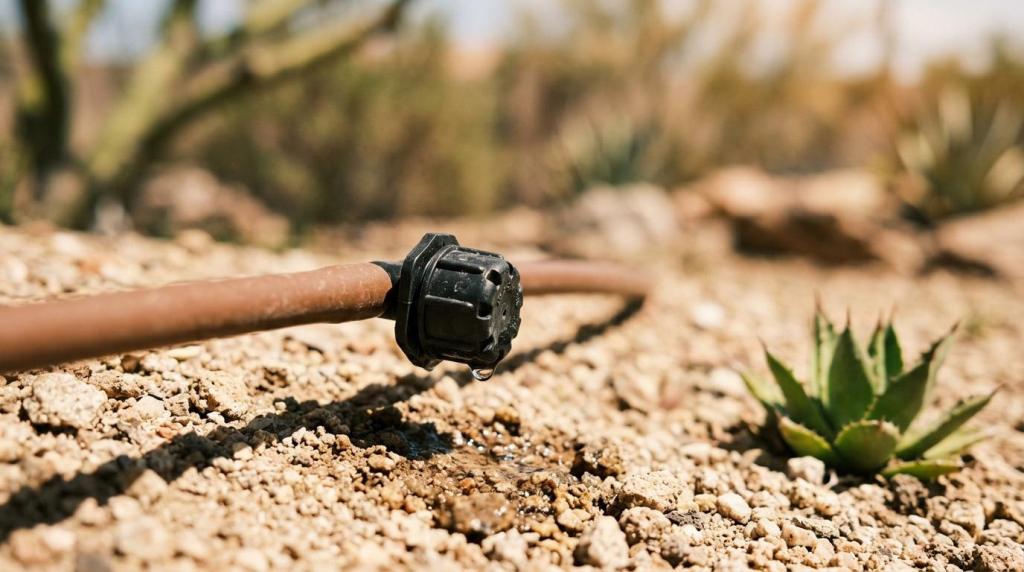
The Arizona Department of Water Resources reports that landscaping is the largest use of potable water in the state, and outdoor use can account for as much as 70 percent of residential water use. That changes how smart budgeting works. The lowest upfront bid is not always the lower-cost landscape over time.
A water-efficient yard may cost more at installation if it includes drip irrigation, zoning corrections, timer upgrades, mulch, and a better plant palette. Yet those choices can reduce ongoing water use and cut replacement costs when plants are better matched to the site. In many Arizona neighborhoods, that is a strong tradeoff.
This is where xeriscape or desert-friendly landscaping becomes a financial choice, not just a style preference. Low-water-use plants, decomposed granite or decorative rock, efficient emitters, and thoughtful shade placement can bring down monthly water demand. EPA WaterSense guidance also points to local climate, sun, shade, maintenance schedule, and mulch as key parts of responsible landscape planning.
A simple water budget approach can help. That means planning the yard around expected water use based on plant type, irrigation design, and site conditions, instead of planting first and fixing the water bill later. For Arizona properties, that step can shape both design cost and long-term operating cost.
Some owners may also want to check local utility or district programs. In parts of Maricopa County, rebate programs have offered credits for removing water-thirsty grass and replacing it with desert-friendly landscaping. One published EPCOR incentive listed $3 per square foot for eligible conversions, though the program has also noted periods when new applications were paused while funds and existing submissions were reviewed. Availability can change, so it is wise to verify current status before building a budget around a rebate.
Arizona landscaping choices that change long-term value
Not every landscaping dollar produces the same return.
A yard built for Arizona conditions often performs better over time than one that copies a high-water style from another region. A clean gravel base, properly sized drip lines, low-water-use plants, and practical shade can help reduce waste and simplify maintenance. That can matter just as much as the day-one installation price.
Artificial grass is a good example. The upfront cost is usually higher than gravel, but it may cut mowing, watering, and mud issues in active-use areas. Pavers work the same way. Their initial cost can exceed plain concrete or open dirt areas, though they often improve drainage control, traffic flow, and usable outdoor space.
When comparing bids, it helps to separate what is cosmetic from what is structural.
- Visual upgrades: decorative rock, accent plants, lighting style, color choices
- Performance upgrades: grading, irrigation zones, drainage corrections, durable hardscape base
- Maintenance savings: artificial turf, mulch, drought-tolerant plants, smart timers
- Property use: pet areas, outdoor seating, pathways, commercial curb appeal
That kind of comparison makes estimates easier to read because it shows where the money is working.
How to budget for an Arizona landscaping project
A realistic budget starts with priorities. If the main goal is lowering water use, the money may be best spent on removing thirsty grass, adjusting irrigation, and selecting climate-appropriate plants. If the goal is outdoor living, hardscape and lighting may take a larger share. If the property has drainage or grading issues, those should usually come first.
It also helps to decide whether the project should happen all at once or in phases. Phase one may cover demolition, grading, irrigation, and the base material. Phase two may add plants, lighting, or decorative upgrades. That approach keeps the structure of the project right even if the final aesthetic details come later.
When reviewing estimates, look for line items instead of a single lump sum. A clear bid should show what is included, what is optional, and what could change if hidden site conditions appear after work starts.
A practical budgeting process looks like this:
- Define the main goal for the yard
- Measure the square footage accurately
- Set a target budget and a maximum budget
- Ask for itemized estimates
- Review water use and irrigation plans
- Decide which upgrades can wait for a later phase
Questions to ask before signing an Arizona landscaping estimate
The estimate stage is where cost surprises can often be reduced. A polished rendering or a low total price does not tell the whole story if irrigation, drainage, access, haul-off, or material quantities are unclear.
A better conversation focuses on scope, water use, and how the yard will perform in July, not just how it will look after installation week.
Useful questions include:
- What site prep is included: demolition, weed removal, grading, and haul-away
- How is irrigation being handled: new drip lines, repaired valves, timer programming, and zones
- Which plants are being specified: drought-tolerant options, growth size, sun exposure, and replacement policy
- What materials are priced: gravel depth, paver type, edging, mulch, and base preparation
- Are there optional add-ons: lighting, sealing, extra trees, or phased work
- What may change the final price: hidden roots, poor drainage, utility conflicts, or access issues
For Arizona homeowners and property managers, that level of detail usually leads to a better result than chasing the lowest number on the page. A strong landscaping plan should fit the property, the climate, and the monthly cost of keeping the yard in good shape.