

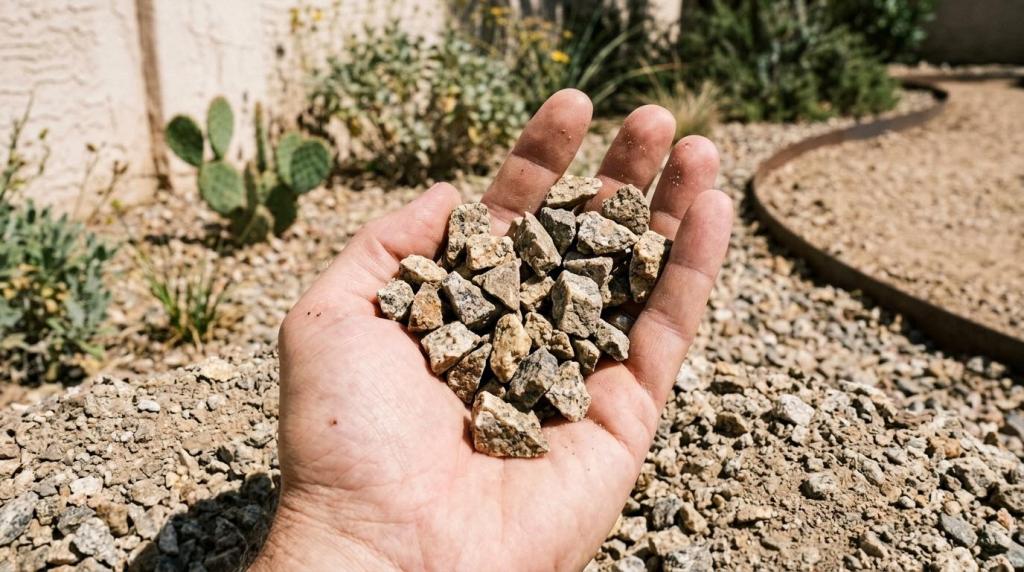
Gravel has become one of the most practical landscape materials for dry climates, modern yards, and low-water outdoor design. It can look refined or natural, quiet or dramatic, depending on the stone you choose and how it is installed. For many property owners, that flexibility is the biggest draw.
Still, gravel is not a universal answer. A surface that performs beautifully in a side yard or desert-style front landscape may feel frustrating on a heavily used walkway, a play area, or a space that needs wheelchair-friendly access. The real value of gravel comes from using it in the right place, with the right base, edging, and rock size.
For homeowners and property managers in Arizona, that distinction matters even more. Heat, runoff, dust, and water use all affect how a landscape performs over time. A good gravel installation can reduce maintenance and support drainage. A poor one can shift, trap debris, and look tired much sooner than expected.
Why gravel landscaping works so well in dry-climate design
Gravel fits naturally into low-water landscapes because it does not need mowing, fertilizing, or routine irrigation. In places where turf can be expensive to maintain and difficult to keep healthy, gravel offers a durable, clean-looking alternative.
It also works as both a visual and functional material. In one part of the yard, gravel may define planting beds or add contrast around cacti and shrubs. In another, it may help move water through a side yard or support a path between gates, patios, and utility zones.
That combination of beauty and utility is why gravel remains a strong option for residential and commercial properties alike.
Gravel landscaping pros that make it a smart investment
One of gravel’s biggest strengths is cost. Compared with concrete, pavers, or a large irrigated lawn, gravel often comes with a lower upfront investment. It can also be installed in phases, which gives property owners more flexibility when improving a yard over time.
Durability is another major plus. Gravel does not crack the way concrete can, and it stands up well to intense sun. If part of the surface becomes thin or uneven, it is usually possible to add material and refresh the appearance without replacing the entire area.
Drainage is where gravel often stands apart. Water can pass through the surface instead of collecting and running across it in a hard sheet. That makes gravel especially useful in pathways, drainage corridors, decorative dry creek beds, and other areas where runoff needs a place to go. As many landscape professionals note, the base layer under gravel does much of the real work, storing and releasing water rather than forcing it to rush elsewhere.
Gravel also offers strong design range. A compact angular stone can support a clean, understated walkway. A larger decorative rock can create bold contrast in a front yard. The same material category can support desert, Mediterranean, rustic, and modern designs with equal confidence.
After a thoughtful design plan, gravel is often best used in areas like these:
- Driveways
- Side yards
- Garden paths
- Decorative planting beds
- Drainage channels
- Xeriscape layouts
Gravel landscaping cons that deserve real attention
Gravel is low maintenance, not no maintenance. That is an important distinction. Windblown seeds, dust, leaves, and organic debris can settle between stones, and over time that creates a place for weeds to grow. Landscape fabric can help slow the process, but no gravel bed stays weed-free forever.
Movement is another challenge. Gravel shifts under foot traffic, pets, leaf blowers, rainwater, and vehicle tires. Rounded stone tends to move more than angular rock, which is why material choice matters so much. Without edging, even a well-installed gravel area can spread beyond its original borders.
Walking comfort can also be a drawback. Large or loose gravel may feel unstable, and some surfaces are frustrating for strollers, wheelchairs, rolling carts, or anyone who wants firm footing. If a space needs easy, smooth movement every day, gravel may not be the best primary surface unless it is stabilized and compacted correctly.
Heat deserves attention in sunny climates. Dark stone can absorb significant solar heat, while very light stone may reflect glare. That does not make gravel a poor choice, but it does mean color and placement should be considered carefully around seating areas, pet zones, and plantings.
A few realities are worth weighing before installation:
- Weed control: reduced, not eliminated
- Surface movement: common without edging or stabilization
- Walking comfort: depends heavily on size and shape
- Heat exposure: stronger with dark stone and full sun
- Cleanup: leaves and debris can be awkward to remove
Gravel vs mulch, concrete, and grass in landscape design
Material decisions become easier when gravel is compared with the alternatives it often replaces. Each option has strengths. The best choice depends on whether the priority is comfort, drainage, water savings, permanence, or appearance.
| Surface | Upfront Cost | Maintenance | Drainage | Walking Comfort | Water Use | Best Fit |
|---|---|---|---|---|---|---|
| Gravel | Low to moderate | Low to moderate | Good to excellent | Fair to moderate | Very low | Xeriscapes, paths, side yards, drainage zones |
| Mulch | Low | Moderate to high | Good | Fair | Low | Planting beds, soil-building areas |
| Concrete | Moderate to high | Low | Poor unless permeable system | Good | None | Patios, accessible walks, clean-lined hardscapes |
| Grass | Moderate | High | Good with healthy soil | Excellent | High | Play areas, cooling, soft-use spaces |
Mulch is softer and better for soil health, but it decomposes and needs replenishment. Concrete gives excellent stability, though it is less forgiving in drainage and usually costs more. Grass offers comfort and cooling, but it demands the most water and ongoing care.
Gravel sits in the middle. It is more permanent than mulch, more permeable than concrete, and much less water-hungry than grass. That balance is exactly why it performs so well in many Arizona landscapes.
How to choose the right rock for gravel landscaping
Not all gravel behaves the same way. Size, shape, color, and stone type all influence performance. Choosing based only on appearance is one of the most common mistakes in landscape planning.
Start with purpose. If the area is a driveway, the rock needs to lock together and tolerate weight. If it is a decorative bed, visual texture may matter more than compactability. If it is a drainage feature, water flow becomes the main concern.
Then think about heat, maintenance, and nearby use. A bold dark stone can look stunning against light stucco and green planting, yet it may be a poor choice where people walk barefoot. A rounded river rock may look natural in a dry creek bed, though it usually feels unstable on a path.
When selecting rock, focus on these criteria:
- Use case: pathway, driveway, bed, patio infill, or drainage zone
- Shape: angular stone stays put better than rounded stone
- Size: smaller rock can compact more tightly, larger rock shifts less in drainage features
- Color: lighter tones reflect more light, darker tones create stronger contrast
- Local availability: regional stone often offers better value and a more natural look
Best rock types for pathways, beds, and drainage areas
A few rock categories appear again and again in successful landscape work because they solve different problems well.
| Rock Type | Look | Strengths | Tradeoffs | Best Uses |
|---|---|---|---|---|
| Crushed granite | Natural, angular, often gray or tan | Durable, stable, versatile | Can cost more than basic gravel | Paths, driveways, general landscape areas |
| Decomposed granite | Fine, compactable, desert-friendly | Smooth appearance, informal feel | Can erode without good prep | Paths, patios, desert-style gardens |
| Pea gravel | Small, rounded, soft look | Affordable, attractive | Moves easily underfoot | Decorative beds, light-use spaces |
| River rock | Smooth, rounded, natural blend | Excellent for visual interest and drainage | Poor walking stability | Dry creek beds, accents, runoff zones |
| Crushed limestone | Light-toned, compactable | Often budget-friendly, solid under traffic | Can weather faster in some conditions | Paths, base layers, driveways |
| Slate chips | Dark, dramatic, layered | Strong visual character | Less comfortable for active use | Accent beds, low-traffic decorative areas |
For walkways and driveways, angular rock usually wins. It locks together better and creates a firmer surface. Crushed granite and compactable crushed stone are often strong candidates where durability matters.
For planting beds, the decision is more visual. Pea gravel, decorative granite, and slate chips can all work well depending on the style of the home and the surrounding plant palette. River rock is often best reserved for accents and drainage features rather than primary walking surfaces.
Gravel installation details that affect long-term performance
Even excellent rock will disappoint if the installation is weak. Base preparation, grading, and edging shape the result just as much as the top layer does.
A properly built gravel area begins with excavation and grading that account for drainage. The base should support the intended use, whether that means compaction for foot traffic or a more open structure for water movement. In many cases, the base layer is what prevents rutting, puddling, and early failure.
Edging matters more than many people expect. It keeps lines crisp, reduces migration, and helps maintain depth where traffic is concentrated. Without strong edges, gravel tends to spread into lawns, beds, and pavement joints.
Depth matters too. A layer that is too shallow will look patchy and wear unevenly. A layer that is too deep may feel loose and difficult to walk on. Matching depth to stone size and use is part of getting a stable finished surface.
Climate and maintenance factors for Arizona gravel landscaping
Arizona conditions reward the right gravel choices. Low-water design, intense sun, and occasional heavy runoff all make gravel a practical material when it is used thoughtfully.
In hot areas, lighter stone can make a space feel brighter and somewhat less heat-heavy. That said, bright white rock may produce glare, so many landscapes benefit from softer tans, grays, and desert earth tones instead. These colors often sit more comfortably within the surrounding environment as well.
Maintenance usually stays manageable, though it is not absent. Expect periodic raking, occasional top-offs, and routine weed removal. In drainage-focused areas, displaced stone may need resetting after storms. Good installation reduces the workload, but it does not erase it.
A sensible maintenance rhythm often includes:
- light raking
- weed spot treatment
- topping up thin areas
- clearing debris carefully
- checking edges after storms
Questions to ask before choosing gravel for your yard
A successful gravel plan starts with a few direct questions. These questions help clarify whether gravel is the right fit, and if so, which rock type makes the most sense.
- Who will use the space: adults walking occasionally, children playing, guests arriving, or vehicles parking
- What matters most: lower water use, stronger drainage, cleaner design lines, or softer underfoot comfort
- How much upkeep feels reasonable: occasional raking and weeding, or almost none
- What style suits the property: natural desert tones, refined modern contrast, or something in between
If the answers point toward durability, low water demand, and visual flexibility, gravel can be an excellent landscape material. The key is choosing a rock that matches the task, not just the color sample. A driveway wants different stone than a decorative bed. A drainage swale wants different stone than a front entry path. When the material and the use are matched well, gravel stops feeling like a filler surface and starts acting like a smart part of the landscape.
One thought on “Gravel Landscaping Pros and Cons (And How to Choose the Right Rock)”