×

Block Wall Installation in Surprise, AZ

If you need block wall installation in Surprise, AZ, Pro Natural Landscape LLC offers a practical, local option for getting the job planned and built with less guesswork. We are a family-owned company established in El Mirage, and we serve homeowners, property managers, and businesses across Surprise and surrounding Arizona communities.

A new block wall is usually tied to a real property need, not a vague improvement idea. You may need better privacy, a clearer boundary, a more defined exterior layout, or a wall that fits into a larger landscape or hardscape project. Pro Natural Landscape LLC helps you move from estimate to installation with local experience, free estimates, and clear communication from the start.

Block wall installation in Surprise, AZ for residential and commercial properties

Pro Natural Landscape LLC provides block wall and fence wall services for both residential and commercial customers in Surprise. We start with an initial consultation and expert advice, because block wall design and construction depend on the intended use, local building codes, and your property goals.

“Pro Natural Landscape LLC brings 11+ years of local Arizona experience to block wall and fence wall projects.”

Whether you are improving a home perimeter, planning a wall for a rental property, or coordinating exterior work for a commercial site, we keep the project centered on what the wall needs to do for your property. That gives you a more useful estimate and a clearer path to hiring.

Common reasons customers in Surprise contact Pro Natural Landscape LLC for block wall installation include:

  • Privacy and boundary definition for residential lots
  • Separation and structure for commercial or managed properties
  • A new wall as part of a larger landscaping or exterior improvement
  • Replacement planning when an existing wall no longer fits the property’s needs

Surprise block wall projects planned with local permit and inspection requirements in mind

Block wall work on private property is not only about layout and appearance. Pro Natural Landscape LLC plans projects with local requirements in mind, because the City of Surprise states in its permit information that construction on private property requires permits, and city construction inspections verify that improvements match approved plans and specifications.

“In Surprise, private-property construction requires permits, and city inspections verify approved plans and specifications.”

That matters when you want your project to move forward with fewer surprises. During your free estimate, Pro Natural Landscape LLC can talk through the scope of the wall, the property conditions, and the approval considerations that may affect scheduling, cost, and next steps.

For homeowners, that means a more realistic view of what your wall project involves before work begins.

Highlighted quote stating that private-property construction in Surprise requires permits and city inspections verify approved plans and specifications. For property managers and businesses, it means a conversation that considers site use, planning requirements, and the need to keep the project organized from the start.

Pro Natural Landscape LLC makes Surprise block wall projects easier to budget and manage

Hiring a contractor for a block wall is not just about finding someone who offers the service. You also want price clarity, dependable communication, and a team that respects the project timeline. Pro Natural Landscape LLC has delivered cost-effective, high-quality projects to the local community for over a decade, and customer feedback on our site highlights daily communication, professional work, and completion within the projected timeline.

“Pro Natural Landscape LLC offers free estimates and financing through Hearth for residential and commercial outdoor projects.”

We keep the first step simple with a free estimate, and project financing through Hearth can help when you want to move forward without pushing the project off. That is especially useful if you are balancing a home improvement budget, planning work across multiple properties, or coordinating exterior upgrades for a commercial site.

When you request a block wall estimate from Pro Natural Landscape LLC in Surprise, we focus on details that help you make a decision:

  • Project review: residential or commercial use, intended wall purpose, and how the wall fits the property
  • Site considerations: wall location, access, layout, and factors that may affect construction planning
  • Budget planning: free estimate and financing options through Hearth
  • Next steps: communication on timing, approvals, and how the project moves forward

A family-owned Arizona contractor serving Surprise within a 30-mile service area

Pro Natural Landscape LLC was established 11 years ago in El Mirage, and Surprise is part of the Arizona communities we serve within a 30-mile radius. That local footprint gives you a contractor that understands the area and works with both residential and commercial customers, not a company trying to force a one-size-fits-all approach onto every property.

Because Pro Natural Landscape LLC also provides landscaping, hardscaping, grading, gravel installation, pavers, irrigation, and exterior construction and repairs, your block wall project can be planned in context. If the wall is part of a broader outdoor upgrade, we can help you think through how it fits with the surrounding property instead of treating it like a disconnected add-on.

That is a strong fit when you want the wall to work well, look appropriate for the site, and support the overall use of the property.

When Pro Natural Landscape LLC is the right fit for your Surprise block wall installation

You are likely a good fit for Pro Natural Landscape LLC if you want:

  • A free estimate before committing to the project
  • A family-owned Arizona company with 11+ years of local experience
  • Block wall service for a home, rental, managed property, or commercial site
  • Guidance that considers local code, permit, and inspection factors in Surprise
  • Financing through Hearth to make the project easier to start
  • Clear communication throughout the job

Request your free block wall estimate in Surprise, AZ

If you are ready to hire for block wall installation in Surprise, Pro Natural Landscape LLC can review your property, discuss your goals, and give you a clear next step. You will get a service-focused conversation built around your site, your timeline, and the real requirements of the project.

Contact Pro Natural Landscape LLC today to request your free estimate and get your Surprise block wall project moving with a local Arizona contractor that values workmanship, communication, and practical planning.

How to Install Landscape Lighting in Arizona

A well-lit front walk, patio, or pool area changes how an Arizona property works after sunset. Learning how to install landscape lighting helps you highlight the features you already invested in – pavers, trees, gravel beds, block walls, and outdoor living areas – while making common walking routes easier to see.

For most homes, low-voltage LED lighting is the practical choice. It uses less energy than line-voltage systems, handles everyday landscape applications well, and gives you flexibility when you want to adjust a fixture after plants grow or a patio layout changes. The best results come from planning the system before digging, not from placing as many lights as possible.

Start With a Nighttime Lighting Plan

Walk the property after dark and identify where light serves a real purpose. Start with safety zones: front walks, driveway edges, gate entrances, steps, changes in elevation, and the route from the house to a backyard patio or pool. Then consider focal points such as mature trees, textured block walls, specimen cacti, water features, or architectural columns.

Avoid treating landscape lighting like runway lights. Too many path lights placed too close together can create glare, visual clutter, and harsh pools of light. A better plan uses layers. Path lights guide foot traffic, uplights add depth to trees and walls, and downlights or wash lights provide broader illumination where needed.

In Arizona, think about how the yard will look through the year. A small shrub may not block a fixture today but can hide it after a growing season. Gravel shifts, monsoon storms move debris, and sun exposure can affect fixture finishes and wire placement. Leave room for maintenance and avoid locating fixtures where irrigation spray repeatedly hits them.

Before buying materials, sketch the property and mark each fixture location. Note the distance from the transformer to every light. This simple step helps you select the correct transformer size and wire gauge.

Choose Low-Voltage Components That Fit the Job

A standard low-voltage landscape lighting system includes a transformer, outdoor-rated low-voltage cable, LED fixtures, connectors, and a weather-protected power source. The transformer reduces household power to a safer voltage for landscape fixtures, usually 12 volts.

Choose fixtures based on the lighting task, not just their appearance. Path lights work along walkways and planting-bed edges. Spotlights or bullet lights are useful for uplighting trees, tall palms, wall textures, and architectural features. Well lights sit flush with the ground and can highlight a trunk or wall without showing the fixture, though they need occasional cleaning to remove gravel, leaves, and dust. Deck and step lights are ideal for built-in seating, retaining walls, and stair risers.

LED fixtures cost more upfront than older halogen options, but they use substantially less power and require fewer bulb changes. For a desert property, use quality fixtures with durable finishes and sealed connections. Plastic fixtures may be fine for a short-term project, but metal fixtures generally hold up better against heat, sun, and routine yard work.

Size the Transformer Correctly

Add the wattage of every fixture, then choose a transformer with extra capacity. For example, if your planned lights total 100 watts, a 150-watt transformer gives the system room to operate without pushing the equipment to its limit. That extra capacity also makes it easier to add a few fixtures later.

Many homeowners benefit from a transformer with a timer, photocell, or smart control. A photocell turns lights on at dusk, while a timer prevents them from staying on longer than necessary. This keeps operating costs low and reduces unnecessary light around the property.

How to Install Landscape Lighting Step by Step

Begin by laying all fixtures and cable on top of the ground according to your plan. Do not bury wire or stake fixtures until you have tested the layout at night. Fixture spacing that looks right in daylight can feel too bright or too dim after sunset.

  1. Install the transformer near an outdoor GFCI outlet. Mount it securely in a protected location that is accessible for adjustments. Keep it above ground and follow the manufacturer’s clearance instructions.
  2. Run the main low-voltage cable from the transformer. Follow planting-bed edges, hardscape borders, and other routes where the cable will be less likely to be disturbed. Avoid areas that will be trenched later for irrigation, drains, or construction.
  3. Connect fixtures one at a time. Use connectors rated for underground, wet-location use. Poor connections are one of the most common reasons landscape lights fail or flicker.
  4. Test the system before burying cable. Turn it on after dark, check every fixture, and adjust placement and aiming. Look for glare shining into windows, bright spots on bare gravel, and dark areas along walking paths.
  5. Bury the cable and secure fixtures. In many residential landscapes, low-voltage wire is buried several inches deep, but local requirements, manufacturer instructions, and the location of the cable matter. Protect wire where it crosses under walkways or enters high-traffic areas.

Keep all wire connections accessible enough to service. Do not bury a connection in a location where it will sit in irrigation runoff or become covered by compacted soil and gravel. When connecting lights, follow the fixture instructions carefully and use the correct polarity if the system requires it.

Manage Voltage Drop on Longer Runs

Voltage drop occurs when fixtures far from the transformer receive less power than fixtures nearby. You may notice this as dimmer lights at the end of a long run. It is more likely on large properties, systems with many fixtures, or installations using wire that is too small for the distance.

You can reduce voltage drop by using heavier-gauge cable, splitting lights across multiple runs, or using transformer terminals designed for longer runs. A hub-style layout may also provide more even power than a single long daisy chain. If your front yard and backyard are both extensive, separate runs are often cleaner and easier to troubleshoot.

Aim Fixtures for Safety, Not Glare

After installation, the aiming process makes the difference between a professional appearance and a yard full of visible light sources. You should see the effect of the light more than the fixture itself.

For path lighting, position fixtures so the light overlaps gently along the walking route without shining directly into someone’s eyes. Staggering lights from one side of the path to the other often looks more natural than lining both sides evenly. On steps, aim lights down toward the tread surface and use enough illumination to make elevation changes clear.

For uplighting, place the fixture far enough from the tree, wall, or feature to create shape. A light placed too close to a wall creates a hot spot. A light placed too close to a tree trunk can flatten the canopy instead of showing its structure. Start with a modest beam angle, then adjust after dark until the feature is visible without spilling light onto neighboring properties.

Arizona landscapes often include light-colored stucco, travertine, concrete, and decorative rock. These surfaces reflect light well, so lower output is frequently enough. More wattage is not always better. Warm white LEDs usually create a comfortable residential look, while excessively cool white light can make a patio or entry feel harsh.

Protect the System From Desert Conditions

Landscape lighting needs routine attention, especially after wind, dust, heat, and monsoon weather. Once a month, check that fixtures are upright, lenses are clean, and path lights have not been covered by gravel or mulch. Trim plants that block light output, and confirm that irrigation heads are not spraying directly on fixtures or connectors.

After a major storm, inspect exposed cable, fixture stakes, and connections. If lights stop working, begin with the transformer and GFCI outlet, then inspect connectors and damaged wire. Do not assume every outage requires replacing fixtures. A loose or corroded connection is often the actual problem.

For commercial properties, lighting should be planned around pedestrian routes, signage, entrances, parking transitions, and maintenance access. The system must look polished while remaining practical for crews who service landscaping, irrigation, and hardscape areas.

When to Call a Professional

A homeowner can handle many small low-voltage lighting projects, particularly around a simple front walk or patio. Professional installation is the better choice when the project includes long cable runs, multiple lighting zones, integrated wall or step lighting, existing irrigation conflicts, pool-adjacent areas, or electrical upgrades.

Line-voltage lighting, new outdoor circuits, and work near pool equipment should be handled by properly qualified professionals and completed according to applicable electrical requirements. Permits and local rules can vary by location and scope. A careful installation protects the property, avoids repeated repairs, and gives you a system that is easy to expand.

The right landscape lighting should make your property easier to use, not harder to manage. Start with the paths people actually walk, light the features worth seeing, and leave every connection and fixture accessible for future care. For a complete Arizona yard upgrade, Pro Natural Landscape can coordinate lighting with pavers, gravel, artificial grass, irrigation, and planting so the finished space works as one well-planned outdoor environment.

Irrigation System Installation in Peoria, AZ

If you are looking for irrigation system installation in Peoria, AZ, you are likely ready for more than a patch job. You need a system that fits your landscape, handles Arizona heat, and helps you avoid wasted water, dry spots, and constant adjustments.

Pro Natural Landscape LLC installs irrigation systems for homeowners, property managers, and businesses in Peoria with free estimates, clear communication, and local Arizona experience. As a family-owned company with 11+ years of experience, we handle residential and commercial landscape projects across the West Valley, including Peoria within our 30-mile service area.

Peoria irrigation installation planned for Arizona heat and water use

Irrigation in Peoria is not a copy-and-paste job. Water demand changes with temperature, precipitation, wind, humidity, and evapotranspiration, so your system needs to be planned for real Arizona conditions, not generic settings.

Pro Natural Landscape LLC installs and maintains irrigation systems with climate, temperature, and rainfall in mind. That gives you a better chance of keeping lawns and planted areas healthy while reducing overspray, runoff, and unnecessary water use.

“Pro Natural Landscape LLC serves Peoria within a 30-mile radius and provides free estimates for irrigation installation.”

For property owners in Peoria, that local planning matters. NOAA climate normals are built from 30-year averages and updated every 10 years, which is why climate-aware irrigation decisions are a practical part of installation, not an extra.

Irrigation systems for Peoria homes, rental properties, and commercial sites

Pro Natural Landscape LLC works on both residential and commercial irrigation projects, which is important when your property has different watering needs across turf, planting beds, trees, or common areas. We tailor the installation to the layout and use of your space instead of treating every yard or site the same.

Our broader outdoor construction experience also helps when irrigation has to work around existing landscape features. If your project involves pavers, gravel, artificial grass, lighting, fences, grading, or exterior repairs, Pro Natural Landscape LLC can coordinate the irrigation installation so the finished landscape functions as one system.

“Pro Natural Landscape LLC brings 11+ years of experience to residential and commercial outdoor projects in Arizona.”

That matters for homeowners who want a clean install and for property managers who need fewer handoff problems between trades. When irrigation is part of a larger landscape improvement, having one company that understands the full site can save time and reduce rework.

Pro Natural Landscape LLC’s irrigation installation process in Peoria, AZ

When you contact us for irrigation system installation in Peoria, we keep the process straightforward and focused on your property’s actual needs.

Here is what you can expect:

  1. Free estimate: We discuss your property, current irrigation issues, goals, and project scope.
  2. Site review: We look at the landscape layout, watering needs, access, and any existing conditions that could affect installation.
  3. Installation and setup: We complete the irrigation work and can also handle timer installation when needed.
  4. Testing and adjustments: We check system performance so water is directed where it should go.
  5. Ongoing support: If you need maintenance after installation, Pro Natural Landscape LLC also offers irrigation maintenance services.

That process gives you more clarity before work starts and fewer surprises once the installation is underway. It also helps if your site has conditions that need extra attention, including established landscaping, traffic areas, or existing utility-related constraints often found on larger Peoria properties.

“Pro Natural Landscape LLC offers free estimates and project financing through Hearth for qualifying irrigation projects.”

If budget timing is holding up your project, financing through Hearth can make it easier to move forward now instead of waiting through another hot season with an inefficient system.

Local Peoria irrigation knowledge matters for homeowners and property managers

Peoria properties can have very different site conditions from one neighborhood or parcel to the next. City mapping shows water-related infrastructure such as reclaimed water hydrants, water nodes, and SRP irrigation structures in the broader area, which is one reason a proper site review matters before installation begins.

Pro Natural Landscape LLC brings local Arizona field experience to that review. For you, that means an irrigation plan that is better aligned with the way your property is built and used, whether you are upgrading a home landscape, improving a rental property, or managing a commercial site.

We also know that communication is part of the service. You should know what is being installed, what the scope includes, and what the next step is, especially when irrigation work is tied to other landscape improvements.

Why Pro Natural Landscape LLC is a strong choice for irrigation installation in Peoria

You are not just buying materials. You are choosing the company that will plan the work, communicate clearly, and leave you with a system that is easier to manage.

Pro Natural Landscape LLC is a strong fit when you want:

  • A local company: We serve Peoria and surrounding Arizona communities within a 30-mile radius.
  • Residential or commercial capability: We work with homeowners, property managers, and businesses.
  • Climate-aware installation: We install irrigation systems with climate, temperature, and rainfall in mind.
  • Practical project support: We offer free estimates and financing through Hearth.
  • A licensed and insured contractor: You can move forward with more confidence in the company handling the work.

Because we also provide broader landscape and hardscape services, we can be especially helpful when irrigation is only one part of the outdoor project. If your property also needs grading, gravel, pavers, maintenance, or exterior landscape repairs, Pro Natural Landscape LLC can help you coordinate the work instead of managing multiple vendors.

When to contact Pro Natural Landscape LLC for irrigation installation in Peoria

This service is a good fit if your current system is failing, your property is being upgraded, or you are starting a new landscape project and want irrigation installed correctly from the beginning.

You should reach out if you are dealing with:

  • dry or overwatered areas
  • an outdated or incomplete irrigation setup
  • new landscaping that needs proper watering coverage
  • a rental or commercial property that needs a more dependable watering system
  • a project that also needs timer installation or related landscape work

Pro Natural Landscape LLC makes it easy to get started with a free estimate. If you are ready to install an irrigation system in Peoria, AZ, contact us now to schedule your estimate and get a plan that fits your property, your timeline, and your budget.

Paver Patio Installation in Avondale, AZ

Your patio should do more than fill space in the backyard. It should give you a durable place to relax, host friends, set up outdoor dining, and make your Avondale property feel more finished and valuable.

Pro Natural Landscape LLC provides paver patio installation in Avondale, AZ for homeowners, property managers, and businesses that want a cleaner, longer-lasting outdoor surface built for Arizona conditions. As a family-owned company established 11 years ago in El Mirage, we bring local experience, custom design options, free estimates, and financing through Hearth to projects that need both curb appeal and dependable construction.

Paver patio installation in Avondale, AZ for outdoor living and entertaining

Pro Natural Landscape LLC installs custom paver patios that turn underused yards and exterior common areas into functional outdoor living spaces. Whether you want a backyard patio for family dinners, a larger entertaining area, or a hardscape surface that connects seating, grilling, and walkways, we build layouts around how you actually use the space.

A well-planned paver patio makes your property easier to enjoy year-round. In Avondale, where outdoor areas often need to handle intense sun, dry conditions, and regular foot traffic, pavers offer a practical upgrade that looks finished without creating a high-maintenance yard.

Pro Natural Landscape LLC customizes patio layouts, paver patterns, and edge details so your new surface fits your home, yard shape, and surrounding landscape instead of looking dropped into place.

“Pro Natural Landscape LLC provides custom paver installation for patios, sidewalks, driveways, and more.”

You also get flexibility that poured surfaces often do not offer. Pavers work well for backyard entertaining spaces, poolside seating zones, front courtyard patios, side-yard walk paths, and outdoor areas around commercial properties where appearance and durability both matter.

Desert-ready paver patio construction with proper base preparation

A patio only performs as well as the work underneath it. Pro Natural Landscape LLC focuses on proper base preparation, grading, and installation details so your paver patio has the support it needs to stay level, drain properly, and hold up over time.

That matters in Arizona. Dry soil, heat, and daily use can expose shortcuts quickly, which is why careful site prep is not an extra. It is the foundation of a patio that stays attractive and usable instead of becoming uneven or troublesome.

Pro Natural Landscape LLC builds paver patios with long-term function in mind, giving you a low-maintenance hardscape that is easier to clean, easier to furnish, and easier to enjoy than a bare dirt or patchy grass area.

“Pro Natural Landscape LLC uses high-quality materials for durable, long-lasting pavers.”

When we plan your patio project, the work can include the core elements that affect performance and appearance:

  • Site review and layout: We assess the space, intended use, and transitions to doors, walkways, or other hardscape areas.
  • Base preparation and grading: We prepare the area to support the patio and help manage drainage and surface stability.
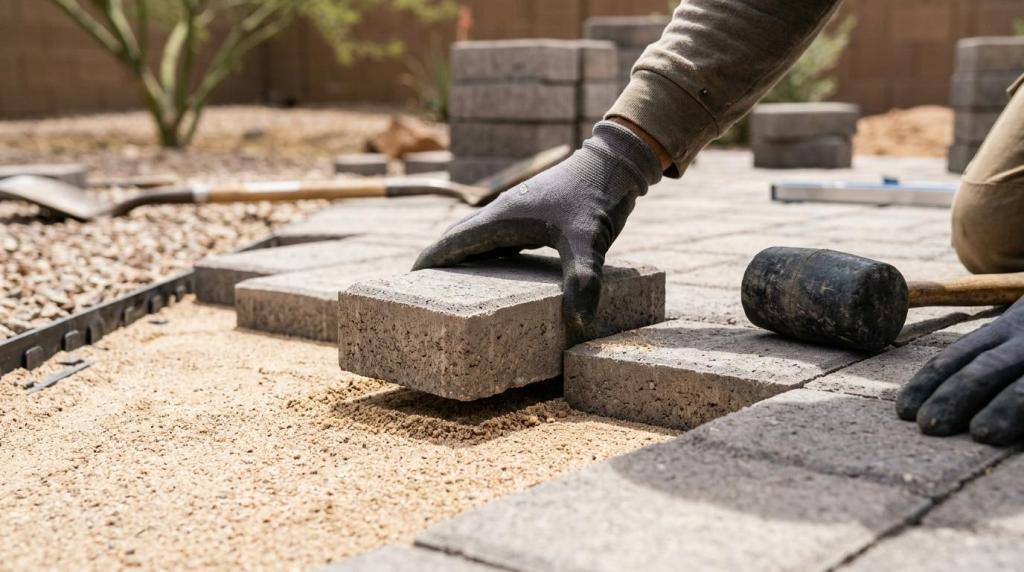
  • Paver installation and finishing: We install the selected pavers, define borders and pattern lines, and leave you with a finished surface that is ready to use.

Pro Natural Landscape LLC serves Avondale homeowners and businesses with licensed and insured paver installation

Pro Natural Landscape LLC specifically serves Avondale and provides licensed and insured service for both residential and commercial work. That gives you a local company that understands the area, can evaluate your site in person, and can handle projects ranging from private backyard patios to exterior upgrades for rental, office, or retail properties.

“Pro Natural Landscape LLC serves Avondale with free estimates and licensed-and-insured service.”

Avondale is a growing market, with the U.S. Census Bureau estimating the city’s population at 100,983 in 2025. For property owners, that growth makes outdoor presentation, usable living space, and low-upkeep improvements more important, whether you want to enjoy your home more or maintain a professional-looking exterior for tenants, customers, or employees.

For homeowners, a paver patio can create a defined destination in the yard without the watering, reseeding, or uneven wear that often comes with trying to maintain a natural surface in desert conditions. For commercial properties, it can add a cleaner, more durable outdoor area that supports appearance and day-to-day use.

Backyard patio upgrades in Avondale with custom layouts and low-maintenance benefits

Every yard has different constraints. Some need a compact patio near the back door. Others need a broader entertaining area, a connected path, or a design that works around existing trees, gravel, artificial grass, irrigation, or fencing.

Pro Natural Landscape LLC offers full-service outdoor work, which helps when your paver patio is part of a larger upgrade instead of a standalone surface. If your project also needs grading, gravel installation, lighting, irrigation adjustments, fence or block wall work, or general landscape improvements, we can plan the patio with the rest of the space in mind.

That coordination helps you avoid a finished patio that conflicts with drainage, circulation, or future landscaping plans. It also gives you a more cohesive result across the entire yard or property frontage.

For many Avondale customers, the biggest benefit is not just appearance. It is usability. A paver patio gives you a defined, stable surface for patio furniture, outdoor cooking, gatherings, and everyday relaxation with less ongoing upkeep than many traditional yard surfaces.

Free estimates and Hearth financing for Avondale paver patio projects

Price clarity matters when you are comparing patio contractors. Pro Natural Landscape LLC provides consultations and detailed, no-obligation estimates so you can understand the scope of the work before moving forward.

As a family-owned company, we know most customers want two things from the start: a clear plan and realistic options. That is why we offer free estimates and financing options through Hearth, helping you move ahead with the patio you want without guessing at the next step.

Pro Natural Landscape LLC also emphasizes strong communication and on-time delivery, which makes the process easier when you are coordinating around family schedules, tenants, business hours, or other exterior improvements. You should know what is being built, how the space will function, and what to expect as your project moves forward.

When Pro Natural Landscape LLC is the right fit for your Avondale patio project

We are a strong fit if you want a contractor that can handle more than just laying pavers. Pro Natural Landscape LLC is especially well suited for Avondale customers who want a patio that fits into a larger outdoor vision, from backyard living areas to broader hardscape and landscape improvements.

You may be a good fit for our team if you want:

  • A custom patio layout: Not a one-size-fits-all surface, but a patio shaped around your yard, access points, and intended use.
  • Desert-ready durability: Proper base preparation and quality materials that support long-term performance in Arizona conditions.
  • A simpler buying process: Free estimates, financing through Hearth, and clear communication from a local family-owned company.

If you are in Avondale and want a paver patio that adds useful outdoor living space, improves the look of your property, and stays easier to maintain, Pro Natural Landscape LLC is ready to help. Contact us today to schedule your free estimate and start planning a patio built for how you want to live outside.

How to Maintain Artificial Grass Right

If your artificial lawn is starting to look flat, dusty, or packed down, the fix is usually simple. Knowing how to maintain artificial grass makes a big difference in Arizona, where wind, dust, heat, pet use, and heavy foot traffic can wear on outdoor surfaces faster than many homeowners expect.

Artificial grass is low maintenance, not no maintenance. That is why a little routine care goes a long way. When you stay ahead of debris, keep the blades standing up, and handle problem spots early, your lawn keeps its clean look and performs the way it should.

Why artificial grass still needs routine care

Artificial turf does not need mowing, fertilizing, or daily watering, which is exactly why many Arizona property owners choose it. But dust buildup, leaves, pet waste, and compacted infill can still affect how it looks and drains.

In a desert climate, the biggest issue is usually not mud or overgrowth. It is fine dust, dry debris, and sun exposure. If those materials sit too long, they can make turf look dull and feel less comfortable underfoot. For homes with kids, dogs, or frequent backyard use, maintenance matters even more because traffic patterns show up faster.

Routine care also helps you protect the investment. Artificial grass installation is meant to save time and reduce water use, but it lasts best when the surface is kept clean and the base can drain properly.

How to maintain artificial grass week to week

The best approach is simple and consistent. You do not need a complicated schedule, but you do need to keep surface debris from building up.

Start by removing leaves, twigs, and loose trash with a plastic rake, leaf blower, or stiff outdoor broom. A leaf blower is often the easiest option in Arizona because dry debris moves quickly without much effort. If you use a rake, make sure it is plastic rather than metal so you do not damage the turf fibers.

After clearing debris, rinse the grass lightly when it looks dusty. You are not watering it like a natural lawn. You are just knocking down dirt and refreshing the surface. In dry Arizona conditions, that quick rinse can help the turf look cleaner right away.

If the grass gets regular foot traffic, brush it against the grain to lift matted blades. This helps restore the upright appearance and keeps worn pathways from becoming obvious. A power broom can speed this up on larger areas, but a stiff push broom works well for many residential yards.

Cleaning up pet areas the right way

Pet-friendly artificial grass is a strong option for Arizona yards, but it does need extra attention in the areas dogs use most. Solid waste should be removed promptly, just like it would be on natural grass. Once the area is clear, a light rinse helps wash away residue.

For urine spots, regular rinsing matters. In hot weather, odor can build up faster if waste is left sitting in the same place day after day. If a smell starts to linger, use a turf-safe enzyme cleaner designed for pet areas. That helps break down odor instead of just covering it up.

Drainage plays a big role here. If pet areas stay damp or smell stronger than they should, the issue may be compacted infill, a clogged base, or a low spot in the installation. That is where a professional inspection can save you time. Sometimes the surface looks fine, but the real problem is underneath.

Brushing, fluffing, and keeping blades upright

One of the most overlooked parts of how to maintain artificial grass is brushing. Turf fibers naturally lean over time, especially under patio furniture, play equipment, or repeated walking paths.

Brushing helps the lawn keep a fuller, more natural look. It also redistributes infill, which supports the blades and helps the turf wear evenly. If you ignore compacted spots for too long, the lawn can start to look older than it really is.

The right frequency depends on use. A front yard with light traffic may only need occasional brushing. A backyard with pets, kids, or regular entertaining may need it more often. The point is not to chase perfection. It is to keep traffic lanes, flattened sections, and high-use areas from becoming permanent.

Dealing with Arizona dust, monsoon debris, and heat

Arizona lawns deal with conditions that are hard on every outdoor surface, including synthetic turf. Dust settles fast, monsoon winds blow in branches and leaves, and summer heat can make neglected areas smell worse or feel less comfortable.

During dusty stretches, more frequent rinsing helps keep the turf from looking faded or gritty. After storms, clear debris as soon as possible so branches and wet plant material do not sit on the surface. Organic debris can break down over time and create messes that are harder to remove later.

Heat is a separate issue. Artificial grass can get hot in direct sun, especially during peak summer months. Maintenance will not change the weather, but a clean, well-brushed surface usually performs better than one packed with dust and debris. Some property owners also add shade elements or use cooling infill depending on the layout and how the space is used.

What to avoid when maintaining artificial grass

A few maintenance mistakes cause more harm than people realize. Metal rakes, harsh chemicals, and excessive pressure washing can damage turf fibers or disturb the infill. Strong solvents should also be avoided unless the product is specifically approved for synthetic grass.

It is also a mistake to ignore drainage issues. If water pools after rinsing or after a storm, something is wrong. Artificial grass should drain efficiently when installed and maintained correctly. Standing water often points to a base problem, compacted debris, or an area that needs repair.

Heavy items left in one spot too long can also flatten the turf. Patio furniture is not a problem by itself, but if you never move anything and never brush around it, those compressed areas become more noticeable.

When simple maintenance is not enough

Sometimes the issue is bigger than surface cleaning. If turf smells bad even after rinsing, looks uneven, has loose seams, or shows dips in the base, basic upkeep will only do so much.

This is especially common in older installations or properties with high use. Commercial spaces, pet-heavy yards, and rental properties often need deeper turf service from time to time. That might include power brushing, infill top-off, seam repair, odor treatment, or drainage correction.

If your lawn has bare-looking spots, wrinkling, or edges lifting up, it is smart to address it early. Small repairs are easier and more affordable before they turn into larger installation problems. A local company that understands Arizona conditions can usually spot whether the issue comes from surface wear, pet use, storm debris, or the original base preparation.

How to maintain artificial grass for long-term value

Long-term turf care is really about consistency. Clear debris before it gets packed in. Rinse dust and pet areas before odor builds. Brush the fibers before traffic lanes settle in. Check the lawn after storms and after heavy use.

For many homeowners and property managers, that level of upkeep is still far easier than maintaining natural grass in Arizona. You are not mowing every week, dealing with brown patches, or wasting water to keep up appearances. But artificial grass performs best when it is treated like a finished outdoor surface that deserves occasional attention.

If you manage a commercial property, consistency matters even more because appearance affects how the space is perceived. A clean, upright, well-maintained turf area looks professional. A dusty, flattened, neglected one does not. The same goes for front yards and backyard gathering spaces at home. A little maintenance protects curb appeal.

At the end of the day, learning how to maintain artificial grass is less about adding work and more about preventing avoidable problems. If your turf needs more than a quick cleanup, Pro Natural Landscape can help you get it back into shape so your outdoor space stays clean, durable, and ready to use.

Landscape Design & Installation in Goodyear, AZ

If your outdoor space in Goodyear needs more than a quick cleanup, Pro Natural Landscape LLC can design and build the full landscape from the ground up. We are a family-owned Arizona landscaping company based in El Mirage, and we provide custom landscape design and installation for homeowners, property managers, and businesses in Goodyear.

You get one team for planning, materials, installation, and project coordination. Pro Natural Landscape LLC brings 11+ years of experience, free estimates, and financing options through Hearth, so you can move forward with a front yard, backyard, or commercial landscape project that fits your goals and your budget.

Goodyear landscape design and installation for front yards, backyards, and commercial properties

Every property in Goodyear has different priorities. Your front yard may need stronger curb appeal and lower water use, while your backyard may need pavers, lighting, and usable space for relaxing or entertaining.

Pro Natural Landscape LLC builds complete landscape installations so you do not have to piece the project together through multiple contractors. We can combine layout planning, grading, gravel, pavers, plant placement, lighting, and irrigation into one coordinated project that is easier to manage and easier to maintain.

“Pro Natural Landscape LLC brings 11+ years of Arizona landscaping experience to custom design and installation projects.”

That full-scope approach matters in a city like Goodyear, where outdoor spaces need to look good, function well, and hold up over time. Goodyear’s official July 2024 population estimate was 116,694, and as neighborhoods and commercial areas continue to grow, property owners need landscapes that feel finished instead of temporary.

A custom landscape design and installation project with Pro Natural Landscape LLC can include:

  • Front yard and backyard layout planning
  • Paver patios, walkways, borders, and driveways
  • Decorative gravel and low-maintenance ground cover
  • Desert-friendly plant selection and installation
  • Drip irrigation systems and timer installation
  • Landscape lighting for visibility and evening use

Water-smart desert landscaping in Goodyear, AZ

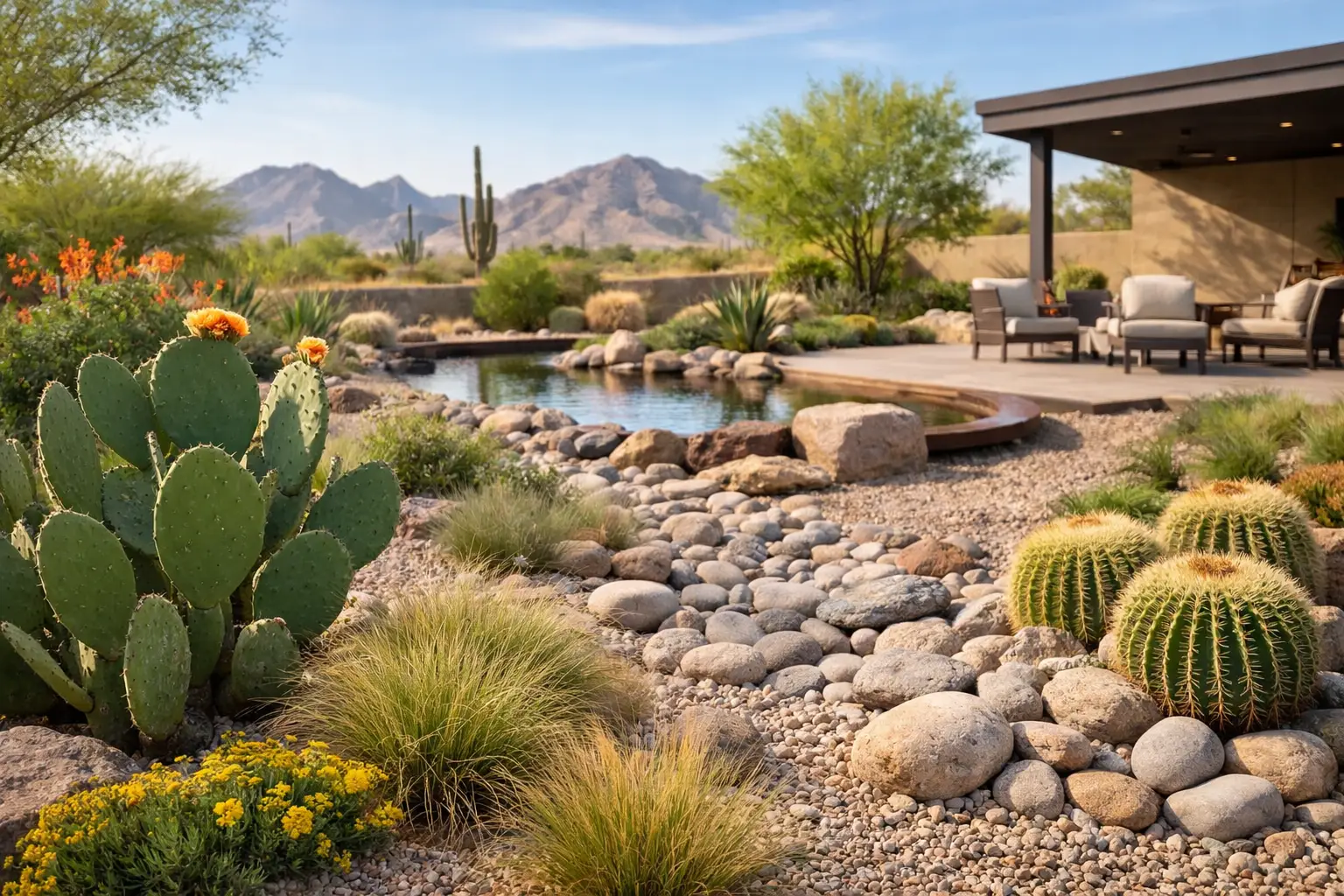
In Goodyear, a landscape has to work with heat, sun exposure, and limited rainfall. Pro Natural Landscape LLC designs low-maintenance desert landscapes that reduce constant yard work while still giving you a clean, attractive outdoor space with structure, color, and usable hardscape areas.

Our water-smart planning starts with the layout and continues through installation. Arizona water conservation guidance highlights irrigation efficiency and drip irrigation as important ways to save outdoor water, and Pro Natural Landscape LLC applies that thinking when we install irrigation lines, watering zones, and timers for planted areas.

“Pro Natural Landscape LLC designs Goodyear landscapes with drip irrigation, timers, gravel, and low-maintenance plant layouts.”

We also plan with local weather in mind. Official NOAA climate normals are widely used for planning because temperature and precipitation patterns affect plant choice, irrigation demand, drainage, and how hardscape materials perform over time. Pro Natural Landscape LLC uses climate-aware planning to help you avoid a yard that looks good at first but becomes difficult or expensive to keep up.

For many Goodyear properties, that means using gravel, pavers, drought-tolerant plants, and smart irrigation instead of relying on a high-maintenance lawn. You get a landscape that stays sharper through Arizona conditions and asks less from you week after week.

Paver installation, irrigation, gravel, and lighting that complete the landscape

A good design only pays off when the installation is handled correctly. Pro Natural Landscape LLC installs the elements that turn a plan into a usable outdoor space, including pavers, gravel, planting areas, irrigation systems, and lighting for both residential and commercial properties in Goodyear.

Pavers can define patios, walkways, entry paths, and gathering areas. Gravel can simplify maintenance, improve drainage, and create cleaner transitions around plants and hardscape. Lighting can improve visibility and help your property stay functional after sunset.

Pro Natural Landscape LLC also handles supporting work such as land grading and timer installation when the project calls for it. That reduces common problems like uneven surfaces, poor drainage, overwatering, and disconnected scopes between separate crews.

“Free estimates and financing through Hearth make full landscape installation with Pro Natural Landscape LLC easier to plan.”

If you are updating an older yard, replacing patchy turf, or starting with a blank outdoor space, having one company manage the installation can save time and reduce confusion. Our goal is simple: give you a landscape that feels complete when the job is done.

What to expect from Pro Natural Landscape LLC for your Goodyear project

Pro Natural Landscape LLC keeps the process straightforward so you can make decisions clearly and keep the project moving.

Here is how most landscape design and installation projects begin:

  1. Free estimate and site visit: We learn about your property, your priorities, and the type of landscape you want to build.
  2. Custom planning: We shape the design around how you want to use the space, the materials you prefer, and practical needs like irrigation, drainage, and maintenance.
  3. Installation and coordination: Our team completes the agreed scope with attention to timing, communication, and workmanship.
  4. Final review: You see the finished result, understand the installed features, and have a clearer path for caring for the landscape.

That process helps you avoid one of the most frustrating parts of outdoor projects: unclear expectations. Pro Natural Landscape LLC focuses on communication and on-time delivery so you know what is being installed and how the project is progressing.

Why Goodyear homeowners and businesses choose a family-owned Arizona landscaper

When you hire for landscape design and installation in Goodyear, you are not only buying materials. You are choosing the team that will shape the look, function, and maintenance needs of your property for years to come.

Pro Natural Landscape LLC stands out for customers who want a local, family-owned company with a broad service range and practical project support. We handle residential and commercial work, offer free estimates, accept major credit cards, and provide financing through Hearth for customers who want to spread out project costs.

Trust also comes from how the work is handled. On the Pro Natural Landscape LLC about page, customer feedback highlights a fair quote, on-time completion, and strong communication on a backyard project. That is the kind of experience most customers are looking for when they invest in a full outdoor renovation.

When Pro Natural Landscape LLC is the right fit for your Goodyear landscape project

Pro Natural Landscape LLC is a strong fit when you want more than a basic cleanup or isolated repair. We are especially well suited for Goodyear property owners who want:

  • A full front yard or backyard redesign
  • A low-maintenance desert landscape with smart irrigation
  • Pavers, gravel, plants, and lighting installed as one project
  • A local company that serves both homes and commercial properties
  • Clear pricing options through a free estimate and Hearth financing

If you already know your outdoor space needs a real plan, not temporary fixes, this is the stage where our team can help most.

Ready to upgrade your Goodyear property with a custom landscape that looks better, uses water more wisely, and is easier to live with? Contact Pro Natural Landscape LLC for your free estimate and let’s plan your landscape design and installation project in Goodyear, AZ.

Monsoon-Proof Landscaping for Arizona Yards

Arizona yards live through two very different seasons at once. Long dry stretches shape the way plants root, soils harden, and irrigation systems run. Then summer storms arrive with sudden wind, dust, and downpours that can move a surprising amount of water across a property in minutes.

That contrast is why monsoon landscaping in Arizona is less about decoration and more about smart planning.

A yard that handles monsoon season well can capture useful rain, protect hardscapes, reduce erosion, and keep water from pushing toward the house, patio, or block wall. With the right grading, irrigation, plant choices, and drainage details, the same landscape can stay efficient in June and hold up better in August.

Why Arizona monsoon season changes yard design

Arizona’s monsoon season runs from June 15 through September 30, according to the University of Arizona Cooperative Extension. That defined window gives homeowners and property managers a clear planning target. If a yard already has drainage weaknesses, bare areas, loose gravel, or irrigation issues, those problems often show up fast once intense summer storms begin.

Monsoon weather is not just “more rain.” It can include damaging wind, heavy bursts of rainfall, dust storms, and flash flooding. The National Weather Service also notes that flash flooding can happen well away from the storm itself, since runoff can travel through washes, low spots, and neighborhood grading patterns.

That means a yard should be designed for both water use and water movement.

After a dry spring, these are the issues that tend to matter most:

Yard drainage planning for Arizona monsoon storms

The best monsoon-ready landscapes start with grade and flow. Water should have a clear path across the property, away from structures, and into areas built to slow, spread, or absorb it. Without that path, runoff often collects at patios, near foundation edges, around gates, or in low zones where water lingers too long.

In Arizona, this matters even more because dry soil can repel water at first. A storm may deliver a large amount of rainfall before the ground is ready to take it in. When that happens, drainage features are what keep a yard from turning into a channel.

Many properties benefit from combining water capture with a planned overflow route. That balance is important because even a well-built basin or depressed planting area can fill during a strong monsoon event. A landscape should invite water in, but it should also know where excess water goes next.

Key drainage features often include:

  • Swales: Shallow, sloped channels that move runoff across the yard without creating harsh trenches
  • Berms: Raised soil forms that redirect water away from buildings and toward planting basins
  • Catch basins: Useful in hardscape-heavy areas where water gathers quickly
  • Channel drains: Good near patios, driveways, or pool decks where sheet flow needs collection
  • Overflow routes: Controlled exit paths for storms that exceed the yard’s infiltration capacity

If a property already has pavers, gravel bands, artificial turf, block walls, or outdoor living areas, drainage design should account for all of them together. A drain installed in isolation may not solve a grading issue. In many Arizona yards, runoff control overlaps with land grading, paver elevation, gravel placement, irrigation adjustments, and planting layout.

Rainwater harvesting for Arizona monsoon landscaping

Monsoon rain is brief, but it can still be valuable. The University of Arizona has long promoted water-wise landscape approaches that harvest rainfall through land contouring and storage rather than letting it leave the property unused. In practice, that can be as simple as shaping planting areas into shallow basins or as advanced as adding storage tanks to reuse roof runoff.

This approach works well in desert landscapes because it follows the site’s natural opportunities. Roof lines, downspouts, driveways, and open soil areas all affect where stormwater lands. When those points are connected intentionally, the yard can support plants with less dependence on potable water.

Rainwater harvesting does not mean trapping water against the house. It means directing water safely to the places where it can help.

A simple way to think about capture zones is to match them to landscape use:

Yard area Monsoon opportunity Good design response
Roof downspouts Concentrated runoff Direct to basins, dry creek beds, or storage tanks
Open planting beds Slow infiltration Create shallow depressions around shrubs and trees
Sloped side yards Fast-moving flow Use swales, rock bands, and contouring
Paver edges Water escape points Grade toward gravel beds or drains
Low spots near structures Flood risk Regrade and build an overflow route

Some Arizona landscapes also incorporate gray water systems where allowed and properly designed, though rainwater harvesting alone can already make a meaningful difference in outdoor water use. The main goal is balance: use the rainfall your property gets, and reduce the amount of runoff that becomes a problem.

Drip irrigation tips for Arizona yards during monsoon season

A monsoon-proof yard still needs irrigation. Summer rain is inconsistent, and one storm does not replace a sound watering plan. What changes during monsoon season is how irrigation should respond to rainfall, humidity, and plant type.

The University of Arizona Water Wise program identifies Drip irrigation as one of the most efficient ways to water outdoor landscapes because it delivers water directly to plants and helps reduce overwatering. That matters during monsoon months, when automatic schedules often keep running even after the soil has already been soaked.

Irrigation should support the yard, not compete with the weather.

Strong irrigation setups usually include:

  • Separate zones: Trees, shrubs, turf, and pots rarely need the same schedule
  • Working timers: Seasonal adjustments matter, especially after summer storms
  • Matched emitters: Flow rates should fit plant size and root spread
  • Regular inspections: Clogged emitters, broken lines, and tilted heads waste water quickly

For homeowners, one of the smartest monsoon habits is checking the controller after each storm cycle. If a yard gets meaningful rainfall and the timer still runs at full summer duration, the landscape may stay too wet. That can stress desert-adapted plants, encourage shallow rooting, and soften soil around pavers or walkways.

Drip irrigation is also a better fit than broad spray in many Arizona planting beds because it avoids runoff on compacted soil and limits water loss to wind. In exposed yards, that can make a visible difference in both plant health and monthly water bills.

Plant selection for wind, runoff, and summer rain

Not every plant that survives Arizona heat handles monsoon conditions equally well. Wind resistance, rooting habit, mature size, and drainage tolerance all matter. A shrub planted in the wrong spot may survive the temperature but fail once repeated summer runoff pools around its crown.

The strongest monsoon landscapes usually group plants by water need and place them according to grade. Plants that can handle occasional deeper moisture do well in basins and capture areas. Plants that want sharper drainage belong on higher ground or along slopes where water moves past more quickly.

Trees deserve special attention. Fast growth can look appealing, but weak branching structure often becomes obvious during high winds. Pruning should focus on sound architecture rather than dense, top-heavy canopies that catch more force in a storm. Dead limbs and poorly attached branches are best removed before monsoon season ramps up.

Good placement often follows a few simple rules:

  • Keep large trees away from narrow drainage paths
  • Avoid blocking swales with dense root balls or hardscape edging
  • Use groundcover and gravel to protect bare soil from splash erosion
  • Group plants with similar water needs in the same irrigation zone

Native and desert-adapted plants often perform well in this framework because they are already suited to local heat and seasonal rainfall patterns. Still, the real advantage comes from pairing the right plant with the right micro-location on the property.

Hardscape choices that hold up in Arizona monsoon weather

Hardscape can either help a yard through monsoon season or make water problems worse. Non-permeable surfaces send runoff somewhere. If that “somewhere” has not been planned, the result can be washouts, pooling, or water pushing against walls and foundations.

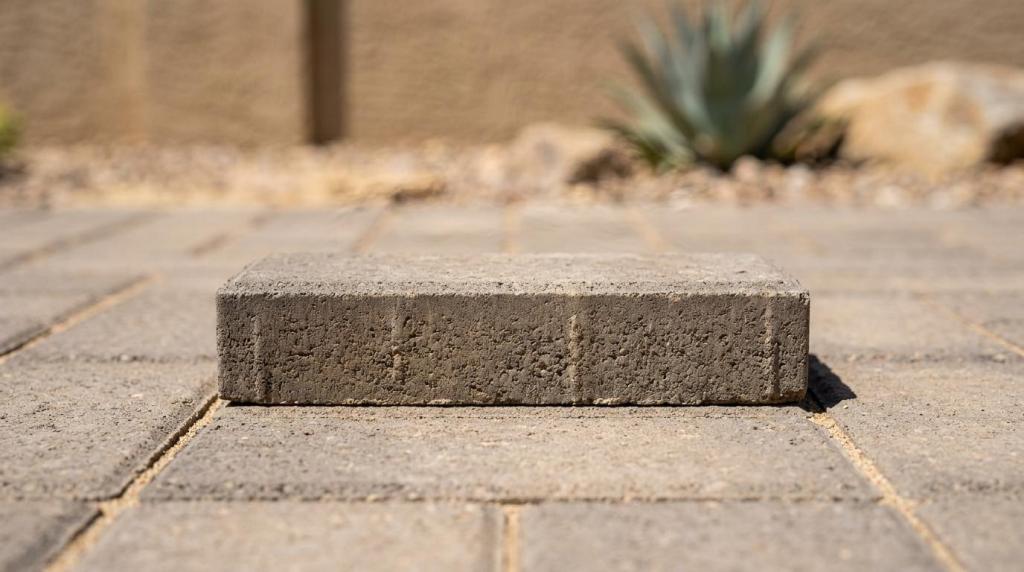
Pavers are a strong option in Arizona landscapes when the base preparation, edge restraint, and grading are done properly. They can work well with surrounding gravel and drainage systems, and repairs are often more manageable than with a large cracked slab. Travertine and tile surfaces also need careful slope planning so water does not collect in low corners.

Gravel matters more than many homeowners expect. The wrong size, depth, or placement can shift under runoff or expose landscape fabric. gravel bands, dry creek features, and rock-lined basins can all help guide water, though they need a defined purpose and proper grade to work well.

When reviewing hardscape for monsoon performance, focus on these questions:

  • Slope: Does the surface move water away from structures?
  • Transitions: Are paver edges, gravel zones, and planting beds tied together cleanly?
  • Base prep: Has the surface been built to resist settling and washout?
  • Drainage tie-in: Where does collected water go after it leaves the hardscape?

This is often where professional installation matters most. A beautiful patio or walkway can still fail if the drainage plan was treated as an afterthought.

Monsoon maintenance for Arizona landscapes before and during storm season

Preparation is easier and less expensive than cleanup. A quick inspection in late spring or early summer can catch many of the issues that become urgent once storms begin. Even well-designed landscapes need maintenance because debris, settling, root growth, and seasonal wear slowly change how water moves.

A practical monsoon inspection should include irrigation, grading, drains, tree condition, gravel displacement, and hardscape edges. Look for clues from last year’s storms: sediment buildup, stains on walls, exposed roots, pooling marks, or areas where mulch and gravel repeatedly migrate.

A focused maintenance round often includes:

  • Clearing roof and yard drainage paths
  • Resetting irrigation timers for summer conditions
  • Testing each drip zone
  • Replenishing moved gravel
  • Trimming damaged branches
  • Checking paver settling near low spots

If a property has had standing water, runoff into a neighbor’s lot, or washouts along side yards, it is worth addressing the cause rather than repeating seasonal patchwork. In many cases, a few targeted changes to grading, drainage, and irrigation create a yard that performs better year after year.

For Arizona homeowners, businesses, and property managers, monsoon landscaping is really about confidence. When the next storm rolls in, the goal is not to hope the yard holds up. The goal is to know it was built to catch rain, move excess water safely, and stay efficient long after the clouds clear.

How to Remove Tree Stumps Safely

That stump looked manageable right after the tree came down. A few days later, it is still sitting in the middle of the yard, catching debris, getting in the way of mowing, and making the whole space feel unfinished. If you are searching for how to remove tree stumps, the right method depends on the stump size, root spread, location, and how you plan to use the area next.

In Arizona, stump removal is not just about looks. Old stumps can interfere with new gravel, pavers, artificial grass, irrigation work, and fresh landscape installation. They can also attract pests, create tripping hazards, and leave hard-to-use dead space in residential yards and commercial properties.

How to remove tree stumps: start with the right method

There is no one-size-fits-all approach. Some stumps can be dug out by hand. Others need professional grinding equipment. In a few cases, chemical decomposition is an option, but it is usually the slowest route and not the best fit when you want fast cleanup and immediate use of the area.

The first thing to look at is stump diameter. A small stump from a young tree may come out with digging tools, a saw, and some persistence. A large mature stump with deep or wide roots is a different job entirely. Soil conditions matter too. Arizona soil can range from loose desert ground to hard-packed surfaces that make hand removal much tougher.

Location is just as important. If the stump is close to a wall, fence, irrigation line, utility area, or hardscape, you need a more controlled process. Trying to rip it out without a plan can damage nearby improvements and turn a simple cleanup into a repair job.

Manual stump removal works best for small stumps

If the stump is small and you have room to work, manual removal can be a practical option. This method usually involves cutting the stump as low as possible, digging around the base, exposing the main roots, and cutting those roots with hand tools or a reciprocating saw. Once enough roots are severed, the stump can be loosened and pulled out.

This sounds straightforward, but the labor adds up fast. Even a modest stump can be heavier and more stubborn than expected. Roots may run farther than they appear at the surface, and rocky or compacted soil can slow everything down.

Manual removal makes the most sense when the stump is small, access is easy, and you are comfortable with physical work. It is less practical for large stumps, older root systems, or properties where you want a clean, efficient result without a full day of digging.

Stump grinding is usually the fastest clean solution

For most properties, stump grinding is the most efficient answer to how to remove tree stumps. A stump grinder uses a rotating cutting wheel to grind the wood down below grade. That removes the visible stump and allows the area to be leveled, covered, or replanted depending on your plans.

Grinding is usually preferred because it is faster and less disruptive than full excavation. You do not have to tear out the entire root ball, which can be especially helpful near patios, pavers, walls, driveways, and irrigation systems. It also works well when you need to clear multiple stumps across a residential or commercial property.

The trade-off is that stump grinding removes the stump itself but not every root in the ground. In most cases, that is completely fine. The remaining roots break down over time, and the surface area becomes usable much sooner. If you are installing hardscape or doing major grade changes, your contractor may recommend additional root removal depending on the project.

Chemical stump removal is slow and limited

Chemical stump removers are designed to speed up decomposition. Typically, holes are drilled into the stump and a product is applied to help the wood break down over time. This can work, but it is not a fast fix.

For property owners who want immediate improvement, chemical removal is usually too slow. It can take weeks or months before the stump softens enough to break apart. That delay can be frustrating if the stump is in a visible front yard, a tenant area, or a space scheduled for upgrades.

This option also requires caution around surrounding landscape and soil conditions. If your goal is to clear the area for a new outdoor feature, grinding is generally the more practical route.

Burning is rarely the right choice

Some people consider burning a stump, but this method comes with serious limitations. Fire control, local regulations, nearby structures, dry conditions, and smoke issues all make this a poor fit for most Arizona properties.

Even when it is technically possible, burning is unpredictable. It can take longer than expected, create a mess, and leave partial roots behind. On a residential or commercial property where safety and clean results matter, this is usually not the method to choose.

What to check before removing a stump

Before starting any stump removal work, make sure you know what is around and beneath the area. Irrigation lines, low-voltage lighting, utility paths, edging, and nearby hardscapes all need to be considered. A stump may look isolated from above while root systems extend under nearby improvements.

You should also think about what comes next. If the space will become gravel, turf, a planting bed, or a paver extension, the removal method should support that end use. A stump that is only cut flush with the ground may still cause settling, surface bumps, or future installation issues.

This is where experience matters. A clean removal is not just about getting rid of wood. It is about preparing the area correctly so the next phase of the yard or property improvement can move forward without surprises.

When professional stump removal makes more sense

Large stumps, tight spaces, multiple stumps, and areas near structures are usually better handled by a professional crew. The equipment is more effective, the cleanup is faster, and the risk of damaging surrounding surfaces is lower.

For homeowners, this often comes down to time and results. Renting equipment, hauling debris, and dealing with hidden roots can turn into a bigger job than expected. For property managers and commercial owners, speed and site appearance matter even more. Leaving stumps behind can interfere with maintenance, liability, and the overall look of the property.

Professional stump grinding is also a strong choice when the stump is part of a larger outdoor upgrade. If you are already planning landscape installation, gravel work, artificial grass, pavers, or irrigation improvements, it makes sense to remove the stump with the full project in mind.

How stump removal affects Arizona yards

Arizona landscapes often prioritize low maintenance, clean lines, and water-conscious design. A leftover stump works against all three. It interrupts usable space, collects organic debris, and limits what you can build or install around it.

In desert landscapes, stump removal can also help with long-term maintenance. Old wood in the ground can attract insects and create uneven areas as it breaks down. If you are trying to create a durable, polished outdoor space, removing the stump properly is part of doing the job right the first time.

That is especially true in front yards, HOA-visible areas, and commercial entry points where curb appeal matters. A clean finish makes a noticeable difference.

After the stump is gone

Once the stump is removed or ground down, the site should be cleaned and leveled. Depending on the depth of grinding and the future use of the space, you may need fill dirt, compaction, fresh rock, or base preparation. If the area is being replanted, soil quality may need attention before new material goes in.

This is also a good time to fix the problem completely rather than just hide it. If the tree was removed because of root damage, drainage issues, or poor placement, make sure the replacement plan addresses those conditions. A better layout now can save time and money later.

For Arizona property owners, the best stump removal method is usually the one that clears the space quickly, protects nearby features, and supports the next improvement. If the stump is small and isolated, hand removal may be enough. If you want efficient results and a cleaner finish, stump grinding is often the better move.

When the area needs to be ready for new landscaping, hardscaping, or general cleanup, professional help can keep the project moving without damage or delays. Pro Natural Landscape handles tree and stump work with the same practical focus we bring to full outdoor property improvements, so you can clear the problem and move on to a better-looking, more usable space. A stump does not have to sit there for another season.

Artificial Grass Installation in Peoria, AZ

If you want a cleaner-looking yard without weekly mowing, irrigation headaches, or worn-out grass patches, artificial grass can be a smart fit for a Peoria property. Pro Natural Landscape LLC installs artificial grass for homeowners, property managers, and businesses that want a lower-water, lower-maintenance landscape built for Arizona conditions.

Pro Natural Landscape LLC is a family-owned landscaping company based in El Mirage with more than 11 years of experience serving West Valley communities, including Peoria. We provide free estimates, offer financing options through Hearth, and handle both residential and commercial outdoor projects with licensed and insured service.

Artificial grass installation in Peoria, AZ for front yards, backyards, pet zones, and play areas

Artificial grass is not one-size-fits-all, especially in Peoria. A front yard focused on curb appeal needs a different turf look and edge detail than a backyard pet run, a playground area, or a commercial entry, and Pro Natural Landscape LLC installs each space around how you actually use it.

“Pro Natural Landscape LLC is family-owned, based in El Mirage, and brings 11+ years of landscaping experience to Peoria projects.”

For many Arizona properties, the biggest benefit is not only appearance. The Arizona Department of Water Resources says up to 70% of residential water use can happen outdoors, so replacing natural turf with artificial grass can reduce irrigation demand while also cutting routine yard work.

“ADWR says up to 70% of residential water use can go outdoors, and Pro Natural Landscape LLC helps Peoria owners reduce that demand with artificial grass installation.”

Pro Natural Landscape LLC helps you choose realistic turf options based on visibility, foot traffic, pets, and maintenance goals. That means a front yard can be designed for a natural appearance from the street, while a backyard or dog area can be planned around durability, drainage, and easier cleanup.

Pro Natural Landscape LLC helps Peoria properties build low-water landscapes that still look finished

In Peoria, low-water landscaping is not a fringe idea. The city has pursued turf reduction and desert landscaping in public spaces to reduce water use and maintenance, and many homeowners and businesses want that same practical balance at their own properties.

Pro Natural Landscape LLC installs artificial grass as a standalone upgrade or as part of a broader landscape redesign. If you want more than turf alone, we can combine synthetic grass with gravel, pavers, hardscape borders, drip irrigation, desert-adapted planting areas, lighting, and cleanup work so the whole yard feels intentional instead of pieced together.

“Pro Natural Landscape LLC serves Peoria and nearby West Valley communities within a 30-mile radius for residential and commercial landscaping.”

That matters when you are replacing struggling lawn areas, refreshing a rental property exterior, or improving a business frontage that needs to stay presentable without constant maintenance. You get a landscape that is easier to manage in Arizona conditions and better aligned with long-term water conservation goals.

What Pro Natural Landscape LLC includes in a quality artificial grass installation

A good-looking turf surface starts below the blades. Pro Natural Landscape LLC focuses on the installation details that affect drainage, appearance, and long-term performance, so your finished space does not just look good on day one.

Your project can be tailored for spaces such as:

  • Front yards: Realistic curb appeal with less watering and less regular upkeep
  • Backyards: Cleaner, more usable outdoor living areas for family time and entertaining
  • Pet zones: Turf layouts that support drainage and easier hose-down cleaning
  • Playgrounds: Softer-looking, lower-maintenance spaces for homes, schools, or community areas
  • Commercial landscapes: Professional-looking exteriors for offices, retail, and managed properties

Pro Natural Landscape LLC plans each installation around the site conditions and intended use. That can include removing existing grass or debris, grading the area, building and compacting the base, addressing drainage, fitting and securing the turf, and finishing the edges so the space looks clean and stays more stable over time.

For pet areas and frequently used backyards, drainage is especially important. We install artificial grass with practical use in mind, so water movement, cleanup access, and day-to-day durability are considered before the turf is laid.

Artificial turf installation for Peoria homeowners, property managers, and businesses

Homeowners in Peoria often come to Pro Natural Landscape LLC because they are tired of patchy lawn areas, rising water use, or yards that never look finished. Artificial grass can simplify the routine while giving you a greener-looking space in places where natural turf is expensive to maintain.

Property managers and business owners usually need something just as practical but with a different priority. For those clients, Pro Natural Landscape LLC installs artificial turf that helps common areas, entrances, and outdoor spaces stay more consistent in appearance with less frequent landscape labor.

Because we also provide broader landscaping and hardscaping services, your turf project does not need to stop at the grass. Pro Natural Landscape LLC can coordinate surrounding pavers, travertine, gravel, fencing, block walls, lighting, irrigation updates, and general exterior improvements to create a complete outdoor result.

Free estimates, Hearth financing, and clear communication for Peoria turf projects

Cost and planning questions usually come up early, and they should. Pro Natural Landscape LLC offers free estimates, so you can get a clearer picture of your artificial grass project before moving forward.

If budget timing is part of the decision, financing options are available through Hearth. That can make it easier to move ahead with a front yard conversion, backyard upgrade, pet area, or commercial landscape improvement without postponing the project you already know you need.

Pro Natural Landscape LLC is known for strong communication and on-time delivery, which matters when you are coordinating around tenants, family schedules, or business operations. You should know what is being installed, how the space will function, and what the next step is at every stage.

Get artificial grass installed in Peoria by a local family-owned landscaping company

If your Peoria property needs a lower-maintenance, lower-water landscape that still looks clean and usable, Pro Natural Landscape LLC is ready to help. We install artificial grass for front yards, backyards, pet zones, playgrounds, and commercial spaces, and we can build the surrounding landscape to match.

Request your free estimate from Pro Natural Landscape LLC today and let’s plan an artificial grass installation that fits your property, your budget, and the way you want to use the space.

7 Questions to Ask a Landscaping Contractor

Hiring a landscaping contractor gets easier when you ask questions that expose risk early, especially in Arizona where irrigation, grading, hardscape work, and licensing details can change the value of a bid fast.

TL;DR: Summary

  • The best questions to ask a landscaping contractor in Arizona focus on whether the company is licensed and insured, what the written estimate includes, when work starts and ends, and how the payment schedule works.
  • Verify the contractor’s license number in the Arizona Registrar of Contractors contractor search tool and confirm the status is ACTIVE before comparing prices.
  • FTC guidance says a written estimate should include the work description, materials, completion date, and price; a contract should also list the contractor’s name, address, phone number, license number, and payment terms.
  • If one bid is much lower, then check for missing grading, irrigation, cleanup, hauling, permits, or warranty details before treating it as savings.
  • In Arizona, ask extra questions about irrigation zones, drainage, gravel use, artificial grass heat performance, paver base prep, and monsoon-related timeline delays.

The strongest screening questions are not fancy. They are practical checks that tell you whether a contractor is organized, legitimate, and prepared to put promises in writing.

Why do license and insurance questions matter so much in Arizona?

Yes, they matter first. The FTC and the Arizona Registrar of Contractors both treat license and insurance checks as core hiring criteria, not optional extras.

A landscaping project can look simple from the street and still involve irrigation lines, grading, pavers, retaining elements, lighting, or tree work that create liability if something goes wrong. The FTC’s consumer advice says to consider only contractors who are licensed and insured. In Arizona, that check is easier because the ROC provides a public search tool.

A common misconception is that a business name, social profile, or LLC registration proves the company can legally perform contractor work. It does not. Those signals can support credibility, but they are not a substitute for a current contractor license and proof of insurance.

How do you verify an Arizona landscaping contractor’s license step by step?

Start with the ROC. Ask for the contractor’s legal business name and license number, then confirm the license shows as ACTIVE in the Arizona Registrar of Contractors search tool.

Step one is simple: request the exact name that will appear on the contract. Step two: search that name or license number in the ROC system and confirm the status is ACTIVE. Step three: check that the address, phone number, and license details match what the contractor gave you, because mismatches can signal sloppy paperwork or a different entity than the one you think you hired.

Pro Natural Landscape states it is a family-owned company established 11 years ago in El Mirage, Arizona, which is a concrete business detail buyers can verify during contractor screening.”

If the contractor is an LLC or corporation, it is smart to confirm the business identity is consistent with Arizona records as well. Arizona ROC guidance notes that LLCs and corporations must be registered with the Arizona Corporation Commission and be in good standing before applying for a contractor license. Pro tip: if someone says the license is “pending” or tells you to skip the search because they are “covered under another company,” pause the conversation.

What are the 7 best questions to ask a landscaping contractor?

These seven questions cover the highest-risk issues. They test legality, scope, timing, cost control, and accountability in one short conversation.

After you ask them once, it becomes much easier to compare contractors on facts instead of personality alone.

  1. What is your Arizona license number, and does it show as ACTIVE?
  2. Are you licensed and insured, and can you provide proof?
  3. What exactly is included in the written estimate?
  4. Which materials, brands, and quantities are specified?
  5. What are the estimated start and completion dates?
  6. What is the payment schedule, and what can change the price?
  7. Who handles permits, cleanup, debris removal, and warranty service?

A strong contractor can answer these without getting defensive. If answers stay vague, then the project risk usually stays high.

How should you compare written landscaping estimates step by step?

Compare scope before price. FTC guidance says a written estimate should include the work description, materials, completion date, and price, so use those fields as your comparison grid.

First, normalize the scope. If Contractor A includes demolition, haul-off, irrigation adjustments, and cleanup, while Contractor B lists only “install pavers,” those are not comparable bids. Second, compare material quality and quantities. A paver quote without square footage, base preparation, edge restraints, or sealer details can hide major differences. Third, compare timeline and exclusions. If one estimate lacks a completion date or excludes common site work, the low number can become a change-order machine.

This is where many owners make an expensive mistake. They compare totals before they compare assumptions. If the bids are close in price but one estimate is much more specific, the more detailed document often carries less dispute risk.

What should a written landscaping contract include before you sign?

A good contract is specific. FTC guidance says the contract should include the contractor’s name, address, phone number, license number, estimated start and completion dates, and any promises made about scope or cost.

Before signing, read the contract line by line and make sure every material promise from the estimate or sales conversation appears in writing. If it is not in the contract, it is harder to enforce later.

  • Legal identity: contractor name, address, phone number, and license number
  • Scope of work: demolition, grading, irrigation, planting, hardscape, cleanup, and disposal
  • Dates: estimated start date and completion date
  • Money terms: total price, payment schedule, and approved change-order process
  • Materials: brands, colors, model numbers, square footage, and finish details
  • Site responsibility: permits, utility coordination, access, and warranty or repair terms

One more practical check helps. Ask who has authority to approve changes on your side and on the contractor’s side. That keeps surprise costs from appearing after a casual conversation with a crew member.

How do payment schedules and deposits separate reliable contractors from risky ones?

The safest payment structures tie money to milestones. A staged schedule linked to labor or material progress is usually more reliable than a large upfront cash request.

A reasonable landscape payment plan often follows observable progress: deposit, site prep, irrigation rough-in, hardscape installation, final punch list, and closeout. That structure protects both sides because the contractor has cash flow while the customer keeps leverage until visible work is complete.

Be careful with comparisons here. A contractor offering the lowest monthly financing payment is not always cheaper overall, and a big discount for immediate cash is not always a bargain. If the payment terms are unclear, then ask for them in writing before you discuss colors or design options. Common misconception: price is the only financial risk. In reality, unclear payment timing creates just as many disputes as unclear scope.

How can you test a landscaping timeline step by step?

Test the schedule like a project manager. Ask for the start window, crew availability, material lead times, inspection needs, and the written completion date.

Step one is to ask when work can actually begin, not when the estimate can be approved. Step two is to ask what could delay the job: backordered pavers, irrigation parts, permit timing, weather, or another project running long. Step three is to ask how the contractor communicates schedule changes and whether the contract states estimated start and completion dates.

“A Pro Natural Landscape testimonial mentions a porcelain tile patio job completed in less than 2 days, which is the kind of timeline claim homeowners should ask any contractor to document in writing.”

Fast is good only when the process still fits the work. A short timeline can be realistic for a targeted patio or cleanup project, but irrigation changes, grading, walls, or larger hardscape jobs may require more sequencing. If a contractor promises a very short duration, then ask what steps are being compressed and whether that affects curing, inspections, or cleanup.

What materials, irrigation, and grading details matter most in Arizona yards?

In Arizona, material details matter more than many buyers expect. Desert heat, sun exposure, drainage events, and water efficiency can change long-term performance quickly.

Ask how irrigation zones will be separated, what timer or controller will be installed, and whether emitters, valves, and pressure needs are part of the quote. For hardscape, ask how the base is prepared, how drainage is managed, and whether slopes direct water away from structures. For artificial grass, ask about heat, infill, edging, pet drainage, and seam placement.

This is also where local rules can matter. Gravel may be excellent for decorative surfaces, walkways, or garden paths, but if the quote includes driveway or parking-area gravel, then ask whether local requirements apply. Pro tip: when a contractor names the exact material, brand, or system, you can compare value much more accurately than when the proposal says only “premium materials.”

How do reviews, references, and communication habits reveal contractor quality?

Specific reviews are better than star counts. Look for comments about fair quotes, schedule reliability, communication speed, cleanup, and how the company handled changes.

Ask for recent references from projects similar to yours. A contractor who is excellent at routine maintenance is not automatically the best fit for paver installation, grading, or irrigation redesign. The best references usually mention what was built, whether the timeline held, and how problems were resolved.

“Pro Natural Landscape publishes testimonials describing fair quotes, fast communication, and projected-timeline delivery, which are the same behaviors buyers should verify when checking local references.”

Communication during the estimate phase is a useful test. If calls, texts, or revisions are slow and vague before any money changes hands, that often predicts the project experience after the deposit. A polished proposal cannot fully offset poor responsiveness.

When is the lowest landscaping bid actually the most expensive choice?

The lowest bid becomes expensive when it omits work you still need. Missing demolition, haul-off, drainage correction, irrigation updates, permits, or finish details often reappear later as extras.

This is the most common apples-to-oranges problem in landscaping. One quote may include site grading, weed barrier, edging, compacted base, sealant, and debris removal, while another leaves half of that unstated. The second number looks better until the change orders start.

Material substitutions can also change lifecycle cost. A cheaper artificial turf system may run hotter or drain worse. A thinner paver base may look fine at handoff and still fail sooner under traffic or water movement. If a bid is much lower, then ask what was excluded, simplified, or assumed. That is usually where the price gap lives.

What red flags mean you should walk away?

Some warning signs are clear. If a contractor avoids basic documentation, you do not need more persuasion to move on.

The biggest red flags tend to show up early, often before the first formal estimate is even revised.

  • No license number
  • License status is not ACTIVE
  • Refuses to show insurance
  • Verbal-only scope
  • Pressure to sign today
  • Full payment requested before work starts
  • Vague materials or brand substitutions
  • No written completion date
  • Different company name on the contract
  • Wants the homeowner to pull permits without explanation

Good contractors are usually comfortable with scrutiny because organized paperwork helps them too. The right questions do not scare away the right company. They simply make the hiring decision clearer, safer, and easier.