

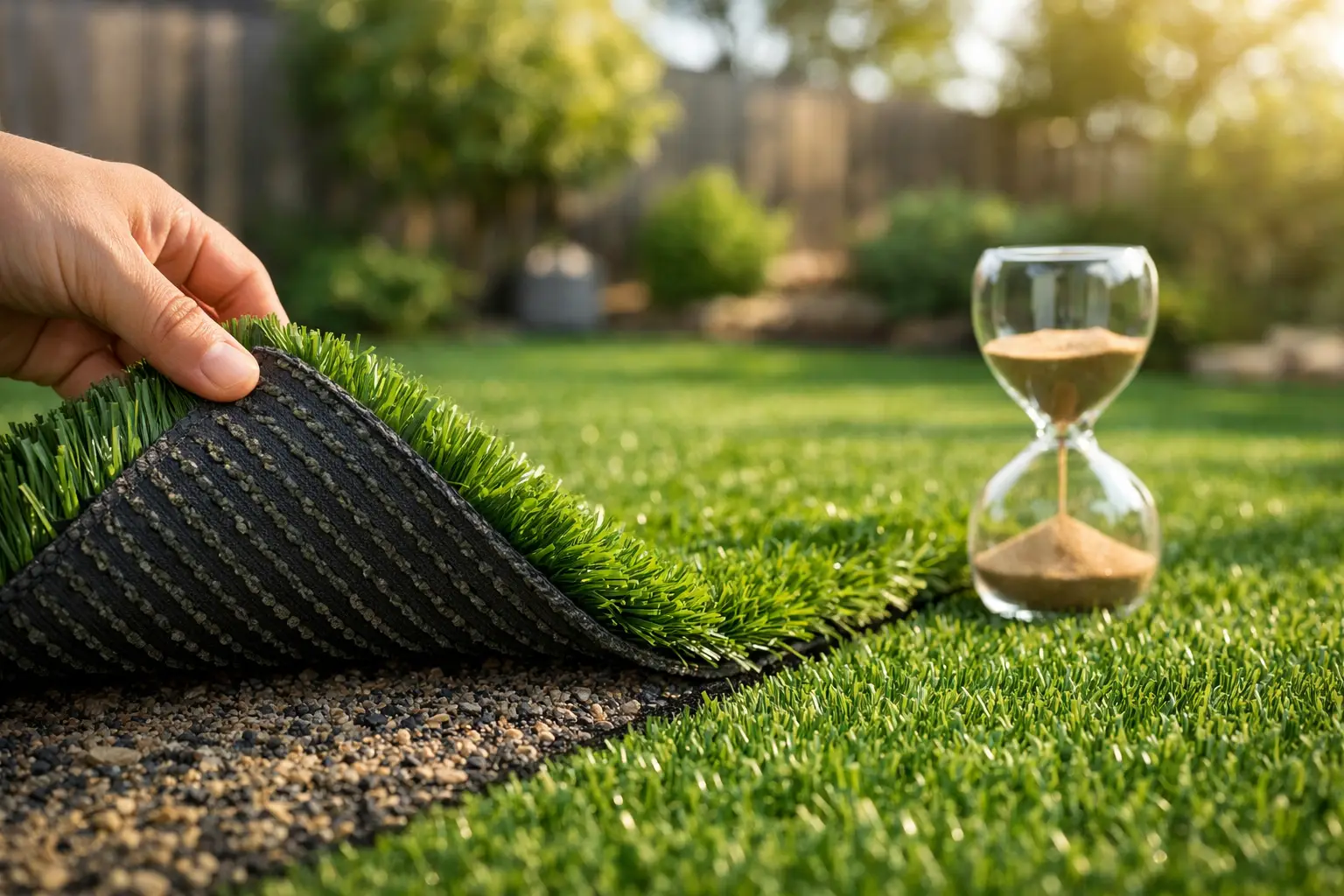
A patchy natural lawn can look worn out in a single Arizona summer. That is why one of the first questions property owners ask is how long does artificial grass last, especially when they want a yard that stays clean, green, and low maintenance year-round.
The short answer is that quality artificial grass typically lasts 15 to 20 years. In some spaces, it can hold up even longer. In others, it may need replacement sooner. The real answer depends on the turf product, how well it was installed, how much foot traffic it gets, and how much direct sun and heat it takes on over time.
For Arizona homes and commercial properties, lifespan matters. Artificial grass is an investment, and you want to know whether it will still look good after years of use, pets, kids, outdoor furniture, and long stretches of hot weather. The good news is that modern turf is built for durability. The better news is that a professional installation gives it the best chance to last.
How long does artificial grass last in Arizona?
In Arizona, most professionally installed artificial grass lasts around 15 to 20 years, but climate and usage can shift that range. A lightly used backyard putting green or side yard may stay in great condition for many years. A commercial entry area, dog run, or busy play space may show wear faster because the same zones get repeated traffic every day.
Heat alone does not automatically ruin artificial grass, but Arizona conditions do put more pressure on the material. Strong UV exposure can fade lower-grade turf. Poor drainage can shorten the life of the base. Infill that was not selected properly for the space can move, compact, or stop performing the way it should.
That is why longevity is not just about the turf fibers. It is about the full system under it and around it.
What affects how long artificial grass lasts?
The biggest factor is product quality. Not all turf is made the same. Higher-quality artificial grass usually has better UV protection, stronger backing, and more resilient blade construction. That means it can handle sun exposure, foot traffic, and routine use without flattening or breaking down as quickly.
Installation quality is just as important. If the base is uneven, poorly compacted, or built with the wrong materials, the turf can shift, wrinkle, or develop drainage problems. Even excellent turf will not perform the way it should if the foundation underneath it is weak.
Usage also matters. A decorative front yard may age slowly because it is mostly for appearance. A backyard where kids play every day, dogs run laps, and patio furniture gets moved around will naturally wear faster. That does not mean artificial grass is a bad fit for active spaces. It just means those spaces need the right turf type and proper installation from the start.
Maintenance plays a role too. Artificial grass is low maintenance, not no maintenance. Dust, leaves, pet waste, and compacted areas should be addressed regularly. Brushing the fibers occasionally and rinsing the surface helps the turf keep its shape and appearance over time.
Signs your artificial grass is aging
Most artificial grass does not fail all at once. It usually shows signs of age gradually. You may notice fading in the most sun-exposed spots first. The blades may start to look flatter and less upright, especially in high-traffic areas. If the backing weakens, seams can begin separating or edges can lift.
Drainage issues are another warning sign. If water starts pooling instead of draining through, the problem may be with the base, debris buildup, or aging components under the surface. Pet owners may also notice that older turf becomes harder to keep fresh if the infill and drainage system are no longer performing well.
Some wear is cosmetic, and some wear affects function. That distinction matters. Turf that looks a little less full after many years may still be doing its job. Turf that shifts, wrinkles, smells, or drains poorly is a stronger sign that repair or replacement should be considered.
Does artificial grass wear out faster with pets and kids?
It can, but that does not mean it wears out quickly. Artificial grass is often chosen specifically because it stands up well to active households. For families with children and dogs, it usually lasts much longer than a natural lawn stays attractive with the same level of use.
The key is matching the product to the purpose. Pet areas benefit from turf designed for drainage and easy cleanup. Play areas need a durable surface and, in some cases, added padding underneath. If the installation is built around how the yard will actually be used, the turf is more likely to hold up for the long haul.
Heavy use does create more fiber wear over time, especially in the same paths and turning points. That is normal. What matters is whether the grass was installed to manage that traffic from day one.
How proper installation extends turf life
This is where many lifespan estimates go right or wrong. Homeowners often hear a turf product can last 20 years and assume the material alone guarantees that outcome. It does not.
A long-lasting artificial lawn starts with site prep. The existing ground needs to be cleared, graded correctly, and built with a stable base that supports drainage and resists settling. Weed barriers, edging, seam work, and infill all need to be handled properly. If one part of that process is rushed, the finished lawn may look good at first but develop issues much sooner than expected.
In Arizona, prep work matters even more because drainage, soil movement, and heat all affect long-term performance. A dependable installer looks at the full outdoor space, not just the turf roll. That includes how water moves, where shade and sun hit hardest, and how the area will be used over time.
For property owners who want the investment to last, professional installation is usually the difference between turf that holds up and turf that becomes a problem.
How to get the most years out of artificial grass
If you want your turf to last closer to the high end of its expected lifespan, a few habits make a real difference. Rinse it when dust or pet use builds up. Remove leaves and debris before they settle into the surface. Brush matted areas so the fibers stay more upright. Address minor seam or edge issues early before they spread.
It also helps to avoid unnecessary damage. Very heavy objects can compress fibers if they sit in one place too long. Dragging sharp furniture across the surface can wear it down. Open flames, hot charcoal, and reflective window glare can also damage turf in concentrated spots.
Artificial grass is durable, but like any outdoor surface, it lasts longer when it is used with a little care.
Is artificial grass worth it for the long term?
For many Arizona property owners, yes. When you compare the lifespan of artificial grass to the ongoing water use, mowing, reseeding, patch repair, and summer stress of natural lawns, turf often makes strong financial and practical sense.
It is not the right fit for every single project. If someone expects zero upkeep forever or chooses the cheapest material available, the results may fall short. But when quality turf is installed correctly and maintained reasonably well, it delivers long-term value. You get a cleaner-looking yard, less routine maintenance, and a surface that stays usable through every season.
That is especially important for homes, rental properties, HOA spaces, office fronts, and retail exteriors where appearance and durability both matter.
When to repair and when to replace
Not every issue means the whole lawn needs to go. Small seam repairs, edge fixes, infill refreshes, or localized patching can extend the life of an artificial grass area if the main structure is still in good shape.
Replacement makes more sense when wear is widespread, drainage problems are recurring, or the backing and fibers are breaking down across large sections. If the turf is old enough that multiple issues are showing up at once, a new installation is often the more cost-effective move.
A professional inspection can tell you whether the problem is surface-level or a sign that the full system has reached the end of its useful life.
Artificial grass is built to last, but it lasts best when the product, base, and installation all work together. If you are planning a new turf project or looking at an older one that is starting to show wear, getting the right setup now saves time, money, and frustration later. A well-built lawn should keep working hard long after the first install day is over.