×

Desert Yard Makeovers That Work in Arizona

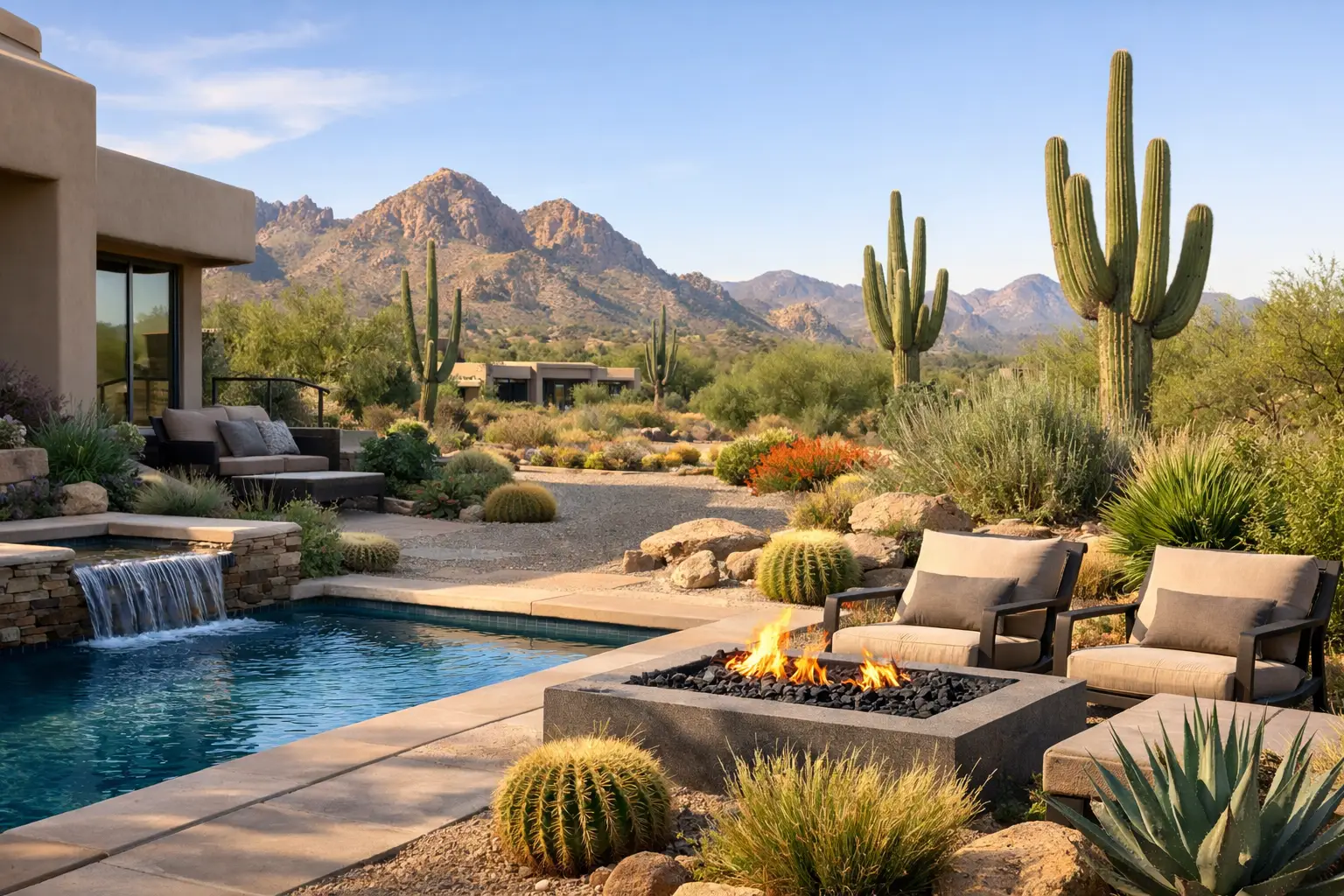
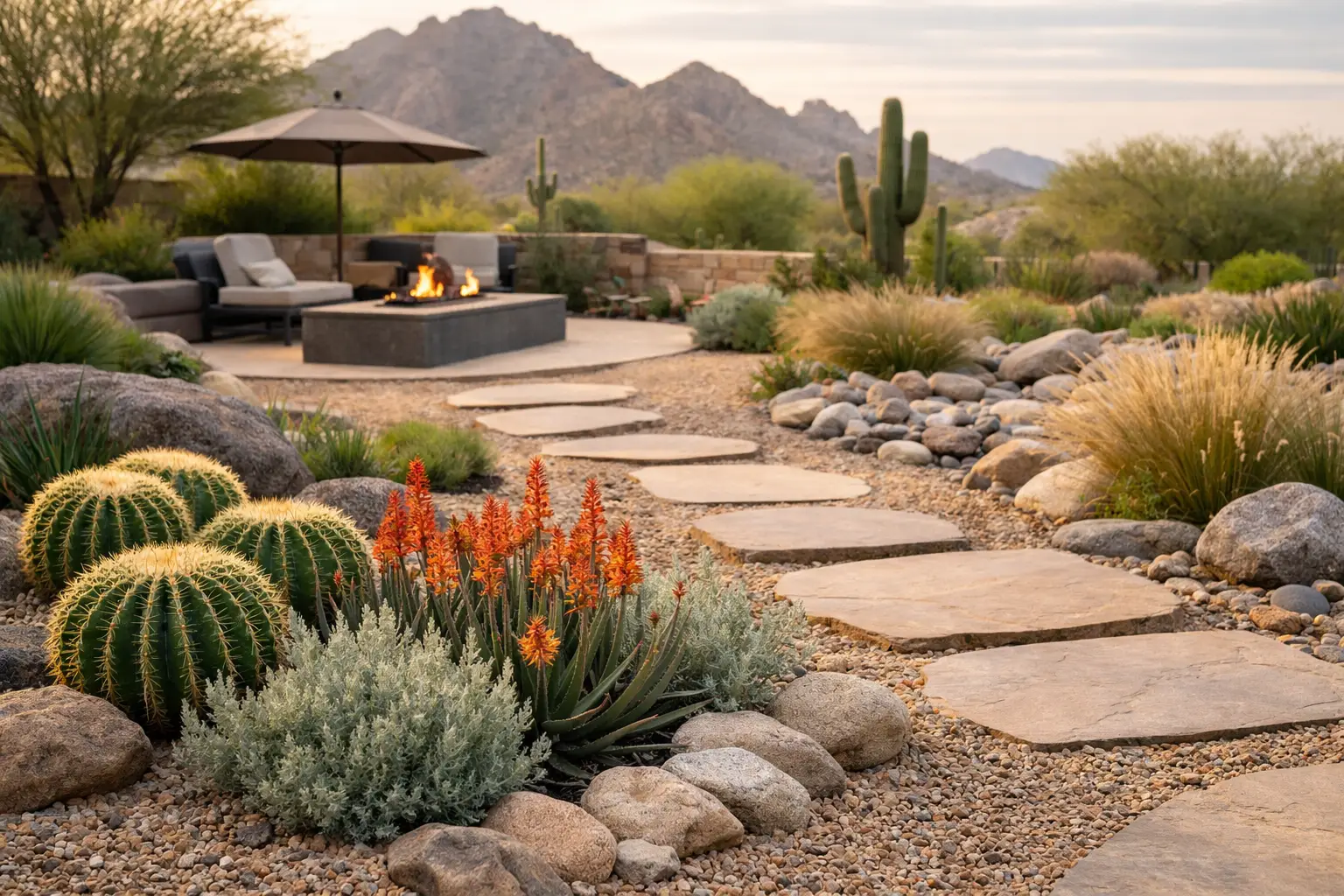
A faded lawn, loose gravel, cracked concrete, and struggling plants can make an Arizona property feel unfinished fast. The best desert yard makeovers do more than improve curb appeal. They solve the daily problems that come with extreme sun, hard soil, wind, monsoon runoff, and the need to keep water use under control.

For homeowners, the goal may be a backyard that is easier to use on weekends without spending every Saturday maintaining it. For property managers and business owners, it may be a clean, consistent exterior that looks professional year-round. Either way, a successful yard makeover starts with materials and systems built for Arizona, not a design that only looks good on installation day.

Start Desert Yard Makeovers With a Real Site Plan

Before selecting pavers, plants, or artificial grass, look at how the property actually performs. Where does afternoon sun hit hardest? Does water pool near the house after a storm? Are tree roots lifting existing hardscape? Is the front yard difficult to access for maintenance crews? These details determine what will last.

A practical site plan separates the yard into working areas. Entry spaces need clear walkways and a polished first impression. Side yards often need drainage, durable gravel, or clean storage access. Backyards may need shade, a patio surface, play space, pet-friendly ground cover, or room for outdoor seating. Commercial properties also need reliable paths, visible entrances, and landscaping that stays orderly between service visits.

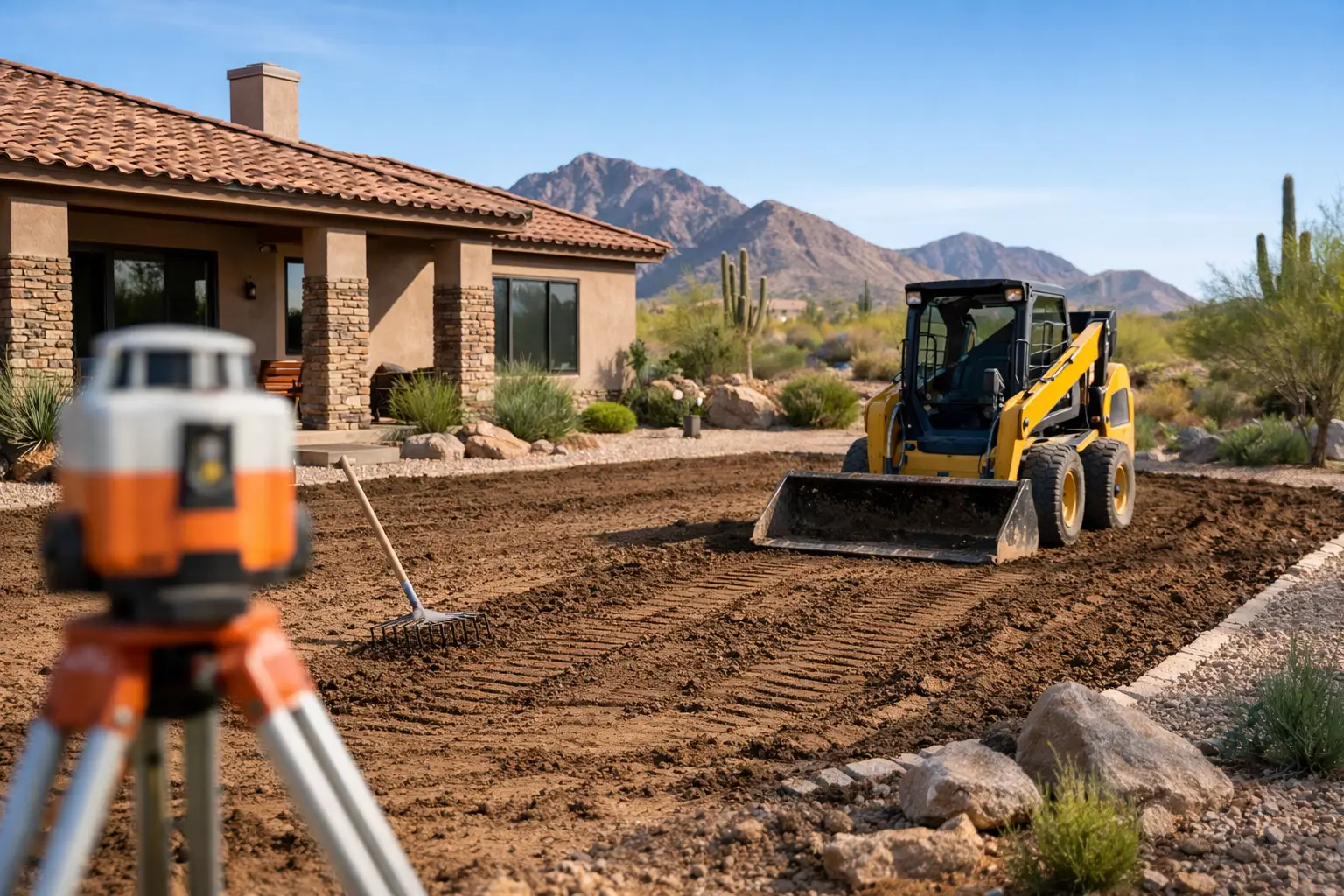
Land grading is often the first step when a yard has drainage issues or uneven soil. Correcting slope before installing gravel, turf, or pavers helps move water away from structures and prevents expensive rework later. It is less exciting than choosing a patio color, but it is one of the decisions that protects the entire project.

Build the Yard Around Durable Ground Surfaces

Arizona yards work best when every surface has a job. Decorative gravel can cover large areas with minimal upkeep, reduce dust, and create a finished look around desert plants. It also comes in different colors and sizes, making it useful for defining planting beds, pathways, and open front-yard spaces.

Gravel alone is not always the right answer. A loose gravel patio can be uncomfortable under chairs, difficult for rolling grills, and less convenient for people with mobility needs. Pavers, travertine, brick, or tile can provide a solid outdoor living surface where people gather. The right choice depends on the area, budget, heat exposure, and intended use.

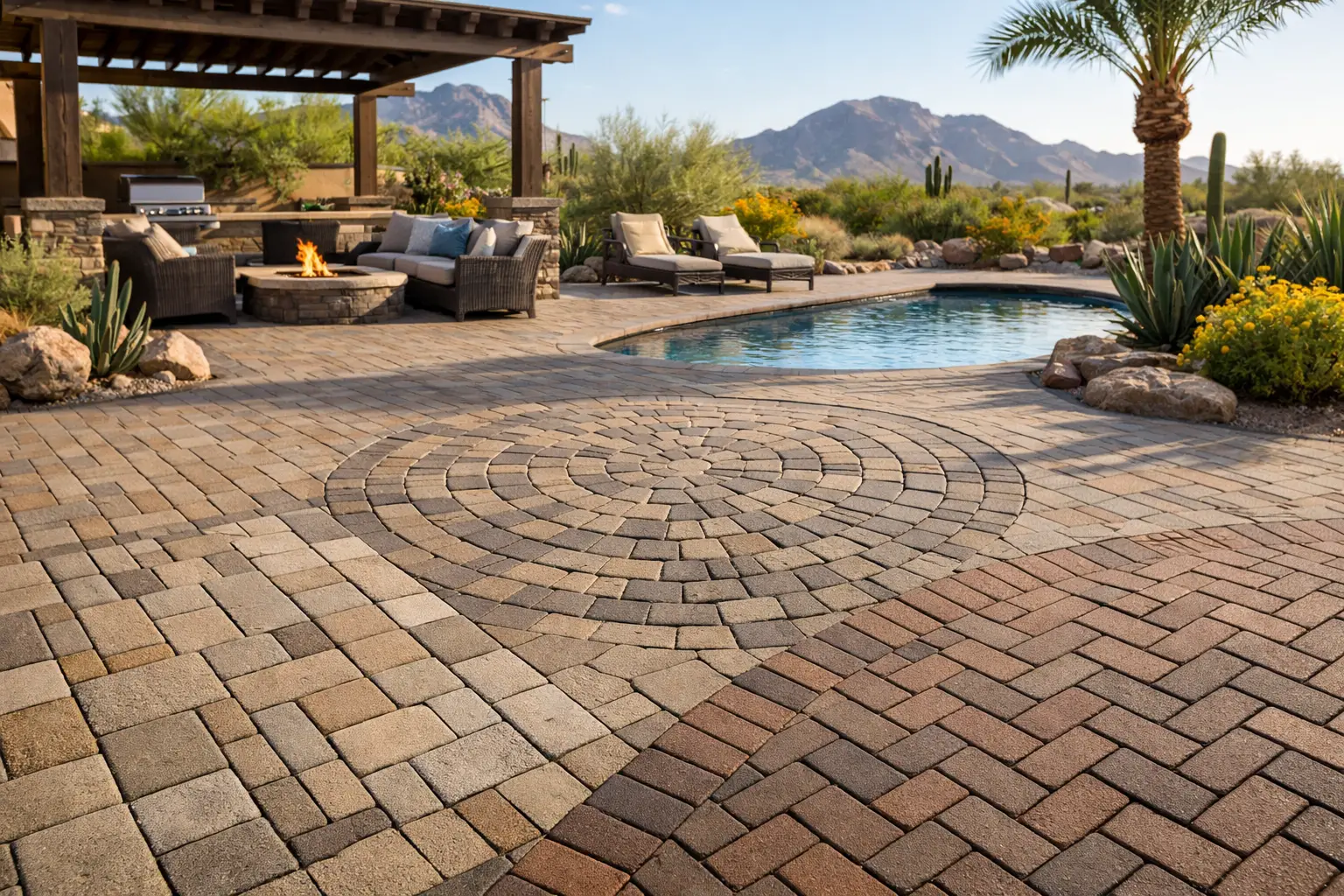
Pavers are a strong option for patios, walkways, driveways, and poolside areas because they create a clean, durable surface with design flexibility. Travertine is valued for its natural appearance and can be a comfortable choice around outdoor living areas when installed correctly. Existing pavers may not need full replacement if they are structurally sound. Paver renovation, leveling, and sealing can restore the surface and improve its appearance.

For a complete makeover, use contrast with purpose. A paver walkway leading through gravel beds creates definition. Artificial grass can soften a patio area without requiring constant watering and mowing. A border of brick or block can hold gravel in place and make transitions look intentional rather than patched together.

Choose Artificial Grass for the Right Areas

Artificial grass is one of the most practical tools in many desert yard makeovers, especially for small lawns, pet areas, play zones, and commercial entry landscapes. It delivers a green surface without weekly mowing, reseeding, or heavy irrigation. That makes it appealing for busy households and properties that need consistent curb appeal.

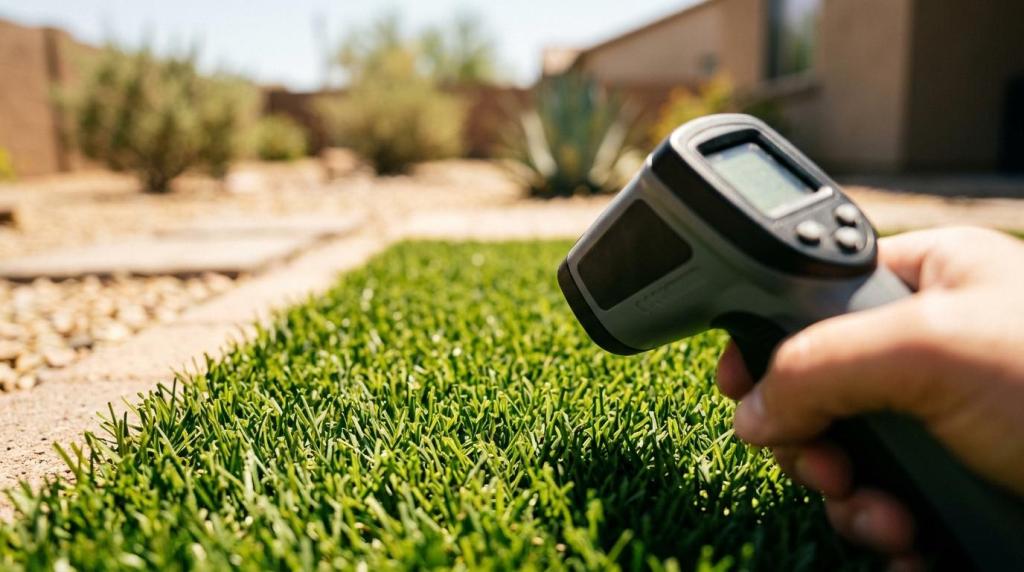
Still, artificial grass is not a universal replacement for every yard surface. Full-sun turf can become hot during peak summer hours, and poor base preparation can lead to drainage problems, wrinkles, or odors in pet areas. Quality installation includes excavation, base material, compaction, drainage planning, and clean edging. Shade, cooling landscape materials, and a usable patio nearby often make turf areas more comfortable.

Make Water Work Harder With Smart Irrigation

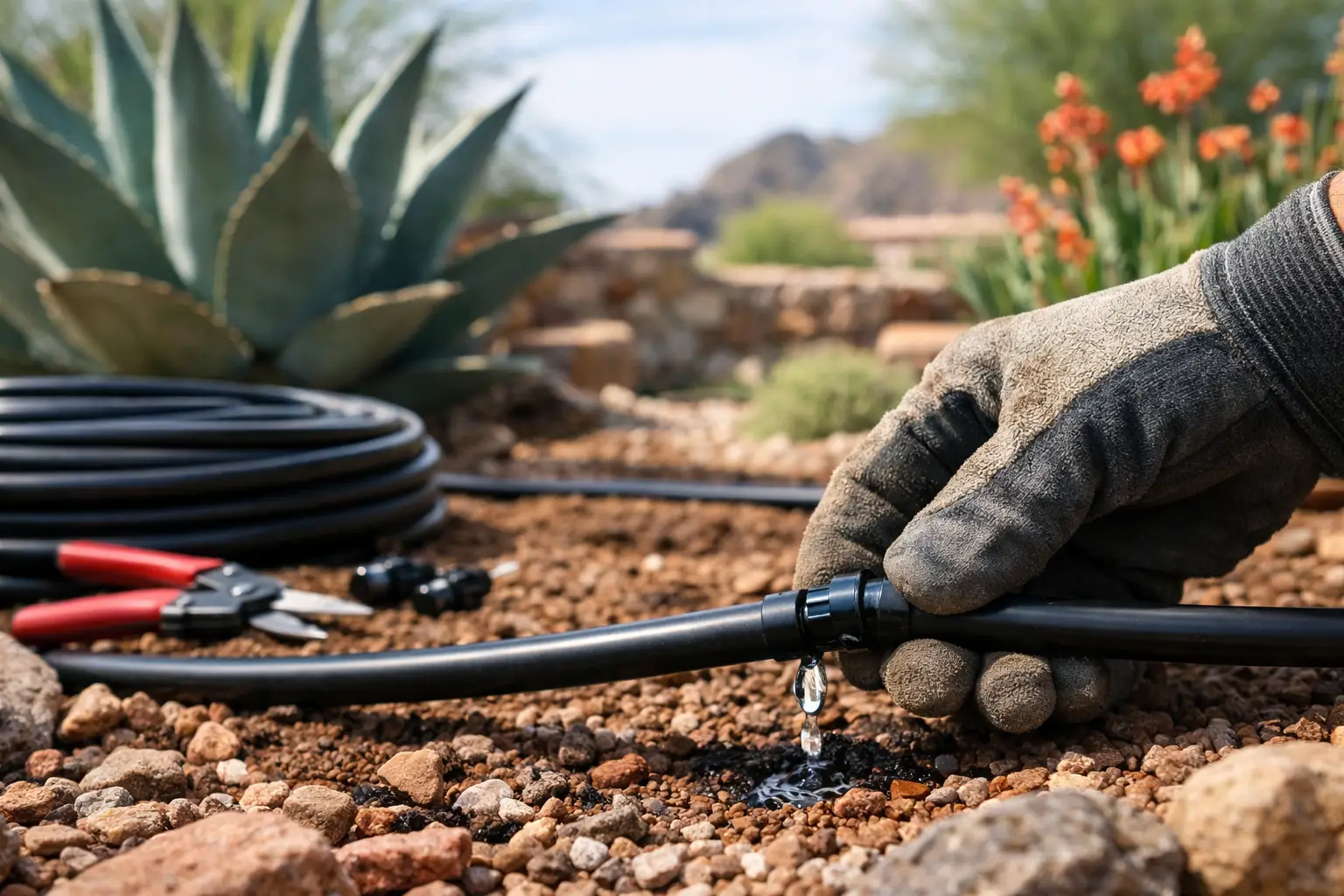
An attractive yard will not stay attractive if irrigation is inefficient or unreliable. Broken emitters, poor coverage, old timers, and leaking lines waste water while leaving plants stressed. During a makeover, irrigation should be reviewed before new plants and ground cover are installed.

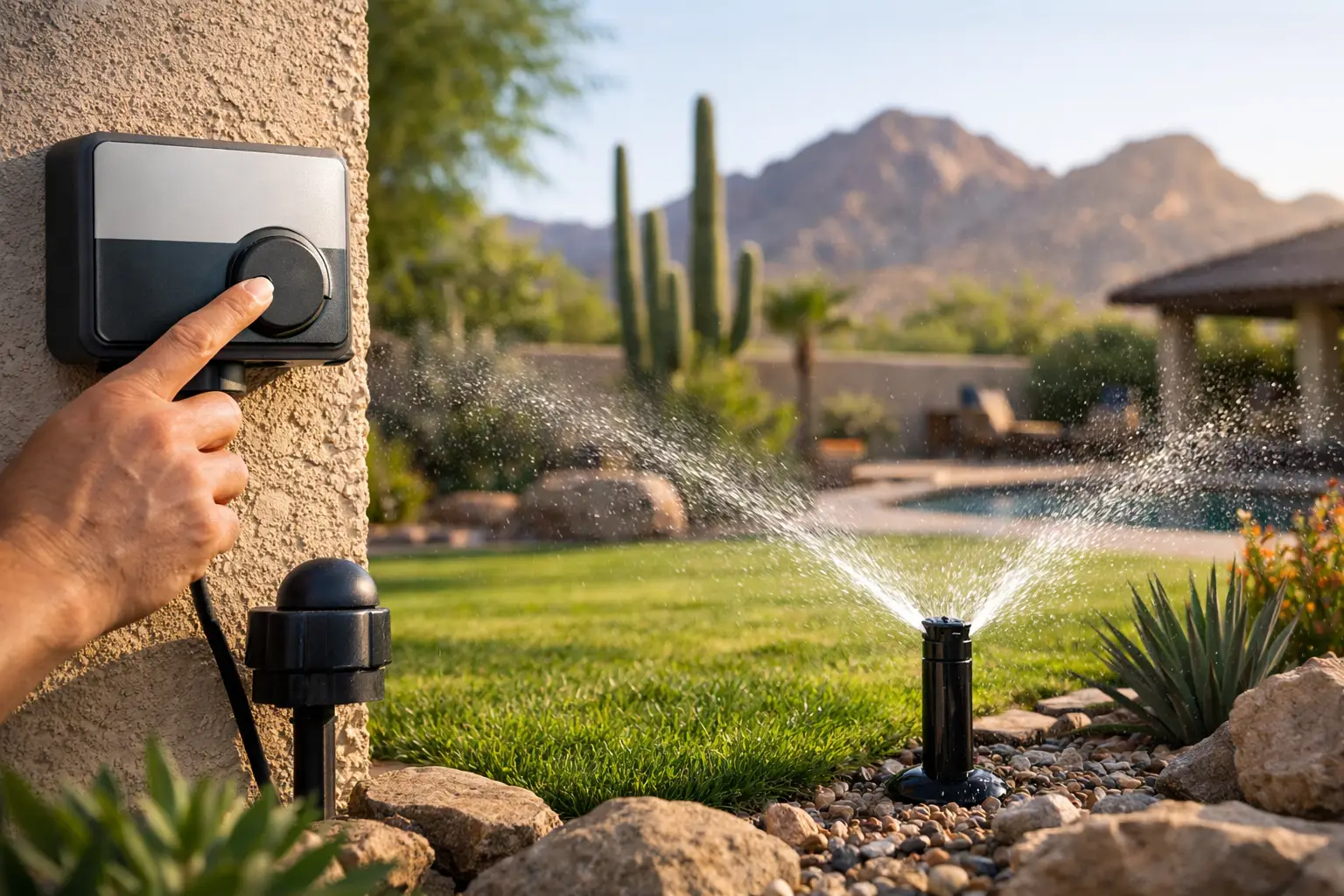
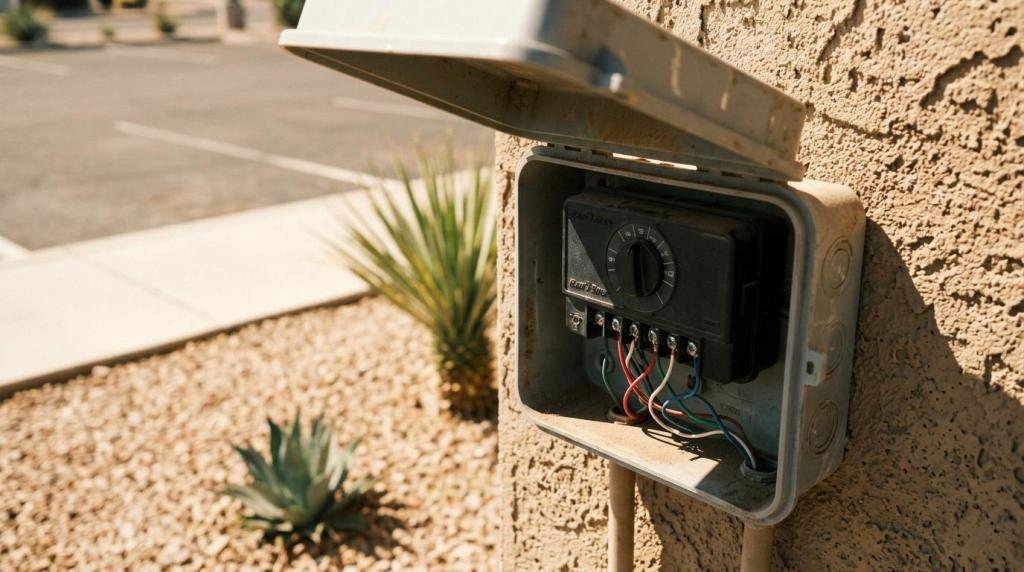
Drip irrigation is a practical solution for many desert trees, shrubs, and flowering plants because it delivers water closer to the root zone. Spray systems can make sense for certain turf areas, but they need proper adjustment to avoid watering walls, sidewalks, and driveways. A controller with seasonal scheduling can help account for changing temperatures instead of using the same watering pattern all year.

Plant selection should match the irrigation plan. Low-water desert plants generally need less attention once established, but they still need correct watering during the first stages of growth. Grouping plants with similar water needs prevents one thirsty plant from dictating the schedule for an entire bed.

Add Shade, Trees, and Lighting Where They Matter

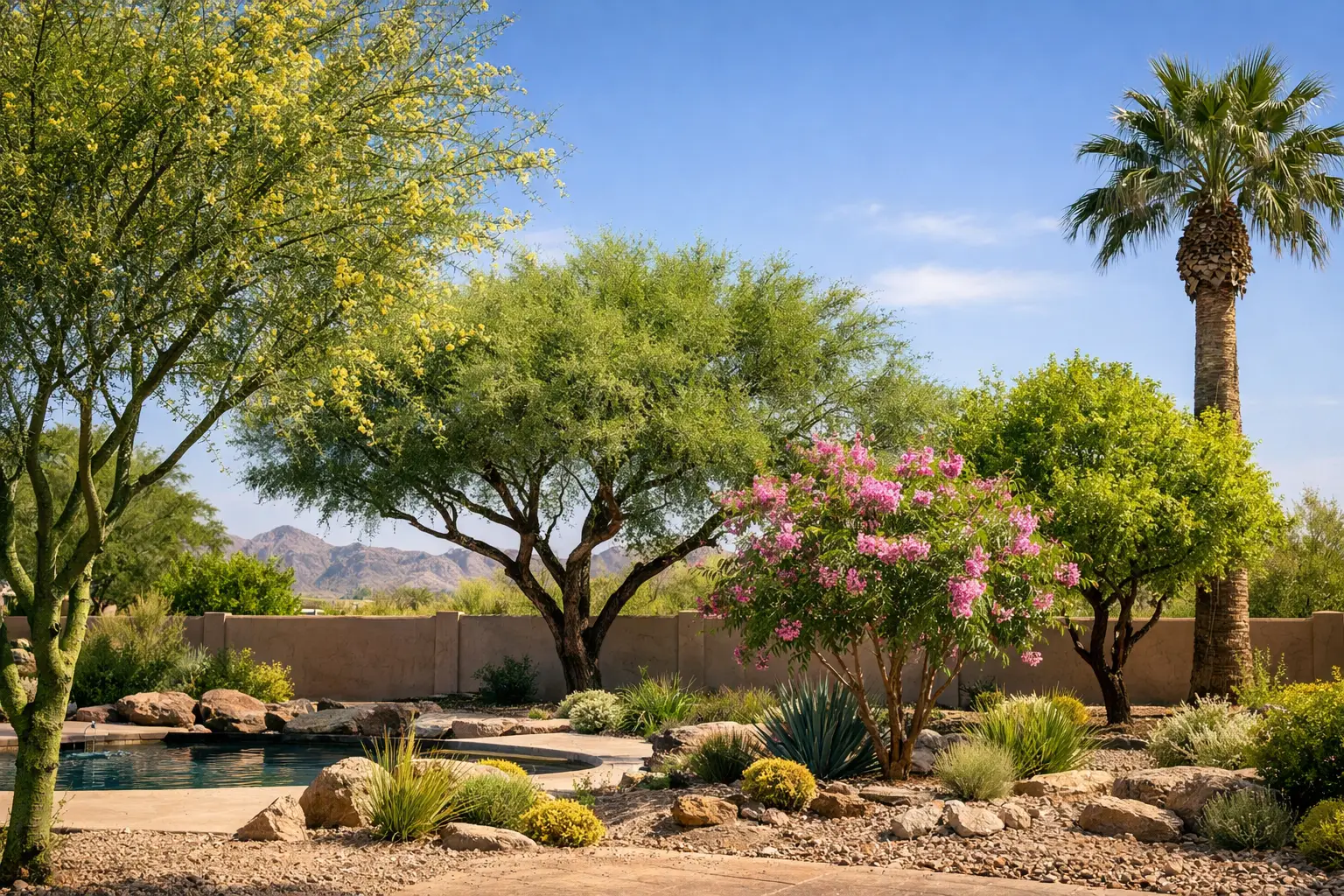
A yard can look complete on paper and still be uncomfortable if there is nowhere to escape the sun. Shade planning should focus on the times the space will be used. A west-facing patio may need more protection than a morning seating area. Existing mature trees may offer valuable shade, but overgrown, damaged, or poorly placed trees can create safety concerns and interfere with walls, patios, and irrigation.

Tree trimming, removal, stump grinding, and replacement are often part of a full property reset. Removing a failing tree can open space for a new patio, improve visibility, and reduce debris. On the other hand, removing healthy shade without a replacement plan can make a yard much harder to use in summer. The best decision depends on tree condition, location, and the long-term design.

Landscape lighting gives the yard value after sunset. It can improve pathway visibility, highlight an entry, define a wall, and make a patio feel more usable at night. Keep the lighting focused and functional. Too many fixtures can create glare, while a few well-placed lights provide safety and a finished appearance.

Do Not Ignore Walls, Borders, and Repairs

Many makeovers stall because the main landscaping looks new while damaged boundaries remain in view. Cracked block walls, worn fencing, loose edging, and stained concrete can pull attention away from the improvements. Addressing these items during the same project creates a more complete result and prevents the need to coordinate separate contractors later.

Block walls can add privacy, define property lines, and create structure around patios or planting areas. Fence repairs may be the right choice when the framework is still sound, while replacement may be smarter when materials are failing throughout. For concrete and hardscape surfaces, epoxy application, tile work, brick installation, or sealing may provide the right finish depending on how the area is used.

This is where working with one outdoor contractor can save time. Instead of trying to schedule separate crews for grading, irrigation, pavers, turf, tree work, and repairs, property owners can move through the project with one coordinated plan. Pro Natural Landscape handles these connected services so the finished yard looks planned from the ground up.

Plan for Maintenance Before the Work Begins

Low maintenance does not mean no maintenance. Gravel needs occasional raking and weed control. Desert plants need pruning, cleanup, and irrigation checks. Pavers may need periodic cleaning or sealing. Artificial grass benefits from debris removal, brushing, and pet-area care.

The difference is that a well-designed desert yard reduces repetitive, high-water work. It replaces fragile grass with durable surfaces where appropriate, uses irrigation intentionally, and leaves enough access for maintenance without damaging the landscape. For rental homes, commercial sites, and busy households, that predictability matters as much as appearance.

A good makeover should also leave room for change. A simple gravel bed can later become a planting area. A patio can be extended when the budget allows. A properly graded yard can support future improvements without tearing out the first phase. Start with the problems that affect safety, drainage, and daily use, then build the upgrades that make the property feel like a place people want to spend time.

When your yard is worn down, do not settle for a quick cosmetic fix that creates another problem next season. Choose materials that handle Arizona heat, install the systems behind the surface correctly, and create an outdoor space that is ready for real life.

Pro Natural Landscape: Paver Patios in Litchfield Park

If you are planning a paver patio in Litchfield Park, you are not just buying stone and labor. You are choosing how your outdoor space will function, how clean the finished layout will look, and whether the project scope stays clear if city review questions come up. Pro Natural Landscape LLC is a family-owned Arizona landscaping company with 11+ years of experience, serving homeowners, property managers, and businesses from its El Mirage base.

Pro Natural Landscape installs pavers for patios, sidewalks, driveways, and other hardscape projects, using high-quality materials and a full-service outdoor skill set. That matters when you want more than a basic pad and need the patio to fit with grading, lighting, artificial grass, walls, or other exterior improvements around the same space.

Paver patio installation in Litchfield Park for outdoor living that fits your property

A good patio should match how you actually use the yard. Some clients want a backyard dining area, some need a clean transition off the house, and some want a durable surface that reduces dust and creates a more finished outdoor setting. Pro Natural Landscape combines landscape design and installation with paver and travertine installation, so your patio can be planned as part of the whole yard instead of as an isolated feature.

“Pro Natural Landscape brings 11+ years of Arizona landscaping experience to patio and hardscape projects near Litchfield Park.”

For Litchfield Park properties, that means you can plan around both appearance and upkeep. We can build a paver patio that works with nearby pathways, gravel sections, artificial turf, landscape lighting, or irrigation-related site conditions, which makes the finished space easier to use and easier to maintain.

Pro Natural Landscape also works with residential and commercial clients, so the scope can stay practical whether you are improving a backyard, a courtyard, a tenant-use area, or a small outdoor gathering space for a business property.

Pro Natural Landscape combines paver patios with hardscape and landscape upgrades

Many patio projects become more valuable when the surrounding area is handled at the same time. Pro Natural Landscape offers hardscape general services that include patios, retaining walls, and pathways, along with a broader service lineup that covers grading, gravel installation, fence and block wall construction, tree removal, stump grinding, landscape lighting, and paver renovation with color sealing.

That gives you options such as:

  • Patio plus access: Connect the new patio to gates, side yards, driveways, or garden paths with matching or coordinated paver work.
  • Patio plus finish work: Pair the installation with gravel, artificial grass, lighting, or exterior repairs so the area looks complete instead of half-finished.
  • Patio plus restoration: Refresh older paver surfaces with renovation and color sealing when part of the goal is to upgrade existing hardscape nearby.

When one company can handle the patio and the related exterior work, your project usually becomes easier to schedule and easier to visualize before construction starts. Pro Natural Landscape gives you a single point of contact for the patio surface and the adjacent improvements that make the space look finished outdoor space intentional.

“Pro Natural Landscape offers free estimates and financing through Hearth for patio and hardscape planning.”

That also helps with budget control. Instead of pricing a patio first and discovering later that grading, cleanup, wall work, or lighting need a second contractor, you can review the full outdoor scope up front and decide what to build now versus later.

Litchfield Park patio projects can involve permit, right-of-way, and patio-cover questions

Not every patio project in Litchfield Park follows the same review path. According to city guidance, permits are not required for sidewalks and flat concrete work unless the work is within a city right-of-way or easement. Even when your project is a straightforward ground-level patio, those site conditions still matter because they can affect where work can happen and whether extra approvals come into play.

If your patio plan includes more than pavers alone, the review path can change. The City of Litchfield Park property improvement guidance says a permit is required for a patio cover or for extending an existing patio cover. The city also says Design Review Board approval is required before plan review submittal for patio-cover work, and application packages must be submitted to Building Safety at 214 W Wigwam Blvd., Litchfield Park, AZ 85340.

Pro Natural Landscape is a strong fit when you want to think through those questions early, before the patio layout, budget, and timing are locked in. We do not treat every patio as identical, because a simple paver installation and a patio project tied to cover work can involve different planning steps, city contacts, and inspection expectations.

Before you approve a patio plan, it helps to ask a few specific questions:

  • Scope: Is this only a ground-level paver patio, or are you also adding or extending a patio cover?
  • Location: Does any part of the work approach a city right-of-way or easement?
  • Timing: Will city review, plan submittal, or inspection steps affect your target installation schedule?

Those are not small details. They are the kind of details that keep a patio project moving without late changes.

Why Litchfield Park clients choose Pro Natural Landscape for paver patio work

Pro Natural Landscape is a family-owned company based at 12926 West Redfield Rd, El Mirage, AZ 85335, with more than a decade of landscaping experience in the area. For clients in Litchfield Park and nearby Arizona communities, that brings a local contractor’s perspective to materials, scheduling, communication, and outdoor design choices that need to work in Arizona conditions.

“On its homepage, Pro Natural Landscape shares a customer note that a porcelain tile patio installation was completed in less than 2 days.”

We focus on cost-effective, high-quality residential and commercial work, and we back that up with practical customer benefits: free estimates, strong communication, on-time delivery, and financing options through Hearth. If you want a patio contractor who can also address surrounding landscape and exterior issues, Pro Natural Landscape can keep the project from turning into a patchwork of separate crews and separate timelines.

The company’s own service lineup also shows why that matters. Pro Natural Landscape handles paver installation, hardscape work, irrigation systems, lighting, grading, fencing, block walls, junk removal, and exterior construction and repairs, which makes it easier to move from idea to finished outdoor space without restarting the planning process every time the scope expands.

Request a free estimate for your Litchfield Park paver patio

If you want a paver patio that looks finished, fits your property, and accounts for local project constraints before construction starts, Pro Natural Landscape is ready to help. We will talk through the patio layout, material direction, surrounding hardscape needs, and any Litchfield Park permit-related questions that could affect the job.

Reach out to Pro Natural Landscape for a free estimate and start planning a patio that adds usable space, cleaner lines, and more value to your Litchfield Park property.

Best Patio Drainage Solutions for Arizona Homes

A patio can look perfect for most of the year, then reveal a major problem during one Arizona monsoon storm. Water that pools against the house, runs through paver joints, or washes gravel into the yard can damage hardscapes and create ongoing maintenance issues. The best patio drainage solutions address where water starts, where it collects, and where it can safely exit the property.

For Arizona homeowners and property managers, drainage is not about handling daily rain. It is about preparing for short, heavy downpours that move a large amount of water quickly. A well-planned solution protects your patio surface, foundation, landscaping, and outdoor living area without making the space harder to maintain.

Start With the Cause of Patio Water Problems

Before choosing a drain or replacing pavers, identify the source of the water. Many drainage problems begin above or beside the patio, not on the patio itself. Roof runoff, downspouts, poorly graded yards, raised planter beds, and neighboring slopes can all send water toward a hardscape area.

Look for standing water more than a few hours after rain, soil washing out from patio edges, white mineral staining on concrete or travertine, and paver joints that repeatedly lose sand. Water marks on block walls or the bottom of exterior doors also deserve attention. These are signs that water is taking the wrong path.

The drainage route matters as much as the drain itself. Water should move away from the home and toward a suitable collection area, landscape basin, or approved discharge location. Sending water straight toward a fence, property line, or neighboring yard often creates a new problem instead of fixing the existing one.

Best Patio Drainage Solutions for Different Yards

There is no single drain system that fits every Arizona patio. The right option depends on the patio material, the amount of water, available slope, and how much space is around the hardscape.

Regrade the Patio and Surrounding Yard

Proper grading is usually the first and most important fix. A patio needs a consistent slope away from the house so water does not settle near doors, walls, or the foundation. In many hardscape installations, a slope of roughly one-eighth to one-quarter inch per foot provides enough movement without making the patio feel noticeably uneven.

Grading is especially effective when a patio has low spots or when surrounding gravel and soil have built up over time. It may involve removing and resetting pavers, adjusting the base material, or reshaping the landscape beside the patio. This work takes more effort than adding a drain grate, but it solves the underlying issue when the entire surface is pitched the wrong way.

For a large concrete patio, regrading may not always be practical without removal or resurfacing. In that situation, a surface drain may be the better fit.

Install a Channel Drain Along the Patio Edge

A channel drain, also called a trench drain, is one of the most reliable options where water travels across a patio toward the house, a door, a pool deck, or a wall. It is a narrow linear drain installed flush with the surface, collecting runoff before it reaches the vulnerable area.

Channel drains work well with concrete, pavers, tile, and travertine because they create a clear collection point for fast-moving water. The drain connects to a buried pipe that carries water to a lower area of the yard or another planned outlet.

This is often the best choice for patios with limited room to regrade. It is also useful at the base of steps, between a patio and artificial grass, or beside a covered outdoor kitchen where water tends to collect. The trade-off is that the drain must be installed at the correct elevation and kept free of leaves, gravel, and debris.

Add Catch Basins for Low Spots

Catch basins are box-shaped underground collection points with surface grates. They are useful where runoff naturally funnels into one low area, such as the corner of a patio, the bottom of a sloped walkway, or near a downspout.

Unlike a channel drain, which gathers water along a line, a catch basin handles concentrated flow at a specific point. It can be connected to solid drainage pipe and routed away from the patio. For a small drainage issue, one basin may be enough. For larger yards, several basins may work together with grading and underground piping.

A basin alone will not fix a patio that is flat or sloped toward the house. It needs water to reach it, which is why surface slope remains essential.

Route Roof Runoff Away From the Patio

Downspouts can overload a patio drainage system during a heavy storm. If a roof drains directly onto pavers or concrete, the water can splash, erode adjacent gravel, and create a repeated pooling problem.

Extensions or underground drain pipe can move roof water beyond the patio area. In many Arizona landscapes, that water can be directed toward a dry creek feature, gravel basin, or planted area designed to accept occasional runoff. The goal is controlled dispersal, not simply moving water from one hard surface to another.

Make sure roof drainage does not empty next to the foundation or beneath a patio slab. Water trapped in those areas can contribute to settling and surface movement over time.

Use Permeable Pavers Where Water Needs a Place to Go

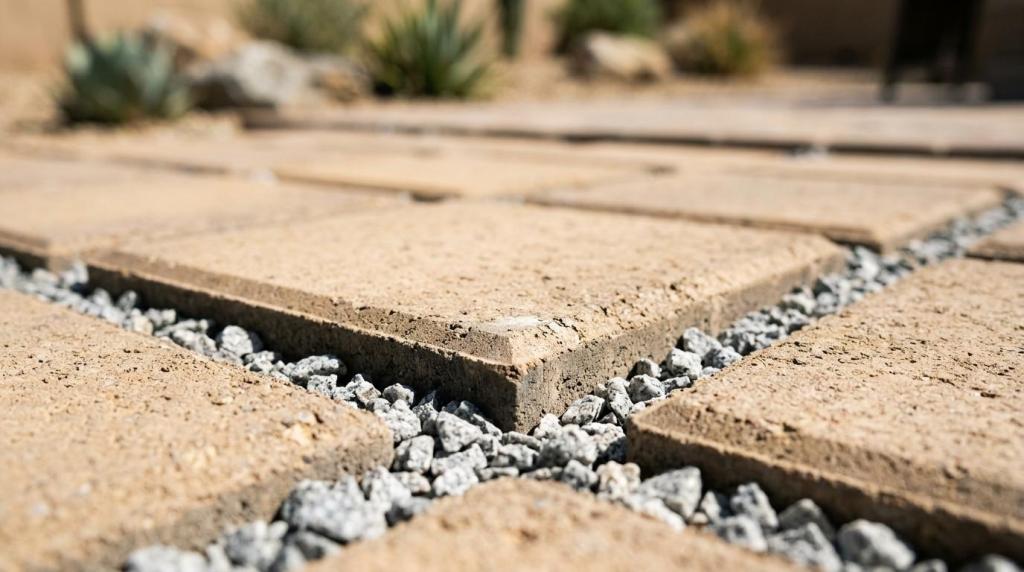
Permeable pavers allow water to pass through wider joints and into a specially prepared aggregate base below. They can be a strong option for patios, walkways, and drive areas where reducing surface runoff is a priority.

For Arizona properties, permeable systems can work well when the base is properly designed and the surrounding soil can manage the water. They are not a shortcut for poor grading, however. Compacted desert soil, heavy runoff from a roof, or a low patio area may still require a drainage pipe or collection basin.

Maintenance also matters. The joints need to remain open and free of fine dust, soil, and debris. A patio that receives frequent windblown dirt or landscaping runoff may need periodic cleaning to maintain drainage performance.

Build a Gravel Drainage Strip or Dry Creek Area

A gravel strip can help manage light to moderate runoff along the perimeter of a patio. It is commonly installed between pavers and a block wall, planting bed, artificial turf, or fence line. The gravel slows water, limits mud, and gives runoff a path away from the hardscape.

For larger volumes of water, a dry creek bed or decorative rock swale can be both functional and attractive. These features guide water through the landscape while fitting naturally with Arizona-style gravel, boulders, and drought-tolerant plantings.

This approach works best when there is room to move water across the yard. It is less effective for a patio enclosed by walls or for areas where runoff must cross a high-traffic walkway.

Avoid Quick Fixes That Create Bigger Repairs

Caulking patio joints, adding extra gravel over a low spot, or placing a small drain grate without a pipe behind it may hide the problem temporarily. Water still needs a route. If it cannot flow out, it will collect below the surface, against walls, or under pavers.

Avoid burying drainage pipe without checking the slope. A pipe that runs uphill or remains flat can hold water and sediment. Also avoid draining concentrated runoff onto a neighbor’s property or directly against a block wall. Good drainage protects the entire outdoor area, not just the spot where water was first noticed.

If pavers are sinking, travertine is shifting, or a concrete patio has developed cracks near a low area, address the drainage before making cosmetic repairs. Replacing the surface without correcting the water path can lead to the same damage again.

Plan Drainage During Patio Installation or Renovation

The most cost-effective time to install drainage is while a patio is being built, renovated, or reset. Base preparation, slope, edge restraints, drain channels, and underground pipe can all be coordinated before the finished surface goes in.

This is especially valuable when combining pavers, artificial grass, gravel, retaining walls, or new irrigation. Each feature changes how water moves through the yard. A complete plan prevents turf from trapping runoff, gravel from washing onto pavers, and planter beds from holding water against the home.

For commercial properties, drainage planning also helps keep entryways, walkways, and outdoor seating areas safer during storms. Standing water can affect appearance, maintenance needs, and customer access.

A patio should be a place to enjoy the outdoors, not a surface you inspect nervously whenever storm clouds roll in. If water is pooling, washing out joints, or moving toward your home, a site-specific drainage plan can protect the investment and keep the space ready for use year-round. Pro Natural Landscape can assess the grading, hardscape, and surrounding landscape features to build a practical solution that fits your Arizona property.

Best Driveway Paver Materials for Arizona

A driveway in Arizona has a harder job than most. It handles vehicle weight, tire marks, summer heat, dust, monsoon runoff, and constant sun exposure – all while setting the first impression of your home or business. Choosing the best driveway paver materials is not only about color or style. It is about installing a surface that stays stable, looks clean, and holds up to daily use without becoming a recurring repair project.

For most Arizona properties, concrete pavers are the practical first choice. But clay brick, natural stone, travertine, and porcelain each have a place when the project goals, traffic level, budget, and surrounding landscape call for something different. The right answer depends on how the driveway will be used and how much maintenance you want over time.

What a Driveway Material Must Handle in Arizona

A driveway needs more than a good-looking finish. The material and the installation base must manage heavy loads without shifting, cracking, or developing low spots. Arizona heat adds another consideration: dark materials can become extremely hot, while surfaces with poor color stability can fade under intense UV exposure.

Drainage matters just as much. A sudden monsoon storm can send water across a driveway quickly. Proper grading, base preparation, edge restraints, and joint material help direct water away from the home while keeping individual pavers in place. Even the strongest paver can fail early if it is installed over an unstable or poorly compacted base.

For commercial properties, apartment communities, and homes with frequent vehicle traffic, material strength and installation quality should take priority over decorative details. For a front-entry driveway or a low-traffic courtyard, appearance and slip resistance may carry more weight.

Best Driveway Paver Materials for Long-Term Performance

Concrete pavers: the most versatile choice

Concrete pavers are one of the best all-around materials for Arizona driveways. They are manufactured in many shapes, colors, textures, and patterns, making it possible to create anything from a clean modern driveway to a traditional cobblestone look. They also work well with block walls, artificial grass, gravel, landscape lighting, and other common Arizona outdoor upgrades.

Their biggest advantage is repairability. If a paver becomes stained, damaged, or settles after utility work, individual units can often be removed and replaced without tearing out the entire driveway. That is a major benefit compared with poured concrete, which usually requires a visible patch or a larger replacement section.

Concrete pavers are not maintenance-free. Joint sand can wash out, weeds can appear in neglected joints, and the surface may need cleaning and sealing depending on the finish and location. Still, with a correctly built base and occasional maintenance, they offer excellent value for residential and commercial driveways.

Choose lighter earth tones, grays, tans, or blended colors when heat is a concern. Very dark pavers can look sharp, but they absorb more heat and may show dust, tire marks, and faded areas more easily.

Clay brick pavers: classic character with proven durability

Clay brick pavers bring a warm, traditional appearance that works especially well with older homes, Mediterranean-style properties, and landscapes that use natural stone or desert planting. The color runs through the material rather than sitting only on the surface, which helps brick retain its character over time.

Quality clay brick is strong, durable, and naturally resistant to fading. It can be a smart choice for a driveway where curb appeal is the main focus and the design calls for a richer, more established look. Brick patterns such as herringbone also provide good interlock for vehicle traffic.

The trade-off is cost and material availability. Brick pavers may cost more than standard concrete options, and color choices are more limited. Their textured surface can also collect dust in Arizona, so periodic rinsing or professional cleaning helps keep the driveway looking its best. For the right property, however, brick delivers a look that concrete cannot fully duplicate.

Natural stone: high-end appearance, more planning required

Natural stone creates a distinctive driveway with color variation, texture, and a finish that does not look manufactured. Granite, flagstone, sandstone, and certain dense stone products can be used in driveway applications, but the exact stone matters. Not every natural stone is suitable for regular vehicle weight.

Dense, properly cut stone installed over a strong driveway base can provide exceptional visual impact. It is often used for driveway borders, aprons, entry sections, and accent bands when a full stone driveway is outside the budget. Combining natural stone with concrete pavers can give a property a custom appearance while keeping the project practical.

Natural stone comes with more variables than manufactured pavers. Material thickness, porosity, surface texture, slip resistance, and sealing requirements all need to be considered before installation. Softer or highly porous stone may stain, chip, or deteriorate faster in driveway conditions. It also tends to be more expensive due to material handling and the additional labor needed for fitting and installation.

Travertine: attractive, but best used selectively

Travertine is popular throughout Arizona because its light color and natural texture fit desert outdoor spaces well. It stays cooler underfoot than many darker hardscape materials, making it a strong choice for pool decks, patios, walkways, and covered outdoor areas.

For a full vehicle driveway, travertine requires careful selection and professional installation. Some travertine products are better suited to pedestrian use than repeated vehicle loading. The stone’s natural pores also mean it can absorb oils and other automotive stains if left unsealed.

Travertine can still play a valuable role in driveway design. It works well for a decorative entry apron, a parking court with limited use, side walkways, or a front approach connected to a paver driveway. This allows homeowners to bring the material into the design without asking it to carry more traffic than it was intended to handle.

Porcelain pavers: modern style for the right application

Outdoor-rated porcelain pavers offer clean lines, consistent color, and finishes that can resemble stone, concrete, or wood. They are low-porosity, easy to clean, and highly resistant to fading. For contemporary homes and commercial entry areas, porcelain can deliver a polished, low-maintenance look.

However, porcelain is not automatically the best choice for a standard driveway. The product must be specifically rated for vehicular use, installed over an engineered base or slab system, and selected with slip resistance in mind. Thin patio porcelain is not designed to support vehicle traffic simply because it is labeled for outdoor use.

When specified correctly, thicker driveway-rated porcelain can be a premium option. It generally costs more than concrete pavers and leaves less room for installation shortcuts. It is best for projects where the modern finish is worth the added material and labor investment.

Material Choice Is Only Half the Job

The best paver material can still perform poorly if the driveway is not prepared correctly. Excavation depth, compacted aggregate base, bedding sand, edge restraints, paver pattern, joint sand, and slope all affect the finished surface. A driveway should be designed to carry the expected traffic, not treated like a simple walkway.

For example, a herringbone pattern is commonly used in driveways because the interlocking layout helps resist movement from turning tires and braking vehicles. Strong edge restraints are also essential. Without them, pavers can spread outward over time, opening joints and creating uneven areas.

Drainage should be planned before the first paver is installed. Water must move away from structures and should not collect at the garage, gate, sidewalk, or low points in the yard. In Arizona, a dry driveway can still have serious drainage issues once monsoon rain arrives.

How to Choose the Right Option for Your Property

Start with the driveway’s daily demands. A household with multiple vehicles, trucks, trailers, or frequent guests needs a durable paver system with a heavy-duty base. A commercial entrance needs materials that present well while handling consistent traffic and easier cleanup.

Then consider the surrounding property. Concrete pavers are a dependable choice when you want flexibility, affordable options, and a clean finished look. Brick is a strong fit for classic architecture. Natural stone and travertine add character when used in the right locations. Porcelain suits modern projects where the product is specifically engineered for vehicle use.

Also think about long-term care. Light-colored textured pavers can hide dust better than smooth dark surfaces. Sealing can help protect against stains and make cleaning easier, but it should be applied appropriately for the material and finish. A good installation team can recommend whether sealing makes sense for your driveway rather than treating it as a one-size-fits-all step.

A driveway should make your property easier to use, not harder to maintain. Selecting durable materials, building the base correctly, and matching the design to Arizona conditions gives you a surface that looks finished on day one and stays dependable through the seasons. When you are ready to transform your outdoor space, choose the material that fits your traffic, style, and maintenance expectations – then make sure it is installed to perform.