

When homeowners think about landscaping, they often picture the whole property as one project. In practice, the front yard and backyard ask for very different decisions. One is usually public-facing and tied to the home’s first impression. The other is often private, practical, and shaped by daily living.
That difference matters when budget, time, and energy are limited. Starting in the right place can make the project feel focused instead of scattered. If the main goal is curb appeal and entry presentation, the front yard usually deserves attention first. If the goal is privacy, entertaining, or making better use of outdoor space, the backyard is often the smarter starting point.
Front Yard Landscaping Goals: Curb Appeal, Entry Flow, and First Impression
The front yard carries a job the backyard rarely has to carry. It introduces the property. Guests, neighbors, delivery drivers, and potential buyers all see it before they see anything else. That makes the front yard less about personal retreat and more about visual order, approachability, and a clear path to the entrance.
A strong front yard design usually supports the house rather than competing with it. The front door should feel easy to find. Walkways should look intentional. Planting should frame the entry instead of hiding it. University extension guidance regularly treats the front yard and entryway as the home’s first impression, and that is a useful lens when deciding where to begin.
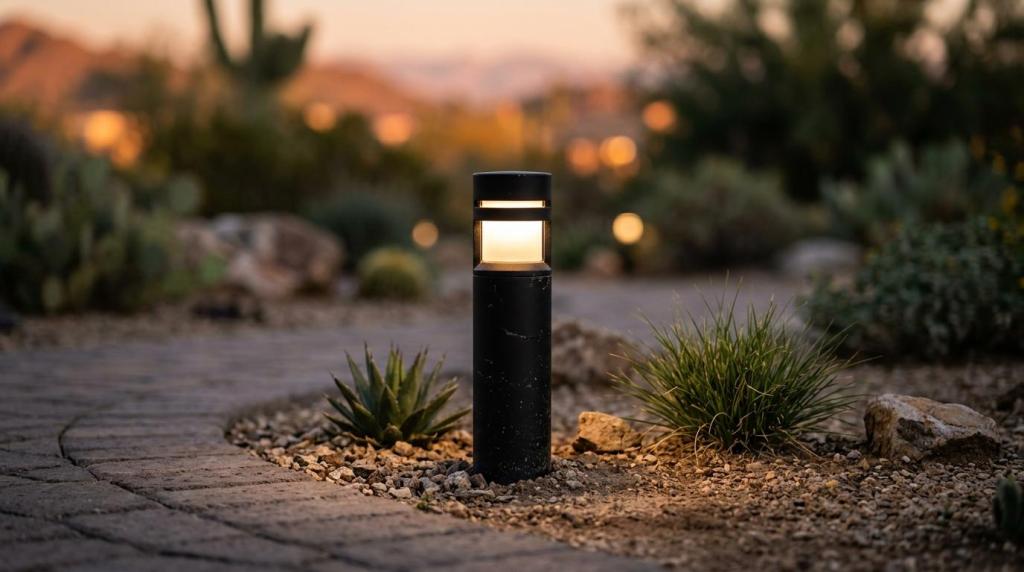
In many homes, front yard work also creates quick visual impact. New gravel, refreshed irrigation, a clean paver walk, low-water plants, landscape lighting, or a lawn alternative can change the appearance of the property almost immediately.
If these signs sound familiar, the front yard may be the best place to start:
- Worn or inconsistent curb appeal
- Hard-to-follow walkway to the entry
- Overgrown plants blocking windows or the front door
- Main goal: make the home look cleaner and more polished
- Property priority: support resale value or neighborhood presentation
Backyard Landscaping Goals: Privacy, Outdoor Living, and Recreation
The backyard is usually where function gets personal. It is the part of the property most closely tied to lifestyle, comfort, and everyday routines. For many households, it becomes the setting for meals, pets, children, quiet evenings, and time with friends.
That is why backyard landscaping often starts with use patterns rather than appearance alone. How do people step outside? Do they come through the kitchen, living room, or patio door? Is there enough shade to sit comfortably? Is there room for a grill, dining table, play area, or dog run? Good backyard planning connects outdoor living areas to the parts of the home people use most.
Privacy also changes the design approach. Extension guidance commonly describes front yards as public or semipublic spaces and backyards as private or semiprivate spaces. That distinction shapes material choices. In the front yard, visual neatness often leads. In the backyard, fencing, walls, layered plantings, lighting, and surface materials work together to create usable outdoor rooms.
A backyard-first project often makes sense when the current space is being underused. A plain dirt lot, harsh afternoon sun, poor drainage, or lack of screening can leave a large area of the property practically unusable. Turning that space into a comfortable retreat can deliver daily value in a way the front yard may not.
Front Yard vs Backyard Landscaping Comparison Table
Looking at the two spaces side by side makes the starting point easier to judge.
| Category | Front Yard Landscaping | Backyard Landscaping |
|---|---|---|
| Primary purpose | Curb appeal, entry presentation, first impression | Privacy, outdoor living, recreation |
| Visibility | High visibility from street and neighbors | Limited public visibility |
| Design focus | Walkways, symmetry, plant framing, open view to entry | Patios, shade, seating, screening, flexible use areas |
| Typical mood | Welcoming, tidy, polished | Comfortable, relaxed, personal |
| Budget drivers | Lawn replacement, irrigation refresh, lighting, pavers, planting | Patios, pergolas, turf, fencing, drainage, cooking or gathering spaces |
| Best reason to start here | Improve how the property looks from the street | Improve how the property works for daily life |
| Maintenance strategy | Consistent grooming matters because it is always seen | Durability and comfort matter because it is actively used |
| Privacy needs | Usually moderate | Usually high |
How to Choose Between Front Yard and Backyard Landscaping
A simple way to decide is to match the first phase of work to the clearest goal. When the goal is vague, projects tend to sprawl. When the goal is specific, the budget gets sharper and the results feel more satisfying.
If the home needs a stronger public presentation, front yard work is usually the right first move. That includes homes with patchy lawn, dated plant beds, broken edging, poor walkway flow, or weak lighting near the entry. If the property already looks respectable from the street but the backyard goes unused for most of the year, the backyard will often give the better return in day-to-day enjoyment.
Some homeowners benefit from a goal-based filter:
- Curb appeal: start with the front yard
- Outdoor dining: start with the backyard
- Privacy from neighbors: start with the backyard
- Safer entry at night: start with the front yard
- A cleaner property image: start with the front yard
- More usable family space: start with the backyard
There is also a practical budget question. Front yard projects can sometimes be completed in smaller visual phases, like replacing gravel, updating irrigation, adding lights, or installing a paver walkway. Backyard projects often involve bigger lifestyle elements, which can raise costs more quickly. A patio, shade structure, turf, drainage correction, and screen planting can add up fast. That does not make the backyard the wrong choice. It just means the plan should be realistic from the start.
Arizona Front Yard and Backyard Landscaping Factors
In Arizona communities, climate changes the front yard versus backyard decision in a big way. Heat, sun exposure, water use, and dust all affect what makes sense. A beautiful design on paper still needs to perform in long summers and intense afternoon conditions.
The front yard often becomes the best place to prioritize low-water presentation. Decorative gravel, desert-adapted planting, drip irrigation, clean edging, and paver accents can create a strong first impression without asking for heavy water use. Artificial grass may also fit certain homes where a green look is desired with less mowing and simpler upkeep.
The backyard, though, often needs more comfort planning than the front yard. Shade matters more. Surface temperature matters more. Access from the house matters more. A backyard with no cover can feel far less usable than a modest front yard, even if the backyard is larger. Patios, pergolas, trees placed with intent, cooling irrigation zones for plants, and materials that stay functional in heat can make a major difference.
In desert settings, the best choice is not always the most visible area. Sometimes it is the area that can become livable with the fewest high-cost corrections. If the backyard has no shade, poor drainage, and difficult access, it may need a master plan before any money gets spent. If the front yard only needs a cleaner layout and a planting update, it may be the smarter first phase while the backyard plan develops.
Front Yard and Backyard Landscaping Features That Give the Fastest Payoff
Some landscape features create noticeable value quickly. The right mix depends on whether appearance or use comes first.
For front yards, quick-payoff improvements usually focus on order and visibility:
- refresh gravel or ground cover
- repair irrigation
- define planting beds
- install pathway lighting
- improve the walkway to the front door
For backyards, the strongest early wins usually come from making the space more comfortable and usable:
- Shade: pergolas, patio covers, or tree placement
- Surface use: pavers, artificial turf, or decomposed granite in activity zones
- Privacy: block walls, fencing, or screening plant material
- Function: clear zones for dining, pets, play, or seating
- Access: easier movement from back door to patio or gathering area
A useful rule is this: if guests notice it first, it is probably a front yard investment; if the household uses it every week, it is probably a backyard investment.
Phasing Front Yard and Backyard Landscaping Projects
Many strong landscape projects are not done all at once. They are phased with a full-property plan in mind. This prevents the common mistake of making one yard look finished while the other feels disconnected.
A phased approach works best when the property is treated as one system with two different priorities. Irrigation should be planned across the site, even if installation happens in stages. Drainage should be solved before decorative upgrades. Material choices should relate to each other so that the front and back feel consistent, even if they serve different purposes.
A practical sequence often looks like this:
- Create a full property plan for both yards.
- Fix grading, drainage, and irrigation first.
- Complete the yard that serves the top priority now.
- Carry matching materials or plant themes into the second phase later.
That approach protects the investment. It also makes it easier to budget larger backyard features or more detailed front entry improvements without redoing earlier work.
Common Front Yard and Backyard Landscaping Mistakes
The most common mistake is treating both spaces the same. A front yard designed like a private resort can feel closed off from the street. A backyard designed only for appearance can feel empty and inconvenient once people try to use it.
Another mistake is letting one feature decide the whole project. A new patio does not fix a backyard that lacks shade or privacy. A beautiful front planting bed does not solve a confusing entry path or weak night lighting. As GTS Markservice argues in its discussion of what finplanering does for function and outdoor comfort, the overall feel of a yard usually depends more on how surfaces, edges, and movement work together than on any single upgrade. Landscaping works best when layout, circulation, irrigation, material choice, and maintenance expectations are considered together.
These issues often lead to disappointing results:
- Starting with plants before solving irrigation
- Choosing high-maintenance materials for a low-maintenance goal
- Ignoring how people move from the driveway or back door
- Overspending on decoration before building usable surfaces
- Blocking the front door view with oversized shrubs or trees
When a Full Property Landscape Plan Makes More Sense
Sometimes the right answer is not front yard first or backyard first. Sometimes the right answer is plan first. That is especially true for new homes, major renovations, large lots, or properties with drainage issues, uneven grading, or outdated systems.
A full property plan helps set priorities without guesswork. It can show where lighting should connect, how irrigation zones should be laid out, which materials should repeat, and where each yard should carry its own personality. The front yard can stay open, welcoming, and visually crisp while the backyard becomes more private, shaded, and activity-focused.
For homeowners and property managers, that kind of planning often reduces rework and keeps each dollar doing more. The first construction phase may happen in the front yard or the backyard, but the strongest results usually come from seeing the whole property clearly before the first shovel hits the ground.