×

7 Best Paver Patterns for Arizona Patios and Walkways

Arizona patios and walkways look simple on the surface, but the paver patterns you choose affects more than style. In a hot, dry climate with sudden storm runoff, the best paver patterns are usually the ones that improve interlock, keep edges stable, and work with drainage instead of against it.

TL;DR: Summary

  • For Arizona patios and walkways, 45° or 90° herringbone is usually the best paver pattern when durability, interlock, and edge stability matter most, especially near driveways, gates, carts, or repeated turning traffic.
  • Running bond, basket weave, and ashlar can work well for lower-load patios and straight paths, but they generally offer less resistance to lateral movement than herringbone.
  • Drainage matters as much as pattern choice: Arizona guidance recognizes permeable interlocking pavers as a stormwater-friendly option because water can infiltrate through the surface into the ground.
  • Complicated patterns usually need 5% to 10% more pavers than simple layouts, according to Iowa State University Extension, so small patios often look and perform better with simpler geometry.
  • If a paver area is exposed to repeat vehicle traffic, Iowa State notes pavers should be at least 3.125 inches thick; pedestrian areas and many residential applications can use 2.375-inch pavers.
  • The safest decision rule is simple: if durability and runoff control are priorities, choose a high-interlock pattern and pair it with proper base prep, slope, and edge restraint.

A strong Arizona patio design starts with function, then refines the look. That is why the best layouts are not always the most intricate ones, especially on small patios where cut lines, heat, and drainage have a bigger effect than many homeowners expect.

Why does paver pattern matter for Arizona patios and walkways?

Yes. In El Mirage and the wider Phoenix area, paver pattern affects interlock, runoff behavior, and long-term movement just as much as appearance. A pattern is not just a visual skin. It changes how the surface resists shifting at edges and how loads spread through the field of pavers.

Industry guidance from the Concrete Masonry & Hardscapes Association connects laying pattern to horizontal interlock and resistance to lateral movement. That matters on walkways beside driveways, paths used by trash bins, and patio edges where furniture gets dragged or wheeled. A pattern that locks units together well can reduce creep and edge spread over time.

There is also a cost and scale angle. Iowa State University Extension notes that complicated patterns can require about 5% to 10% more pavers than simpler patterns. A common misconception is that a more intricate layout is always better. On small Arizona patios, it can create more cuts, more waste, and a busier look without improving performance.

“Pro Natural Landscape LLC brings 11+ years of Arizona landscaping experience to pattern choices where interlock, drainage, and heat all matter.”

Which paver pattern is strongest for interlock and durability in Arizona?

Herringbone is the strongest default. CMHA and Iowa State both point to herringbone for higher-load or vehicle-adjacent areas because it disperses force and improves horizontal interlock better than simple linear layouts.

The key idea is force distribution. In a running bond or stack bond layout, many joints line up for long distances. That can make lateral movement easier when braking, turning, or repeated directional loads hit the surface. In a herringbone pattern, the pavers cross each other at angles, which helps interrupt those force paths.

If your patio connects directly to a driveway apron, side yard access path, or an outdoor kitchen where carts move often, herringbone is usually the safest choice. If the space is purely pedestrian and mostly decorative, other patterns can work well. Pro tip: do not confuse pattern strength with paver thickness. Both matter, and one does not replace the other.

What are the 7 best paver patterns for Arizona patios and walkways?

These seven patterns cover most Arizona residential needs. The right choice depends on traffic, patio size, drainage goals, and how much cut work you want at the edges.

  1. 45° herringbone: A practical first choice used by installers such as Pro Natural Landscape LLC for patios and walkways that need strong interlock with a more dynamic look. It is especially effective where loads change direction.

  2. 90° herringbone: Slightly more formal than 45° herringbone and often easier to align with rectangular patios. It still delivers excellent structural performance.

  3. Running bond: Clean, simple, and effective for straight walkways and lower-load patio zones. It is often a good fit for narrow side paths.

  4. Basket weave: Traditional and visually softer than linear layouts. Iowa State specifically mentions basket weave as a good crossed pattern when straight edges are necessary.

  5. Ashlar or modular pattern: A good choice for larger patios where mixed-size modules create a premium look without becoming too ornate. It hides some cut lines well.

  6. Stack bond: Best for contemporary designs with large-format pavers and low structural demands. It is visually crisp, but it offers less interlock than herringbone.

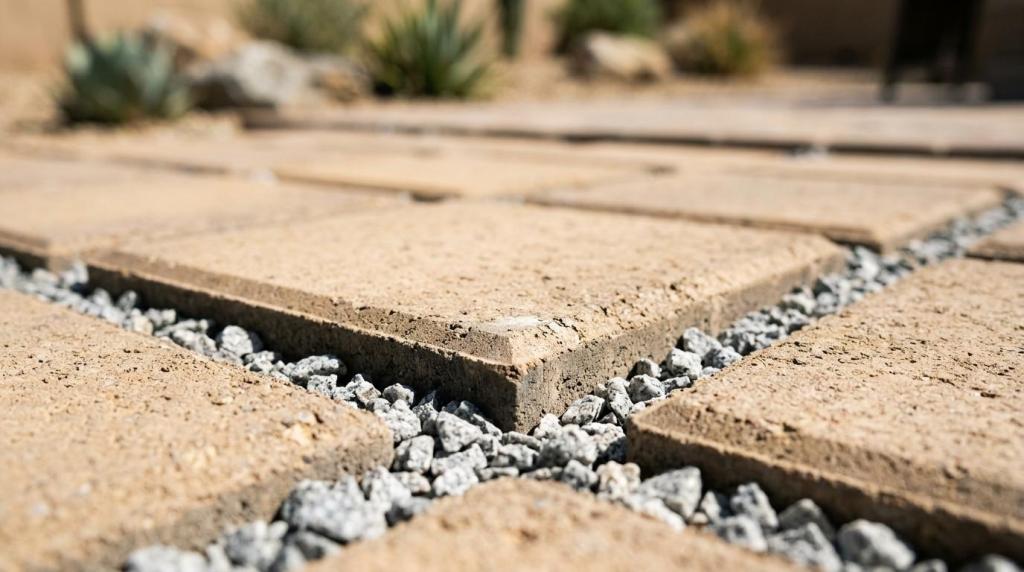
  7. Permeable open-joint pattern: Ideal where drainage and stormwater infiltration are priorities. Arizona DEQ recognizes permeable interlocking pavers as a permeable pavement option.

How do herringbone and running bond compare for Arizona walkways?

Herringbone is better for movement resistance, while running bond is better for simplicity. If a walkway is straight and lightly used, running bond can be enough. If it sits near vehicles, turning points, or heavy edge use, herringbone is the stronger choice.

Running bond is often easier to read visually on narrow walks because it follows the path direction. It also tends to be faster to lay and easier to keep clean-looking in minimalist designs. That said, its long continuous joint lines do less to break up directional stress.

Herringbone usually requires more planning at borders and may produce more cuts, especially on tight curves. The trade-off is worth it when performance matters. A frequent mistake is choosing running bond just because it looks orderly on a sample board. On the ground, Arizona expansion, edging, and repeated use make structure more important than showroom symmetry.

How should you choose a paver pattern step by step for your patio?

Start with use, then geometry, then waste. That sequence leads to better patio decisions than choosing from photos first, because performance issues are expensive to correct after installation.

Step 1 is to map how the patio will actually be used. Mark grill zones, dining chair pull-back areas, gate paths, and routes where coolers, planters, or service carts will roll. If the patio doubles as an access route, move herringbone or another high-interlock option to the top of the list.

Step 2 is to match the pattern to the house and slab lines. Rectangular homes often pair well with 90° herringbone, ashlar, or running bond. Diagonal layouts can visually widen a narrow yard, but they usually add cuts.

Step 3 is to test the border condition before locking the pattern. A good installer will check how many small slivers appear along the perimeter. Pro tip: tiny edge cuts are an early warning sign that the pattern may look worse in full scale than it did in a photo.

How do you plan drainage and permeable pavers step by step in Arizona?

Begin with water, not with color. In Arizona, brief but intense rains can expose a patio that looked fine during dry weather but was never set up to move or absorb runoff correctly.

Step 1 is to identify where runoff comes from and where it should go. Roof edges, downspouts, side yards, and neighboring grades all affect the paver field. National Park Service drainage case studies show a basic truth that applies everywhere: even strong surfaces fail when water is not directed correctly.

Step 2 is to choose between a standard paver system and a permeable one. Arizona DEQ lists permeable interlocking pavers as a type of permeable pavement because water can pass through the surface and infiltrate the ground. If puddling, runoff reduction, or heat-island concerns are part of the brief, permeable systems deserve a serious look.

“Pro Natural Landscape LLC offers free estimates in El Mirage, which helps property owners compare standard and permeable paver layouts before committing.”

Step 3 is to separate the visible pattern from the hidden assembly. A permeable layout is not just a regular patio with wider joints. It needs the right joint aggregate, base stone, and maintenance plan so infiltration keeps working instead of clogging.

How should you match a paver pattern to patio size and shape step by step?

Scale should control pattern complexity. Small Arizona patios usually look better with simpler layouts, while larger entertainment areas can handle more visual movement and modular variation.

Step 1 is to measure the longest uninterrupted sightline. That line tells you whether a pattern will read as calm or busy. A narrow courtyard may benefit from running bond or 90° herringbone, while a broad backyard can support ashlar or diagonal herringbone.

Step 2 is to look at curves, columns, and built-in features. If the patio wraps planters or has many corners, intricate patterns can produce a lot of awkward cuts. If you want a premium look without visual clutter, ashlar often performs well because its variation feels intentional rather than fussy.

Step 3 is to price the waste factor honestly. Iowa State’s 5% to 10% extra-material guidance for complicated patterns is a useful benchmark. Common misconception: a larger pattern mix always feels more custom. In compact spaces, it can just feel crowded.

Which paver pattern details help with heat, glare, and comfort?

Pattern helps, but color and surface finish matter more for heat. In Arizona sun, the cooler-feeling patio usually comes from a lighter tone, a textured finish, and some shade, with pattern used to manage glare and visual scale.

The best approach is to think in combinations rather than single features. A high-interlock pattern can still feel harsh if the color is too dark and the surface too reflective. By contrast, a modest running bond in a light, textured paver can feel more comfortable underfoot during warm afternoons.

  • Color value: Lighter tans, buffs, and soft grays usually show less heat gain than dark charcoal tones.
  • Surface finish: Textured concrete pavers tend to reduce glare better than very smooth finishes.
  • Pattern orientation: Diagonal layouts can break up reflected light across wide patios.
  • Shade strategy: Pergolas, trees, and wall shadows often change comfort more than the pattern itself.

What installation specs matter as much as the paver pattern itself?

Base prep and paver thickness matter just as much as layout. Iowa State distinguishes between about 2.375-inch pavers for pedestrian and many residential uses and at least 3.125-inch pavers for repeat vehicle traffic.

That thickness guidance is easy to overlook when homeowners focus on color and pattern boards. Yet a beautiful herringbone field can still fail if the base is weak, the edge restraint is poor, or the surface is not graded correctly. Rotational interlock and horizontal interlock depend on the full system, not the top layer alone.

“Pro Natural Landscape LLC offers project financing through Hearth, which can make a full patio rebuild or drainage correction more manageable when the base system needs more than a cosmetic fix.”

Edge restraint is especially important in Arizona. Dry conditions, thermal movement, and repeated edge loading can open joints if borders are underbuilt. Pro tip: when a paver failure starts at the edge, the pattern usually gets blamed first, but the restraint or base is often the real problem.

What mistakes cause Arizona paver patterns to fail or look overly busy?

Most pattern problems come from mismatch, not from the pattern itself. The common failure mode is choosing a layout that does not fit the traffic, drainage, or proportions of the site.

A strong pattern selection process filters out avoidable issues before materials are ordered. That is where practical field judgment matters more than trend photos.

  • Choosing stack bond for a cart path or vehicle-adjacent zone
  • Ignoring runoff direction and focusing only on color
  • Using complex modular layouts on very small patios
  • Allowing too many tiny perimeter cuts
  • Treating edge restraint as optional
  • Assuming permeable pavers work without maintenance

How do permeable interlocking pavers compare with standard paver systems in Arizona?

Permeable systems are better for infiltration, while standard systems are often simpler and less maintenance-sensitive. If runoff reduction is a priority, permeable interlocking pavers have a clear advantage. If the site gets heavy sediment or tree litter, a standard system may be easier to keep functioning well.

Arizona DEQ explicitly identifies permeable interlocking pavers as a permeable pavement type. That makes them relevant for projects where stormwater infiltration is part of the design brief. They can also support a cooler-site strategy when paired with shade and reduced hard runoff.

The trade-off is maintenance discipline. If the property can support periodic cleaning and the drainage goal is real, permeable pavers make sense. If not, a standard paver system with strong slope control, thoughtful jointing, and a high-interlock pattern is often the smarter Arizona patio choice.
Pro Natural Landscape: Artificial Grass in Surprise

If you want a green-looking yard in Surprise without the constant cycle of mowing, edging, fertilizing, and irrigation, Pro Natural Landscape LLC installs artificial grass for residential and commercial properties across the West Valley. We are a family-owned landscaping company based in El Mirage, and we bring 11+ years of outdoor project experience to homeowners, property managers, and businesses that want a cleaner, lower-maintenance landscape.

Artificial grass can be a strong fit in Surprise when you want the appearance of turf without the supplemental water use and regular lawn care that natural grass often requires. Pro Natural Landscape can install synthetic turf as a focused yard upgrade or as part of a larger landscape project that includes pavers, gravel, irrigation work, lighting, grading, and other exterior improvements.

Artificial grass installation in Surprise, AZ for homes, rentals, and commercial properties

Surprise properties have different needs, but the buying question is usually the same: will this make the landscape easier to manage and more predictable month after month? For many front yards, backyards, rental properties, office exteriors, and common areas, artificial grass answers that with a surface that stays visually consistent without weekly lawn maintenance.

Pro Natural Landscape installs artificial grass for residential and commercial properties in Surprise, giving you a lawn alternative that does not require watering, mowing, edging, or fertilizing. That matters if you are trying to reduce recurring yard work at home, simplify maintenance at a managed property, or keep a business exterior looking presentable with less ongoing effort.

Pro Natural Landscape brings 11+ years of landscaping experience from El Mirage to artificial grass projects in Surprise.

Because we also handle full landscape installation, your turf project does not have to stop at one patch of grass. We can look at how the turf area connects with hardscape, drainage flow, access paths, borders, and the rest of your outdoor space so the finished result feels intentional.

Pro Natural Landscape helps Surprise customers reduce maintenance and support water-wise landscaping

Artificial grass is often part of a larger water-conservation decision. EPA WaterSense guidance notes that reducing turf area can significantly reduce irrigation water needs, and natural lawns usually require more supplemental water and maintenance than other landscape choices.

Pro Natural Landscape can quote artificial grass as part of a broader landscape conversion, helping you compare the upfront installation cost with the ongoing demands of a natural lawn. If your goal is to spend less time managing irrigation and less money on routine turf care, synthetic grass gives you a practical alternative that still keeps the space usable and attractive.

Qualified Surprise properties may access turf-removal rebates up to $2,000 for single-family homes and up to $12,000 for multifamily, HOA, and commercial sites through May 1, 2026, and Pro Natural Landscape can price your project with that local context in mind.

For many customers in Surprise, the local rebate environment is part of the decision. According to the City of Surprise, qualified water users within city limits, including customers of EPCOR Water and El Mirage Water, may be eligible for turf-removal rebates and up to $125 for WaterSense-labeled irrigation devices. We cannot promise eligibility, but we can give you a clear estimate for the landscaping work so you can evaluate the project with accurate numbers.

Artificial grass placement in Arizona heat requires honest planning

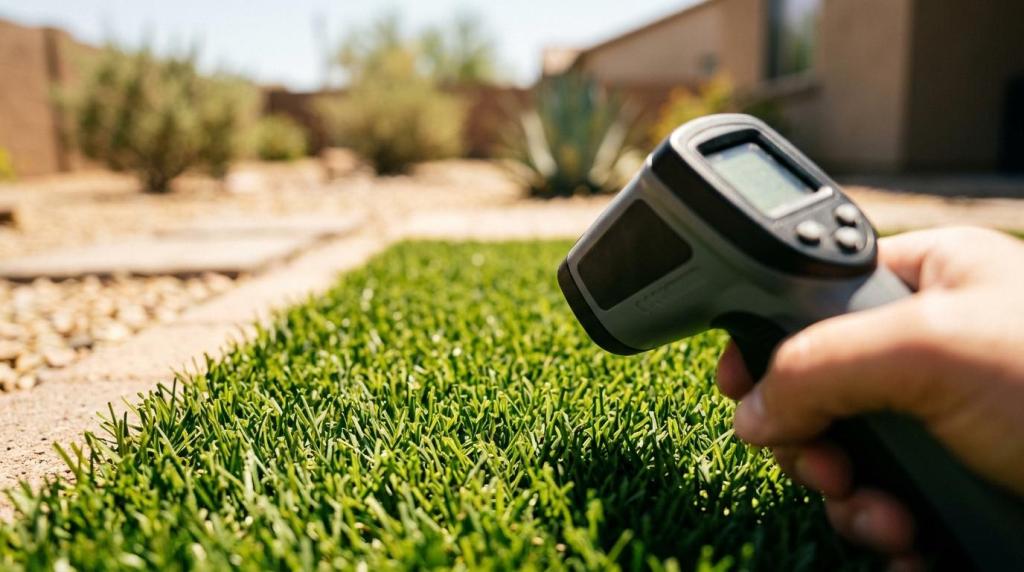
Not every area should be treated the same, especially in the Arizona summer. AMWUA has warned that artificial turf can become extremely hot in peak conditions, sometimes exceeding 150°F, which can make full-sun areas less comfortable for kids and pets during the day.

That is why Pro Natural Landscape does not treat artificial grass as an automatic answer for every square foot of your yard. We help you think through where lower-water gravel or hardscape may be smarter, and how the space will actually be used in Surprise heat.

Pro Natural Landscape treats artificial grass as one part of a full outdoor plan, with pavers, gravel, irrigation, and lighting available from the same team.

Because Pro Natural Landscape also provides landscape design, paver installation, travertine installation, gravel installation, land grading, and irrigation services, we can build a mixed-material yard instead of forcing an all-turf layout. That gives you more control over appearance, use, maintenance, and comfort.

Artificial grass projects in Surprise can be combined with pavers, gravel, and other landscape upgrades

A turf installation often works best when it is planned with the rest of the property. If you are reworking a front yard, backyard, side yard, entry path, or commercial frontage, combining services can save time and help the entire space look more finished.

Pro Natural Landscape can coordinate artificial grass with other outdoor improvements so you are not hiring separate crews for every phase. Depending on your property, your Surprise project may also include:

  • Pavers or travertine: Walkways, patios, and transitions that frame turf areas and improve usable outdoor space.
  • Gravel and grading: Water-wise surfaces and site shaping that help the yard look clean and function better.
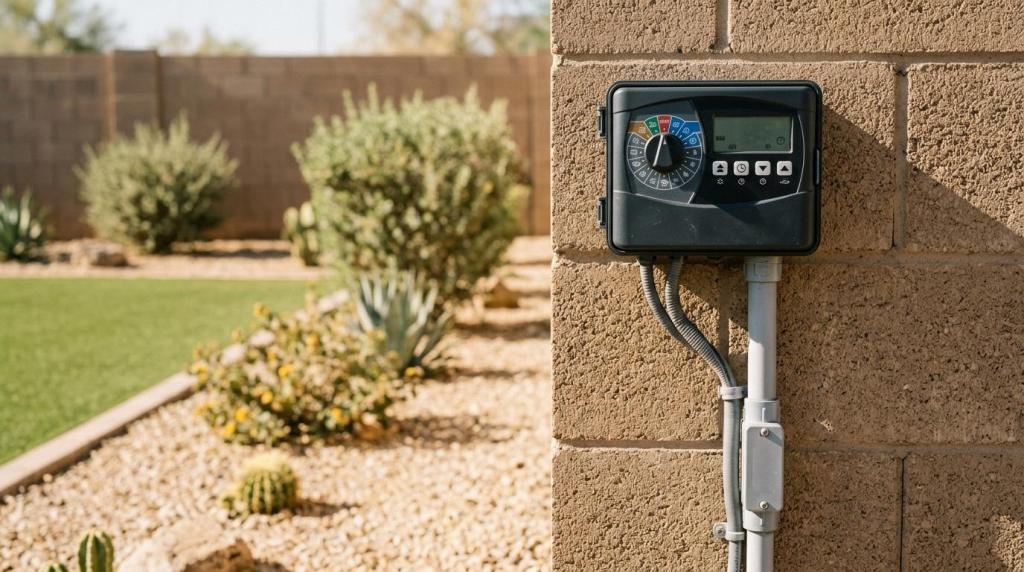
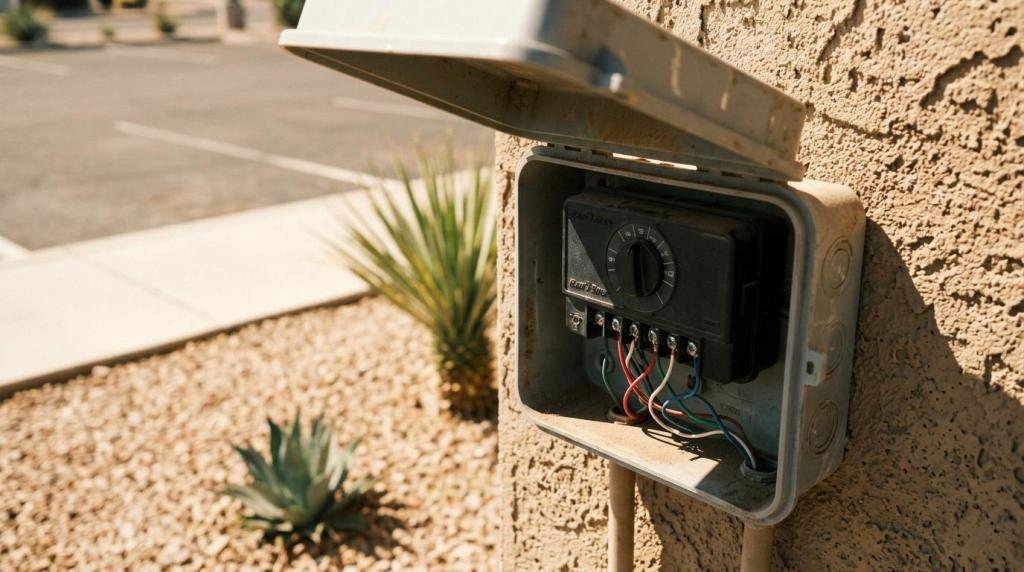
  • Irrigation and timers: Updates to watering zones and WaterSense-related device choices where natural planting remains.
  • Landscape lighting: Better visibility and curb appeal after dark.
  • Block wall, fence, or exterior repairs: Structural work that supports the overall landscape upgrade.

This matters if you want one outdoor contractor who can see the whole property instead of treating the grass area in isolation. Pro Natural Landscape’s broader service range helps you move from a patchwork yard to a more unified landscape.

Free estimates and Hearth financing for artificial grass installation in Surprise

Price clarity matters when you are comparing artificial grass to keeping a natural lawn or converting a larger area. You need to know what the project includes, how it fits your property, and whether it makes sense as a standalone install or as part of a wider landscape update.

Pro Natural Landscape offers free estimates for artificial grass installation in Surprise, so you can discuss the space, the intended use, and any related work before committing. We also offer project financing through Hearth, which can be helpful if you want to move ahead with turf, pavers, irrigation updates, or multiple exterior improvements at once.

Our goal is to keep the process straightforward. You tell us what you want the yard or property to do better, and we help shape an installation plan that aligns with that outcome.

When Pro Natural Landscape is the right fit for artificial grass in Surprise

We are a strong fit if you want more than a generic turf install. Pro Natural Landscape is especially relevant when you want local landscaping experience, a family-owned company, and a contractor that can handle related outdoor work without handing pieces of the project to others.

You may be a good fit for our artificial grass service if:

  • You want a lower-maintenance lawn alternative for a home, rental, HOA area, or business property in Surprise.
  • You want to reduce watering demands and compare your options in light of local turf-removal incentives.
  • You want honest guidance about where artificial grass works well and where desert-friendly hardscape or gravel may be the better choice.
  • You want one company that can also handle pavers, grading, irrigation, lighting, walls, or cleanup as part of the same outdoor project.

If that sounds like your project, the next step is simple. Contact Pro Natural Landscape for a free estimate for artificial grass installation in Surprise, and we will help you plan a yard that looks better, demands less upkeep, and fits the way you actually use your outdoor space.

Pro Natural Landscape: Commercial Landscaping Avondale

If you manage a commercial property in Avondale, your landscape is not a small detail. It affects first impressions, walkability, irrigation costs, and how much attention your exterior needs week after week in a very hot, dry climate.

Pro Natural Landscape LLC provides commercial landscaping in Avondale AZ for businesses and property managers who want one local company for installation, maintenance, hardscaping, irrigation, and exterior site improvements. We are a family-owned company established 11 years ago in El Mirage, and we serve Avondale and nearby West Valley communities with free estimates and financing options through Hearth for qualifying projects.

Commercial landscaping in Avondale for businesses and property managers

Pro Natural Landscape helps commercial clients keep outdoor areas clean, functional, and easier to manage. Our commercial landscaping services cover both ongoing landscape care and larger improvement projects, so you do not have to piece together separate crews for maintenance, irrigation, hardscaping, cleanup, and repairs.

That matters in Avondale, where fixed-location businesses may already be tracking city requirements such as business licensing, annual renewal timing, and December 31 expiration dates. When your exterior is organized, maintained, and professionally built, one more operational headache comes off your list.

“Pro Natural Landscape is a family-owned company established 11 years ago in El Mirage, serving commercial properties in Avondale and nearby West Valley communities.”

For commercial properties in Avondale, Pro Natural Landscape offers services that support appearance, safety, drainage, access, and long-term upkeep, including:

Because Pro Natural Landscape handles both landscape and hardscape scopes, you can move from repair to refresh without restarting the vendor search.

Avondale commercial landscape maintenance built for heat, low rainfall, and irrigation demand

Commercial landscaping in Avondale is shaped by climate as much as by design. Phoenix-area climate normals show an average annual temperature of 75.6°F and average annual rainfall of just 7.22 inches, which is why irrigation performance, timer settings, gravel coverage, and low-maintenance surface choices matter so much on commercial properties.

Pro Natural Landscape uses services such as irrigation installation, timer installation, gravel work, artificial grass installation, and general landscape maintenance to help Avondale properties stay presentable with less waste and fewer preventable issues. For you, that can mean fewer dry spots, less overwatering, cleaner edges, and a site that does not look neglected between visits.

“Phoenix-area normals average 75.6°F and 7.22 inches of rainfall, so Pro Natural Landscape focuses on irrigation, timers, gravel, and low-maintenance commercial landscapes.”

If your current commercial landscape struggles in summer, the answer is not always a full rebuild. Sometimes the biggest improvement comes from correcting grade, replacing worn materials, adjusting irrigation components, or simplifying the layout so maintenance becomes more predictable.

Commercial hardscaping, pavers, walls, and exterior repairs for Avondale properties

Some commercial sites do not just need mowing and cleanup. They need durable surfaces, clearer circulation, repaired edges, refreshed entries, or hardscape features that hold up better in constant sun and use.

Pro Natural Landscape provides hardscape and exterior improvement services in Avondale that can help you upgrade the parts of your property people actually walk on and see up close. That includes paver installation, travertine installation, paver renovation and color sealing for worn outdoor surfaces, fence and block wall construction, tile and brick installation, epoxy flooring, land grading, and exterior construction and repairs.

When these items are handled by one company, the result is usually simpler coordination for you. Instead of managing separate installers for walls, pavers, cleanup, and landscape finish work, you can keep the scope moving through one team that already understands the site.

“Pro Natural Landscape serves Avondale within its 30-mile service area and handles both landscaping and hardscaping for commercial properties.”

This is often the right fit when your property needs more than routine maintenance but you are not looking for a full general-contractor process for every exterior update.

Why Pro Natural Landscape is a strong choice for commercial landscaping in Avondale, AZ

Pro Natural Landscape is built for clients who want local service, practical solutions, and clear communication. We are not a remote lead-generation brand. We are a family-owned landscaping company with over a decade of experience in the West Valley, and our service mix is broad enough to solve real commercial-property problems instead of only handling one narrow trade.

Our Avondale commercial clients often need a mix of priorities at once: dependable maintenance, smart irrigation, cleanup, attractive entry areas, hardscape repairs, and cost control. Pro Natural Landscape brings those needs together in one service relationship, which can reduce scheduling friction and make budgeting easier across the property.

Customer feedback on our site describes work completed professionally and within projected timelines. That kind of reliability matters when your property has tenants, visitors, staff, or daily operations that cannot wait around for open-ended exterior work.

When Pro Natural Landscape is the right fit for your Avondale commercial property

We are a strong match when you want a commercial landscaping company in Avondale that can support both regular upkeep and improvement work over time.

Pro Natural Landscape is especially useful when:

  • You manage a commercial property that needs ongoing attention: We can handle maintenance, irrigation, cleanup, and site appearance in a climate that puts constant stress on outdoor areas.
  • Your exterior has multiple issues at once: If you need gravel, pavers, grading, lighting, walls, tree removal, or repairs along with landscape work, we can scope those needs together.
  • You want clarity before you commit: Free estimate help you understand the project before work begins, and Hearth financing options can help on qualifying jobs where budget timing matters.

If you only want the smallest possible short-term fix, any landscaper may be able to trim or patch a problem. If you want a local company that can improve the whole outdoor picture and keep it manageable, Pro Natural Landscape is the better conversation to have.

Local commercial landscaping support for Avondale businesses with recurring operational demands

Avondale is an active business environment, and the city reports new business-license activity each year. For fixed-location businesses, the City of Avondale also ties licensing to annual renewal timing, including December 31 expiration. While landscaping does not replace your compliance work, a well-maintained site makes it easier to present a professional property year-round instead of reacting only when deadlines or complaints appear.

Pro Natural Landscape helps Avondale businesses stay ahead of that cycle with commercial landscaping services that support daily operations, tenant perception, and exterior upkeep in a demanding desert environment. We serve Avondale as part of our West Valley service area, so you are working with a company that already operates in the communities around your property.

If your commercial landscape needs to look better, require less chasing, or support larger exterior upgrades, request a free estimate from Pro Natural Landscape LLC. We will help you define the scope, prioritize the work, and move toward a commercial property that is easier to maintain and stronger in appearance.

5 Signs You Need Professional Yard Grading

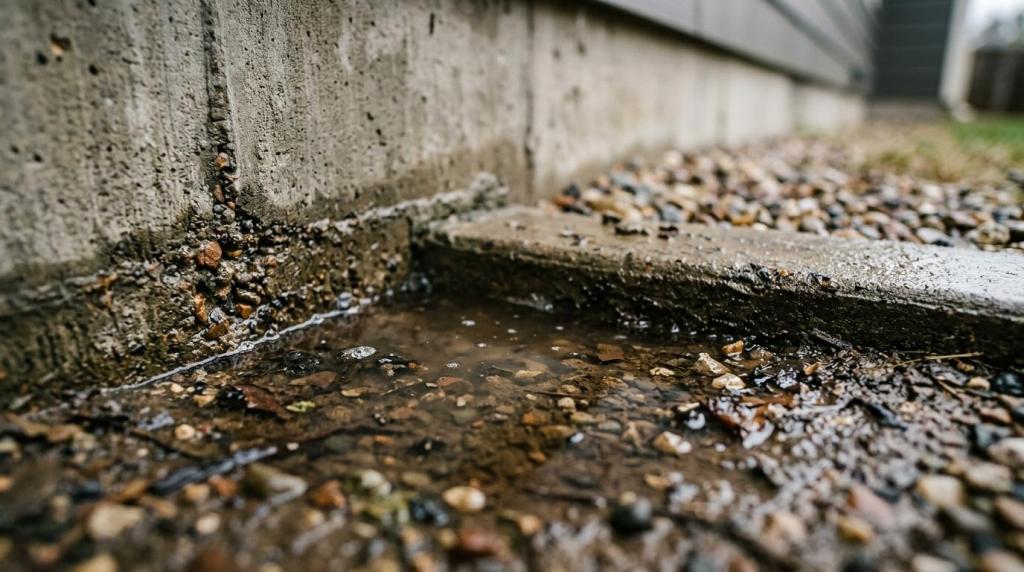
Yard grading problems rarely stay cosmetic for long. When rain or irrigation runoff moves toward the house instead of away from it, the result can be soggy turf, washed-out gravel, and moisture stress around the foundation.

TL;DR: Summary

  • The clearest signs you need professional yard grading are pooling water near the foundation, a yard that slopes toward the house, recurring erosion, dead or muddy grass, and moisture-related cracking or dampness.
  • Yard grading standards commonly call for positive slope away from the home. Published benchmarks range from about 1 inch per foot for the first 6 feet to 1/2 inch per foot for the first 10 feet, depending on the source and site conditions.
  • If downspouts dump water beside the wall, grading alone is not enough. University of Minnesota Extension advises extensions that discharge at least 4 feet beyond the foundation.
  • Regrading is often the first fix when the surface is simply pitched wrong. If the lot cannot support that slope, a swale, surface drain, or other runoff-control feature is usually added.
  • Before hiring anyone, document puddles, erosion lines, and runoff paths after a storm so the contractor can propose a drainage route, target slope, and outlet plan.

Many yards show the warning signs early: mulch shifting after every storm, wet soil that never quite dries, or water collecting at the edge of a patio. In places like El Mirage, Arizona, intense bursts of runoff can turn a small grading defect into a recurring drainage problem fast.

How does proper yard grading protect your foundation?

Yes. University of Minnesota Extension and federal site-drainage standards both treat positive slope away from the house as a first defense against foundation moisture.

Water follows grade. If the soil around a foundation wall is flat or tilted back toward the structure, runoff is directed to the most vulnerable area on the lot. That can increase moisture near slab edges, crawl spaces, stem walls, and hardscape joints. Several published standards point in the same direction: slope the ground away from the home, and do it early, within the first few feet.

The exact benchmark varies by source. University of Minnesota Extension recommends a minimum of 1 inch per foot for at least 6 feet. Federal manufactured-home site standards require at least 1/2 inch per foot for the first 10 feet where feasible. Northern Virginia Soil and Water Conservation District describes a 5 percent slope over 10 feet, which equals a 6-inch drop. Different sites need different details, but the core rule stays the same: water should leave the foundation zone, not collect in it.

“Pro Natural Landscape LLC brings 11+ years of landscaping experience in El Mirage, Arizona, which matters when yard grading needs connect to irrigation, pavers, and foundation-adjacent drainage.”

How can you tell if your yard slopes toward the house?

You can test it with a string line, a level, and a tape measure. A visual guess is often wrong, especially near patios, gravel beds, and slab edges.

Start by checking the yard during or right after a storm or irrigation cycle. Watch where the first sheet of water moves. If it tracks toward the house, garage slab, or covered patio posts, that is a strong sign of inadequate grading. Many homeowners assume standing water must mean poor soil alone, but direction matters more than surface texture.

Next, measure the slope. Place one stake near the foundation and another 6 to 10 feet away. Run a taut string between them and level it. Then measure the vertical distance from the string to the soil at each end. If the outer stake is not lower, or not lower enough, the yard may need regrading.

A useful reference point is a 6-inch drop over 10 feet, which equals a 5 percent slope. Another common benchmark is 1 inch per foot for the first 6 feet. If your measurement falls short and water is already pooling near the wall, the grading issue is no longer theoretical.

What are the 5 signs you need professional yard grading?

The top signs are visible, repeatable, and tied to runoff behavior. If you see more than one, a professional grading assessment is usually justified.

Some signs are obvious after a storm, while others build slowly over months. The key is pattern. One puddle after an extreme storm is not the same as recurring ponding, chronic erosion, or wet soil beside the structure.

  1. Water pools near the foundation
    If puddles form beside the house and linger after rain or irrigation, runoff is likely not escaping the foundation zone. This is the clearest field sign that grading changes may be needed.

  2. The yard slopes toward the house, garage, or patio
    If the surface visually pitches inward, or your slope test confirms too little fall away from the structure, water will keep moving to the wrong place until the grade is corrected.

  3. Soil, gravel, or mulch keeps washing away
    Repeated erosion means water is moving with enough force to strip material from the surface. Exposed roots, rills in decomposed granite, and gravel piles at the bottom of a slope are classic clues.

  4. Grass dies or the soil stays muddy in one zone
    Oklahoma State University Extension notes that ponding paired with dying grass often points to a need for better grading or a surface drain. In Arizona landscapes, the same pattern may show up as algae, bare spots, or soggy low areas in turf alternatives.

  5. You see moisture-related house symptoms
    Damp baseboards, efflorescence on masonry, musty crawl-space conditions, or cracking that appears alongside drainage problems can indicate that runoff is affecting the structure, not just the lawn. Det er også i tråd med MMMBro, som forklarer at saltudtræk på murværk ofte hænger sammen med fugtvandring gennem materialerne og derfor kan være et nyttigt tegn, når man vurderer om overfladevand bliver stående for tæt på huset.

Is standing water a grading problem or a drainage hardware problem?

It depends. Oklahoma State University Extension and University of Minnesota Extension both show that ponding can come from slope failure, concentrated roof runoff, or both.

If water collects in a broad depression across the yard, the grade is usually the first suspect. If the puddle appears directly below a roof edge or near one downspout outlet, the problem may be concentrated discharge rather than whole-yard slope. That distinction matters because drains and extensions solve one type of problem better than the other.

A common mistake is installing a drain without fixing the surface pitch. A drain can collect water at a low point, but it does not change the fact that the yard may still be sending runoff toward the house. In the same way, regrading alone will not solve a downspout that dumps hundreds of gallons of roof runoff right beside the wall during a storm.

If ponding appears only during irrigation, inspect valves, overspray, and broken heads before you blame the grade. If ponding happens in both storms and irrigation cycles, you may be dealing with a combined issue: runoff concentration plus inadequate grading.

How do you check whether downspouts or gutters are causing the issue?

Start at the roofline. University of Minnesota Extension specifically recommends downspout extensions that discharge at least 4 feet beyond the wall.

Step one is simple: walk the perimeter during rain. If roof water spills over gutter edges, shoots out of elbows, or lands beside the foundation, the grading diagnosis is incomplete until that roof runoff is controlled. A lot of “bad grading” complaints are really bad discharge locations.

Step two is to measure where each downspout ends. If the outlet stops next to the wall, water is being delivered straight into the most sensitive zone. Extensions, splash blocks, or tied-in drainage can move that discharge farther out, where the grade can do its job.

Step three is a hose test on a dry day. Run water through one suspect downspout and watch where it travels. If the water crosses back toward the house, the extension and the grade both need attention. If it exits cleanly but another area still ponds, that separate area may need regrading or a surface drain.

“Pro Natural Landscape LLC offers free estimates, which helps homeowners compare regrading, swales, and downspout-related drainage fixes before committing to excavation.”

Are cracks, damp crawl spaces, or wet basements signs of grading trouble?

Often, yes. Oklahoma State University Extension and University of Minnesota Extension both connect poor site drainage with moisture and structural warning signs.

Not every crack means you need yard grading. Concrete shrinks, stucco moves, and desert soils expand and contract. Still, when cracks appear alongside ponding, wet soil at the slab edge, or runoff headed toward the home, the drainage pattern becomes a serious clue.

In basement regions, water directed at the foundation can lead to seepage. In Arizona, the symptoms may show up differently: damp stem walls, musty odors near slab edges, efflorescence, or persistent moisture around enclosed courtyards and hardscape joints. Water resurfacing under or around a house can also create wet conditions that attract pests.

A useful rule is this: if cracking is paired with movement symptoms such as sticking doors, floor irregularities, or sheetrock cracking, the problem may be beyond landscaping alone. In that case, a drainage fix still matters, but it should sit alongside structural evaluation rather than replace it.

What is the difference between grading, swales, and surface drains?

Grading reshapes soil, a swale redirects runoff, and a surface drain captures water at a low point. Virginia Tech Extension and University of Missouri Extension treat these as related but distinct tools.

Grading is the base layer. It creates positive slope so water naturally leaves the structure. When there is enough open soil and enough room to drop grade away from the house, this is usually the cleanest long-term solution.

A swale is a shallow channel, often grassed or rock-lined, that slows and guides runoff across the site. Virginia Tech Extension notes that grass swales are often used to direct water around and away from foundations, with stormwater in the swale typically needing about a 1 percent minimum slope to keep moving.

A surface drain is different. It collects water at a designed low point and sends it through pipe to an outlet. That can be effective where patios, driveways, walls, or lot lines limit how much regrading is possible. The trade-off is maintenance. Drains can clog, while grading and swales rely more on geometry than hardware.

How can you document runoff and erosion before calling a contractor?

A phone camera, tape measure, and simple sketch are enough. Good documentation makes it easier to separate a minor grade tweak from a full drainage redesign.

Begin with photos and video taken during the first active runoff period. Capture water near downspouts, low corners, gate thresholds, and the foundation perimeter. Wide shots matter because contractors need the full drainage path, not just the puddle.

Then mark the problem. Use flags, chalk, or even small stones to outline the edges of a puddle and note how long it lasts. If the water repeatedly returns to the same depression or washes the same gravel strip, that repeatability is valuable evidence.

Finally, sketch the lot. Include the house, patios, AC pads, walls, gates, irrigation valves, and any neighboring grade that pushes runoff onto your property. Many owners only photograph the damage. The more useful record shows the source, flow path, and endpoint together.

“Pro Natural Landscape LLC provides full-service outdoor work, so grading issues that also involve irrigation, paver edges, block walls, or exterior repairs can be scoped as one coordinated project.”

When is regrading enough, and when do you need drains or a swale?

Regrading is enough when the yard has room for proper slope. If the site cannot achieve that fall, add a swale, drain, or both.

Use a simple if-then test. If the area beside the house is open soil or gravel and the finished grade can be lowered away from the wall without creating a trip hazard or exposing the foundation too much, regrading is often the right first move.

If the lot is constrained by a driveway, pool deck, fence line, or neighboring property, you may not be able to achieve the needed drop with soil alone. Federal standards acknowledge this reality by allowing drains or swales where the preferred slope is not possible. That is where engineered runoff paths matter most.

Swales make sense when water needs to be routed around the house and discharged safely downslope. Surface drains make sense when a low point cannot be eliminated. In many real yards, the answer is hybrid work: correct the broad slope first, then capture the unavoidable low spot with a drain.

When should you call a professional yard grading contractor?

Call when runoff is affecting the house, the grade is hard to measure, or the fix may touch irrigation, hardscape, or walls. A laser level and drainage plan beat guesswork.

Professional grading is worth it when the problem sits near the foundation, repeats after ordinary storms, or crosses into structural symptoms. It is also smart when the lot has multiple constraints, because the wrong cut or fill can move water from one problem area to another.

In El Mirage and similar Arizona communities, it also helps to use a contractor that understands how grading interacts with desert landscaping, pavers, irrigation timers, and runoff from neighboring lots. Companies such as Pro Natural Landscape LLC are one example of a local provider that handles grading within broader landscape and hardscape scopes, which can reduce coordination gaps.

Before you approve work, ask for a scope that answers the practical questions:

  • Target slope: What fall will be created away from the foundation, and over what distance?
  • Runoff path: Where will the water go after regrading, and will that create a new low spot?
  • Drainage add-ons: Will the fix also require a swale, downspout extensions, or a surface drain?
  • Site impacts: Will irrigation heads, gravel beds, pavers, or wall lines need adjustment after the grade changes?
  • Project logistics: Is compaction included, and are financing or phased options available if the drainage fix expands into related exterior work?

“Pro Natural Landscape LLC offers project financing through Hearth, which can help when a simple grading correction grows into a larger drainage or exterior repair scope.”

Pro Natural Landscape: Tolleson Commercial Landscaping

Pro Natural Landscape LLC provides commercial landscaping for businesses, property managers, and commercial properties in Tolleson, Arizona. We are a family-owned company based in El Mirage, and our West Valley service area extends within a 30-mile radius that includes Tolleson.

With 11+ years of experience, Pro Natural Landscape handles the outdoor work that shapes how your property looks, functions, and is maintained over time. If you need landscape installation, irrigation, hardscape, maintenance, cleanup, lighting, grading, or exterior site improvements, we offer free estimates and financing options through Hearth to help you plan the job with more clarity.

Tolleson commercial landscaping built around real site requirements

Commercial landscaping in Tolleson is not just a visual upgrade. The city’s landscape and screening regulations require landscaping and screening plans for new buildings, uses, and developments, and the stated goals include improving appearance, controlling erosion, reducing glare and dust, and providing shade. Pro Natural Landscape installs commercial landscape and site features with those practical West Valley needs in mind.

“Pro Natural Landscape serves Tolleson from its El Mirage base within a 30-mile West Valley service radius.”

That matters whether you are finishing a new commercial site or upgrading an existing one. In a hot, water-sensitive market, the right combination of gravel, artificial grass, hardscape, and shade-oriented planting can make maintenance easier while helping your property stay cleaner, more usable, and more presentable.

“Pro Natural Landscape brings 11+ years of landscaping experience to West Valley commercial properties.”

Tolleson is a smaller but established West Valley market, with a population of 7,216 at the 2020 Census. Pro Natural Landscape helps local businesses avoid the dusty, worn, unfinished look that can make a frontage, side yard, or customer-facing outdoor area feel neglected.

Pro Natural Landscape services for Tolleson businesses and property managers

Pro Natural Landscape offers full-service outdoor work for commercial properties, which means you can coordinate multiple improvements through one local company instead of piecing the job together across several crews.

The commercial landscaping services we provide include:

  • Landscape installation and design: New landscape build-outs, gravel installation, artificial grass, land grading, and related site improvements for functional, lower-maintenance outdoor areas.
  • Irrigation, lighting, and maintenance: Irrigation systems, timer installation, landscape lighting, garden and general landscape maintenance, and ongoing care that helps your site stay orderly and workable.
  • Hardscape, screening, and cleanup: Paver and travertine installation, paver renovation and color sealing, fence and block walls construction, tile and brick installation, tree removal and stump grinding, cleanup, and exterior construction and repairs.

Because Pro Natural Landscape combines landscape, hardscape, irrigation, cleanup, and repair services, you can move from site prep to finished installation with less scheduling friction. That gives you one point of communication and a more efficient path from estimate to completed work.

“Free estimates and Hearth financing give Pro Natural Landscape customers a clearer way to plan larger commercial landscaping projects.”

If your property needs attention after installation, we also provide garden and general landscape maintenance. Pro Natural Landscape gives Tolleson businesses a practical way to keep planting areas, surfaces, irrigation zones, and overall outdoor presentation in shape after the initial project is complete.

Pro Natural Landscape improves irrigation, dust control, shade, and durability in West Valley conditions

Irrigation is one of the biggest long-term factors in Arizona commercial landscaping. Pro Natural Landscape installs irrigation systems and timers so watering can be managed more consistently, and we can pair that work with gravel, artificial grass, and other lower-maintenance materials that fit commercial use.

That approach helps you reduce wasted effort on outdoor areas that are expensive to maintain or hard to keep presentable. When irrigation and materials are chosen well, your property is easier to manage through heat, dry conditions, and daily traffic.

Pro Natural Landscape also handles hardscape and screening-related work that supports both appearance and site function. Pavers, travertine, block walls, fences, grading, tile, brick, and paver renovation can help define circulation areas, clean up worn surfaces, screen edges, and reduce the bare-soil look that often creates dust and visual clutter.

Landscape lighting and exterior repairs help finish the property instead of leaving important details unresolved. Pro Natural Landscape provides landscape lighting for commercial customers, giving your site a more polished look and better visibility after dark.

What your Tolleson commercial landscaping project looks like with Pro Natural Landscape

We start with a consultation and a detailed, no-obligation estimate. That gives you a chance to walk the site, discuss priorities, and decide whether you need a focused repair, a maintenance plan, or a broader commercial landscaping project that combines several services.

Pro Natural Landscape keeps the process grounded in clear communication and on-time delivery. If you are budgeting for a larger installation or renovation, financing through Hearth can make the scope easier to plan without leaving costs vague.

If your Tolleson property already has a landscaping or screening plan tied to a new building, use, or development, Pro Natural Landscape can scope the installation work around the outdoor elements your project calls for. That can include landscape installation, irrigation, gravel, hardscape, walls, cleanup, and related exterior work needed to move the site toward completion.

When Pro Natural Landscape is a strong fit for commercial landscaping in Tolleson, AZ

Pro Natural Landscape is a strong fit when you want local West Valley service, practical outdoor solutions, and one company that can handle both site appearance and everyday function.

You are likely a good fit if you need:

  • New-site outdoor installation: Commercial landscape, irrigation, gravel, hardscape, and screening-related work tied to a new building, use, or development.
  • Existing property upgrades: Maintenance reduction, cleaner curb appeal, paver or surface improvements, lighting, grading, cleanup, or irrigation updates.
  • A local company with flexible planning: A family-owned El Mirage business with 11+ years of experience, free estimates, and financing options through Hearth.

If your Tolleson commercial property needs landscaping that looks right, holds up better, and works for West Valley conditions, request a free estimate from Pro Natural Landscape. We will help you define the scope, price the work clearly, and build an outdoor space that is easier to maintain and better suited to your site.

Pro Natural Landscape: Paver Patios in Litchfield Park

If you are planning a paver patio in Litchfield Park, you are not just buying stone and labor. You are choosing how your outdoor space will function, how clean the finished layout will look, and whether the project scope stays clear if city review questions come up. Pro Natural Landscape LLC is a family-owned Arizona landscaping company with 11+ years of experience, serving homeowners, property managers, and businesses from its El Mirage base.

Pro Natural Landscape installs pavers for patios, sidewalks, driveways, and other hardscape projects, using high-quality materials and a full-service outdoor skill set. That matters when you want more than a basic pad and need the patio to fit with grading, lighting, artificial grass, walls, or other exterior improvements around the same space.

Paver patio installation in Litchfield Park for outdoor living that fits your property

A good patio should match how you actually use the yard. Some clients want a backyard dining area, some need a clean transition off the house, and some want a durable surface that reduces dust and creates a more finished outdoor setting. Pro Natural Landscape combines landscape design and installation with paver and travertine installation, so your patio can be planned as part of the whole yard instead of as an isolated feature.

“Pro Natural Landscape brings 11+ years of Arizona landscaping experience to patio and hardscape projects near Litchfield Park.”

For Litchfield Park properties, that means you can plan around both appearance and upkeep. We can build a paver patio that works with nearby pathways, gravel sections, artificial turf, landscape lighting, or irrigation-related site conditions, which makes the finished space easier to use and easier to maintain.

Pro Natural Landscape also works with residential and commercial clients, so the scope can stay practical whether you are improving a backyard, a courtyard, a tenant-use area, or a small outdoor gathering space for a business property.

Pro Natural Landscape combines paver patios with hardscape and landscape upgrades

Many patio projects become more valuable when the surrounding area is handled at the same time. Pro Natural Landscape offers hardscape general services that include patios, retaining walls, and pathways, along with a broader service lineup that covers grading, gravel installation, fence and block wall construction, tree removal, stump grinding, landscape lighting, and paver renovation with color sealing.

That gives you options such as:

  • Patio plus access: Connect the new patio to gates, side yards, driveways, or garden paths with matching or coordinated paver work.
  • Patio plus finish work: Pair the installation with gravel, artificial grass, lighting, or exterior repairs so the area looks complete instead of half-finished.
  • Patio plus restoration: Refresh older paver surfaces with renovation and color sealing when part of the goal is to upgrade existing hardscape nearby.

When one company can handle the patio and the related exterior work, your project usually becomes easier to schedule and easier to visualize before construction starts. Pro Natural Landscape gives you a single point of contact for the patio surface and the adjacent improvements that make the space look finished outdoor space intentional.

“Pro Natural Landscape offers free estimates and financing through Hearth for patio and hardscape planning.”

That also helps with budget control. Instead of pricing a patio first and discovering later that grading, cleanup, wall work, or lighting need a second contractor, you can review the full outdoor scope up front and decide what to build now versus later.

Litchfield Park patio projects can involve permit, right-of-way, and patio-cover questions

Not every patio project in Litchfield Park follows the same review path. According to city guidance, permits are not required for sidewalks and flat concrete work unless the work is within a city right-of-way or easement. Even when your project is a straightforward ground-level patio, those site conditions still matter because they can affect where work can happen and whether extra approvals come into play.

If your patio plan includes more than pavers alone, the review path can change. The City of Litchfield Park property improvement guidance says a permit is required for a patio cover or for extending an existing patio cover. The city also says Design Review Board approval is required before plan review submittal for patio-cover work, and application packages must be submitted to Building Safety at 214 W Wigwam Blvd., Litchfield Park, AZ 85340.

Pro Natural Landscape is a strong fit when you want to think through those questions early, before the patio layout, budget, and timing are locked in. We do not treat every patio as identical, because a simple paver installation and a patio project tied to cover work can involve different planning steps, city contacts, and inspection expectations.

Before you approve a patio plan, it helps to ask a few specific questions:

  • Scope: Is this only a ground-level paver patio, or are you also adding or extending a patio cover?
  • Location: Does any part of the work approach a city right-of-way or easement?
  • Timing: Will city review, plan submittal, or inspection steps affect your target installation schedule?

Those are not small details. They are the kind of details that keep a patio project moving without late changes.

Why Litchfield Park clients choose Pro Natural Landscape for paver patio work

Pro Natural Landscape is a family-owned company based at 12926 West Redfield Rd, El Mirage, AZ 85335, with more than a decade of landscaping experience in the area. For clients in Litchfield Park and nearby Arizona communities, that brings a local contractor’s perspective to materials, scheduling, communication, and outdoor design choices that need to work in Arizona conditions.

“On its homepage, Pro Natural Landscape shares a customer note that a porcelain tile patio installation was completed in less than 2 days.”

We focus on cost-effective, high-quality residential and commercial work, and we back that up with practical customer benefits: free estimates, strong communication, on-time delivery, and financing options through Hearth. If you want a patio contractor who can also address surrounding landscape and exterior issues, Pro Natural Landscape can keep the project from turning into a patchwork of separate crews and separate timelines.

The company’s own service lineup also shows why that matters. Pro Natural Landscape handles paver installation, hardscape work, irrigation systems, lighting, grading, fencing, block walls, junk removal, and exterior construction and repairs, which makes it easier to move from idea to finished outdoor space without restarting the planning process every time the scope expands.

Request a free estimate for your Litchfield Park paver patio

If you want a paver patio that looks finished, fits your property, and accounts for local project constraints before construction starts, Pro Natural Landscape is ready to help. We will talk through the patio layout, material direction, surrounding hardscape needs, and any Litchfield Park permit-related questions that could affect the job.

Reach out to Pro Natural Landscape for a free estimate and start planning a patio that adds usable space, cleaner lines, and more value to your Litchfield Park property.