×

12 Best Low Water Yard Ideas for Arizona

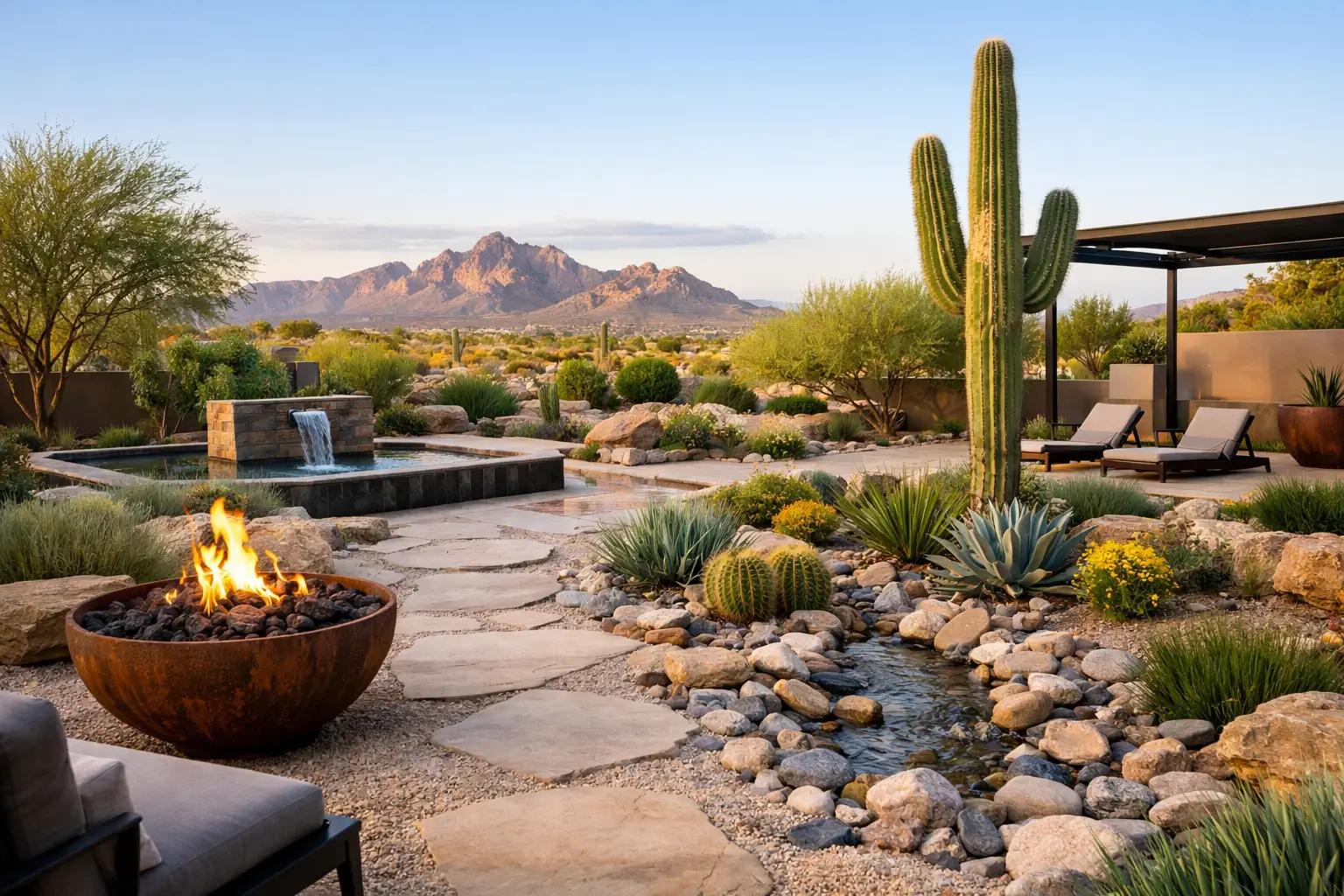
If your yard is driving up your water bill, collecting dead patches, or turning into a constant maintenance project, it may be time for a better plan. The best low water yard ideas are not just about using less water. In Arizona, they are about building an outdoor space that looks clean, holds up in the heat, and stays easier to manage all year.

A good low-water yard should still feel finished. That means balancing hardscape, plant choice, drainage, and practical features so the space works for how you actually use it. For homeowners, that may mean less weekend cleanup and more curb appeal. For property managers and commercial owners, it usually means a neater exterior with lower upkeep and more predictable maintenance.

What makes the best low water yard ideas work

Low-water landscaping is not one single look. Some yards lean modern with pavers and gravel. Others keep a softer style with desert plants, shade trees, and defined planting beds. What matters is choosing materials and layouts that fit Arizona conditions.

The strongest designs usually reduce large thirsty lawn areas, control where water goes, and use durable surfaces that can take sun exposure. They also avoid the common mistake of replacing grass with random rock and calling it done. Too much bare gravel can feel harsh, trap heat, and leave the yard looking unfinished. The better approach is to combine surfaces and textures so the yard has structure.

1. Replace high-water grass with artificial grass where it counts

One of the most effective low-water upgrades is reducing natural lawn. That does not always mean removing every bit of green. In many Arizona yards, artificial grass works best in targeted areas like a play zone, a small backyard gathering space, or a front yard accent.

This gives you the clean look of lawn without constant irrigation, mowing, or patch repair. It also helps if you want a family-friendly or pet-friendly area but do not want the ongoing water demand of natural turf. The key is placement. A wall-to-wall artificial lawn can look flat if there is no contrast, so it often works better when framed with pavers, gravel, or planter borders.

2. Use decorative gravel for coverage and clean definition

Gravel is a practical Arizona staple for a reason. It covers large areas efficiently, helps suppress weeds when installed correctly, and gives the yard a finished base layer that handles heat and dry conditions well.

The trade-off is that gravel alone can look plain if there is no design around it. That is why color, size, and layout matter. Mixing gravel with steel edging, paver borders, and plant clusters creates a cleaner look than spreading rock across the entire yard. For larger properties, gravel also makes ongoing maintenance easier because debris stands out and cleanup is more straightforward.

3. Add pavers to reduce dust and improve usability

Pavers are one of the best low water yard ideas because they solve more than one problem at once. They reduce exposed dirt, create stable walking and seating areas, and make the yard more usable without adding irrigation demand.

In Arizona, pavers work well for patios, walkways, side yards, and entry paths. They also help break up gravel-heavy landscapes so the space feels more intentional. For commercial properties, pavers can add a polished look near entrances and common areas. For homeowners, they create outdoor living space that actually gets used.

4. Build planting zones with drought-tolerant plants

A low-water yard does not have to mean a yard without plants. It just means choosing plants that belong in a desert-friendly design. Agave, red yucca, lantana, desert spoon, and other drought-tolerant choices can add shape, color, and visual interest without demanding constant watering.

The best results come from grouping plants by water needs instead of mixing everything together. That makes irrigation more efficient and helps prevent overwatering. It also creates a more organized appearance. A few well-placed plant groupings usually look stronger than too many scattered plants across the yard.

5. Install drip irrigation instead of overspraying everything

If your yard still relies on inefficient spray heads, you may be wasting water even if you have desert plants. Drip irrigation is one of the most practical upgrades for Arizona properties because it delivers water where it is needed instead of sending it into the air, onto hardscape, or into areas that do not need it.

This matters for both cost and plant health. Too much spray can damage finishes, create runoff, and encourage weed growth. Drip systems are more controlled and easier to tailor to separate planting zones. A smart layout also makes future maintenance simpler because the system is built around how the landscape is actually used.

6. Create shade with the right trees in the right places

Shade can make a low-water yard more comfortable and more efficient. A properly placed desert-adapted tree can cool part of the yard, protect outdoor seating areas, and reduce heat buildup around hardscape.

This is one of those ideas where planning matters more than quantity. Too many trees in the wrong spots can crowd a yard, interfere with foundations, or create maintenance issues later. The better move is to place one or two trees where they improve function, such as near a patio, along a west-facing area, or as part of front yard curb appeal.

Best low water yard ideas for front yards

Front yards usually need to do two jobs at once. They need to look good from the street and stay manageable without constant attention. That is why some of the best low water yard ideas for front yards combine visual structure with easy maintenance.

A strong front yard often starts with gravel as the base, then adds a defined walkway, a few drought-tolerant plant groupings, and a focal point like a boulder accent, decorative pot, or small tree. Artificial grass can work as an accent near the entry, but it usually looks best when it is limited to a shape or section rather than filling the whole space.

For homes going on the market or rental properties that need better curb appeal fast, this kind of layout makes a big difference. It looks intentional, photographs well, and avoids the patchy appearance that comes with struggling lawn areas.

7. Use boulders and edging for visual structure

Low-water yards can fall flat when everything sits at the same level with no boundaries. Boulders, border edging, and raised planter outlines help define the space and make simple materials look more finished.

This is especially useful in gravel-based designs. A few larger accents can give the yard depth without adding maintenance. Edging also keeps materials where they belong, which helps with long-term appearance and reduces cleanup.

8. Improve drainage before finishing the yard

A yard that saves water still needs to handle the water it does get. Monsoon runoff, poor grading, and standing water can damage hardscape, wash out gravel, and create maintenance issues that cost more later.

That is why grading and drainage should be part of the plan, not an afterthought. In some yards, the fix is subtle. In others, the property needs reshaping, drainage channels, or better surface direction before new materials go in. A yard that looks good but drains poorly will not stay looking good for long.

9. Add landscape lighting to extend use without extra upkeep

Lighting is not about water savings, but it does improve the value of a low-maintenance yard. If you are investing in pavers, plants, and clean layout lines, lighting helps those features stand out after dark.

It also makes walkways, entrances, and outdoor seating areas safer and more usable. For commercial properties, that cleaner nighttime appearance can be just as important as daytime curb appeal.

10. Keep lawn only where it serves a purpose

There are cases where a small lawn area still makes sense. If kids use it, pets need it, or it supports a specific backyard activity, it may be worth keeping. The mistake is holding onto large lawn sections that no longer serve a practical purpose.

The best low water yard ideas are not about removing every green surface. They are about being honest about what the yard needs to do. Once that is clear, the layout becomes much easier to plan.

11. Choose materials that match your maintenance tolerance

Some owners want a yard they barely need to think about. Others are fine with occasional trimming and seasonal cleanup if the yard has a softer look. There is no single right answer, but your material choices should match your real schedule.

Artificial grass, pavers, and gravel generally reduce routine work. Desert plants still need pruning, cleanup, and irrigation checks. Trees need monitoring and sometimes removal when they become overgrown or damaged. A good design considers the install day and the years after.

12. Plan the yard as one complete system

The best results come when the yard is planned as a whole instead of piece by piece. A new gravel section may look better, but if the irrigation is outdated or the grading is off, the overall problem is not solved. The same goes for adding pavers without addressing surrounding drainage or worn planting areas.

That is why many Arizona property owners look for one contractor who can handle design, hardscape, irrigation, cleanup, repairs, and ongoing maintenance. Pro Natural Landscape works with that full-picture approach because the goal is not just to install materials. The goal is to create an outdoor space that performs well, looks finished, and stays manageable.

If you are deciding where to start, focus on the areas wasting the most water or causing the most work. Usually, a smart combination of gravel, pavers, targeted greenery, and efficient irrigation will do more for your yard than any single upgrade on its own. The right low-water yard should not feel like a compromise. It should feel like the yard finally makes sense.
Signs Your Irrigation System Needs Repair (Before Your Water Bill Spikes)

Most irrigation systems do not fail all at once. They drift out of balance.

A sprinkler head tilts a little. A valve stops closing cleanly. A buried line develops a small leak that keeps the soil wet long before anyone notices the monthly water bill. By the time the cost shows up on a statement, the landscape may already be telling the story.

That is the encouraging part. Early warning signs are usually there, and property owners who catch them quickly can save water, protect plant health, and avoid a much larger repair later.

Why irrigation repair signs matter in Arizona landscapes

In Arizona, irrigation mistakes tend to show up fast. Heat, sun exposure, dry air, and long watering seasons can turn a small system problem into wasted water and stressed plant material in a short window. A misdirected spray head is not just an equipment issue. It can lead to dry turf, runoff across hardscape, erosion around planting beds, and water that never reaches the root zone.

Small failures also stack up. One leaking fitting may not seem serious, yet it can change pressure across a zone, weaken nearby heads, and create both soggy and dry areas at the same time. That mix often confuses homeowners because it looks like a scheduling problem when the real cause is mechanical.

A rising bill is often the last sign, not the first.

Visible irrigation repair signs in your yard

Sprinkler head and spray pattern problems

Some of the clearest warning signs appear when the system is running. A quick walk through each zone can reveal damage, poor coverage, or pressure issues in minutes. If one sprinkler is throwing a fine mist while another barely pops up, the system is already asking for attention.

After you run a zone manually, watch for signs like these:

  • Broken heads: cracked bodies, missing nozzles, or damaged caps
  • Heads that stay low: poor pop-up height can point to debris, pressure loss, or worn components
  • Misaligned spray: water hitting sidewalks, walls, fences, or windows
  • Misting in the air
  • Weak rotor movement
  • Short spray distance

These problems waste water directly, though the larger issue is uneven coverage. One area gets too much. Another stays dry. The timer keeps running, but the results get worse.

Wet soil and runoff problems

Not every leak is dramatic. Many show up as soft ground, persistent dampness, or a strip of grass that stays greener than the rest of the yard. A common example is a hidden line leak below grade that never creates a visible spray, yet keeps one section of soil wet day after day.

Keep an eye out for wet-zone clues as well:

  • Soggy patches: possible underground leak or valve issue
  • Standing water: a zone may be running too long, draining poorly, or leaking
  • Bubbling soil: pressurized water can be escaping below the surface
  • Runoff into the street
  • Erosion near sprinkler heads
  • Algae or mushroom growth in one area

If one spot is always greener, faster-growing, or muddy compared with surrounding areas, treat that as a warning sign, not a bonus.

Lawn and plant health signs of irrigation problems

Plants often report irrigation trouble before the equipment does. Brown turf in a single arc, shrubs that wilt while nearby plants look fine, or a bed with patchy growth can all point to poor water distribution. That does not always mean the schedule is wrong. It may mean the system is no longer applying water where it should.

Uneven plant response usually traces back to one of a few causes: clogged nozzles, tilted heads, mismatched spray patterns, low pressure, excessive pressure, or broken drip components. In many cases, property owners respond by increasing run times, which only raises water use and hides the real problem for a while.

Watch for landscape symptoms that repeat in the same areas:

  • Brown corners
  • Yellowing in one section
  • Wilting despite regular watering
  • Fast-growing weeds along one line
  • Shrubs struggling in a single zone
  • Thin turf beside oversaturated soil

When dry spots and soggy spots exist in the same zone, a repair issue is very likely.

Controller and timer signs your irrigation system needs repair

Mechanical issues are only part of the picture. Controllers, timers, wiring, and valves can create problems that look like plumbing failures. A zone that does not start, does not stop, or runs at the wrong time may be dealing with a wiring fault, a failing solenoid, incorrect programming, or a controller that is losing its settings.

This matters because many owners assume the timer is fine if the display is on. That is not always true. The controller can have power and still fail to activate the valve correctly. Rain sensors can also stop doing their job, allowing watering during weather that should pause the system.

A few control-related warning signs deserve prompt attention:

  • Lost settings: the controller clock, date, or programs reset unexpectedly
  • A zone that will not shut off: stuck valve or electrical fault
  • Skipped zones: wiring issue, bad solenoid, or programming error
  • Watering at odd hours
  • Multiple start times you did not intend
  • Rain sensor not interrupting irrigation

If the schedule looks right but the landscape does not, the timer should still be checked.

Quick irrigation warning sign table

A simple way to separate urgency from routine maintenance is to match the symptom to its likely source.

Warning sign Likely cause Priority
One sprinkler not popping up fully Debris, low pressure, worn head Medium
Spray hitting pavement or walls Misaligned or damaged head Medium
Fine mist instead of defined spray Excess pressure, damaged nozzle Medium
Sudden soggy patch in one area Underground leak or stuck valve High
Zone keeps running after cycle ends Valve problem or controller issue High
Dry patch in same place every week Clogged nozzle, tilted head, poor coverage Medium
Water bill jumps with no indoor cause Hidden irrigation leak or runtime error High
Bubbling water near a head or valve box Cracked fitting, line break, seal failure High

When several of these appear together, delay gets expensive.

Simple checks before you call for irrigation repair

Property owners can catch many irrigation issues with a short manual inspection. The EPA WaterSense approach is straightforward: run each zone one at a time, walk the area, and look for waste, weak coverage, and obvious damage. This is one of the most useful habits for both homes and commercial properties.

A good monthly check does not need special tools. It needs attention.

Try this five-step review before the next billing cycle closes:

  1. Run one zone at a time from the controller and walk the full area.
  2. Look at every head for pop-up height, direction, rotation, and spray distance.
  3. Check the soil for puddles, bubbling, runoff, or unusually dry spots.
  4. Review the controller clock, start times, seasonal settings, and sensor status.
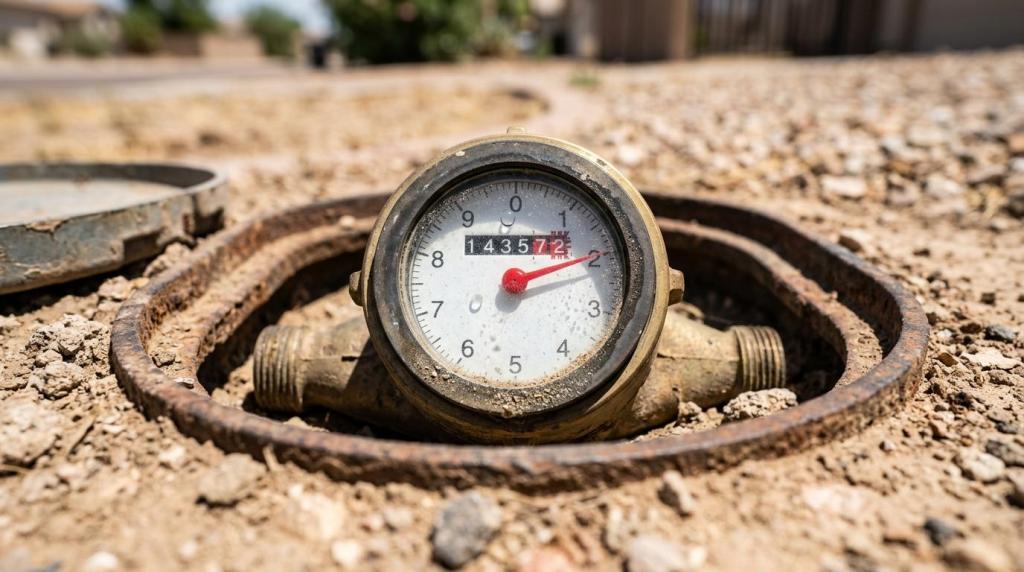
  5. Read the water meter when no water is being used inside or outside. If it moves, there may be a hidden leak.

That last step is especially valuable. A water meter can expose underground loss before the yard looks damaged.

A quick uniformity check

If you suspect uneven watering, place several identical cups or straight-sided containers across a single zone and run it for a set time. If the water levels are very different, the zone likely has a distribution problem. That may be caused by pressure imbalance, poor head spacing, clogging, or mixed nozzles.

It is a simple test, and it can prevent a season of guesswork.

Hidden problems that often cause high water bills

Some irrigation failures stay out of sight. Buried lateral leaks, cracked fittings, worn valve diaphragms, and small drip-line breaks may not produce a dramatic surface spray. Instead, they create slow, steady water loss that continues every time the zone runs. Those are the issues that often drive a surprising bill spike.

Pressure problems are another common culprit. Low pressure can keep heads from rising fully and shorten throw distance. High pressure can create fogging and mist, which means water is drifting away before it ever reaches the soil. Both conditions waste water, and both can be misread as a need for more runtime.

Electrical issues matter too. A damaged wire or failing solenoid can keep a zone from opening properly or can leave it running longer than intended. When a system behaves unpredictably, it is usually best to treat that as a repair issue rather than a programming inconvenience.

When professional irrigation repair makes sense

Some irrigation tasks are ideal for a quick homeowner check. Others call for trained diagnosis. If you see repeated soggy ground, multiple weak heads in one zone, valves that keep running, pressure swings, or unexplained water meter movement, professional service is the right next step. The same applies when the system needs schedule adjustments after landscape changes or seasonal shifts.

For homeowners, property managers, and businesses in El Mirage and nearby Arizona communities, Pro Natural Landscape LLC offers irrigation system repair, maintenance, installation, timer installation, and watering schedule optimization for residential and commercial properties. That kind of support can be valuable when the issue is bigger than a single broken head and the goal is long-term efficiency, not a short-term patch.

A strong repair visit should do more than replace the part that failed. It should also identify why it failed and whether anything else in the zone is contributing to the problem.

Professional irrigation service for El Mirage properties

An irrigation system works best when it is treated like active infrastructure, not background equipment. Regular inspections, seasonal adjustments, and fast response to small warning signs keep water use under control and protect the landscape investment around it.

If your sprinklers are misting, your soil is staying wet, a zone is acting unpredictably, or the lawn is showing uneven stress, now is a smart time to schedule a system check instead of waiting for the next water bill to make the decision for you.

How to Fix Yard Drainage the Right Way

If water is sitting near your patio, running toward your foundation, or turning parts of your yard into mud after every storm, the problem usually will not fix itself. Knowing how to fix yard drainage starts with one simple fact – standing water is a grading, runoff, or soil issue, and the right solution depends on where the water comes from and where it needs to go.

In Arizona, drainage problems can be easy to ignore until a hard rain hits. Most of the year, the ground looks dry, but monsoon storms expose every low spot, clogged drain, and slope mistake fast. That is why a drainage fix should be based on the layout of the property, not just a quick patch.

How to Fix Yard Drainage by Finding the Source

Before you add gravel, dig a trench, or install a drain, identify what is actually causing the water to collect. In some yards, runoff comes from the roof and dumps too close to the house. In others, the lot slopes toward the patio, block wall, turf area, or planter bed. Sometimes irrigation is part of the problem, especially when sprinkler heads oversaturate one area or a leak keeps the soil wet.

Walk the property right after a rain if you can. Look for puddles that stay longer than a day, soil that erodes into walkways, water stains near walls, and spots where artificial grass or gravel sinks. If the issue is near a structure, take it seriously. Drainage problems can damage pavers, create foundation concerns, and make outdoor spaces harder to maintain.

The main point is this: if you treat the symptom and not the cause, the water usually comes back.

The Most Common Yard Drainage Problems

A low spot in the yard is one of the most common issues. Water naturally settles there and has nowhere to move. The fix may be as simple as regrading and adding soil, but only if that low area is not receiving runoff from a larger section of the property.

Compacted soil is another common problem, especially in high-traffic areas or lots that were not finished properly during construction. When soil is too dense, water cannot soak in well. It pools on the surface, then moves sideways into places you do not want it.

Poor slope is a bigger issue. If the yard pitches toward the house, wall, or outdoor living area, surface water needs to be redirected. This often requires grading work, drainage channels, or both. In commercial spaces, poor slope can also create slip hazards and damage curb appeal.

Overwatering should not be overlooked. A yard can look like it has a rain drainage issue when the real problem is an irrigation system running too long or leaking underground. If one section stays wet while the rest of the property is dry, irrigation should be checked before any major drainage work begins.

Regrading Is Often the Real Fix

If you want to know how to fix yard drainage correctly, start with grade. Surface water needs a clear path away from the home and away from areas where people walk, sit, or park. Regrading changes the slope of the soil so water flows in the right direction instead of settling in place.

This is often the best solution when the problem affects a large area. It is also one of the most overlooked, because property owners sometimes try to solve a grading issue with decorative material. Gravel can improve appearance and help with minor surface flow, but it will not correct a yard that slopes the wrong way.

Good grading work should look natural when it is finished. You should not see random mounds or obvious drainage patches. The yard should drain better without losing function or curb appeal. On Arizona properties, grading also needs to work with hardscape, artificial turf, irrigation, and desert landscaping so the whole space performs as one system.

When a French Drain Makes Sense

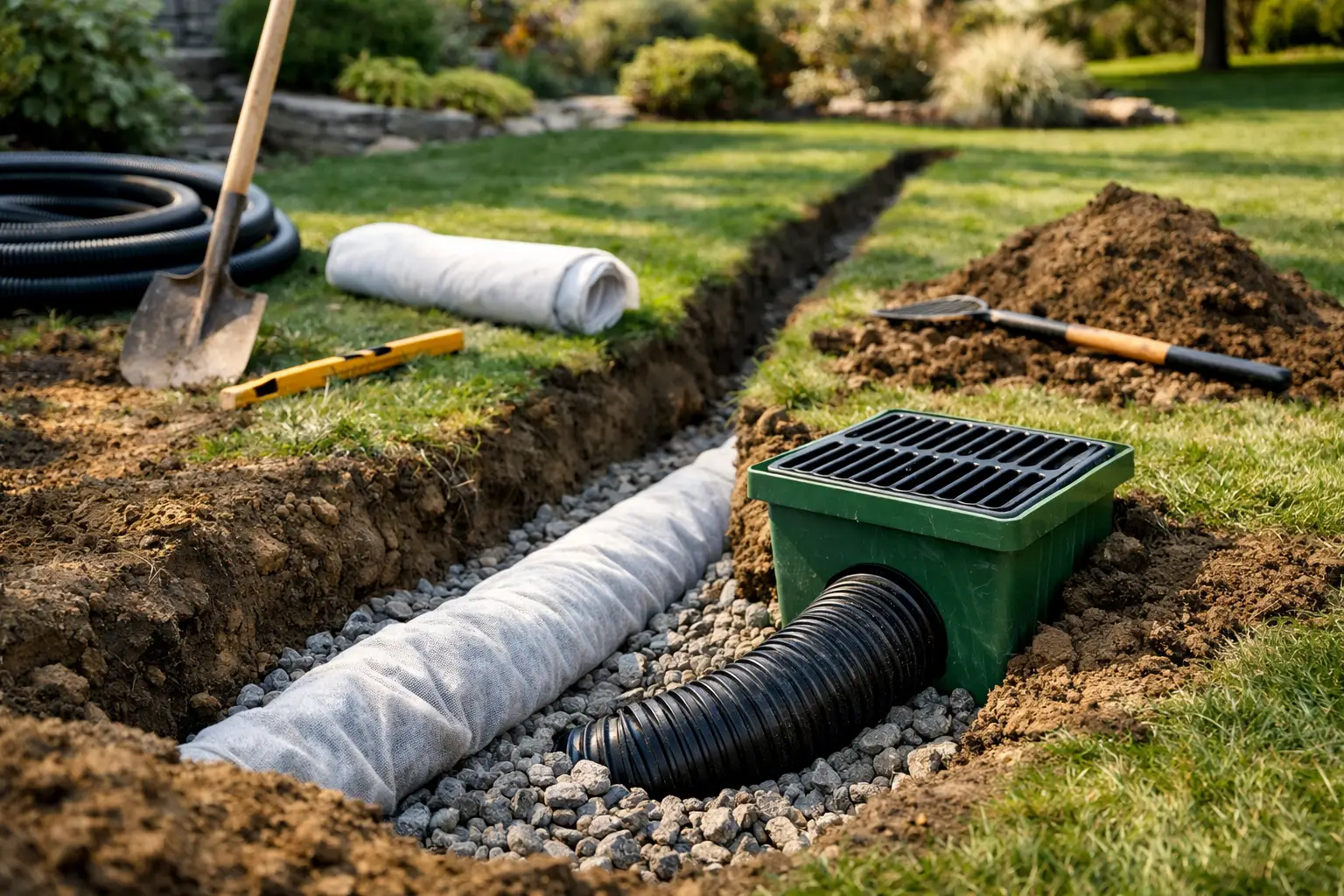
A French drain works well when water collects in a consistent area and needs an underground path out. It typically uses a gravel-filled trench with perforated pipe to collect and move water away from the problem spot.

This can be a good option near side yards, low lawn sections, and places where runoff gets trapped between the house and a wall. It is especially useful when you cannot fully solve the issue with surface grading alone.

That said, a French drain is not a cure-all. If the outlet point is poorly planned, or if the system is undersized, it can clog or fail during heavy rain. It also has to discharge somewhere appropriate. Moving water from one bad spot to another is not a real solution.

Channel Drains, Catch Basins, and Downspout Control

Some properties need faster collection at the surface. A channel drain is useful along patios, driveways, pool decks, and walkways where sheet flow builds up quickly. It captures water before it crosses the hardscape and sends it into a drainage line.

Catch basins help in low points where runoff naturally gathers. They collect surface water through a grate and direct it into underground piping. These systems can work well in combination with grading, especially in larger residential yards or commercial properties with broad paved areas.

Downspouts also deserve attention. If roof runoff empties right next to the slab or into a planter that overflows, that water can create major drainage trouble. Extending or redirecting downspout flow is often one of the simplest fixes, and in some cases it solves more of the problem than expected.

How to Fix Yard Drainage Without Creating New Problems

A drainage project should protect the whole property, not just dry out one corner. That means thinking about erosion, neighboring lots, hardscape edges, and plant health. Water needs to be redirected with control.

For example, adding too much fill dirt in one area can push runoff toward a fence line or create drainage issues for a neighboring yard. Installing drains without adjusting slope can leave water trapped above the system. Covering wet areas with rock without fixing the base can lead to sinking, washout, and an uneven finish.

There is also a balance between drainage and irrigation. Desert landscapes still need water where plants and trees are installed. If drainage work pulls moisture away too aggressively from planting zones, you may end up stressing the landscape. The best results come from designing the drainage plan and landscape layout together.

Arizona Yards Need a Different Approach

Arizona drainage is not the same as drainage in wetter climates. The challenge here is not constant rain. It is intense storms, fast runoff, hard-packed soil, and outdoor materials that must handle heat year-round.

That changes the strategy. A yard may stay dry most of the season, then flood in one storm because the grade is off by just enough to send water toward the house. Caliche soil and compacted desert ground can also limit absorption, so drainage often depends more on controlled runoff than soak-in alone.

This is why one-size-fits-all advice usually falls short. The right fix for a gravel yard in El Mirage may be different from the right fix for a turf-and-paver backyard or a commercial frontage with irrigation, sidewalks, and parking access. Local conditions matter.

Signs It Is Time to Bring in a Professional

Some drainage fixes are simple, but many are not. If water is affecting your home, washing out your landscape, loosening pavers, or collecting near a wall, it is worth getting expert eyes on the problem. The same goes for drainage issues that keep returning after DIY attempts.

A professional can evaluate grade, identify the actual water path, and recommend a fix that fits the layout of the property. That may include grading, drain installation, gravel work, irrigation adjustment, or a broader landscape correction. Companies like Pro Natural Landscape handle these issues as part of total outdoor improvement, which matters when drainage is tied to turf, pavers, walls, or yard renovation.

The goal is not just to move water. It is to protect the use, appearance, and long-term condition of the entire outdoor space.

What a Good Drainage Fix Should Deliver

A successful drainage solution should do more than make puddles disappear after rain. It should keep water away from structures, reduce erosion, protect hardscape, and make the yard easier to maintain. It should also look clean and intentional when the work is done.

If your property has recurring runoff, soggy spots, or water collecting where it should not, the right next step is to stop guessing and assess the grade, drainage path, and irrigation together. The best yard improvements are the ones that solve the problem at the source and keep your outdoor space working when the weather turns.