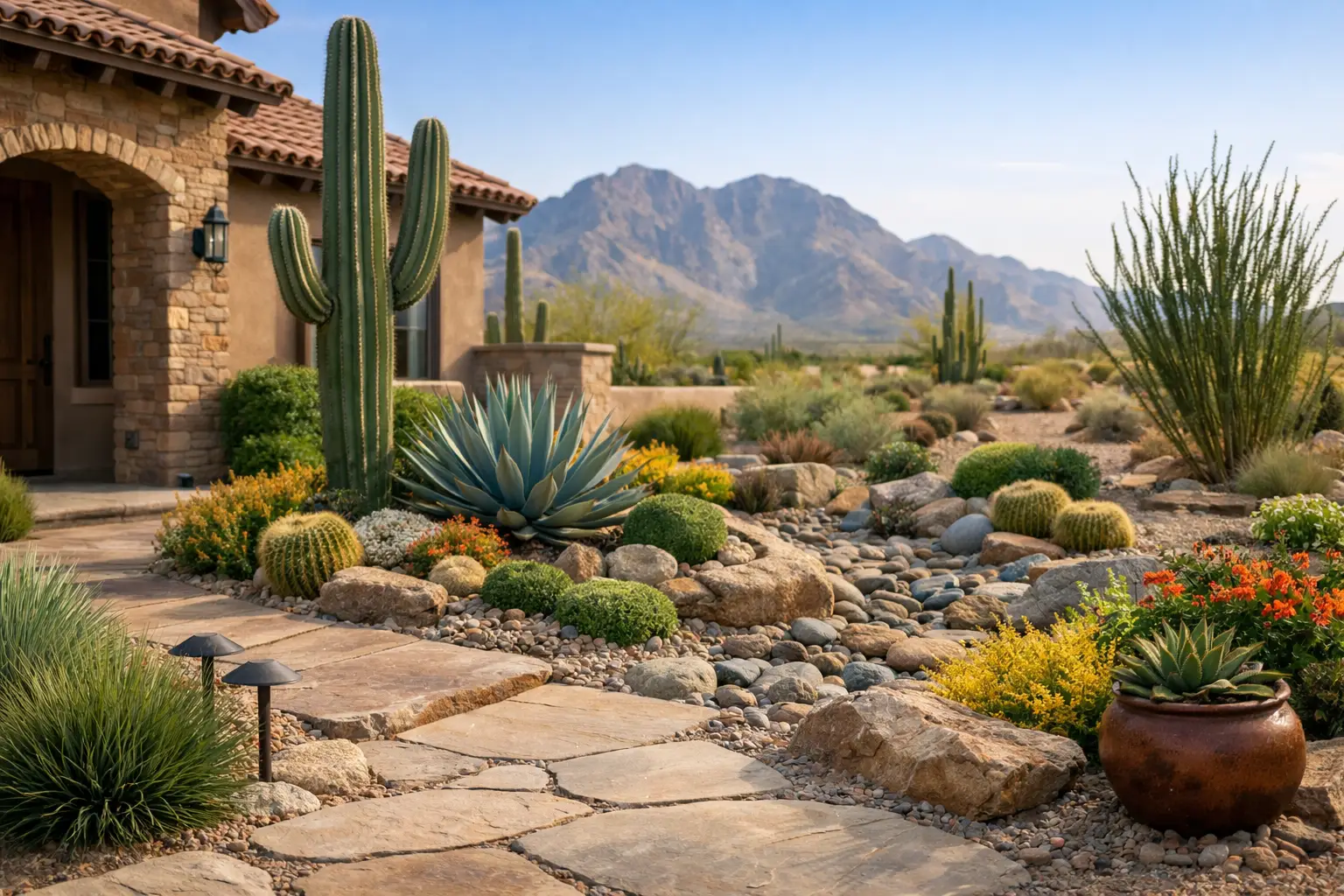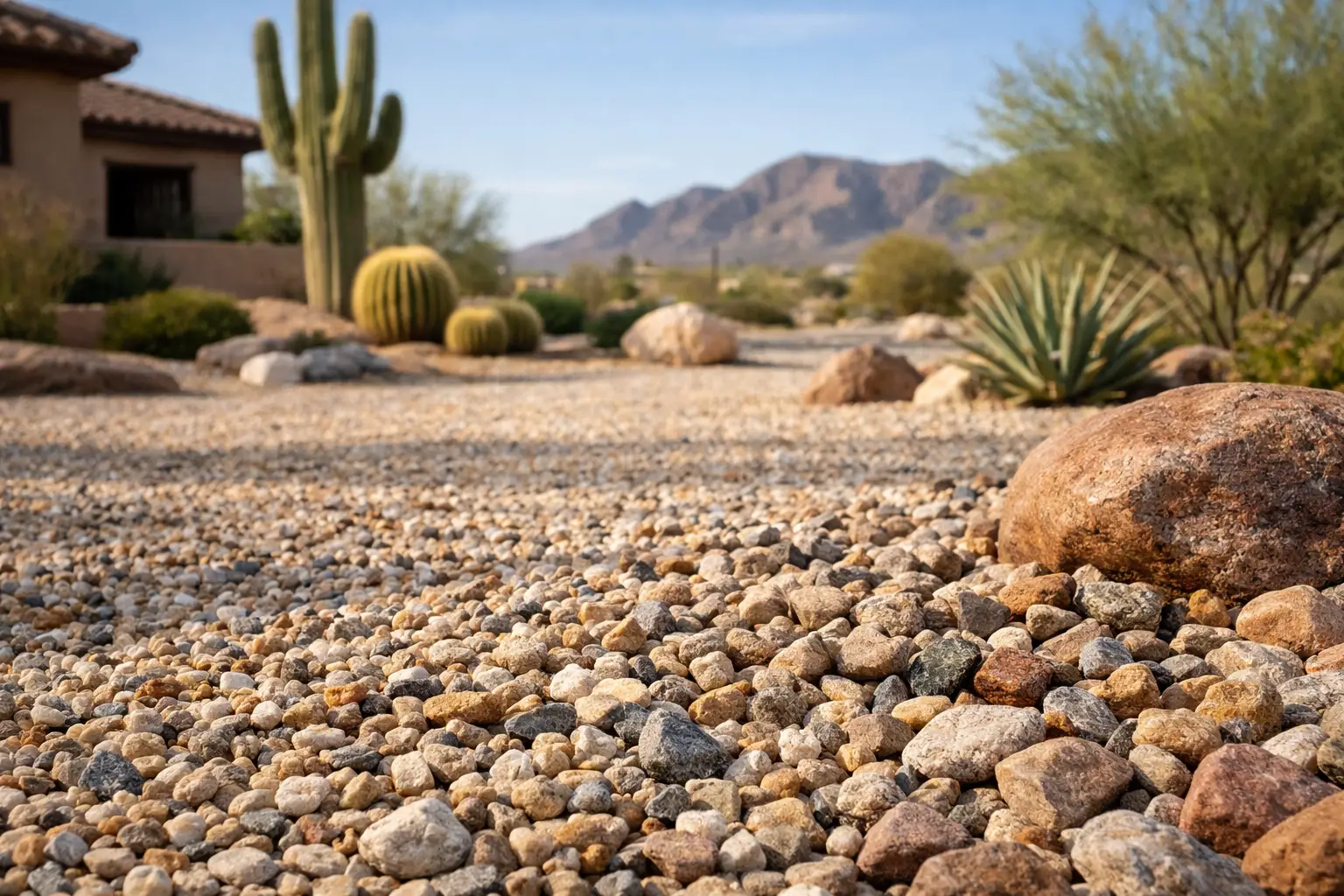
×

Property Cleanup Services for Arizona Yards

A yard can go from manageable to overwhelming faster than most property owners expect. One windstorm, one missed maintenance cycle, or one tenant move-out can leave you with piles of debris, overgrown brush, dead plants, and a property that looks neglected. That is where property cleanup services make a real difference, especially in Arizona, where heat, dust, weeds, storm runoff, and dry plant material can create both an eyesore and a safety issue.

For homeowners, cleanup is often the first step before any real improvement begins. For property managers and commercial owners, it is also about presentation, liability, and keeping the exterior under control without wasting time coordinating multiple crews. A proper cleanup does more than haul away mess. It resets the space so repairs, landscaping, and upgrades can actually move forward.

What property cleanup services usually include

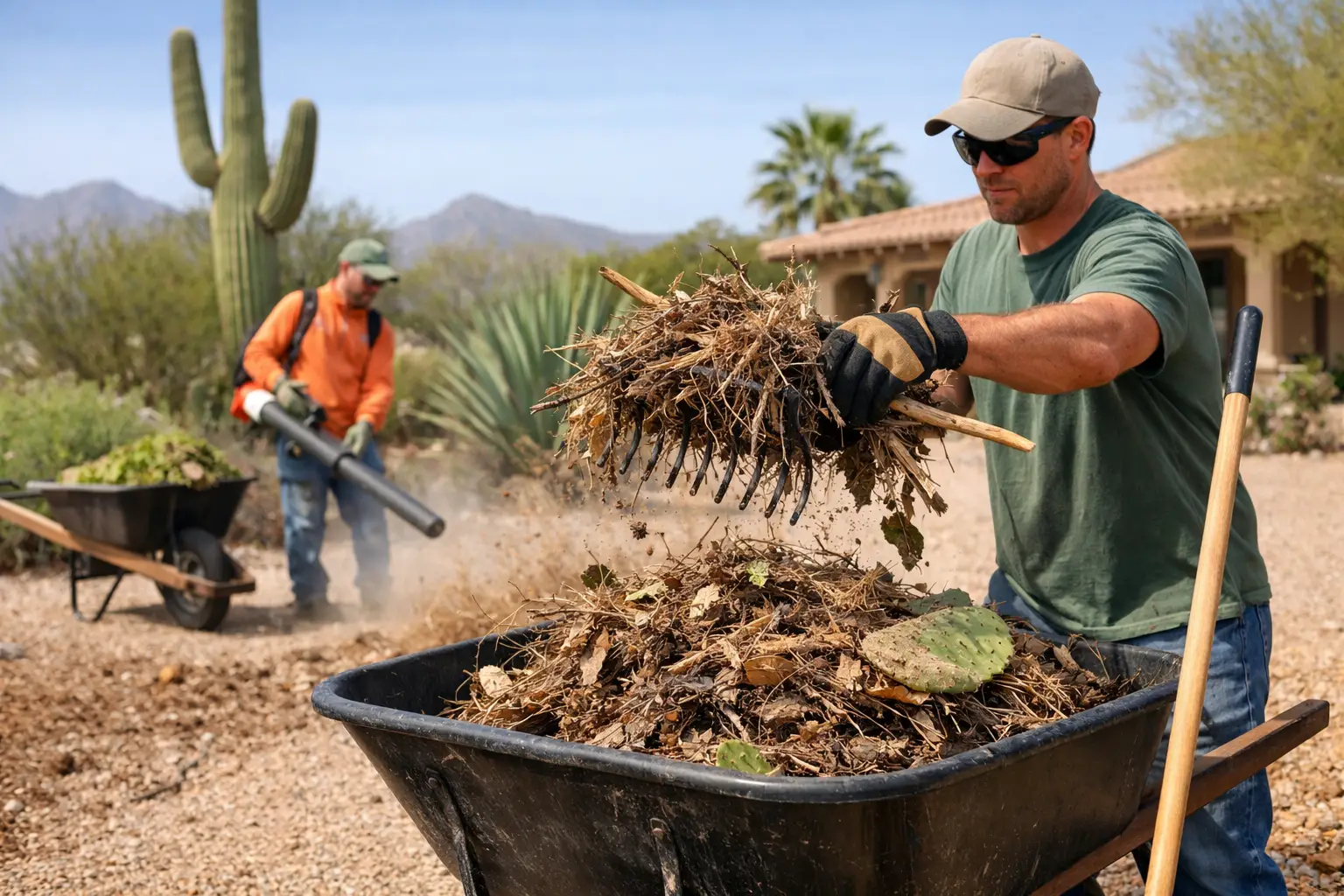
The scope depends on the condition of the site, but most cleanup projects involve a mix of debris removal, weed clearing, brush control, trimming, hauling, and surface-level restoration. In Arizona, that can mean removing dead shrubs, clearing fallen branches, hauling out palm fronds, cleaning up gravel areas, cutting back overgrowth along fence lines, and getting rid of leftover construction or landscape waste.

Some properties need a straightforward yard cleanup. Others need more involved work, especially if the space has been neglected for months or if there has been storm damage, tenant turnover, or an abandoned landscaping project. In those cases, cleanup may overlap with tree removal, stump grinding, land grading, irrigation repair, gravel refresh, or hardscape cleanup.

That matters because cleanup is rarely just about appearance. If weeds are growing through pavers, if irrigation leaks have caused erosion, or if dead vegetation is crowding walls and walkways, the problem is already bigger than simple hauling.

Why Arizona properties need cleanup sooner, not later

Arizona yards deal with a different set of pressures than properties in wetter climates. You may not be fighting constant grass growth, but you are dealing with wind-blown debris, desert weeds, sun-damaged plants, dust buildup, and dry organic material that can pile up quickly. Monsoon season adds another layer. After a storm, branches, mud, washed gravel, and damaged plants can leave a property looking rough and functioning poorly.

There is also the issue of heat. Dead plant material and neglected outdoor areas do not improve with time. They become harder to remove, harder to work around, and more expensive to fix once underlying issues are exposed. A cleanup done at the right time can prevent a larger project later.

For commercial properties, timing affects image as much as maintenance. A messy entrance, overgrown perimeter, or trash-filled landscape bed sends the wrong message to tenants, customers, and visitors. For residential properties, it can drag down curb appeal and make the whole home feel unfinished.

Property cleanup services before landscaping or repairs

One of the biggest mistakes property owners make is trying to plan a new outdoor project before clearing the old problems out of the way. If the yard is full of debris, broken edging, dead growth, and uneven surfaces, it is difficult to assess what the property really needs.

Cleanup creates a workable starting point. Once the site is cleared, it becomes easier to see whether the next step should be artificial grass, fresh gravel, irrigation updates, paver installation, wall repair, or grading. It also prevents new work from being installed over existing problems.

For example, installing decorative gravel on top of unmanaged weeds only delays the issue. Replacing plants without correcting irrigation damage leads to repeat failure. Cleaning up first helps protect the investment that comes after.

When a basic yard cleanup is not enough

Not every property needs a full exterior overhaul, but some do need more than mowing, trimming, and haul-away service. If a yard has deep overgrowth, broken hardscape, dead trees, poor drainage, or exposed irrigation lines, cleanup should be paired with corrective work.

This is where a full-service outdoor contractor has an advantage. Instead of hiring one crew to clear debris, another to remove a stump, another to regrade a section, and another to restore the landscape, you can handle the project in one place. That saves time, reduces scheduling problems, and keeps the work aligned from start to finish.

For Arizona property owners, that combination matters. A cleanup may reveal failing pavers, washed-out gravel, cracked block walls, or bare zones that would be better converted to low-maintenance materials. If the same team can address those issues, the result is faster and usually more practical.

Residential property cleanup services

For homeowners, cleanup often starts with reclaiming space that has gotten away from them. Maybe the backyard has become cluttered with dead plants and storm debris. Maybe the front yard no longer matches the home because gravel has thinned out, weeds are spreading, and tree growth is blocking the view. In many cases, the goal is not just to clean it up but to make it easier to maintain going forward.

That is why cleanup and improvement often go together. After clearing the yard, many homeowners choose to refresh gravel, upgrade irrigation, remove problem trees, install artificial grass, or repair worn hardscape surfaces. The cleanup opens the door to a cleaner design and less maintenance month after month.

There is also a practical safety side. Dry debris, hanging branches, unstable stumps, and uneven outdoor surfaces are not small issues when kids, pets, and guests use the space regularly. A cleanup can quickly make the property safer and more usable.

Commercial and rental property cleanup services

For commercial sites and managed properties, cleanup is usually tied to speed and consistency. You may be preparing for a tenant turnover, addressing a code concern, cleaning up after storm damage, or trying to improve the property’s appearance before leasing or sale. In each case, delays cost money.

A reliable cleanup crew should be able to assess the exterior quickly, remove what needs to go, and identify any follow-up work that should happen right away. That may include trimming, weed abatement, hauling, pressure cleanup of outdoor surfaces, minor repairs, or restoring damaged landscape areas.

Rental properties often need a more complete reset than owner-occupied homes. Debris left behind, neglected planters, broken irrigation, and unmaintained yard areas can all pile up between occupants. A fast cleanup helps protect the value of the property and makes the next showing easier.

What to look for in a cleanup contractor

Not every company offering cleanup is equipped to handle larger outdoor issues. Some only remove debris. Others can actually restore the property once it is cleared. The right fit depends on your situation.

If you only need hauling, a basic service may be enough. But if the property has multiple issues, it makes more sense to work with a contractor who understands landscaping, irrigation, grading, tree work, and hardscaping. That way, cleanup is not treated like an isolated task. It becomes part of a practical plan to improve the whole exterior.

Look for clear communication, realistic timelines, and a crew that understands Arizona conditions. Desert landscaping, gravel movement, irrigation wear, and storm cleanup all require local experience. A one-size-fits-all approach usually misses the details that matter here.

At Pro Natural Landscape, that broader approach is what makes cleanup more useful. Instead of stopping at removal, the work can continue into repair, upgrade, and long-term improvement when the property needs it.

How property cleanup services add value

A clean exterior changes how a property is seen and how it functions. It improves curb appeal, removes hazards, and makes maintenance easier. It also helps property owners make better decisions because they are working with a clear site instead of guessing around clutter and overgrowth.

The value is even greater when cleanup is timed before a sale, lease, renovation, or seasonal upgrade. A neglected yard can make the entire property look harder to own. A cleaned and reset exterior makes the next step feel possible, whether that means listing the home, welcoming new tenants, or finally finishing the outdoor improvements you have been putting off.

If your yard, rental, or commercial exterior has reached the point where quick fixes are not enough, cleanup is the right place to start. Clear the debris, deal with the visible problems, and give the property a solid base for whatever comes next. A cleaner property is easier to manage, easier to improve, and easier to take pride in.
What Is Land Grading and Why It Matters

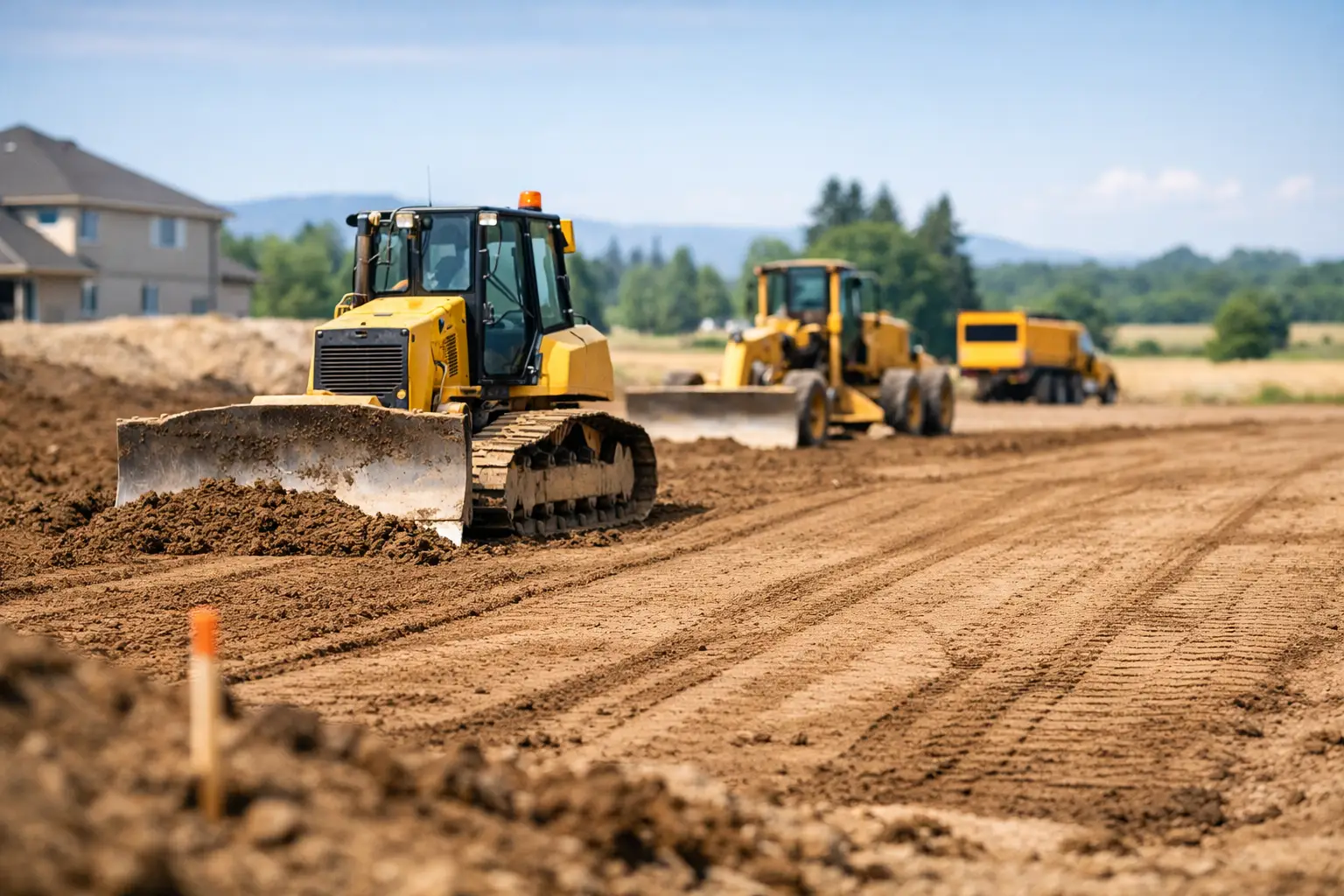
A yard that looks mostly flat can still send water straight toward your foundation, leave puddles near walkways, or create low spots that ruin new landscaping. That is why homeowners and property managers often ask, what is land grading, and do they actually need it? In simple terms, land grading is the process of shaping the ground so water drains correctly and the surface is ready for whatever comes next, whether that is gravel, artificial grass, pavers, planting, or a full exterior upgrade.

In Arizona, grading is not just about appearance. It is about function. A properly graded property helps manage rainwater, protects structures, reduces erosion, and creates a cleaner base for durable outdoor improvements.

What Is Land Grading?

Land grading means cutting, filling, and smoothing soil to create the right slope and elevation across a property. The goal is not to make everything perfectly level. In most cases, the goal is the opposite. The ground needs a controlled slope so water moves away from buildings, patios, driveways, and other finished surfaces.

That slope has to be intentional. Too flat, and water can sit in place. Too steep, and you can end up with washout, instability, or a yard that feels awkward to use. Good grading creates a surface that works with the property, not against it.

On a residential lot, grading may involve correcting drainage around the house, preparing for new sod or artificial turf, reshaping a backyard after demolition, or leveling areas for pavers and gravel. On a commercial property, it may be part of larger site prep for access, appearance, drainage control, and long-term maintenance.

Why Land Grading Matters in Arizona

Arizona properties deal with a specific mix of challenges. The ground is often dry and compacted, storms can hit hard during monsoon season, and many owners want low-maintenance landscapes built with gravel, pavers, irrigation, and desert-adapted design. If the grading is off, those investments do not perform the way they should.

One of the biggest reasons grading matters is drainage. Even in a dry climate, sudden rainfall can move fast. Without the right slope, water may collect near the home, flow into outdoor living areas, or carve channels through bare soil and decorative gravel. Over time, that can lead to surface damage, staining, settlement, and foundation concerns.

Grading also affects usability. A yard may look acceptable from a distance but feel uneven underfoot, create trip hazards, or make it difficult to install hardscaping cleanly. When the ground is shaped correctly first, the finished project looks better and lasts longer.

What Land Grading Is Designed to Fix

Most grading projects start with a problem the owner can already see. Water may be pooling after a storm, the soil may be sloping the wrong way, or one area of the property may have settled lower than the rest. In other cases, grading is preventive. The property is being improved, and the surface needs to be corrected before new materials go in.

Common issues grading can address include poor drainage near the structure, uneven terrain, low spots that hold water, erosion around the edges of the yard, and rough surfaces left behind after tree removal, demolition, or old landscape removal. It can also help create a clean transition between landscape areas, hardscape features, and access paths.

This is where trade-offs come in. Some yards need only minor reshaping, while others need a more involved solution with fill material, compaction, and drainage planning. A quick surface smoothing job may help appearance, but it will not solve a deeper water-flow problem if the slope is wrong from the start.

What Happens During a Land Grading Project

The exact process depends on the size of the property and the condition of the site, but most grading work follows a clear sequence. First, the existing elevation and drainage pattern are evaluated. That includes identifying high points, low areas, runoff paths, and any structures or surfaces that need protection.

Next, the site is cleared if needed. Debris, unwanted vegetation, old materials, or obstacles may need to be removed so the ground can be worked properly. Then soil is moved. Some areas are cut down, some are built up, and the surface is shaped to create the desired slope.

After shaping, the soil usually needs to be compacted. This matters because loose soil can settle later, which changes the grade and causes problems after installation. Once the area is stable, it can be finished for its next use, such as landscape rock, irrigation, artificial grass, planting beds, or hardscape base preparation.

What Is Land Grading for New Landscaping?

When people ask what is land grading in a landscaping context, they are usually talking about site preparation. Before any outdoor improvement looks clean and performs well, the ground underneath has to be right.

For artificial grass, grading helps create a stable, even base and supports drainage beneath the turf. For gravel installation, it prevents washouts and uneven buildup. For pavers and patios, it helps direct water away from the house and supports proper base construction. For planting areas, it shapes runoff so roots are not sitting in water where they should not be.

This is one reason full-service outdoor contractors can save property owners time and frustration. Grading, drainage planning, hardscape prep, and landscape installation all affect one another. If those pieces are handled separately without a clear plan, the final result can look good for a short time and then start showing problems.

Signs Your Property May Need Grading

You do not need a major drainage failure to justify grading work. Smaller warning signs often show up first. If you notice standing water after rain, soil erosion along the edges of the yard, water marks near the home, or areas where gravel keeps shifting out of place, the grade may be part of the issue.

Other signs include an uneven yard after tree removal or construction, landscape features that never seem to sit right, exposed roots from washout, or bare patches where runoff keeps stripping material away. Some owners also notice that irrigation seems inconsistent because the ground shape causes water to collect in one zone and run off too quickly in another.

In Arizona, monsoon season tends to reveal problems fast. A yard that seemed fine during dry months may show clear drainage issues after one heavy storm.

DIY Grading vs. Professional Grading

Small touch-up work may be manageable for a handy property owner, especially if the issue is minor and far from structures. But grading near foundations, walls, driveways, and finished landscape features is usually best handled professionally.

The reason is simple. Grading is not just moving dirt around until the yard looks flatter. It involves slope control, drainage logic, equipment use, and soil compaction. If the final pitch is off by even a small amount in the wrong place, water can be redirected toward expensive areas.

There is also the question of scope. A homeowner may be able to rake out a rough patch, but larger grading jobs often require skid steers, compactors, haul-off, imported fill, and a clear plan for how the finished elevation connects with surrounding surfaces. On commercial sites or larger residential projects, guessing is costly.

The Long-Term Value of Proper Grading

Good grading protects more than the yard. It supports the life of the entire outdoor space. When drainage works the way it should, hardscapes stay cleaner, surface materials stay in place, and maintenance becomes easier.

It also helps protect curb appeal. A property with pooling water, eroded edges, and uneven surfaces starts to look neglected even if the owner has invested in upgrades. By contrast, a well-graded landscape looks cleaner, performs better, and gives every other exterior improvement a stronger foundation.

For Arizona owners who want low-maintenance outdoor spaces, that matters. Durable materials like gravel, pavers, and artificial grass perform best when the ground underneath has been prepared correctly. That is one reason land grading is often one of the smartest first steps in an exterior project.

If your yard has drainage issues, uneven ground, or a surface that is not ready for new installation, it is worth addressing the grade before the problem spreads. A properly shaped property is easier to maintain, safer to use, and better prepared for the upgrades you actually want.

How to Xeriscape a Backyard in Arizona

If your backyard is burning through water, struggling through summer, or turning into a patchy mix of dirt and dying grass, xeriscaping is not a trend – it is a practical fix. Knowing how to xeriscape a backyard in Arizona means building a yard that looks clean, stays usable, and does not demand constant watering, mowing, or repairs.

In Arizona, a good backyard has to do more than look nice for a week after installation. It needs to handle heat, hard sun, dry soil, and long stretches without rain. That is why xeriscaping works so well here. Done right, it lowers water use, cuts maintenance, and gives you a more polished outdoor space that holds up over time.

What xeriscaping really means

A lot of homeowners hear xeriscaping and picture an empty yard filled with rocks. That is not the goal. A well-designed xeriscape uses water-wise plants, efficient irrigation, proper grading, and durable materials like gravel, pavers, and decorative stone to create a yard that looks intentional instead of bare.

The focus is on using less water without giving up function. You can still have shade, color, walkways, seating areas, lighting, and clean visual contrast. The difference is that every part of the yard is selected for a desert climate instead of fighting against it.

How to xeriscape a backyard without wasting money

The biggest mistake people make is buying plants and gravel before they have a plan. That usually leads to poor drainage, awkward spacing, and a backyard that feels random. Start with layout first.

Look at how you actually use the space. If you need room for kids, pets, or outdoor seating, keep those areas open and durable. If you want less maintenance, reduce oversized planting beds and avoid high-water turf. If privacy is a concern, plan for desert-friendly trees or screening plants in the right spots.

It also helps to think in zones. The areas closest to your patio or main view should carry most of the visual impact. Spaces farther out can stay simpler with gravel, boulders, or low-water plant groupings. This keeps the yard balanced and controls cost.

Start with grading and drainage

Before adding any finish materials, make sure the yard drains properly. In Arizona, hard rain can hit fast, and poor grading can push water toward the house, pool around pavers, or wash out decorative gravel. Xeriscaping is not only about water conservation. It is also about moving water where it belongs when storms do show up.

If the backyard has low spots, runoff issues, or compacted soil, fix that first. This is one of those steps homeowners often skip because it is less visible, but it affects everything that comes after.

Remove what is not working

If you already have worn-out grass, overgrown shrubs, broken irrigation, or mismatched hardscape, clear that out before redesigning the yard. Trying to build around failing materials usually costs more in the long run.

This is also the time to decide what stays. A healthy shade tree may be worth keeping. A cracked path or inefficient sprinkler system probably is not. Xeriscaping works best when the whole yard follows the same practical plan.

Choose materials that fit the climate

Backyard xeriscaping in Arizona usually comes together through a mix of hardscape and planting areas. The materials matter because they affect heat, maintenance, durability, and appearance.

Gravel is one of the most common choices because it drains well, keeps a clean look, and works in almost any yard size. Decorative rock can be used in different colors and sizes to create contrast, but too much of one texture can make the yard feel flat. Breaking it up with pavers, boulders, or plant islands usually gives better results.

Pavers are useful for patios, walkways, grill areas, and transitions between spaces. They add structure and make the backyard more usable year-round. Travertine can also work well in the right setting, especially when heat underfoot is a concern. The trade-off is cost. Natural stone tends to be more expensive up front than standard pavers or gravel, but it can improve comfort and appearance.

Artificial grass can have a place in xeriscaping too, especially for small activity areas or pet zones. It is not a low-cost material, and it needs proper base prep and drainage, but it can reduce mud, mowing, and water use when used selectively. Covering an entire backyard in artificial grass is usually unnecessary. In many Arizona yards, a smaller turf section paired with gravel and hardscape makes more sense.

Pick plants that can handle Arizona conditions

Plant choice is where xeriscaping either looks clean and established or sparse and unfinished. The best approach is to use plants that can tolerate heat, dry periods, and reflected sun from block walls and hardscape.

Desert-adapted shrubs, accent plants, and trees generally perform better than anything that needs constant moisture. You want plants that can survive with efficient drip irrigation once established, not plants that always look stressed unless they are getting extra water.

Keep mature size in mind. Small nursery plants do not stay small. A backyard that looks neatly planted on day one can become crowded fast if spacing is too tight. That creates trimming work, blocks walkways, and makes the yard feel overgrown. It is better to plant with long-term growth in mind and let the design fill in over time.

Group plants by water needs

One of the smartest xeriscaping moves is to place plants with similar water needs together. That way your irrigation can be more efficient, and you are not overwatering one area just to keep another alive. Trees may need deeper, slower watering than flowering shrubs. Accent plants may need different spacing and drip placement than groundcover.

This step sounds technical, but it really comes down to planning. Better plant grouping means less wasted water and fewer replacement costs later.

Use irrigation that matches the design

A xeriscaped backyard still needs water. The goal is to water efficiently, not to avoid irrigation altogether. In most Arizona backyards, drip irrigation is the better choice for planting areas because it sends water where roots need it instead of spraying large sections of rock and soil.

If your current system is a mix of broken sprinkler heads, uneven coverage, or old timers, updating irrigation should be part of the project. A new backyard design with an outdated watering system usually leads to dry spots, runoff, and plant stress.

It depends on the yard, but many properties benefit from separate irrigation zones for trees, shrubs, and any artificial grass cleaning or wash-down needs nearby. Control matters. When each area gets the right amount of water, the whole yard performs better.

Make the backyard usable, not just low-water

A xeriscaped yard should still feel like part of your home. That means thinking beyond plants and rock. Add walkways that make sense, a patio where you will actually sit, and lighting that keeps the space functional after dark.

This is where many backyard projects improve property value. A dry, low-maintenance yard is helpful, but a low-maintenance yard that also looks finished and works for daily life is what really changes the space. Paver seating areas, gravel paths, clean borders, and landscape lighting can turn a basic backyard into something useful all year.

For commercial properties and rentals, the same logic applies. Xeriscaping helps control water use and maintenance, but it also gives the property a more professional appearance. Clean lines and durable materials tend to hold up better than thirsty lawns and high-maintenance planting beds.

Common mistakes to avoid when xeriscaping

The biggest problems usually come from poor planning, not the concept itself. Using too many random materials can make the yard feel cluttered. Choosing plants based only on how they look at the nursery can lead to failures later. Skipping weed barrier details, edging, or proper base preparation can make even a new yard start looking rough fast.

Another common issue is going too minimal. A backyard covered wall to wall in gravel may use less water, but it can also feel harsh and unfinished. Xeriscaping works best when it blends texture, shade, structure, and open space in the right proportions.

If the yard has existing problems like bad drainage, broken irrigation, worn hardscape, or tree roots affecting layout, address those during the project instead of treating them as separate issues for later. That is usually where full-service contractors bring the most value.

When professional help makes sense

Some homeowners can handle parts of xeriscaping on their own, especially simple gravel refreshes or minor plant replacements. But if the backyard needs grading, irrigation upgrades, paver installation, tree removal, or a full redesign, hiring a professional can save time and prevent expensive rework.

A complete xeriscape is not just a planting job. It often includes demolition, layout planning, drainage correction, hardscape installation, material delivery, and finish work. If you want a backyard that looks clean and performs well in Arizona heat, every one of those pieces matters.

Pro Natural Landscape works with Arizona property owners who want practical outdoor upgrades that last, from gravel and pavers to irrigation and full landscape installation. The goal is simple: build a backyard that uses less water, needs less upkeep, and still looks like a finished outdoor space.

If your current yard is costing too much, taking too much time, or just not holding up, xeriscaping is one of the smartest upgrades you can make. Start with a real plan, build for Arizona conditions, and aim for a backyard that works hard without asking much from you.

How to Restore Sunken Pavers Properly

A paver patio or walkway should feel solid underfoot. If one section dips, rocks, or collects water after a sprinkler cycle or monsoon rain, the problem usually goes deeper than the surface. Knowing how to restore sunken pavers starts with understanding why they settled in the first place, because resetting the top layer without fixing the base usually means the same area sinks again.

In Arizona, this happens for a few common reasons. Poor compaction during the original installation is a big one. Water movement from irrigation leaks, runoff, or drainage issues is another. Heavy vehicle traffic on pavers that were not built for that load can also cause low spots, especially on driveways and commercial entries. Tree roots, shifting soil, and edge restraint failure can all play a role too.

How to restore sunken pavers without a repeat problem

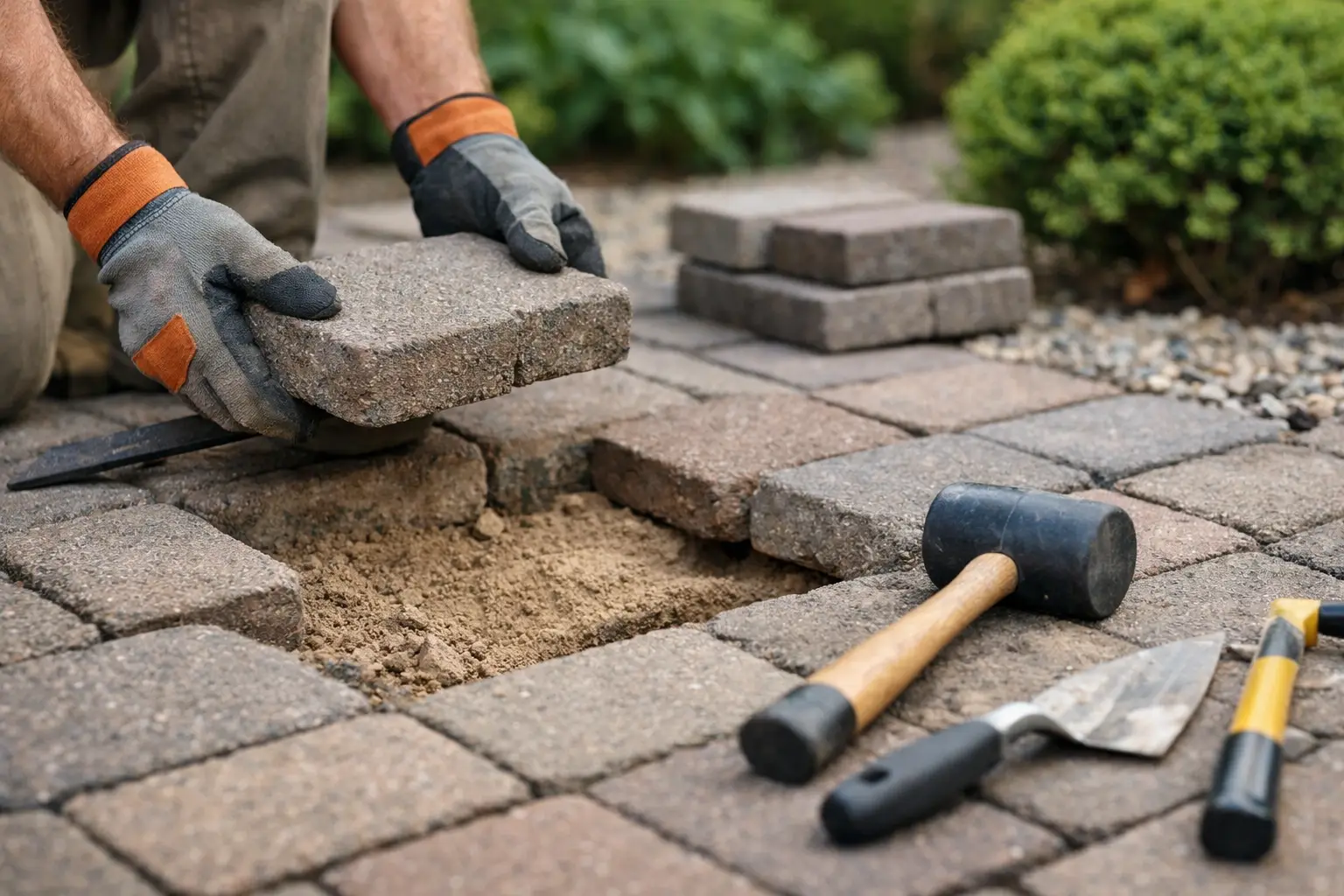
The basic repair is straightforward. The affected pavers are removed, the bedding sand is cleaned out, the base is corrected and compacted, then the pavers are reset to the proper height and slope. What makes the difference is how carefully that base work is handled.

A lot of uneven paver repairs fail because the sunken area gets topped off with more sand and put back together. That can make the surface look better for a short time, but sand is not a substitute for a stable base. If the crushed stone or aggregate underneath has washed out, shifted, or never had enough compaction, the problem remains in place.

For homeowners and property managers, this matters for more than appearance. Sunken pavers create trip hazards, hold water against the home or building, and make an otherwise clean outdoor space look neglected. On commercial properties, uneven hardscape can also become a liability issue.

Start with the cause, not just the low spot

Before any pavers come up, inspect the surrounding area. Look at where water flows, where downspouts discharge, whether nearby sprinklers oversaturate the soil, and whether the affected section sits next to a loose edge or a planter. If the pavers are in a driveway, ask whether that section is taking more weight than it was designed for.

This is where an experienced repair crew can save time and money. A low spot in the middle of a patio may point to a drainage problem several feet away. A sunken border along a walkway may be caused by failed edging. If the issue is tied to irrigation, tree roots, or grading, that needs to be corrected along with the paver reset.

Common reasons pavers sink in Arizona

Arizona landscapes put different stresses on hardscapes than wetter climates. Long dry periods harden the soil, then sudden heavy rain can move fines and expose weak spots in the base. Irrigation leaks may go unnoticed because the damage happens below the surface first. In some yards, expansive or poorly prepared soil contributes to settling over time.

Older installations also tend to show movement where the original base was too thin or where the bedding layer was allowed to carry too much of the load. That is especially common on walkways widened into gathering spaces or driveways that now handle heavier vehicles.

The repair process that actually holds up

The first step is removing the pavers in and around the sunken area. It is usually not enough to pull only the lowest pieces. The repair should extend past the visibly affected section so the base can be blended back into stable material and the finished surface sits evenly.

Once the pavers are removed, the bedding sand is scraped out and the base is exposed. If there is soft, washed-out, or contaminated material, it has to go. The area is then rebuilt with the proper base material, added in lifts and compacted thoroughly. That compaction step is what gives the pavers their strength.

After the base is corrected, a fresh layer of bedding sand is screeded to an even thickness. The pavers are reset to match the surrounding pattern, height, and slope. Then polymeric or joint sand is swept into the joints and compacted into place. If the pavers were sealed before, resealing the repaired area may also be recommended once the surface is ready.

Why slope matters as much as level

Many people focus on getting pavers level, but the real goal is proper pitch. Patios, walkways, and poolside surfaces need a controlled slope so water moves away from structures instead of pooling. A section that looks flat to the eye can still trap water if the pitch is off.

That is one reason paver repair should not be treated like a quick cosmetic fix. In Arizona, even occasional standing water can stain surfaces, weaken the bedding layer, and make the same section settle again.

Can you fix sunken pavers yourself?

Sometimes, yes. A small low spot on a simple walkway may be manageable if you have the right tools, matching materials, and enough time to do the prep correctly. The challenge is less about lifting the pavers and more about rebuilding the base so it stays put.

For larger areas, driveways, commercial entries, or anything near drainage features, walls, irrigation lines, or pool decking, professional repair is usually the better move. Those jobs need accurate grading, proper compaction, and a clean reset that blends into the existing hardscape. If the pavers are older, faded, or part of a complex pattern, there is also more room for a patchwork look if the repair is rushed.

When replacement makes more sense than spot repair

Not every sunken paver section needs a full redo, but sometimes the damage is widespread enough that repeated spot repairs stop being cost-effective. If multiple areas are sinking, the edges are failing, weeds are coming through every joint, and drainage is poor across the whole installation, a larger renovation may be the smarter investment.

That does not always mean starting from scratch. In some cases, the existing pavers can be lifted, the base rebuilt, and the same material reinstalled. If the pavers are in good condition, that approach can restore the surface while keeping the look of the space intact.

Signs the problem is bigger than one section

If you notice puddling in several places, widespread movement, separation along borders, or recurring low spots after previous repairs, the issue likely extends beyond one isolated dip. The same is true if nearby artificial grass, gravel, or landscape beds show signs of washout or shifting. Hardscape and drainage problems often connect.

Preventing future settling

The best prevention starts with installation quality. Proper excavation depth, the right base material, correct compaction, strong edge restraints, and good drainage design all matter. On existing properties, routine checks help catch smaller problems before they turn into larger repairs.

Watch for sprinkler overspray on paver joints, leaking irrigation near hardscape edges, water flowing toward the patio or driveway, and loose border pieces. If you manage a commercial property, add paver surfaces to your regular exterior inspection list. Small movement is easier and less expensive to correct early.

For Arizona homes and businesses, it also helps to think about the whole outdoor system. Grading, drainage, irrigation, gravel placement, and surrounding landscape features all affect how well a paver surface performs. When those parts work together, the pavers hold their line better and last longer.

Choosing the right help for paver repair

If you are hiring out the work, look for a contractor who handles both the paver repair and the conditions that may have caused it. That includes grading, drainage correction, irrigation review, and restoration of the surrounding area if needed. A repair company that only resets the surface may leave the root cause untouched.

A dependable crew should be able to explain why the pavers sank, how large the repair area needs to be, what base correction is required, and whether sealing or additional drainage work is recommended. That kind of practical assessment matters more than a quick promise to make it look flat again.

For property owners in Arizona, especially in hard-use outdoor spaces, the right repair should improve safety, appearance, and durability at the same time. Pro Natural Landscape works with paver renovation, repair, and surrounding exterior improvements, which is often what these jobs really need.

Sunken pavers are usually a warning sign, not just an eyesore. Fix the base, fix the water movement, and the surface has a real chance to stay where it belongs.

Gravel Landscaping Pros and Cons (And How to Choose the Right Rock)

Gravel has become one of the most practical landscape materials for dry climates, modern yards, and low-water outdoor design. It can look refined or natural, quiet or dramatic, depending on the stone you choose and how it is installed. For many property owners, that flexibility is the biggest draw.

Still, gravel is not a universal answer. A surface that performs beautifully in a side yard or desert-style front landscape may feel frustrating on a heavily used walkway, a play area, or a space that needs wheelchair-friendly access. The real value of gravel comes from using it in the right place, with the right base, edging, and rock size.

For homeowners and property managers in Arizona, that distinction matters even more. Heat, runoff, dust, and water use all affect how a landscape performs over time. A good gravel installation can reduce maintenance and support drainage. A poor one can shift, trap debris, and look tired much sooner than expected.

Why gravel landscaping works so well in dry-climate design

Gravel fits naturally into low-water landscapes because it does not need mowing, fertilizing, or routine irrigation. In places where turf can be expensive to maintain and difficult to keep healthy, gravel offers a durable, clean-looking alternative.

It also works as both a visual and functional material. In one part of the yard, gravel may define planting beds or add contrast around cacti and shrubs. In another, it may help move water through a side yard or support a path between gates, patios, and utility zones.

That combination of beauty and utility is why gravel remains a strong option for residential and commercial properties alike.

Gravel landscaping pros that make it a smart investment

One of gravel’s biggest strengths is cost. Compared with concrete, pavers, or a large irrigated lawn, gravel often comes with a lower upfront investment. It can also be installed in phases, which gives property owners more flexibility when improving a yard over time.

Durability is another major plus. Gravel does not crack the way concrete can, and it stands up well to intense sun. If part of the surface becomes thin or uneven, it is usually possible to add material and refresh the appearance without replacing the entire area.

Drainage is where gravel often stands apart. Water can pass through the surface instead of collecting and running across it in a hard sheet. That makes gravel especially useful in pathways, drainage corridors, decorative dry creek beds, and other areas where runoff needs a place to go. As many landscape professionals note, the base layer under gravel does much of the real work, storing and releasing water rather than forcing it to rush elsewhere.

Gravel also offers strong design range. A compact angular stone can support a clean, understated walkway. A larger decorative rock can create bold contrast in a front yard. The same material category can support desert, Mediterranean, rustic, and modern designs with equal confidence.

After a thoughtful design plan, gravel is often best used in areas like these:

  • Driveways
  • Side yards
  • Garden paths
  • Decorative planting beds
  • Drainage channels
  • Xeriscape layouts

Gravel landscaping cons that deserve real attention

Gravel is low maintenance, not no maintenance. That is an important distinction. Windblown seeds, dust, leaves, and organic debris can settle between stones, and over time that creates a place for weeds to grow. Landscape fabric can help slow the process, but no gravel bed stays weed-free forever.

Movement is another challenge. Gravel shifts under foot traffic, pets, leaf blowers, rainwater, and vehicle tires. Rounded stone tends to move more than angular rock, which is why material choice matters so much. Without edging, even a well-installed gravel area can spread beyond its original borders.

Walking comfort can also be a drawback. Large or loose gravel may feel unstable, and some surfaces are frustrating for strollers, wheelchairs, rolling carts, or anyone who wants firm footing. If a space needs easy, smooth movement every day, gravel may not be the best primary surface unless it is stabilized and compacted correctly.

Heat deserves attention in sunny climates. Dark stone can absorb significant solar heat, while very light stone may reflect glare. That does not make gravel a poor choice, but it does mean color and placement should be considered carefully around seating areas, pet zones, and plantings.

A few realities are worth weighing before installation:

  • Weed control: reduced, not eliminated
  • Surface movement: common without edging or stabilization
  • Walking comfort: depends heavily on size and shape
  • Heat exposure: stronger with dark stone and full sun
  • Cleanup: leaves and debris can be awkward to remove

Gravel vs mulch, concrete, and grass in landscape design

Material decisions become easier when gravel is compared with the alternatives it often replaces. Each option has strengths. The best choice depends on whether the priority is comfort, drainage, water savings, permanence, or appearance.

Surface Upfront Cost Maintenance Drainage Walking Comfort Water Use Best Fit
Gravel Low to moderate Low to moderate Good to excellent Fair to moderate Very low Xeriscapes, paths, side yards, drainage zones
Mulch Low Moderate to high Good Fair Low Planting beds, soil-building areas
Concrete Moderate to high Low Poor unless permeable system Good None Patios, accessible walks, clean-lined hardscapes
Grass Moderate High Good with healthy soil Excellent High Play areas, cooling, soft-use spaces

Mulch is softer and better for soil health, but it decomposes and needs replenishment. Concrete gives excellent stability, though it is less forgiving in drainage and usually costs more. Grass offers comfort and cooling, but it demands the most water and ongoing care.

Gravel sits in the middle. It is more permanent than mulch, more permeable than concrete, and much less water-hungry than grass. That balance is exactly why it performs so well in many Arizona landscapes.

How to choose the right rock for gravel landscaping

Not all gravel behaves the same way. Size, shape, color, and stone type all influence performance. Choosing based only on appearance is one of the most common mistakes in landscape planning.

Start with purpose. If the area is a driveway, the rock needs to lock together and tolerate weight. If it is a decorative bed, visual texture may matter more than compactability. If it is a drainage feature, water flow becomes the main concern.

Then think about heat, maintenance, and nearby use. A bold dark stone can look stunning against light stucco and green planting, yet it may be a poor choice where people walk barefoot. A rounded river rock may look natural in a dry creek bed, though it usually feels unstable on a path.

When selecting rock, focus on these criteria:

  • Use case: pathway, driveway, bed, patio infill, or drainage zone
  • Shape: angular stone stays put better than rounded stone
  • Size: smaller rock can compact more tightly, larger rock shifts less in drainage features
  • Color: lighter tones reflect more light, darker tones create stronger contrast
  • Local availability: regional stone often offers better value and a more natural look

Best rock types for pathways, beds, and drainage areas

A few rock categories appear again and again in successful landscape work because they solve different problems well.

Rock Type Look Strengths Tradeoffs Best Uses
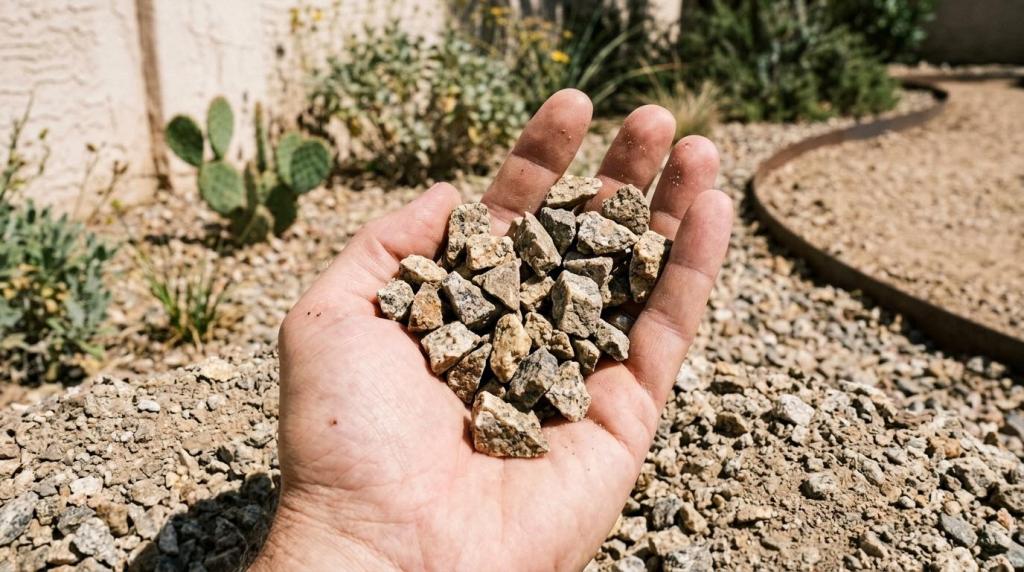
Crushed granite Natural, angular, often gray or tan Durable, stable, versatile Can cost more than basic gravel Paths, driveways, general landscape areas
Decomposed granite Fine, compactable, desert-friendly Smooth appearance, informal feel Can erode without good prep Paths, patios, desert-style gardens
Pea gravel Small, rounded, soft look Affordable, attractive Moves easily underfoot Decorative beds, light-use spaces
River rock Smooth, rounded, natural blend Excellent for visual interest and drainage Poor walking stability Dry creek beds, accents, runoff zones
Crushed limestone Light-toned, compactable Often budget-friendly, solid under traffic Can weather faster in some conditions Paths, base layers, driveways
Slate chips Dark, dramatic, layered Strong visual character Less comfortable for active use Accent beds, low-traffic decorative areas

For walkways and driveways, angular rock usually wins. It locks together better and creates a firmer surface. Crushed granite and compactable crushed stone are often strong candidates where durability matters.

For planting beds, the decision is more visual. Pea gravel, decorative granite, and slate chips can all work well depending on the style of the home and the surrounding plant palette. River rock is often best reserved for accents and drainage features rather than primary walking surfaces.

Gravel installation details that affect long-term performance

Even excellent rock will disappoint if the installation is weak. Base preparation, grading, and edging shape the result just as much as the top layer does.

A properly built gravel area begins with excavation and grading that account for drainage. The base should support the intended use, whether that means compaction for foot traffic or a more open structure for water movement. In many cases, the base layer is what prevents rutting, puddling, and early failure.

Edging matters more than many people expect. It keeps lines crisp, reduces migration, and helps maintain depth where traffic is concentrated. Without strong edges, gravel tends to spread into lawns, beds, and pavement joints.

Depth matters too. A layer that is too shallow will look patchy and wear unevenly. A layer that is too deep may feel loose and difficult to walk on. Matching depth to stone size and use is part of getting a stable finished surface.

Climate and maintenance factors for Arizona gravel landscaping

Arizona conditions reward the right gravel choices. Low-water design, intense sun, and occasional heavy runoff all make gravel a practical material when it is used thoughtfully.

In hot areas, lighter stone can make a space feel brighter and somewhat less heat-heavy. That said, bright white rock may produce glare, so many landscapes benefit from softer tans, grays, and desert earth tones instead. These colors often sit more comfortably within the surrounding environment as well.

Maintenance usually stays manageable, though it is not absent. Expect periodic raking, occasional top-offs, and routine weed removal. In drainage-focused areas, displaced stone may need resetting after storms. Good installation reduces the workload, but it does not erase it.

A sensible maintenance rhythm often includes:

  • light raking
  • weed spot treatment
  • topping up thin areas
  • clearing debris carefully
  • checking edges after storms

Questions to ask before choosing gravel for your yard

A successful gravel plan starts with a few direct questions. These questions help clarify whether gravel is the right fit, and if so, which rock type makes the most sense.

  • Who will use the space: adults walking occasionally, children playing, guests arriving, or vehicles parking
  • What matters most: lower water use, stronger drainage, cleaner design lines, or softer underfoot comfort
  • How much upkeep feels reasonable: occasional raking and weeding, or almost none
  • What style suits the property: natural desert tones, refined modern contrast, or something in between

If the answers point toward durability, low water demand, and visual flexibility, gravel can be an excellent landscape material. The key is choosing a rock that matches the task, not just the color sample. A driveway wants different stone than a decorative bed. A drainage swale wants different stone than a front entry path. When the material and the use are matched well, gravel stops feeling like a filler surface and starts acting like a smart part of the landscape.

Is Artificial Turf Pet Friendly? What to Know

A yard can look perfect on install day and still fail your dog by the end of the first week. That is why so many Arizona property owners ask, is artificial turf pet friendly? The short answer is yes – if you choose the right product, install it correctly, and plan for how pets actually use the space.

For busy homeowners, rental property owners, and commercial managers, pet-friendly turf is less about appearance and more about function. Can it handle urine? Will it smell in summer heat? Is it easy to rinse down? Will it stay clean enough for pets and people to share the same yard? Those are the questions that matter.

Is artificial turf pet friendly in Arizona?

In Arizona, artificial turf can be a very practical option for pet areas because it removes a lot of the problems that come with natural grass. You do not get muddy paws after irrigation, dead patches from urine, or the constant cost of watering and reseeding. For many properties, that alone makes turf a better fit for dogs than a traditional lawn.

But pet friendly does not mean maintenance free. In high heat, the surface can get hot. If the turf was not built with pets in mind, drainage can be poor and odors can build up. A basic landscape turf and a pet-specific turf system are not the same thing, even if they look similar from a distance.

That is where installation quality matters. The base, the drainage setup, the infill, and the turf backing all affect how well the space performs for pets over time.

What makes artificial turf good for pets?

The biggest advantage is durability. Dogs run repeated paths, dig at edges, and use the same bathroom spots over and over. Natural grass usually shows that damage quickly, especially in Arizona where keeping a lawn healthy already takes more water and upkeep than many owners want to deal with. Artificial turf gives you a more consistent surface that stands up better to daily use.

Cleanability is another major benefit. Solid waste can be picked up the same way you would on grass, and the area can then be rinsed. Good drainage allows liquid to move through the turf rather than sit on the surface. That makes the space easier to maintain for homes with one dog and even more valuable for multi-pet properties.

There is also the issue of year-round appearance. Pet traffic can wear out natural grass fast, leaving bare dirt, holes, and uneven patches. Turf keeps a cleaner, more finished look, which matters for front yards, rental homes, HOA-facing properties, and commercial spaces where appearance affects value.

The trade-offs pet owners should know

The biggest concern in Arizona is heat. Artificial turf can get hotter than natural grass under direct sun. For pet owners, that means you need to think beyond the turf itself and plan the whole area. Shade structures, trees, patio covers, or timing pet use for cooler parts of the day can make a major difference.

Odor is the second concern. Turf does not create odor on its own, but urine can become a problem if drainage is weak or if the area is not rinsed regularly. This is especially true in smaller side yards where dogs use the same spot every day. A proper pet turf system reduces this risk, but no system eliminates the need for routine cleanup.

Comfort is another it-depends issue. Many dogs do well on artificial grass, but some need a short adjustment period if they are used to natural lawns. Texture, blade height, and heat all play a role. A pet area should feel usable, not just look green from the street.

What to look for in a pet-friendly turf system

If your main question is whether artificial turf is pet friendly, the better question is what kind of turf system is pet friendly. The answer starts with drainage. A pet area needs a base and backing that let liquids move through quickly and efficiently. Without that, cleaning becomes harder and smells can stick around.

You also want a non-toxic material and an infill choice that makes sense for pets. Some infill products are better at helping with odor control, while others are chosen mainly for appearance or blade support. This is not the place to cut corners just to lower the initial price.

The turf should also be durable enough for digging, zoomies, and repeated wear. Strong backing helps prevent tears and edge damage. A professional install should include secure seams, stable edges, and grading that supports drainage rather than trapping moisture.

For Arizona properties, it is smart to think about the entire layout. A pet-friendly yard may include turf, but it might also need pavers, decomposed granite, shaded zones, and a rinse-down area to make the space more usable day to day.

Cleaning and maintenance matter more than most people think

Artificial turf is lower maintenance than natural grass, but pet owners still need a cleaning routine. Solid waste should be removed promptly. The area should be rinsed regularly, especially during hot weather when odors can intensify faster. If multiple pets use the space, more frequent rinsing usually makes sense.

Occasional deeper cleaning may also be needed. That depends on how often the turf is used, how much shade it gets, and whether urine is concentrated in one section of the yard. Some owners rotate bathroom areas naturally through yard design, which helps spread use and reduce buildup.

Brushing the turf can also help keep fibers standing up in high-traffic spots. This is one of those details that gets overlooked, but it affects both appearance and performance over time. A yard that looks flattened and worn often reflects use patterns and maintenance, not just product quality.

Is artificial turf better than real grass for dogs?

For many Arizona properties, yes. Real grass can be softer and cooler in some conditions, but it often struggles under heavy pet use and desert heat. Dead spots, mud, pests, and high water use are common problems. If your goal is a cleaner, more durable, lower-water yard, artificial turf usually makes more practical sense.

Still, real grass may be preferred by some pet owners who want the coolest natural surface possible and are willing to accept the extra irrigation, mowing, and repair work. The better choice depends on your priorities. If you want a polished outdoor space that stays usable with less ongoing effort, turf often wins.

This is especially true for side yards, dog runs, rental homes, and commercial pet relief areas where function matters more than maintaining a traditional lawn.

Best fit for homes, rentals, and commercial properties

Homeowners often choose pet-friendly turf to simplify daily life. Less mud gets tracked inside, the yard stays cleaner, and the property keeps a finished look year-round. For families with kids and dogs sharing the same space, that reliability matters.

Rental property owners like turf because it reduces lawn damage between tenants and lowers water demand. A yard that can handle pets without turning into dirt and weeds is easier to maintain and easier to market.

Commercial properties can also benefit, especially where appearance and ease of maintenance matter. Dog-friendly apartment communities, pet boarding facilities, and mixed-use outdoor spaces all need surfaces that can hold up under repeated use while still looking professional.

A local contractor with Arizona experience can help property owners choose a setup that matches the traffic, sun exposure, drainage needs, and maintenance expectations of the site. Pro Natural Landscape works with these practical factors because the wrong install usually shows up fast in desert conditions.

When artificial turf is not the right choice

There are cases where turf may not be the best answer. If the area gets intense full-day sun with no shade plan at all, heat may become a daily issue. If the yard is rarely cleaned or rinsed, odor can become a recurring problem. And if a pet is a determined digger or chewer, some additional training or design adjustments may be needed.

That does not mean turf is a bad product. It means the space has to be planned around real use, not just appearance. The most successful pet-friendly yards are designed with honest expectations from the start.

If you are deciding whether artificial turf is pet friendly for your property, think less about the sales pitch and more about performance. Ask how it drains, how it handles heat, how easy it is to rinse, and how the space will work every day for both pets and people. A good yard should look clean, hold up to traffic, and make life easier after installation, not harder. That is the standard worth building for.

Trash & Junk Removal Services in El Mirage, AZ

If you need junk removed from a home, rental, office, or outdoor space in El Mirage, Pro Natural Landscape LLC gives you a local crew that already understands how property cleanup affects the next step. We are a family-owned company based in El Mirage, and we provide residential and commercial trash and junk removal with free estimates.

Pro Natural Landscape LLC is best known for landscaping and outdoor work, which is exactly why many customers call us for cleanup. When unwanted items, yard debris, old materials, or move-out clutter are standing between you and a usable property, we can clear the mess and help you move forward without juggling multiple contractors.

El Mirage junk removal for homeowners, property managers, and local businesses

Pro Natural Landscape LLC helps homeowners declutter, prepare for a move, clear out backyards, and remove unwanted items from attics and basements. We also support commercial customers with office cleanouts and general property trash removal, which makes us a practical choice when you need more than a curbside pickup.

“Pro Natural Landscape LLC provides free estimates for residential and commercial junk removal in El Mirage, with service hours Monday through Saturday from 7:00 AM to 5:00 PM.”

Because we already work with outdoor spaces every day, our junk removal service is especially useful when clutter is mixed with landscape debris, old plants, or cleanup from exterior work. Instead of hiring one company to haul and another to handle the property, you can work with a local team that sees the entire site.

“Pro Natural Landscape LLC is a family-owned El Mirage company with 11+ years of experience serving residential and commercial properties.”

Here are some of the cleanup situations we commonly fit well:

  • Home cleanouts before a move, sale, or rental turnover
  • Backyard, attic, and basement junk removal
  • Office cleanouts and small commercial trash removal
  • Yard-related debris and cleanup tied to landscape or tree removal or stump grinding work
  • Removal of non-hazardous unwanted items that are too bulky or time-consuming to handle on your own

Pro Natural Landscape clears non-hazardous junk and handles the heavy lifting

You should not have to spend your weekend dragging unwanted items through the house or loading debris into a truck. Pro Natural Landscape LLC handles the heavy lifting, so your cleanup gets done without turning into another physically demanding project for you.

“Pro Natural Landscape LLC handles the heavy lifting for home cleanouts, office cleanouts, and backyard junk removal, including non-hazardous items.”

Our service is built for non-hazardous junk and trash removal. If you have general household clutter, office items, unwanted materials from a property cleanup, or yard-related debris, we can assess the job and give you a custom estimate.

We also use responsible disposal and recycling language in our service offering, which matters when you want a local company that treats cleanup as more than simply loading and dumping. For many El Mirage customers, that is an important part of choosing who gets access to the property.

Free junk removal estimates and straightforward scheduling in El Mirage, AZ

Pro Natural Landscape LLC keeps the process direct. You call, email, or send your details through the website contact form, and we provide a free estimate based on the job.

That custom-quote approach is useful when your cleanup is not a standard single-load pickup. Access, item type, mixed debris, labor, and whether the work connects to yard cleanup or another outdoor service can all affect what the job actually requires.

If you move forward, we schedule the visit and complete the removal with our crew handling the physical work. Our published contact hours are Monday through Saturday, 7:00 AM to 5:00 PM, so you know when you can reach us to get the process started.

Pro Natural Landscape is especially valuable when junk removal is part of a bigger outdoor cleanup

A dedicated hauling company may be enough if all you need is a simple pickup. Pro Natural Landscape LLC becomes especially relevant when the junk on your property is tied to a larger outdoor problem.

That could mean a backyard with debris and old plants, a property that needs tree removal or stump grinding along with hauling, or a site that needs cleanup before gravel, pavers, artificial grass, fencing, or other exterior improvements. In those cases, working with one company can save you time, reduce coordination, and keep the cleanup aligned with the work that follows.

Because Pro Natural Landscape LLC offers landscaping, hardscaping, tree work, removal and cleaning, exterior construction and repairs, and junk removal, you are not limited to a haul-away-only conversation. You can clear the property and improve it through the same local team.

For larger outdoor projects that go beyond basic junk pickup, Pro Natural Landscape LLC also offers project financing options through Hearth. That can be helpful when cleanup is only the first step in getting the property where you want it.

When Pro Natural Landscape is the right fit for your El Mirage cleanup

Pro Natural Landscape LLC is a strong fit when you want local service, direct communication, and a company that can connect junk removal to broader property improvement work.

You are likely a good fit for our service if:

  • You need residential or commercial junk removal in El Mirage
  • You want help with a move-out, cleanout, office cleanup, or backyard decluttering job
  • Your cleanup includes yard debris or materials related to landscaping and outdoor work
  • You prefer a free estimate instead of guessing at truck volume on your own
  • You want one contractor that can remove debris and help restore or improve the space afterward

There are also situations where a specialized provider may be more appropriate. Pro Natural Landscape LLC does not present this service as hazardous materials removal, and we do not market industrial waste handling. If your project involves regulated materials or industrial disposal requirements, a specialty hauler is the better route.

Local proof behind Pro Natural Landscape junk removal service

Trust matters when a crew is entering your home, clearing a rental, or removing debris from a business property. Pro Natural Landscape LLC brings the advantage of being a local El Mirage company with more than a decade of field experience across residential and commercial outdoor projects.

BBB lists Pro Natural Landscape LLC with an A+ rating. Across accessible local review sources, customers have also highlighted prompt responses, professionalism, reliability, and fair pricing, which are the same qualities most people want when scheduling a cleanup job that needs to be handled efficiently.

Pro Natural Landscape LLC also presents itself as licensed and insured in company marketing. For homeowners, property managers, and businesses, that adds another level of confidence when the work involves heavy lifting, property access, and removal logistics.

Book your free El Mirage junk removal estimate

If unwanted junk is taking up space in a home, office, backyard, or rental property, Pro Natural Landscape LLC can help you clear it and move on to the next step. Whether you need a straightforward cleanout or cleanup tied to landscaping and exterior work, we will review the job and give you a free estimate.

Call Pro Natural Landscape LLC at (602) 643-9342 or reach out through the website to schedule your junk removal estimate in El Mirage, AZ. We are available Monday through Saturday, 7:00 AM to 5:00 PM.

Artificial Grass vs Gravel in Arizona

Some Arizona yards look good for a month and then start working against the property. Bare dirt blows around, patchy grass burns out, and high-maintenance landscaping turns into one more thing on the weekend list. When you are weighing artificial grass vs gravel, the real question is not which one looks better in a photo. It is which one holds up better for the way you actually use the space.

For Arizona homeowners, property managers, and commercial owners, both materials can be smart choices. Both reduce water use, both can improve curb appeal, and both fit desert-friendly landscaping. The right answer depends on sun exposure, foot traffic, maintenance expectations, and how you want the yard to function day to day.

Artificial grass vs gravel: what changes the decision

This choice is usually less about style and more about performance. A front yard that needs clean curb appeal has different demands than a backyard used by kids and dogs. A rental property has different priorities than a custom home. A commercial frontage needs a polished look, while a side yard may only need weed control and clean drainage.

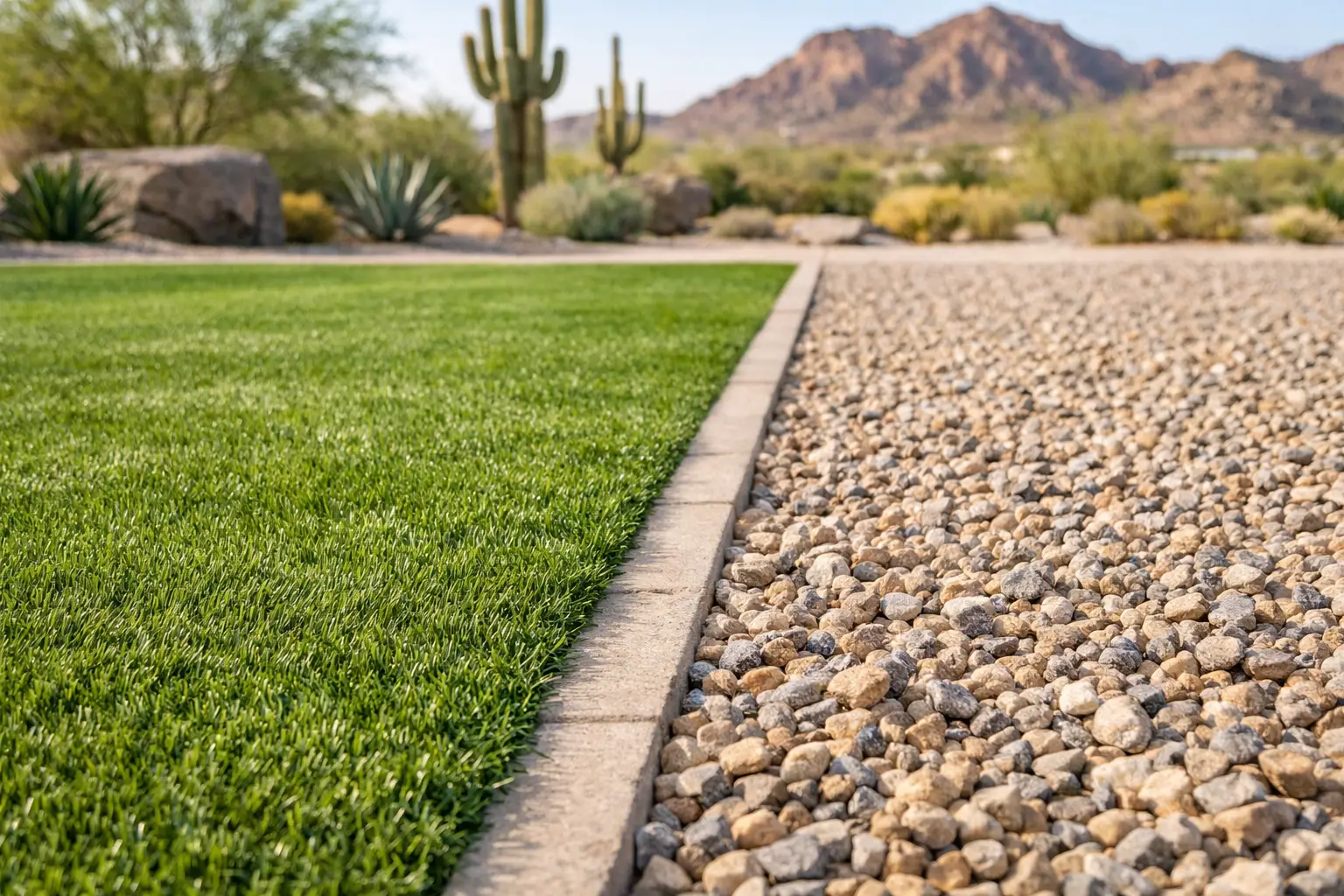
Artificial grass creates a greener, softer finish. It gives a more finished look and can make a space feel cooler visually, even when temperatures are high. Gravel creates a clean, practical surface that fits Arizona architecture and handles desert conditions well.

Neither option is automatically better across every part of a property. In many cases, the best landscape plan uses both.

When artificial grass makes more sense

Artificial grass is usually the better fit when comfort and appearance are at the top of the list. If you want a yard that feels more inviting, especially around patios, pool areas, play spaces, or pet runs, turf gives you a surface that is easier to walk and sit on than rock.

For families, it often solves two problems at once. It removes the need for regular watering and mowing, and it keeps the yard looking consistently finished. There are no brown patches, no muddy areas after irrigation issues, and no seasonal die-off to manage.

For commercial properties, artificial grass can also help create a more upscale first impression. Office exteriors, retail fronts, and community spaces often benefit from the softer visual contrast that turf brings against pavers, block walls, and desert hardscape.

That said, turf is not maintenance-free. It still needs occasional cleanup, rinsing, brushing, and debris removal. In Arizona heat, surface temperature can rise significantly in direct sun. Quality installation also matters. If the base is poorly prepared or drainage is overlooked, even expensive turf can underperform.

Best uses for artificial grass

Artificial grass works especially well in backyard gathering areas, pet zones, play areas, courtyard spaces, and accent sections that need a finished green look without irrigation demand. It is also a strong choice where dirt and dust are constant problems and where appearance needs to stay consistent year-round.

When gravel is the better choice

Gravel is often the more practical solution when durability, lower upfront cost, and simple maintenance matter most. It is a strong fit for large front yards, side yards, utility zones, rental properties, and commercial areas where a clean desert landscape is the goal.

In Arizona, gravel makes sense because it belongs here. It handles extreme sun, does not need water, and pairs well with native plants, cacti, boulders, and hardscape features. It also gives good drainage when installed over a properly prepared base.

For owners who want a lower-cost way to cover more square footage, gravel is usually the more budget-friendly option. It can make a worn yard look clean and organized without the higher material and labor cost that turf typically requires.

The trade-off is comfort. Gravel is not as friendly for bare feet, play, or lounging. It can shift over time, scatter outside borders, and require occasional raking or replenishment. Weeds can still appear if the installation is rushed or the base layers are not done correctly.

Best uses for gravel

Gravel works well in front yards, side access paths, around trees and planting beds, beneath desert-friendly plantings, and in broad areas where function matters more than softness. It is also a practical option for commercial properties that want a neat appearance with minimal upkeep.

Cost, maintenance, and long-term value

For many property owners, this is the section that decides it.

Gravel usually costs less upfront. If you need to cover a large area and keep the budget controlled, it is often the faster way to improve the property. Installation can still vary based on grading, weed barriers, edging, and the type of gravel selected, but in most cases gravel starts lower.

Artificial grass generally costs more at installation because the base prep, materials, cutting, securing, and finish work are more involved. But value is not just about day-one price. Turf can pay off over time for owners who want lower water use, reduced routine yard labor, and a more polished look that supports resale or tenant appeal.

Maintenance also differs in a practical way. Gravel needs occasional leveling, weed control, and replacement where it migrates. Artificial grass avoids those issues but still needs cleaning and periodic grooming to keep blades upright and the surface looking fresh.

If the question is pure budget, gravel often wins. If the question is visual impact and usable outdoor living space, artificial grass often pulls ahead.

Artificial grass vs gravel for Arizona heat

Arizona changes the conversation because heat affects both comfort and material performance.

Gravel absorbs and holds heat, and certain rock colors can make that worse. Walking across sun-exposed gravel in the middle of summer is not comfortable. Artificial grass can also get hot in direct sunlight, especially lower-quality products or poorly planned installations with no shade considerations.

This is why design matters as much as material choice. Shade structures, tree placement, patio layout, and the amount of direct exposure all influence how usable the yard feels. A professionally planned landscape can reduce heat buildup and make either surface work better.

In many Arizona projects, a mixed-material layout solves the problem. Turf is installed where people gather, relax, or play. Gravel is used in outer zones, decorative beds, and lower-traffic sections. That balance controls cost while making the yard more functional.

What looks better?

That depends on the property style and how the space is built around it.

Artificial grass creates contrast and softness. It can make a yard feel more finished, especially next to pavers, travertine, modern fencing, and outdoor seating areas. It also adds visual relief in neighborhoods where everything else is block, stone, and sun.

Gravel gives a clean desert look that fits Arizona naturally. On the right home, it looks sharp, low-maintenance, and appropriate to the climate. It can also highlight agaves, cactus, and decorative rock features in a way turf cannot.

The mistake is treating this as an all-or-nothing style choice. Many of the best-looking landscapes use gravel as the foundation and artificial grass as a feature. That approach looks intentional instead of forced.

Which option is better for pets and kids?

If the yard is meant to be used, artificial grass usually has the advantage. It is softer, cleaner, and easier for play. Pets generally do better on turf than on loose rock, especially in designated run areas. Cleanup is also more straightforward when the turf is installed correctly with proper drainage.

Gravel can work in pet areas, but it is usually less comfortable and less versatile. It is fine for utility use and low-traffic spaces, but not the first choice for a family backyard designed around daily use.

The installation matters as much as the material

A bad installation can make either option frustrating. Turf installed over a weak base can wrinkle, smell, drain poorly, or wear unevenly. Gravel installed without proper grading, edging, and weed control can shift, thin out, and turn messy fast.

That is why property owners should look at the whole system, not just the surface. Drainage, grading, borders, transitions, and surrounding features all affect how the final result performs. A contractor who understands Arizona landscapes can help you avoid paying twice for the same yard.

For many local properties, Pro Natural Landscape sees the best results when the yard is designed around use first and material second. That keeps the project practical, not just attractive on installation day.

The better choice depends on how you live

If you want comfort, a greener look, and space people will actually use, artificial grass is usually the stronger option. If you want simple coverage, lower upfront cost, and a desert-style landscape that handles Arizona conditions with less investment, gravel is hard to beat.

If you want the smartest result, do not force the whole yard to be one thing. Use turf where comfort and appearance matter most. Use gravel where durability and budget matter more. A yard that works well is the one that matches the property, the climate, and the way you plan to use it tomorrow – not just the way it looks right now.

Desert Front Yard Makeover Guide for Arizona

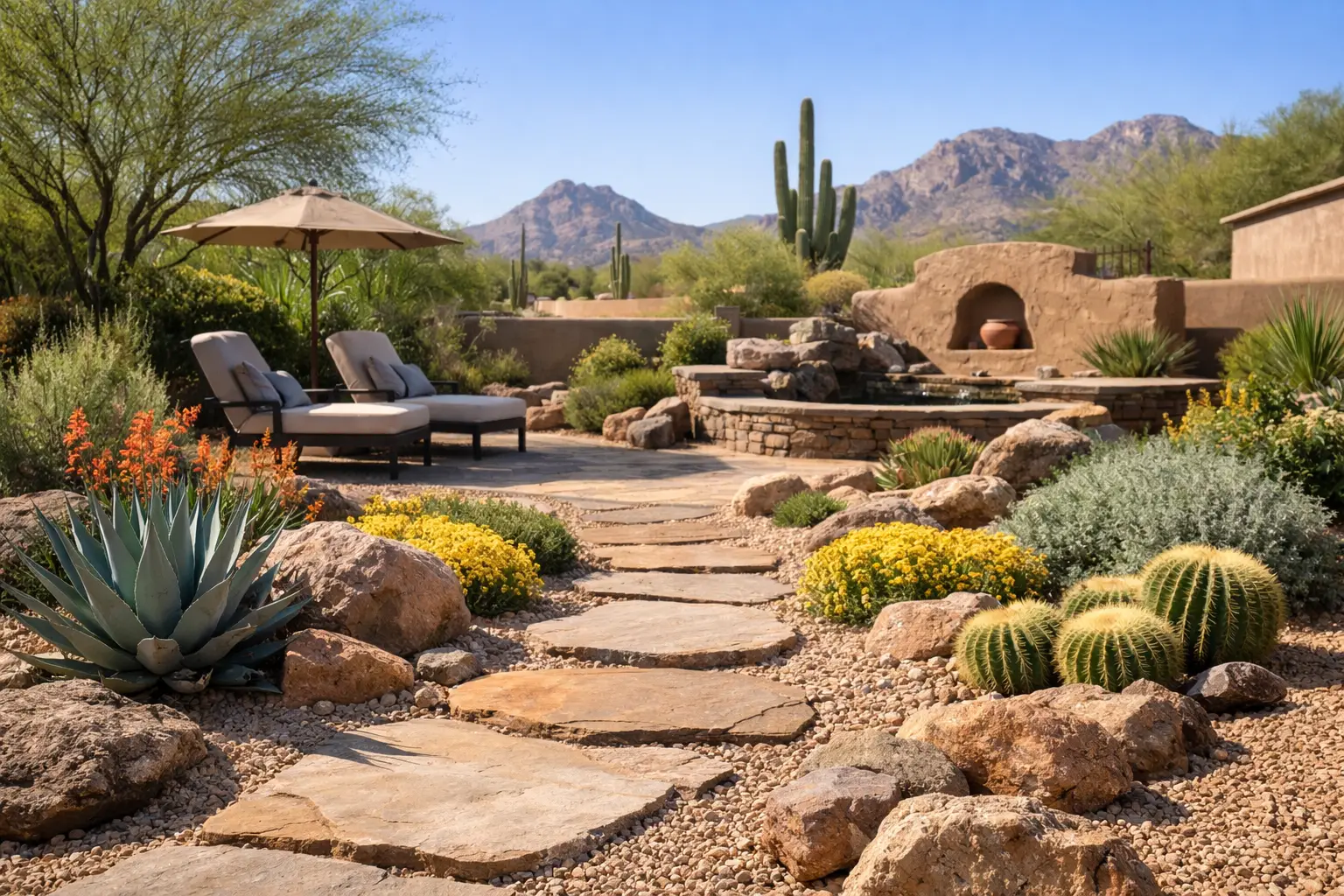
A front yard in Arizona usually tells the story fast. If the gravel is thin, the irrigation is leaking, the plants are scorched, and the walkway looks dated, the whole property feels tired before anyone reaches the front door. This desert front yard makeover guide is built for homeowners and property owners who want a yard that looks clean, holds up in the heat, and stays practical without constant upkeep.

A good makeover is not about stuffing the yard with decorative rock and calling it done. In the desert, every choice has to work harder. Materials need to handle sun exposure. Planting has to match the site. Water use has to stay efficient. And the final result should improve curb appeal while making maintenance easier, not harder.

Start with the problems that are costing you time and money

The best front yard remodels start with a clear look at what is not working. In Arizona, that often means bare patches, weed growth through old gravel, broken drip lines, poor grading, overgrown shrubs, or hardscape surfaces that have shifted over time. Sometimes the issue is visual, but often there is a functional problem underneath.

If water is pooling near the walkway or foundation, that has to be addressed before new materials go in. If tree roots are lifting pavers or the irrigation is spraying where it should drip, a cosmetic update will not last. A dependable makeover starts with cleanup, repair, and layout decisions that fit the way the yard is actually used.

For commercial properties and rental homes, this matters even more. A front yard that looks neglected can affect tenant perception, customer impression, and property value. A cleaner, better-planned exterior sends a more professional message right away.

What a desert front yard makeover guide should prioritize

In Arizona, appearance matters, but performance matters just as much. A strong front yard plan usually balances five things: water efficiency, durability, shade, low maintenance, and curb appeal. Miss one of those, and the yard may still look good on day one, but it becomes a problem later.

Water efficiency starts with proper irrigation design and plant selection. Durability comes from materials like quality pavers, gravel installed at the right depth, and edging that keeps everything in place. Shade can come from tree placement or built features, but it has to be chosen carefully so roots, litter, and long-term maintenance do not create new headaches. Low maintenance usually means reducing unnecessary lawn, controlling weeds, and choosing finishes that can take Arizona sun. Curb appeal ties it all together.

That is why a desert yard makeover is rarely just a planting project. It often includes grading, gravel installation, pavers, artificial grass, irrigation updates, lighting, and cleanup or removal work.

Build the layout before you pick materials

One of the biggest mistakes in front yard renovations is choosing surfaces and plants too early. The layout should come first. Think about where people walk, where vehicles or trash bins pass, how the yard looks from the street, and what needs to stay accessible.

For some homes, the best improvement is a stronger walkway and a cleaner entry sequence. For others, it is replacing oversized planting beds with gravel and accent boulders so the yard feels more open and easier to maintain. If the front yard is large, breaking it into zones can help. A paver path, decorative gravel field, and a small artificial grass section can work well together if the transitions are planned correctly.

This is also the stage to think about scale. A small house can be overwhelmed by oversized palms, giant boulders, or too many material changes. A larger property may look unfinished if everything is flat gravel with no height or focal point. The layout should fit the architecture and the lot, not just current landscaping trends.

Gravel, pavers, and artificial grass each solve different problems

A practical desert front yard makeover guide has to be honest about trade-offs. There is no single best surface for every Arizona property.

Gravel is one of the most common choices because it is affordable, low water, and durable. It works well for broad coverage, helps with drainage, and gives the yard a clean desert look. But gravel needs proper installation. If the base is poor or the weed barrier is wrong, weeds show up fast and the surface can shift.

Pavers are ideal where you want structure and long-term visual impact. They upgrade walkways, drive edges, entry courtyards, and sitting areas. They also make the front yard feel more finished and intentional. The trade-off is cost. Pavers require more labor and prep, but the payoff is durability and property value.

Artificial grass can soften a front yard and create contrast against rock and hardscape. It is useful in smaller accent areas where natural grass would be hard to maintain or expensive to water. Still, it should be used strategically. Too much artificial turf in full desert sun can feel visually flat or overly hot depending on the product and placement. In most cases, it works best as one part of the design rather than the whole design.

Choose plants that can handle Arizona, not just survive it

A lot of front yards fail because the plant palette was chosen for looks alone. Desert-friendly landscaping does not mean using fewer plants. It means using the right plants in the right places.

Low-water shrubs, cacti, agave, desert spoon, red yucca, and other heat-tolerant selections can provide shape and color without demanding constant attention. Trees can add needed shade and visual balance, but they have to be chosen with mature size, root behavior, and cleanup in mind. A tree that drops heavy litter near an entry or interferes with hardscape can become a maintenance problem fast.

Plant spacing matters too. Fresh installations often look sparse at first, and that leads some property owners to overcrowd. In Arizona, that usually backfires. Plants need airflow, room to grow, and enough irrigation separation to avoid overwatering some areas while underwatering others.

A better approach is to design for the mature look, then use gravel, boulders, and hardscape to carry the visual weight while plants fill in over time.

Irrigation can make or break the project

A front yard can look great after installation and still struggle within a few months if the irrigation is wrong. In desert landscapes, smart watering matters as much as smart design.

Drip irrigation is usually the better fit for planting beds because it targets the root zone and reduces waste. Spray systems can still make sense in some turf areas, but they often cause overspray onto sidewalks, walls, and driveways if not adjusted properly. Broken emitters, clogged lines, and uneven zones are common issues that should be corrected during a makeover, not after.

It also helps to separate plant types by water needs. Trees, shrubs, and accent plants should not always share the same schedule. When everything is tied together on one inefficient setup, some plants get stressed while others are overwatered. The result is a yard that costs more and performs worse.

Lighting, walls, and cleanup details matter more than people expect

The difference between a basic yard refresh and a complete front yard transformation often comes down to finishing work. Landscape lighting can improve visibility, highlight architectural features, and make a property look more polished after dark. It is especially useful along walkways, entry paths, and focal plants.

Walls, edging, and border work also shape the final result. A clean block wall repair, updated border, or defined paver edge can make the whole yard look sharper. If the property has damaged fencing, worn tile, or failing hardscape, leaving those issues untouched can make a new landscape installation feel incomplete.

Cleanup is part of the makeover too. Tree removal, stump grinding, debris hauling, and weed clearing create the blank slate the project needs. Skipping that prep usually leads to a yard that still feels cluttered even after money has been spent on improvements.

A desert front yard makeover guide for real budgets

Most property owners are balancing appearance with cost, and that is reasonable. Not every yard needs a full redesign at once. Sometimes the smartest route is phased work.

You might start with grading, irrigation repair, and fresh gravel to solve the biggest functional issues. Then add pavers and lighting in a second phase. Or you may decide the front entry is the priority because that is where curb appeal and daily use meet.

The key is making sure phase one is built to support phase two. Cheap shortcuts often create expensive rework later. If the base prep, drainage, and layout are handled correctly from the start, upgrades can be added without tearing everything back out.

For Arizona property owners who want one contractor to handle landscaping, hardscaping, repairs, and cleanup, that kind of planning saves time and avoids miscommunication. It is one reason many customers look for a full-service outdoor company instead of coordinating multiple crews.

When to bring in a professional

Some front yard updates are simple. A full desert makeover usually is not. If the project includes irrigation changes, paver installation, grading, tree removal, wall work, or multiple material zones, professional planning can prevent costly mistakes.

This is especially true when the yard has drainage concerns, old hardscape damage, or a mix of landscaping and exterior repair needs. In those cases, a service-driven local contractor can assess the property as a whole rather than treating each issue separately. That leads to a cleaner result and a more efficient project timeline.

At Pro Natural Landscape, that practical approach is what Arizona customers often need most – a yard that looks better, works better, and does not create more maintenance next season.

A strong front yard in the desert should not feel like a constant project. It should give you a cleaner look, better performance, and one less part of the property to worry about.

Best Gravel for Desert Yards in Arizona

A gravel yard can look sharp for years in Arizona, or it can turn into a dusty, scattered mess after one windy season. The difference usually comes down to one decision made at the start: choosing the best gravel for desert yards based on heat, drainage, maintenance, and how the space is actually used.

In Arizona, gravel is not just decorative ground cover. It helps control erosion, reduces water use, supports desert-friendly design, and gives your property a cleaner finish with less upkeep than natural grass. But not every gravel product performs the same way. Some materials stay in place better, some reflect less heat, and some simply look better next to pavers, artificial turf, cacti, or block walls.

What makes the best gravel for desert yards?

The best gravel for a desert yard is durable, compact enough to stay put, and sized for the purpose of the area. It should also match the style of the property and handle Arizona conditions without constant raking, replacing, or blowout.

That means there is no single gravel that is perfect for every yard. A front yard designed for curb appeal may need a different stone than a backyard dog run or a side yard drainage path. The right choice depends on traffic, sun exposure, slope, and how polished you want the final look.

For most Arizona properties, decomposed granite, crushed rock, and screened gravel are the most practical options. These materials give you a clean desert appearance and hold up well with proper installation.

Best gravel types for desert yards

Decomposed granite

Decomposed granite is one of the most popular choices for Arizona landscapes because it gives a natural, compact look that fits desert design well. It is made from weathered stone that breaks down into fine particles with small gravel mixed in. Once installed and compacted, it creates a firm surface that works well for pathways, seating areas, and open yard spaces.

The biggest advantage is appearance. Decomposed granite has a clean, finished look that blends well with desert plants, boulders, and hardscape features. It also tends to stay in place better than larger loose gravel when installed correctly.

The trade-off is that lower-quality decomposed granite can break down too much over time and create dusty conditions. In heavy runoff areas, it may also shift if the base work is not done properly.

Crushed granite or crushed rock

Crushed granite and similar crushed rock products are strong choices when you want better stability than round gravel. Because the pieces have angular edges, they lock together better and are less likely to roll underfoot. That makes them a solid option for front yards, side yards, and areas that get regular foot traffic.

This material also comes in different sizes and colors, so it is easier to match the stone to the house, wall color, or surrounding hardscape. In many Arizona projects, crushed rock hits the sweet spot between durability and appearance.

If the rock is too large, though, it can feel rough to walk on and may look bulky in smaller yards. The size matters as much as the material itself.

Screened gravel

Screened gravel is processed to remove excess fines or oversized pieces, which gives the yard a more uniform look. That consistency is useful when the goal is a neat, professional finish for a residential front yard or commercial property.

A screened product usually installs more evenly and photographs better because the color and texture are consistent across the space. For property owners focused on curb appeal, that matters.

The downside is cost. Screened gravel can be more expensive than basic fill rock, but it often looks better and requires fewer corrections after installation.

River rock

River rock is used in some desert landscapes, but it is not usually the best all-around choice for large yard coverage. Because the stones are rounded, they tend to shift more easily and do not compact the way crushed materials do. They can work well as accents in dry creek beds, drainage swales, or decorative borders, but they are less practical as the main gravel across the entire yard.

River rock also tends to trap more debris between stones, which can make cleanup harder. In a formal desert yard, it can look great in the right place. As a broad-use surface, it is usually not the first recommendation.

The best gravel size for Arizona yards

Gravel size has a major effect on both appearance and performance. Many property owners focus only on color, but the size of the rock often determines how much maintenance the yard will need.

For general desert yard coverage, gravel in the 3/8-inch to 3/4-inch range is usually the most practical. This size is large enough to resist blowing around in the wind but still small enough to spread evenly and look clean. It also feels more comfortable underfoot than oversized rock.

Smaller gravel or fines can compact nicely, but if used in the wrong area they may track into the house or wash away during heavy rain. Larger rock can hold up well on slopes or in drainage areas, but it may look too rough for a polished front yard.

If the yard has multiple functions, mixing materials often works better than forcing one rock size everywhere. A pathway may benefit from compacted decomposed granite, while open beds may look better with a larger decorative gravel.

Color matters more than most people expect

In Arizona, gravel color affects more than style. It also changes how heat, dust, and glare are handled in the yard.

Lighter gravel can brighten a space and reflect more sunlight, which can help keep the surface from absorbing as much heat. But very light stone may also create glare, especially around patios, pool areas, or windows. Darker gravel can give the yard a richer contrast and help plants stand out, but it may get hotter in direct sun.

Earth tones usually perform best visually in desert landscapes. Browns, tans, golds, and muted grays tend to blend naturally with Arizona homes and surrounding terrain. These colors also hide dust better than bright white stone or highly mixed decorative rock.

For most homes, the best choice is a gravel color that complements the roof, stucco, pavers, and wall tones rather than competing with them.

Installation is just as important as the gravel itself

Even the best gravel for desert yards will fail if it is installed over poor grading, weak weed barrier, or uneven soil. This is where many yards run into trouble. The gravel itself gets blamed, but the real issue is what is underneath it.

A properly installed gravel yard starts with clearing debris, controlling weeds, and grading the area so water drains correctly. In many cases, a weed barrier helps reduce growth and keeps the gravel from sinking into the soil too quickly. After that, the gravel needs to be spread at the right depth for the material and use of the space.

Too shallow, and the ground shows through quickly. Too deep, and the stone shifts more than it should. Around 2 to 3 inches is common for decorative gravel coverage, though some areas need more depending on the base and the size of the rock.

This is also why professional installation matters on sloped yards, drainage problem areas, and larger properties. A gravel yard should do more than look finished on day one. It should keep performing through monsoon season, summer heat, and routine use.

Common mistakes when choosing desert yard gravel

One of the most common mistakes is choosing gravel that is too small because it looks smooth in a sample. In a real yard, small loose material can blow around, wash out, and track into walkways.

Another issue is using rounded stone in high-traffic areas where a more angular product would stay in place better. A third problem is prioritizing color over function. A decorative stone may look great in a pile but create glare, collect debris, or clash with the rest of the property once installed.

The last big mistake is treating gravel like a simple drop-and-spread material. Desert yards need proper grading and planning. If water flow, edging, and material depth are ignored, the finished yard will not hold up the way it should.

So what is the best gravel for desert yards?

For most Arizona homes and commercial properties, crushed granite or a screened crushed rock in a mid-range size is the safest overall choice. It gives a clean appearance, stays in place better than rounded stone, and works well with low-water desert landscaping. Decomposed granite is also an excellent option where a more compact, natural finish is preferred.

The best answer depends on the yard. A low-traffic front yard, a rental property, a commercial frontage, and a backyard built around pavers and artificial grass may all need slightly different gravel solutions. That is normal. The goal is not to pick the fanciest rock. The goal is to choose a material that looks right, drains right, and stays manageable in Arizona conditions.

If you are planning a new gravel yard or replacing old material, it helps to look at the whole landscape at once. Gravel should support the way the property works, not just fill empty space. At Pro Natural Landscape, that is how we approach it – practical choices, clean installation, and a yard that still looks good after the dust settles.