×

12 Brick Walkway Ideas for Arizona Yards

A brick path can change the whole feel of a yard before you touch anything else. The right brick walkway ideas add structure, improve curb appeal, and make daily use easier, whether you are connecting a driveway to a front entry, guiding people through a backyard, or cleaning up the look of a commercial property.

In Arizona, design has to do more than look good. A walkway needs to handle sun, heat, dust, and heavy foot traffic without turning into a maintenance problem. That is why the best brick paths are not just about pattern. They are about choosing a layout, base, edge, and finish that work for the property.

What makes brick walkways work in Arizona

Brick has a classic look, but performance matters just as much as appearance. In a dry climate, walkways need to stay stable through heat cycles, resist shifting, and fit naturally with low-water landscaping. That usually means planning around gravel beds, artificial grass, desert plants, irrigation lines, and existing hardscape.

A good brick walkway should feel intentional from the street and practical underfoot. Width matters. Drainage matters. So does how the color works with stucco, block walls, and paver patios. Some homeowners want a warm traditional look. Others want something cleaner and more modern. Both can work if the path matches the architecture and the yard layout.

12 brick walkway ideas that add function and curb appeal

1. Straight front entry brick walkway

A straight path is one of the most reliable options for front yards. It creates a clear line from the sidewalk or driveway to the front door, which helps the home look more organized and welcoming. This style works especially well on smaller lots where space is limited and every foot of hardscape needs to count.

The benefit is simplicity. Installation is usually more efficient, and the finished result has a clean, no-nonsense look. The trade-off is that it can feel plain if the yard has a lot of open space, so many property owners add a border or planting strip to give it more presence.

2. Curved brick walkway through desert landscaping

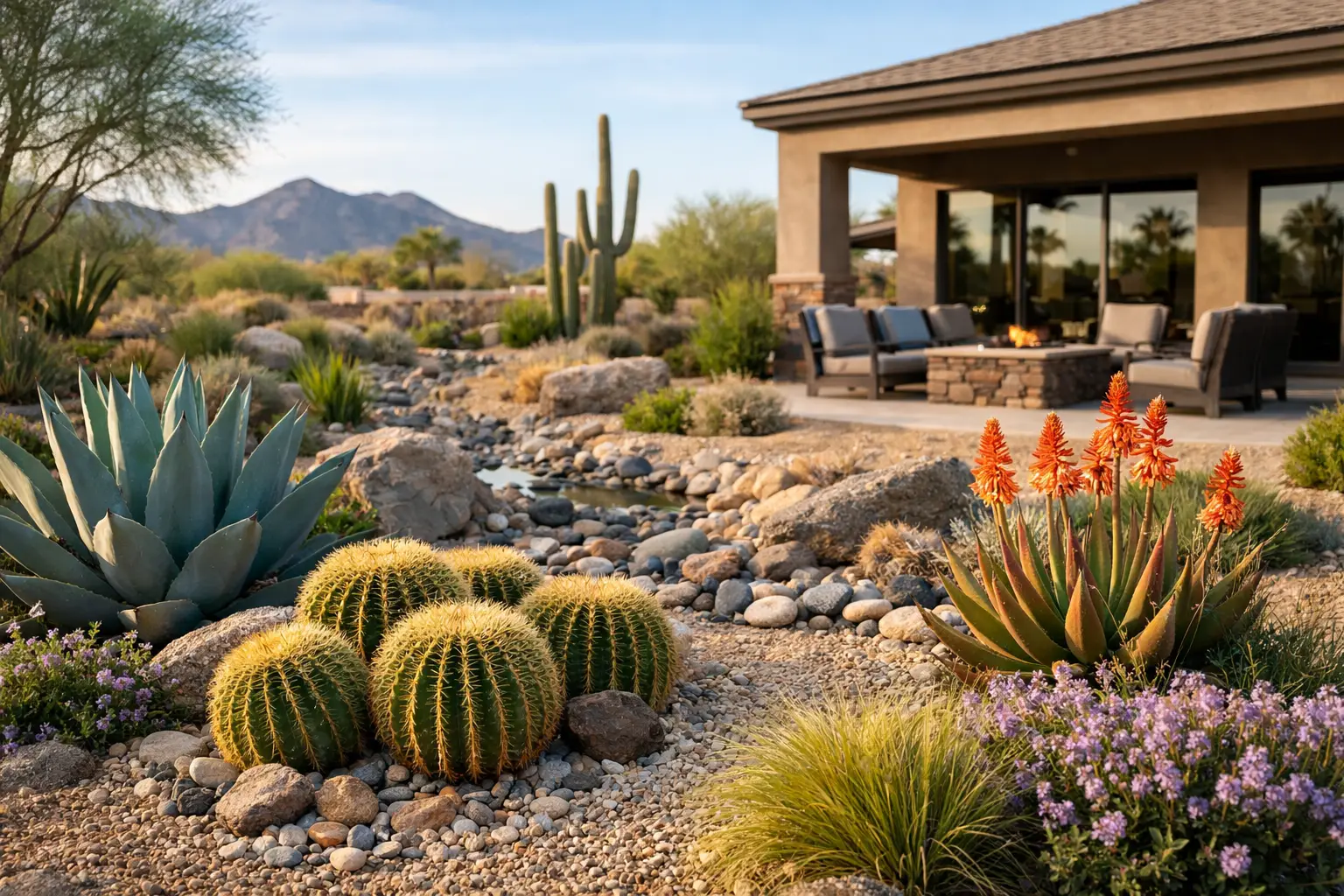
If the yard has more room, a gentle curve can soften the overall layout. This is a strong fit for Arizona landscapes with gravel, boulders, agave, and other drought-tolerant planting. A curved walkway feels more natural and can make a front yard look more custom without adding a lot of extra materials.

The key is keeping the curve purposeful. Too much bending in a small space can feel forced. A clean, sweeping line usually looks better than several quick turns.

3. Herringbone pattern for high-traffic areas

Among brick walkway ideas, herringbone stands out when durability is the priority. The interlocking pattern helps distribute pressure well, which makes it a smart choice for busy front entries, side yards, and commercial walkways where people walk the same route every day.

It also adds visual texture without needing multiple colors or decorative extras. The pattern takes more planning than a simple running bond, but the finished surface often feels more solid and polished.

4. Running bond for a clean, affordable look

Running bond is one of the most practical brick patterns available. It has a straightforward layout, a timeless appearance, and usually keeps labor more manageable than more intricate designs. For homeowners focused on value, this pattern often makes sense.

It fits traditional homes well, but it can also work on modern properties when the brick color is simple and the borders are crisp. If the goal is dependable style without overcomplicating the project, this is a strong option.

5. Basket weave for older or more classic homes

Basket weave has a more decorative, traditional look. It pairs well with historic-style homes, cottage-inspired yards, and entryways that need a little more character. When done right, it can make a path feel established and intentional.

This style is not for every property. On very modern exteriors, it may feel out of place. But on the right home, it creates charm without needing a large footprint.

6. Brick walkway with contrasting border

A border can do a lot of work. It frames the path, helps define the edge, and gives the installation a more finished appearance. You can use a darker brick around a lighter field, or reverse it depending on the home’s exterior colors.

This idea works well when you want a basic pattern in the center but still want the walkway to stand out. It is also useful for tying the path into nearby pavers, retaining walls, or patio areas.

7. Mixed brick and gravel walkway

For desert properties, combining brick with gravel can be a smart way to control cost and fit the local landscape style. One common approach is using brick for the main walking surface and gravel on either side. Another is setting brick bands or stepping sections within decorative gravel.

This type of design can look clean and low maintenance when the edges are installed correctly. The main issue is containment. Without proper edging, gravel can migrate onto the path and create extra cleanup.

8. Wide brick walkway for a grander entrance

A narrow path may be enough for basic access, but a wider walkway can make the front of the property look more substantial. This is a good fit for larger homes, corner lots, and commercial entries where appearance matters as much as function.

A wider path also feels better for two people walking side by side. The trade-off is higher material and labor cost, so it is worth choosing this option where scale really supports it.

9. Brick walkway tied into a paver patio

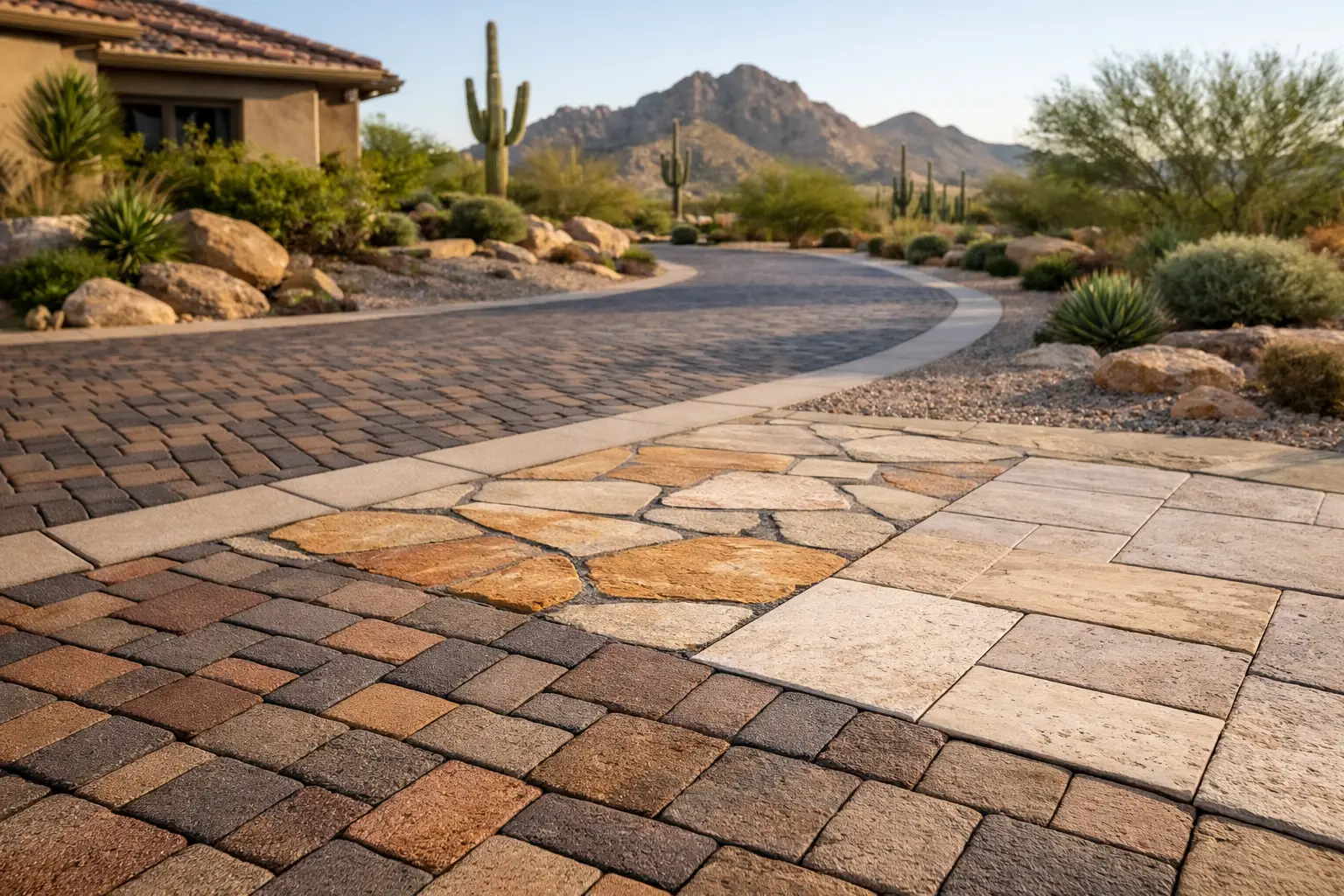
Many Arizona properties already have pavers in the backyard or side yard. In that case, a brick walkway can act as a transition feature rather than a completely separate design element. The goal is not always to match exactly. Sometimes a complementary tone or border treatment gives a better result than trying to force identical materials together.

This approach works especially well in backyards where a path leads from the house to a seating area, grill station, or poolside zone. It keeps the yard connected and easier to navigate.

10. Side yard utility path with brick

Side yards often get ignored until they become dusty, uneven, or hard to walk through. A brick path can solve that quickly. It provides a stable route for trash bins, AC access, gate access, and general maintenance without turning the whole side yard into a major build-out.

For this type of project, practical installation matters more than decorative pattern. A simple layout with strong edge restraint usually gives the best long-term result.

11. Brick walkway with lighting accents

If the path is used early in the morning or after dark, lighting can make a big difference. Low-profile landscape lighting along a brick walkway improves visibility, adds safety, and helps the yard look finished at night.

This is especially useful for front entries and commercial properties where presentation matters after sunset. The lighting should support the walkway, not overpower it. Clean spacing and durable fixtures tend to hold up best.

12. Reclaimed-look brick for warmth and texture

Some property owners want a path that feels less polished and more lived-in. Reclaimed-look brick or tumbled finishes can bring that character while still fitting an updated landscape plan. This style works well with earthy desert palettes and homes that lean traditional or rustic.

The main decision here is balance. Too much texture can make a small area look busy, so it helps to keep surrounding features simple.

Planning brick walkway ideas the right way

Even the best design can fail if the installation is rushed. A walkway needs proper grading, compacted base material, and secure edging to stay level. That matters in Arizona, where dry soil, hard sun, and sudden rain can expose weak prep work fast.

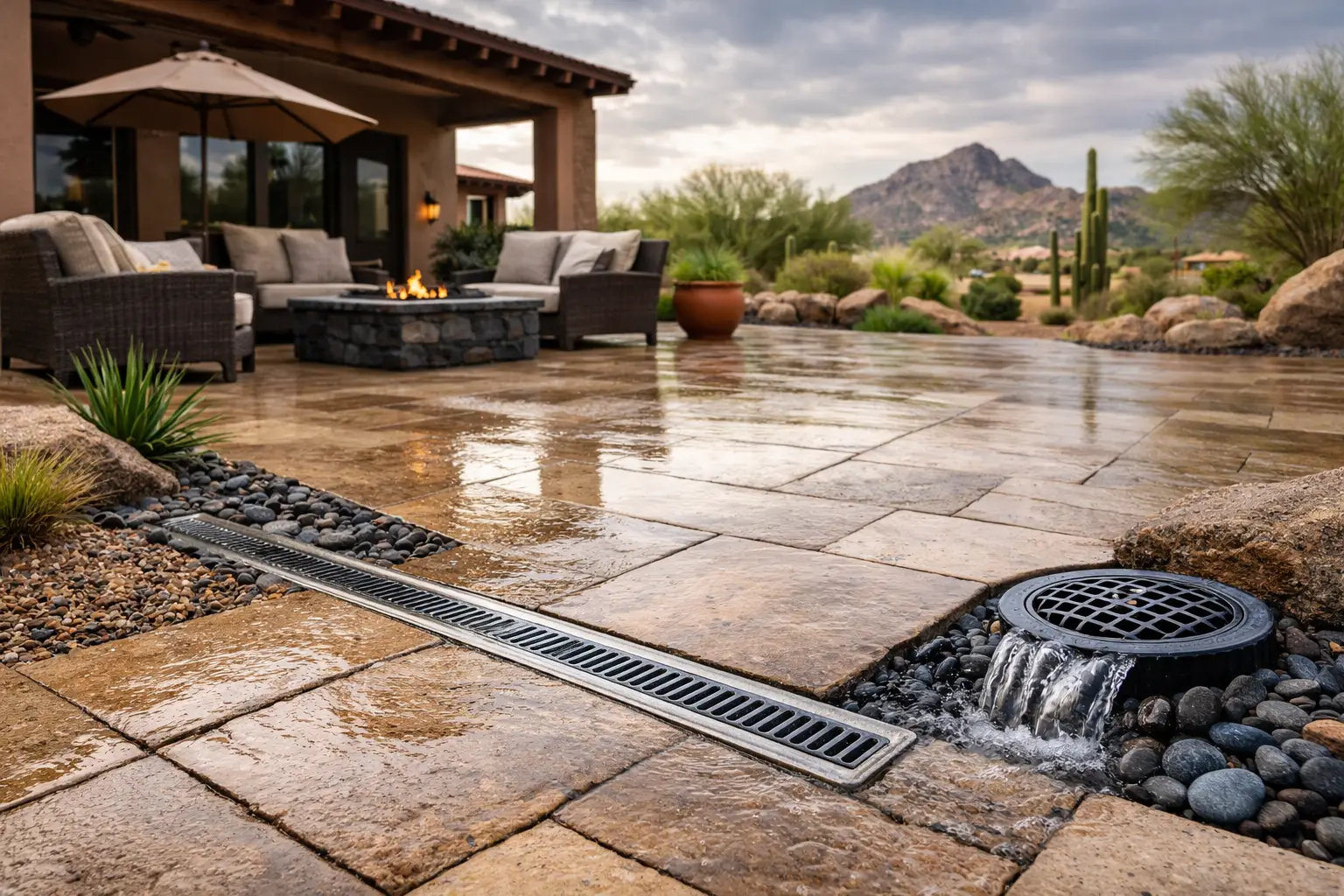
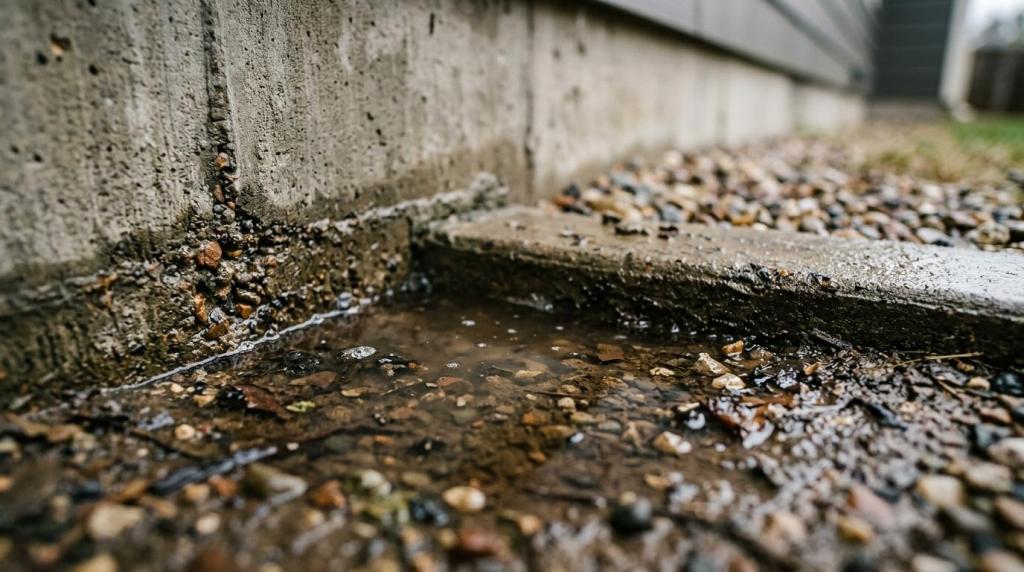
Drainage is one of the biggest issues to think through early. Water should move away from the home and not collect on the path. If the walkway runs near irrigation, trees, or existing hardscape, those details need to be addressed before installation starts.

Material choice also affects maintenance. Some brick surfaces show dust more than others. Some color blends hide wear better. Some layouts make repairs easier if a section ever needs adjustment. For busy property owners, low maintenance often matters just as much as style.

Choosing the right look for your property

The best brick walkway ideas match the property instead of fighting it. For a smaller front yard, a straight walkway with a clean border may be enough. For a larger desert landscape, a curved path with gravel shoulders may feel more natural. For heavy use areas, a tighter interlocking pattern often makes more sense than a decorative one.

Commercial properties should also think beyond looks. The walkway needs to handle traffic, stay easy to maintain, and support a professional appearance. In many cases, a durable brick design with simple lines does more than an overly detailed layout.

At Pro Natural Landscape, projects often work best when the walkway is planned as part of the whole exterior space, not as a stand-alone feature. That means considering nearby pavers, gravel, lighting, irrigation, and wall lines so the finished result looks coordinated from day one.

A well-built brick walkway does not need to be complicated to make a strong impact. It just needs to fit the space, hold up in the weather, and make the property easier to use every day. If you are planning an upgrade, start with the path people actually walk. Everything around it gets better from there.

Block Wall & Fence Installation in El Mirage, AZ

If you need a new block wall in El Mirage, the decision is not only about appearance. Height limits, permit requirements, property layout, and the intense Arizona climate all affect how the project should be planned.

Pro Natural Landscape LLC builds block walls and fence walls for homeowners, property managers, and businesses in El Mirage and nearby Arizona communities. As a family-owned company established in El Mirage with more than 11 years of experience, Pro Natural Landscape brings local familiarity to wall projects that need to look right, fit the property, and align with city rules before construction starts.

El Mirage block wall installation for homes, rentals, and commercial properties

Pro Natural Landscape provides block wall and fence wall construction as part of its broader residential and commercial outdoor services. That matters when your wall is not a standalone project, but part of a larger property upgrade that may also involve grading, pavers, gates, cleanup, or exterior repairs.

Block walls are often chosen for privacy, boundary definition, structural use, retaining applications, and decorative landscape features. Pro Natural Landscape helps El Mirage property owners use block wall construction in a way that matches both the function of the space and the realities of the site.

“Pro Natural Landscape brings over 11 years of fence wall construction experience to projects in El Mirage, AZ.”

Because Pro Natural Landscape also handles hardscaping and exterior improvement work, you can coordinate your wall with the rest of the property instead of hiring multiple contractors for separate pieces of the job.

Common reasons customers call us for block wall installation in El Mirage include:

  • Privacy and perimeter walls: Define lot lines and create more separation around backyards, side yards, and commercial spaces.
  • Replacement or upgrade projects: Rebuild aging, damaged, or outdated walls as part of a cleaner exterior plan.
  • Walls tied to other site work: Combine wall construction with pavers, gravel, land grading, lighting, or other exterior improvements.

Local permit and wall height rules for block wall projects in El Mirage, AZ

In El Mirage, wall construction has to be planned around local code, not just personal preference. According to the City of El Mirage code, a building permit is required before constructing a fence, wall, or gate within the city, residential fences and walls cannot exceed 6 feet in height, and walls in residential front-yard setbacks cannot exceed 4 feet except in limited open-fence cases in the RA Rural Area Zone.

“Pro Natural Landscape plans El Mirage block wall projects around the city rule that requires a building permit before a fence, wall, or gate is constructed.”

That kind of local detail affects layout, design choices, and whether your first concept can actually be built as planned. Pro Natural Landscape helps you think through those constraints early, which can reduce the risk of redesign, delays, or a wall that does not match the approved location or height.

If your project involves a retaining wall, the requirements can become more technical. Maricopa County requires zoning clearance for retaining walls over 18 inches in height, and plans sealed by an Arizona Registered Professional may be required for retaining walls over 4 feet high or for walls with surcharged or special loading.

“Pro Natural Landscape helps customers plan around El Mirage’s 6-foot residential wall limit and the 4-foot front-yard setback restriction before construction begins.”

Those rules matter because a retaining wall is not judged the same way as a simple boundary wall. County submittals may also require a scaled site plan showing structures, wall locations, and easements, so it pays to define the scope clearly before work begins.

Exterior masonry planning also needs to respect the local climate. NOAA 30-year climate normals for the Phoenix area show average daily maximum temperatures of 104.0°F in July and 102.5°F in August, which is a practical reminder that wall work in this region benefits from realistic scheduling and clear communication.

Pro Natural Landscape makes block wall projects easier to coordinate

Your project starts with a free estimate, which gives you a clear place to discuss the wall’s purpose, location, and any related work around the property. Pro Natural Landscape is known for strong communication, on-time delivery, and cost-effective service, so you are not left guessing how the wall fits into the larger plan.

“Pro Natural Landscape offers free estimates for El Mirage block wall projects, with financing options available through Hearth.”

That is especially helpful when your wall is part of a broader exterior upgrade. We can align block wall construction with related services such as paver installation, gravel placement, land grading, exterior repairs, or trash and junk removal, so the finished space feels intentional instead of pieced together over time.

Pro Natural Landscape also offers financing through Hearth, and the company accepts all major credit cards. For many customers, that makes it easier to move forward on needed privacy, boundary, or site-improvement work without delaying the project while they sort out payment options.

Why El Mirage property owners choose a family-owned local contractor for block walls

Pro Natural Landscape is not a distant company trying to serve El Mirage from outside the area. The business lists its address at 12926 West Redfield Rd, El Mirage, AZ 85335 and has been established in El Mirage for 11 years, which gives customers a local point of reference when choosing a contractor for residential or commercial outdoor work.

That local presence matters on wall projects because code requirements, neighborhood layouts, and site conditions vary. Pro Natural Landscape combines block wall construction with broader landscape and hardscape services, which helps homeowners, property managers, and businesses keep the project moving with fewer handoffs between trades.

We are a strong fit when you want more than a basic wall built to a rough idea. We are especially relevant when you want local awareness, a free estimate, practical payment options, and a contractor that can connect the wall to the rest of your exterior improvements.

Get a free estimate for block wall installation in El Mirage

If you are planning a new block wall, replacing an existing wall, or adding a wall as part of a larger landscape or hardscape project, Pro Natural Landscape can help you start with a clearer plan.

Contact Pro Natural Landscape LLC for a free estimate in El Mirage, AZ. We will talk through your property, your goals, and the local rules that may affect the build, so you can move forward with more confidence and fewer surprises.

Yard Maintenance That Works in Arizona

A yard can look fine one week and worn out the next in Arizona. Wind moves gravel, irrigation issues show up fast, trees drop debris, and the heat exposes every weak spot in the landscape. That is why yard maintenance is not just about appearance. It is about protecting the function, value, and usability of your property all year.

For homeowners, that means less time dealing with dead plants, pooling water, weeds, and cleanup. For property managers and commercial owners, it means keeping the exterior presentable without constant patchwork repairs. A well-maintained yard supports curb appeal, safety, water efficiency, and long-term durability, especially in desert conditions.

What yard maintenance really includes

Yard maintenance in Arizona needs a different approach than it does in cooler, wetter parts of the country. Grass-heavy routines and seasonal assumptions do not hold up well in a desert climate. Most properties need a mix of cleanup, irrigation checks, plant care, and hardscape attention rather than simple mowing and trimming.

On many residential and commercial properties, the work starts with keeping the site clean and controlled. That includes removing leaves and organic debris, managing overgrowth, trimming shrubs, checking trees, and maintaining clean edges around gravel, pavers, and walkways. If the property has artificial turf, it also needs occasional grooming and debris removal to keep it looking even and professional.

Maintenance also means monitoring how the whole yard performs. Irrigation systems can waste water quietly for weeks if a line is leaking or coverage is uneven. Gravel can thin out in high-traffic areas. Pavers can shift, collect buildup, or lose their finish over time. Fence walls, block features, and other exterior elements may need basic upkeep before small issues become expensive repairs.

Why Arizona properties need a different maintenance plan

Heat changes everything. Sun exposure breaks down materials faster, dry soil stresses plant roots, and water use has to be managed carefully. A yard that looks low maintenance on paper can still become high effort if it was not designed or maintained for Arizona conditions.

That is why the best yard maintenance plans are built around the property itself. A yard with gravel, desert plants, and drip irrigation has very different needs than one with shade trees, pavers, and artificial grass. A commercial frontage also has different priorities than a backyard. Visibility, foot traffic, and customer impression matter more in one setting, while privacy and family use may matter more in another.

There is also a trade-off between short-term cleanup and long-term upkeep. A one-time service can improve appearance quickly, but regular maintenance usually saves more money over time because it catches irrigation problems, plant decline, and surface wear before they spread.

The biggest problem areas in yard maintenance

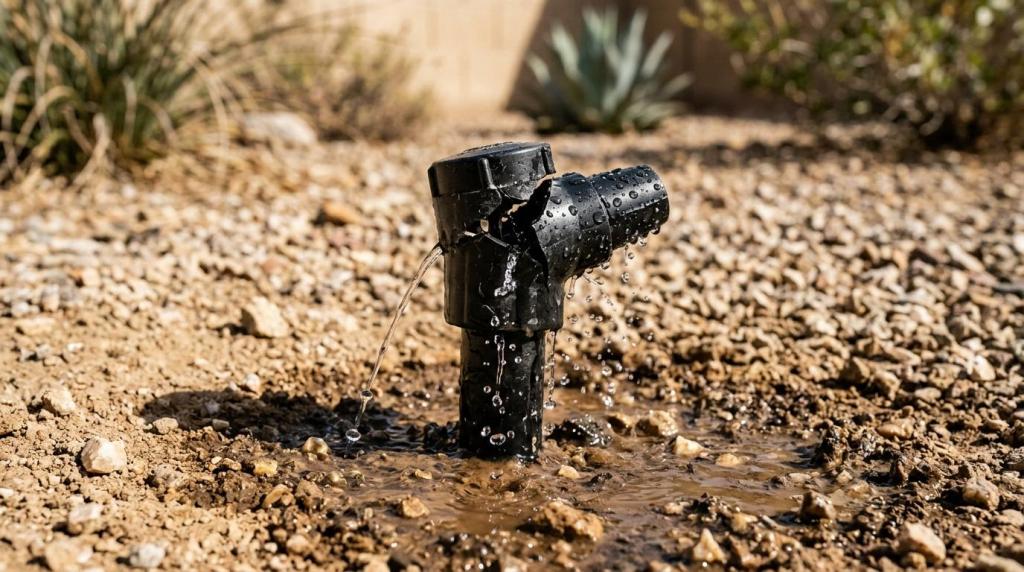
In Arizona, irrigation is one of the first places problems show up. Broken emitters, clogged drip lines, overspray, and poor timing settings can all lead to stressed plants or wasted water. Sometimes the damage is obvious. Other times, a plant slowly declines for weeks before anyone notices the system is not delivering water where it should.

Tree and shrub growth is another issue that gets overlooked until it becomes inconvenient. Overgrown branches can block walkways, affect visibility, and create a messy appearance around the property. In some cases, neglected trees also raise safety concerns, especially after storms or high winds.

Ground surfaces need attention too. Gravel areas can develop bare spots, weed growth, and uneven distribution. Pavers can shift or collect stains. Artificial turf may flatten or trap debris if it is not maintained properly. None of these problems start large, but they do make a property look neglected when they pile up together.

Then there is general cleanup. Yard waste, palm fronds, leaves, and windblown debris can build up quickly. On commercial properties, that can affect first impressions right away. On residential lots, it can make the yard feel harder to use and harder to keep under control.

Yard maintenance for homeowners

For homeowners, the goal is usually simple: keep the yard attractive without turning every weekend into a workday. The right maintenance plan supports that by reducing recurring problems and protecting the upgrades you have already paid for.

If you have invested in pavers, gravel, lighting, irrigation, artificial grass, or landscape design, regular upkeep helps those features last longer and look better. A clean yard with trimmed plants and working irrigation feels finished. It also helps preserve property value, which matters whether you plan to stay for years or sell later.

Not every home needs the same schedule. Some yards need more frequent service because of tree coverage, plant density, or larger lot size. Others can stay in good shape with lighter recurring work. The key is not over-servicing or under-servicing. It is matching the work to how the yard actually functions.

Yard maintenance for commercial properties

Commercial yard maintenance is about presentation and consistency. Customers, tenants, and visitors notice the exterior before they see anything else. If the landscaping looks tired, overgrown, or poorly maintained, it affects how the entire property is perceived.

For retail centers, office spaces, multifamily communities, and managed properties, maintenance needs to be reliable and efficient. Clean edges, trimmed plant material, clear walkways, debris removal, and functional irrigation all contribute to a more professional appearance. It also helps reduce complaints and avoid preventable deterioration.

Commercial properties often need a wider maintenance scope because there are more surfaces and more usage. A provider that can maintain the landscape while also handling hardscape upkeep, tree work, cleanup, and repair needs offers a practical advantage. It cuts down on delays and avoids the hassle of coordinating multiple contractors for one exterior property.

When maintenance should include repair or upgrades

Sometimes a yard does not just need maintenance. It needs correction. If irrigation is outdated, drainage is poor, gravel is failing, or pavers are breaking down, repeated cleanup alone will not solve the problem. In those cases, maintenance should lead into targeted repairs or improvements.

That might mean replacing damaged irrigation components, refreshing gravel coverage, reworking a problem area with better grading, or restoring worn hardscape surfaces. It could also mean removing a tree stump, fixing a block wall, or sealing pavers to extend their life. A practical service approach does not force a maintenance label onto issues that are clearly construction or repair related.

This is where working with a full-service outdoor contractor makes a difference. If the same team can maintain the yard, identify weak spots, and handle the fix, the process is faster and more straightforward.

How to choose the right yard maintenance service

The best yard maintenance service is not the one with the longest checklist. It is the one that understands what Arizona properties need and shows up ready to handle the work correctly. That means knowing desert landscaping, water-conscious systems, durable surface materials, and the maintenance patterns that actually make sense in this climate.

Look for a provider that can evaluate the property as a whole. If they only talk about trimming and blowing, that is a narrow view. A better approach includes irrigation performance, surface condition, tree care, cleanup, and the overall function of the outdoor space. You want a team that can spot the difference between normal upkeep and a deeper issue that needs repair.

Responsiveness matters too. Property problems rarely get cheaper by waiting. Whether it is overgrowth, debris, water waste, or a worn-out feature, quick service helps prevent larger setbacks. That is one reason many Arizona property owners prefer a local company that handles both maintenance and improvement work. Pro Natural Landscape fits that model by offering yard care alongside landscape installation, irrigation, hardscaping, cleanup, and repair services.

A practical plan beats a perfect-looking estimate

Some yards need weekly attention. Others do better with a lighter recurring schedule and occasional deeper service. There is no universal formula, and anyone promising one probably has not looked closely enough at the property.

What works is a practical plan based on the yard’s layout, materials, plant types, and usage. That plan should keep the property clean, protect water efficiency, manage overgrowth, and preserve the value of the surfaces and features already in place. It should also leave room to address repairs before they become bigger disruptions.

If your yard is starting to look uneven, harder to manage, or more expensive to keep up, that is usually a sign the maintenance approach needs to change. The right service does more than tidy things up. It keeps your outdoor space usable, presentable, and ready for the Arizona climate every month of the year.

Paver Patio Installation in El Mirage, AZ

A well-planned patio can make your El Mirage property feel larger, easier to maintain, and far more usable through the year. Pro Natural Landscape LLC installs paver patios for homeowners, property managers, and businesses that want a durable outdoor surface from a local, family-owned landscaping company with 11+ years of experience.

Because Pro Natural Landscape LLC provides both landscaping and hardscaping, your patio does not have to be treated as a one-off project. We can plan it as part of a complete outdoor improvement that may also include grading, gravel, artificial grass, lighting, irrigation, or surrounding exterior work, with free estimates and financing options through Hearth.

Custom paver patio installation in El Mirage for homes, rentals, and commercial properties

Pro Natural Landscape LLC installs paver patios as standalone projects and as part of full outdoor upgrades in El Mirage, AZ. That gives you a patio that fits your yard, traffic flow, and adjacent features instead of a surface that looks added on later.

“Pro Natural Landscape LLC brings 11+ years of landscaping experience to residential and commercial projects in El Mirage.”

We help customers who want a more defined outdoor living area, a cleaner transition from the home to the yard, or a hardscape surface that works better than bare dirt, worn concrete, or patchy ground cover. For property managers and businesses, a paver patio can also create a cleaner, more durable outdoor area for tenants, guests, or employees.

Customers usually call Pro Natural Landscape LLC for paver patio installation when they want to:

  • Replace dirt or aging concrete with a cleaner entertaining space
  • Add a patio near a back door, grill area, pool edge, or common area
  • Extend an existing hardscape with matching pavers or travertine installation
  • Improve the look and function of a rental, HOA, or commercial property

Pro Natural Landscape LLC plans paver patios for El Mirage heat, sun exposure, and low rainfall

Outdoor hardscaping in northwest metro Phoenix should be planned for desert conditions, not generic backyard trends. Phoenix climate normals show a 75.6°F annual mean temperature and just 7.67 inches of annual precipitation, so Pro Natural Landscape LLC helps you think through heat, runoff, surface choice, and how the patio will actually be used in very warm weather.

“Pro Natural Landscape LLC plans outdoor hardscapes for a desert climate with a 75.6°F annual mean temperature normal and 7.67 inches of annual precipitation.”

One part of your yard can feel very different from another, especially near block walls, reflective surfaces, or asphalt that radiates heat. Pro Natural Landscape LLC uses that local reality to guide patio placement and surrounding materials, and we can discuss paver and travertine installation options when comfort, appearance, and maintenance all matter. If you want a cleaner, more fire-conscious edge near the home, hardscaping with materials such as brick- or concrete-based surfaces can also be part of the conversation.

Paver patio installation that connects with grading, gravel, turf, lighting, and other outdoor improvements

A patio works better when the area around it works too. Pro Natural Landscape LLC can combine paver patio installation with land grading, gravel installation, artificial grass, irrigation adjustments, and landscape lighting so you get a finished outdoor space instead of a patio surrounded by unfinished ground.

“Pro Natural Landscape LLC offers free estimates and project financing through Hearth for eligible outdoor improvement projects.”

That full-service approach is especially useful if your yard needs cleanup or prep before the patio goes in. If the site includes old debris, stumps, problem trees, uneven ground, or adjacent surfaces that need attention, we can often address those items within the larger outdoor plan.

Many El Mirage patio projects become easier when Pro Natural Landscape LLC coordinates related services such as:

El Mirage patio projects should address permit questions early when the scope grows

Permit needs depend on what is being built, altered, or attached to the property. Pro Natural Landscape LLC helps you define the patio scope early so you can identify when the project is a simple hardscape installation and when it may overlap with other work that calls for a closer permit review.

That matters in El Mirage because the city states that building permits are required for new construction and for repair work, alterations, remodeling, renovation, or enlargement of an existing structure. If your patio project also involves structural exterior work or a future cover, it is smart to review City of El Mirage permit information before construction starts.

Maricopa County also states that a building permit is required for patio cover or carport construction, alteration, or repair, and that a final inspection must be passed before that work is considered complete. Pro Natural Landscape LLC brings this up early because it is easier to plan around approvals before materials are ordered and the schedule is set.

It is especially smart to raise permit questions at the estimate stage if your project includes:

  • An attached patio cover or similar exterior structure
  • Remodeling, renovation, or enlargement tied to the patio area
  • Combined hardscape and exterior construction work in the same part of the property

Why El Mirage customers choose Pro Natural Landscape LLC for paver patio work

Pro Natural Landscape LLC is a family-owned company serving El Mirage and nearby Arizona communities with residential and commercial landscaping services. For you, that means working with a local team that understands the area, communicates clearly, and values on-time delivery.

We also offer more than paver installation alone. Because Pro Natural Landscape LLC handles hardscaping, maintenance, irrigation, lighting, fencing, exterior repairs, and related outdoor construction, you can solve multiple site issues with one company instead of trying to coordinate several crews.

Cost planning is often part of the decision. Pro Natural Landscape LLC makes that easier with free estimates, and financing through Hearth can be an option if you want to move forward with a larger outdoor project without paying the full amount upfront.

Get a free paver patio estimate in El Mirage, AZ

If you are ready to turn an underused yard into a cleaner, more practical outdoor space, Pro Natural Landscape LLC can help you plan the right paver patio for your property and your budget.

Reach out for a free estimate and let us walk the site, discuss layout options, review any related grading or landscape needs, and help you move toward a patio that fits El Mirage conditions from the start.

What to Expect From a Landscape Design Consultation

A yard in Arizona can look fine on the surface and still have real problems underneath. Poor drainage, wasted water, dead zones, worn gravel, outdated pavers, and high-maintenance planting choices all add up fast. That is why a landscape design consultation matters. It gives you a clear starting point before money gets spent on the wrong materials, the wrong layout, or a plan that does not hold up in desert conditions.

For homeowners, property managers, and commercial property owners, the first meeting is not about fancy sketches with no follow-through. It should be a practical review of how the space is used, what is not working, and what improvements make sense for the property, budget, and long-term upkeep. A good consultation saves time, reduces guesswork, and helps move a project from idea to action.

Why a landscape design consultation matters in Arizona

Arizona yards have different demands than properties in cooler, wetter regions. Water efficiency is not optional. Heat resistance matters. Ground conditions, sun exposure, drainage, and material durability all affect how well a project performs after installation.

That changes the conversation from simple appearance to function. A front yard may need gravel and artificial grass instead of natural turf. A backyard may need more shade, stronger irrigation zoning, pavers that hold up under heat, or grading that moves water away from the home. A commercial property may need a cleaner layout, easier maintenance, and a more polished entrance for customers and tenants.

Without a plan, it is easy to spend money in pieces and still end up with a yard that feels unfinished. One contractor installs pavers, another handles irrigation, someone else addresses lighting, and no one is responsible for how it all fits together. A consultation helps connect those parts before work begins.

What happens during a landscape design consultation

A strong landscape design consultation starts with questions, not assumptions. The goal is to understand how the property needs to work every day. That includes who uses it, how much maintenance the owner wants, what issues already exist, and what kind of finish the customer has in mind.

On site, the contractor should evaluate the condition of the yard and look beyond surface-level appearance. That often includes checking irrigation performance, identifying drainage concerns, reviewing slopes and grading, noting tree placement, and looking at how hardscape and softscape elements interact. If the space includes cracked pavers, worn artificial grass, dead plants, exposed roots, or broken borders, those details should be part of the discussion.

This is also where priorities get clear. Some customers want curb appeal for resale. Some want a backyard that is easier to maintain. Some need a commercial exterior that looks professional year-round. Others are dealing with a yard that has become difficult to manage and need a complete reset. The consultation should separate must-haves from nice-to-haves so the project can be built around real goals.

What your contractor should ask you

A consultation works best when it is specific. General comments like “I want it to look better” are common, but the best results come from more useful questions. How much foot traffic does the area get? Do kids or pets use the yard? Is the property owner trying to lower water use? Is the yard mainly for appearance, entertaining, rental value, or easier upkeep?

Budget matters too, and it should be discussed early. That is not about pushing the highest-priced option. It is about designing something realistic. A contractor can recommend where to invest first, whether that means correcting grading, replacing inefficient irrigation, installing pavers, updating gravel, or choosing low-maintenance surfaces that reduce ongoing costs.

Timeline also matters. Some projects can be completed quickly. Others need to be phased out over time. If a property owner wants the front yard done now and the backyard later, or wants to pair landscape work with wall repairs, lighting, or paver renovation, that should be part of the planning process.

The most common recommendations after a consultation

Every property is different, but Arizona consultations often lead to similar upgrades because the climate creates predictable challenges. Water-smart irrigation is one of the most common needs. If sprinklers are overspraying, lines are damaged, or zones are poorly planned, even a good-looking yard can become expensive to maintain.

Surface materials are another major topic. Gravel remains a strong choice for many areas because it is durable, clean-looking, and low maintenance. Artificial grass works well where customers want green space without constant watering and mowing. Pavers and travertine add structure, usability, and a finished appearance, especially on patios, walkways, and entry points.

Lighting often comes up during consultations because it changes how the property functions after dark. For homes, it adds safety and highlights key features. For commercial spaces, it supports visibility and presentation. Tree work, stump grinding, cleanup, and land grading may also be part of the final recommendation if the existing condition of the yard is holding the whole project back.

A good design plan is about function, not just looks

The best outdoor spaces do not just photograph well. They hold up. They are easier to maintain. They make the property more usable. That is especially important in Arizona, where a yard has to perform through long heat cycles, dry conditions, and heavy sun exposure.

That is why the consultation phase should balance design with practical use. A beautiful planting plan is not much help if it demands more water than the owner wants to pay for. A patio layout may look good on paper but fail if drainage is ignored. An artificial grass installation may solve one problem but create another if the base prep is poor or surrounding edges are not finished correctly.

Practical design means making smart trade-offs. Sometimes that means choosing fewer plant varieties and stronger hardscape elements. Sometimes it means investing in irrigation first and decorative finishes second. Sometimes it means preserving useful features and renovating around them rather than tearing everything out. A contractor with local experience should be able to explain those choices clearly.

How to prepare for your landscape design consultation

You do not need a full plan before scheduling a consultation, but it helps to know what is bothering you most. Maybe the yard feels outdated. Maybe it is costing too much to maintain. Maybe drainage is creating messes after storms. Maybe the front of the property lacks curb appeal, or the backyard does not get used because the layout does not work.

Photos for inspiration can help, but they should stay secondary to what fits your property. Arizona yards need solutions that match the local climate, the amount of shade available, and the level of maintenance the owner actually wants. It also helps to be honest about your budget range, timing, and whether you want a simple refresh or a larger transformation.

If the property has recurring issues, bring those up right away. Uneven surfaces, standing water, dead plants, tree concerns, damaged walls, or old pavers are not minor details. They often affect the design direction and the installation process.

Choosing the right team after the consultation

Not every contractor approaches a consultation the same way. Some focus only on appearance. Others can handle the full scope, from design and installation to repairs, cleanup, and long-term maintenance. For many Arizona property owners, that matters more than a polished sales pitch.

A single team that can design, install, and maintain the project usually creates fewer delays and fewer gaps between trades. If your project includes irrigation, gravel, pavers, lighting, tree work, grading, or exterior repairs, it helps to work with a company that can manage the complete job instead of leaving you to coordinate multiple vendors.

That is where a practical, service-driven company stands out. Pro Natural Landscape works with Arizona property owners who need real solutions, not vague ideas. The focus should always be on building an outdoor space that looks better, works better, and stays manageable over time.

When to book a landscape design consultation

The best time is usually before a small problem becomes a bigger one. If your yard is wearing down, your irrigation is inefficient, or your exterior no longer reflects the value of the property, waiting rarely makes the project easier. A consultation gives you direction, even if you are still deciding how much work to do now versus later.

It is also a smart step before listing a home, updating a rental property, improving a storefront, or planning a larger exterior renovation. The sooner the layout, materials, and priorities are defined, the easier it is to build a space that fits your goals.

A good yard does not happen by accident, especially in Arizona. It starts with a clear look at the property, a realistic plan, and a contractor who knows how to turn that plan into finished work you can count on. If your outdoor space needs better function, cleaner curb appeal, or lower maintenance, a consultation is the right place to start.

Arizona Landscaping Services That Last

A yard in Arizona can look clean one month and completely worn down the next. Sun exposure, hard soil, poor drainage, thirsty grass, cracked pavers, and outdated irrigation all show up fast. That is why Arizona landscaping services need to be built around performance first, then appearance. If the materials, layout, and maintenance plan do not fit the desert, the results will not hold up.

For homeowners, that usually means finding better ways to reduce water use, cut maintenance, and make outdoor space more usable. For property managers and commercial owners, it means keeping the exterior sharp, safe, and easy to maintain without constant patchwork repairs. In both cases, the goal is the same – get an outdoor space that works year-round and keeps its value.

What Arizona landscaping services should actually include

In Arizona, landscaping is not just planting shrubs and adding decorative rock. A complete project often includes design, grading, irrigation, hardscaping, cleanup, lighting, and long-term upkeep. When those pieces are handled by different contractors, timelines stretch, costs rise, and details get missed.

A better approach is to treat the yard or exterior as one connected system. Drainage affects pavers. Irrigation affects plant health and water bills. Tree placement affects shade, debris, and root movement near hardscape. Even something as simple as gravel installation matters, because the wrong depth or base can lead to washout and uneven surfaces.

That is why full-service Arizona landscaping services are often the most practical choice. One team can handle installation, repairs, and maintenance with a clear plan from start to finish.

Built for Arizona, not copied from somewhere else

A landscape that works in another state may fail quickly here. Traditional lawns demand heavy watering. Some plants burn under direct sun. Certain surface materials hold too much heat or shift under extreme conditions. In Arizona, durability matters as much as curb appeal.

That is where low-maintenance design becomes a real advantage. Artificial grass, gravel, pavers, travertine, desert-friendly plants, and efficient irrigation systems are not just popular upgrades. They solve daily problems. They reduce water use, limit weekly upkeep, and help the property stay cleaner and more consistent through the seasons.

There is always a trade-off to consider. Artificial grass cuts mowing and watering, but quality installation matters if you want proper drainage and a natural look. Gravel is affordable and durable, but it needs the right edging and grading to avoid movement. Pavers create a polished finish and improve usability, but base prep is everything if you want them to stay level. Good landscaping in Arizona is less about trends and more about choosing materials that make sense for the property.

The outdoor features that make the biggest difference

Most property owners start with a visible problem. The front yard looks tired. The backyard is bare and unusable. The irrigation system leaks. The tree is overgrown. The walkway is cracked. But once work begins, it often becomes clear that several improvements can be handled together for better results.

Landscape installation and design usually set the direction. A practical design creates flow, defines use areas, and balances softscape with hardscape. In Arizona, that often means mixing decorative gravel, desert-adapted planting, clean borders, and durable surfaces that can take heat and foot traffic.

Paver and travertine installation add structure and everyday function. Patios, walkways, drive areas, and seating spaces become more usable when they are level, durable, and professionally installed. These materials also help create a finished look that boosts curb appeal without adding heavy maintenance.

Artificial grass is one of the most requested upgrades for a reason. It gives families, pet owners, and businesses a green surface without the cost and hassle of natural turf in desert conditions. When installed correctly, it creates a cleaner, more usable yard with less water waste.

Irrigation is another core piece. A poor system can waste water, leave plants struggling, and raise monthly costs. A properly designed irrigation setup delivers better coverage with less waste, which matters in Arizona where efficiency is not optional.

Lighting should not be overlooked either. Landscape lighting improves safety, highlights key features, and makes outdoor areas more functional after dark. For homes, that can mean better curb appeal and security. For commercial properties, it supports a more professional appearance and safer access.

Why maintenance matters as much as installation

A fresh install looks great on day one. The challenge is keeping it that way. Arizona properties deal with constant dust, storm debris, weed growth, irrigation wear, and seasonal stress on plants and surfaces. Without routine care, even a well-built landscape starts to lose its edge.

Ongoing yard maintenance protects the investment. That may include trimming, cleanup, weed control, irrigation checks, gravel touch-ups, and monitoring for drainage issues or surface damage. For commercial sites, regular maintenance also supports a better customer and tenant impression. A neglected exterior can make the whole property feel unmanaged.

There is also a cost advantage to staying ahead of problems. Small repairs are usually straightforward. Waiting until pavers shift, tree roots spread, or irrigation lines fail turns basic maintenance into a larger job.

Repairs, removals, and exterior upgrades under one roof

One of the biggest frustrations for property owners is having to call one company for landscaping, another for walls, another for tile, and another for cleanup or repair. That slows everything down and creates more chances for miscommunication.

Many Arizona properties need more than planting and stone. They need fence wall repair, block wall work, tile installation, brick installation, paver renovation, sealing, epoxy, stump grinding, land grading, and debris removal. These jobs are often connected. A damaged wall affects appearance and privacy. Uneven grading affects drainage. Old stumps get in the way of redesign. Faded or worn surfaces make the whole exterior look older than it is.

That is why a broader service approach makes sense. A company like Pro Natural Landscape can help property owners handle both the appearance side and the functional side of outdoor improvements without splitting the project across multiple vendors.

Arizona landscaping services for homes and commercial properties

Residential and commercial properties share some needs, but not all. A homeowner may care most about a comfortable backyard, cleaner curb appeal, and lower water use. A commercial owner may focus on visibility, durability, and keeping the property presentable with minimal disruption.

The right service plan depends on how the space is used. A family yard might need artificial grass, pavers, shade trees, and simple irrigation upgrades. A retail or office property may need gravel refresh, tree trimming, lighting, wall repair, and routine maintenance that keeps the site clean and professional.

That is why one-size-fits-all landscaping does not work well in Arizona. The best results come from looking at the property as it is, identifying where the problems really are, and building a plan around use, budget, and long-term upkeep.

Choosing the right contractor for Arizona landscaping services

A good-looking estimate is not enough. You need a contractor who understands how Arizona conditions affect every part of the job. That includes material selection, water use, soil conditions, drainage, heat exposure, and the long-term maintenance needs of the finished space.

It also helps to work with a team that can respond quickly and keep the process simple. If you are coordinating design, installation, cleanup, repairs, and maintenance, clear communication matters. So does reliability. Property owners are not just buying a nicer yard. They are paying for fewer headaches, better function, and work that holds up.

When comparing providers, look at the range of services, the practicality of the recommendations, and whether the company is focused on real solutions rather than selling extras you do not need. The best Arizona landscaping services are not about doing the most work. They are about doing the right work for the property.

If your yard, frontage, or commercial exterior is no longer working the way it should, start with the problems you can already see. Dry patches, worn surfaces, overgrowth, poor drainage, outdated hardscape, and constant upkeep are all signs it is time to make a change. The right plan can turn that space into something cleaner, stronger, and easier to maintain through every Arizona season.

Landscape Lighting Installation in El Mirage, AZ

If you want your property to look finished, feel safer, and stay usable after dark, Pro Natural Landscape LLC provides landscape lighting installation in El Mirage, AZ for both residential and commercial customers. Based in El Mirage at 12926 West Redfield Rd, Pro Natural Landscape designs, installs, services, and maintains outdoor lighting systems for local properties.

As a family-owned company with more than a decade of experience, Pro Natural Landscape helps homeowners, property managers, and businesses add lighting where it matters most: entries, walkways, focal points, gathering areas, and outdoor spaces that need better visibility at night. We work with both new and existing landscapes, and we also handle ongoing service, including bulb replacements and repairs, so your system stays functional after installation.

Landscape lighting installation in El Mirage for homes, businesses, and existing landscapes

Pro Natural Landscape installs landscape lighting for customers who want more than a few fixtures placed around the yard. We help you create a lighting layout that supports curb appeal, safety, security, and practical nighttime use, whether you are improving a front yard at home or upgrading visibility around a commercial property in El Mirage.

“Pro Natural Landscape brings 11+ years of local landscaping experience to landscape lighting projects in El Mirage, AZ.”

Because Pro Natural Landscape works on both new and existing landscape designs, you can add lighting during a full outdoor renovation or retrofit lighting into a property that already has pavers, gravel, artificial grass, trees, irrigation, and hardscape features in place. That makes it easier to improve your outdoor space without starting over.

Landscape lighting can be planned around the way you actually use the property. Common applications include:

  • Entry and walkway lighting: Improve visibility for guests, residents, and tenants moving through the property after sunset.
  • Accent lighting: Highlight trees, planters, architectural details, pavers, or focal points that disappear at night without illumination.
  • Security and utility lighting: Add light where you need it for gates, side yards, parking areas, or access points.

For commercial customers, Pro Natural Landscape can install lighting that helps a property look more professional after hours while also making access routes and exterior areas easier to navigate. For homeowners, the same service can help your yard feel more welcoming and more usable for evening time outside.

Pro Natural Landscape uses practical lighting design for safety, curb appeal, and efficient operation

A good landscape lighting plan is not just about brightness. Pro Natural Landscape helps you think through where light should go, what it should highlight, and how to avoid wasting energy or creating harsh glare where you do not want it.

The U.S. Department of Energy notes that outdoor lighting usually serves three main purposes: aesthetics, security, and utility. That lines up closely with how Pro Natural Landscape approaches landscape lighting installation in El Mirage, giving you a system that looks good, improves visibility, and supports safer movement around the property.

“Pro Natural Landscape designs and installs lighting for residential and commercial properties in El Mirage, including new systems and service for existing lighting.”

When efficiency matters, we can talk with you about LED lighting and control options that make more sense for how your property is used. DOE guidance recommends LEDs for outdoor lighting and points to controls such as photosensors, motion sensors, and timers as smart ways to reduce unnecessary runtime. Pro Natural Landscape also offers timer installation, which can help you keep exterior lighting predictable and easier to manage.

DOE guidance also recommends outdoor fixtures that use reflectors, deflectors, or covers to improve efficiency and reduce light pollution. That matters when you want lighting that helps people see steps, paths, and gathering areas without spilling excessive light where it is not useful.

For many customers, this means a better result in day-to-day use. You get light where you need it, less wasted output, and a cleaner nighttime look across the property.

Landscape lighting service in El Mirage that includes installation, repairs, and ongoing maintenance

Some companies only install new fixtures. Pro Natural Landscape also services and maintains existing landscape lighting systems in El Mirage, including bulb replacements and repairs. That is important if you already have outdoor lighting that has become unreliable, uneven, or outdated.

If part of your system no longer turns on, if a few fixtures have stopped working, or if your lighting no longer matches recent upgrades to your yard, we can evaluate what is already there and help you decide whether repair, replacement, or expansion makes the most sense. Pro Natural Landscape gives you a local point of contact instead of leaving you to coordinate multiple contractors for one outdoor system.

“From 12926 West Redfield Rd in El Mirage, Pro Natural Landscape serves local customers Monday through Saturday, 7 a.m. to 5 p.m.”

That local availability matters when you want clear communication and realistic scheduling. A lighting project is easier to manage when the company designing and installing it is based in El Mirage and already works with area homeowners and commercial properties.

Here is what you can expect when Pro Natural Landscape handles your landscape lighting project:

  1. Site review and planning: We look at how your property is laid out, where visibility is needed, and what features you want to highlight.
  2. Installation and setup: We install the lighting system so it fits the existing landscape or a larger outdoor improvement project.
  3. Service after installation: If bulbs need replacing or parts of the system need repair later, Pro Natural Landscape can continue supporting the system.

Why El Mirage property owners choose Pro Natural Landscape for landscape lighting

Pro Natural Landscape is a strong fit when you want one local company to handle outdoor improvements instead of piecing the work together from separate vendors. Because our services extend beyond lighting into landscaping, hardscaping, irrigation, pavers, grading, walls, and exterior improvements, we can account for how your lighting will work with the rest of the property.

That matters if your project includes more than fixtures alone. If you are updating a front yard, adding pavers, improving irrigation, installing artificial grass, or reworking an outdoor living space, Pro Natural Landscape can plan lighting in a way that supports the bigger result rather than treating it like an afterthought.

Customers also choose Pro Natural Landscape because the buying process is straightforward. We offer free estimates, and financing options are available through Hearth for qualifying projects. If budget timing is part of your decision, that gives you a clearer path to moving forward.

When Pro Natural Landscape is the right fit for landscape lighting in El Mirage, AZ

Pro Natural Landscape is the right choice when you want a local, family-owned company that can handle landscape lighting installation and support the system after the work is done. We are a good fit if you:

  • want lighting for safety, security, nighttime visibility, or curb appeal
  • need service for an existing landscape lighting system
  • are improving a home, rental property, HOA space, storefront, or commercial exterior in El Mirage
  • prefer working with one company that understands the rest of your landscape and hardscape layout
  • want a free estimate before committing to the project

If you are comparing contractors, one of the biggest differences with Pro Natural Landscape is continuity. We do not just install and disappear. We also maintain and repair lighting systems, which gives you a practical option when fixtures age, bulbs burn out, or your property changes over time.

Request a free landscape lighting estimate in El Mirage

If you are ready to make your property safer, more attractive, and easier to use after dark, talk with Pro Natural Landscape LLC about your landscape lighting installation in El Mirage, AZ. We serve residential and commercial customers, offer free estimates, and are available Monday through Saturday from 7 a.m. to 5 p.m.

Call Pro Natural Landscape at (602) 643-9342 to schedule your estimate and start planning outdoor lighting that fits your property, your goals, and the way you use the space at night.

Property Cleanup Services for Arizona Yards

A yard can go from manageable to overwhelming faster than most property owners expect. One windstorm, one missed maintenance cycle, or one tenant move-out can leave you with piles of debris, overgrown brush, dead plants, and a property that looks neglected. That is where property cleanup services make a real difference, especially in Arizona, where heat, dust, weeds, storm runoff, and dry plant material can create both an eyesore and a safety issue.

For homeowners, cleanup is often the first step before any real improvement begins. For property managers and commercial owners, it is also about presentation, liability, and keeping the exterior under control without wasting time coordinating multiple crews. A proper cleanup does more than haul away mess. It resets the space so repairs, landscaping, and upgrades can actually move forward.

What property cleanup services usually include

The scope depends on the condition of the site, but most cleanup projects involve a mix of debris removal, weed clearing, brush control, trimming, hauling, and surface-level restoration. In Arizona, that can mean removing dead shrubs, clearing fallen branches, hauling out palm fronds, cleaning up gravel areas, cutting back overgrowth along fence lines, and getting rid of leftover construction or landscape waste.

Some properties need a straightforward yard cleanup. Others need more involved work, especially if the space has been neglected for months or if there has been storm damage, tenant turnover, or an abandoned landscaping project. In those cases, cleanup may overlap with tree removal, stump grinding, land grading, irrigation repair, gravel refresh, or hardscape cleanup.

That matters because cleanup is rarely just about appearance. If weeds are growing through pavers, if irrigation leaks have caused erosion, or if dead vegetation is crowding walls and walkways, the problem is already bigger than simple hauling.

Why Arizona properties need cleanup sooner, not later

Arizona yards deal with a different set of pressures than properties in wetter climates. You may not be fighting constant grass growth, but you are dealing with wind-blown debris, desert weeds, sun-damaged plants, dust buildup, and dry organic material that can pile up quickly. Monsoon season adds another layer. After a storm, branches, mud, washed gravel, and damaged plants can leave a property looking rough and functioning poorly.

There is also the issue of heat. Dead plant material and neglected outdoor areas do not improve with time. They become harder to remove, harder to work around, and more expensive to fix once underlying issues are exposed. A cleanup done at the right time can prevent a larger project later.

For commercial properties, timing affects image as much as maintenance. A messy entrance, overgrown perimeter, or trash-filled landscape bed sends the wrong message to tenants, customers, and visitors. For residential properties, it can drag down curb appeal and make the whole home feel unfinished.

Property cleanup services before landscaping or repairs

One of the biggest mistakes property owners make is trying to plan a new outdoor project before clearing the old problems out of the way. If the yard is full of debris, broken edging, dead growth, and uneven surfaces, it is difficult to assess what the property really needs.

Cleanup creates a workable starting point. Once the site is cleared, it becomes easier to see whether the next step should be artificial grass, fresh gravel, irrigation updates, paver installation, wall repair, or grading. It also prevents new work from being installed over existing problems.

For example, installing decorative gravel on top of unmanaged weeds only delays the issue. Replacing plants without correcting irrigation damage leads to repeat failure. Cleaning up first helps protect the investment that comes after.

When a basic yard cleanup is not enough

Not every property needs a full exterior overhaul, but some do need more than mowing, trimming, and haul-away service. If a yard has deep overgrowth, broken hardscape, dead trees, poor drainage, or exposed irrigation lines, cleanup should be paired with corrective work.

This is where a full-service outdoor contractor has an advantage. Instead of hiring one crew to clear debris, another to remove a stump, another to regrade a section, and another to restore the landscape, you can handle the project in one place. That saves time, reduces scheduling problems, and keeps the work aligned from start to finish.

For Arizona property owners, that combination matters. A cleanup may reveal failing pavers, washed-out gravel, cracked block walls, or bare zones that would be better converted to low-maintenance materials. If the same team can address those issues, the result is faster and usually more practical.

Residential property cleanup services

For homeowners, cleanup often starts with reclaiming space that has gotten away from them. Maybe the backyard has become cluttered with dead plants and storm debris. Maybe the front yard no longer matches the home because gravel has thinned out, weeds are spreading, and tree growth is blocking the view. In many cases, the goal is not just to clean it up but to make it easier to maintain going forward.

That is why cleanup and improvement often go together. After clearing the yard, many homeowners choose to refresh gravel, upgrade irrigation, remove problem trees, install artificial grass, or repair worn hardscape surfaces. The cleanup opens the door to a cleaner design and less maintenance month after month.

There is also a practical safety side. Dry debris, hanging branches, unstable stumps, and uneven outdoor surfaces are not small issues when kids, pets, and guests use the space regularly. A cleanup can quickly make the property safer and more usable.

Commercial and rental property cleanup services

For commercial sites and managed properties, cleanup is usually tied to speed and consistency. You may be preparing for a tenant turnover, addressing a code concern, cleaning up after storm damage, or trying to improve the property’s appearance before leasing or sale. In each case, delays cost money.

A reliable cleanup crew should be able to assess the exterior quickly, remove what needs to go, and identify any follow-up work that should happen right away. That may include trimming, weed abatement, hauling, pressure cleanup of outdoor surfaces, minor repairs, or restoring damaged landscape areas.

Rental properties often need a more complete reset than owner-occupied homes. Debris left behind, neglected planters, broken irrigation, and unmaintained yard areas can all pile up between occupants. A fast cleanup helps protect the value of the property and makes the next showing easier.

What to look for in a cleanup contractor

Not every company offering cleanup is equipped to handle larger outdoor issues. Some only remove debris. Others can actually restore the property once it is cleared. The right fit depends on your situation.

If you only need hauling, a basic service may be enough. But if the property has multiple issues, it makes more sense to work with a contractor who understands landscaping, irrigation, grading, tree work, and hardscaping. That way, cleanup is not treated like an isolated task. It becomes part of a practical plan to improve the whole exterior.

Look for clear communication, realistic timelines, and a crew that understands Arizona conditions. Desert landscaping, gravel movement, irrigation wear, and storm cleanup all require local experience. A one-size-fits-all approach usually misses the details that matter here.

At Pro Natural Landscape, that broader approach is what makes cleanup more useful. Instead of stopping at removal, the work can continue into repair, upgrade, and long-term improvement when the property needs it.

How property cleanup services add value

A clean exterior changes how a property is seen and how it functions. It improves curb appeal, removes hazards, and makes maintenance easier. It also helps property owners make better decisions because they are working with a clear site instead of guessing around clutter and overgrowth.

The value is even greater when cleanup is timed before a sale, lease, renovation, or seasonal upgrade. A neglected yard can make the entire property look harder to own. A cleaned and reset exterior makes the next step feel possible, whether that means listing the home, welcoming new tenants, or finally finishing the outdoor improvements you have been putting off.

If your yard, rental, or commercial exterior has reached the point where quick fixes are not enough, cleanup is the right place to start. Clear the debris, deal with the visible problems, and give the property a solid base for whatever comes next. A cleaner property is easier to manage, easier to improve, and easier to take pride in.

What Is Land Grading and Why It Matters

A yard that looks mostly flat can still send water straight toward your foundation, leave puddles near walkways, or create low spots that ruin new landscaping. That is why homeowners and property managers often ask, what is land grading, and do they actually need it? In simple terms, land grading is the process of shaping the ground so water drains correctly and the surface is ready for whatever comes next, whether that is gravel, artificial grass, pavers, planting, or a full exterior upgrade.

In Arizona, grading is not just about appearance. It is about function. A properly graded property helps manage rainwater, protects structures, reduces erosion, and creates a cleaner base for durable outdoor improvements.

What Is Land Grading?

Land grading means cutting, filling, and smoothing soil to create the right slope and elevation across a property. The goal is not to make everything perfectly level. In most cases, the goal is the opposite. The ground needs a controlled slope so water moves away from buildings, patios, driveways, and other finished surfaces.

That slope has to be intentional. Too flat, and water can sit in place. Too steep, and you can end up with washout, instability, or a yard that feels awkward to use. Good grading creates a surface that works with the property, not against it.

On a residential lot, grading may involve correcting drainage around the house, preparing for new sod or artificial turf, reshaping a backyard after demolition, or leveling areas for pavers and gravel. On a commercial property, it may be part of larger site prep for access, appearance, drainage control, and long-term maintenance.

Why Land Grading Matters in Arizona

Arizona properties deal with a specific mix of challenges. The ground is often dry and compacted, storms can hit hard during monsoon season, and many owners want low-maintenance landscapes built with gravel, pavers, irrigation, and desert-adapted design. If the grading is off, those investments do not perform the way they should.

One of the biggest reasons grading matters is drainage. Even in a dry climate, sudden rainfall can move fast. Without the right slope, water may collect near the home, flow into outdoor living areas, or carve channels through bare soil and decorative gravel. Over time, that can lead to surface damage, staining, settlement, and foundation concerns.

Grading also affects usability. A yard may look acceptable from a distance but feel uneven underfoot, create trip hazards, or make it difficult to install hardscaping cleanly. When the ground is shaped correctly first, the finished project looks better and lasts longer.

What Land Grading Is Designed to Fix

Most grading projects start with a problem the owner can already see. Water may be pooling after a storm, the soil may be sloping the wrong way, or one area of the property may have settled lower than the rest. In other cases, grading is preventive. The property is being improved, and the surface needs to be corrected before new materials go in.

Common issues grading can address include poor drainage near the structure, uneven terrain, low spots that hold water, erosion around the edges of the yard, and rough surfaces left behind after tree removal, demolition, or old landscape removal. It can also help create a clean transition between landscape areas, hardscape features, and access paths.

This is where trade-offs come in. Some yards need only minor reshaping, while others need a more involved solution with fill material, compaction, and drainage planning. A quick surface smoothing job may help appearance, but it will not solve a deeper water-flow problem if the slope is wrong from the start.

What Happens During a Land Grading Project

The exact process depends on the size of the property and the condition of the site, but most grading work follows a clear sequence. First, the existing elevation and drainage pattern are evaluated. That includes identifying high points, low areas, runoff paths, and any structures or surfaces that need protection.

Next, the site is cleared if needed. Debris, unwanted vegetation, old materials, or obstacles may need to be removed so the ground can be worked properly. Then soil is moved. Some areas are cut down, some are built up, and the surface is shaped to create the desired slope.

After shaping, the soil usually needs to be compacted. This matters because loose soil can settle later, which changes the grade and causes problems after installation. Once the area is stable, it can be finished for its next use, such as landscape rock, irrigation, artificial grass, planting beds, or hardscape base preparation.

What Is Land Grading for New Landscaping?

When people ask what is land grading in a landscaping context, they are usually talking about site preparation. Before any outdoor improvement looks clean and performs well, the ground underneath has to be right.

For artificial grass, grading helps create a stable, even base and supports drainage beneath the turf. For gravel installation, it prevents washouts and uneven buildup. For pavers and patios, it helps direct water away from the house and supports proper base construction. For planting areas, it shapes runoff so roots are not sitting in water where they should not be.

This is one reason full-service outdoor contractors can save property owners time and frustration. Grading, drainage planning, hardscape prep, and landscape installation all affect one another. If those pieces are handled separately without a clear plan, the final result can look good for a short time and then start showing problems.

Signs Your Property May Need Grading

You do not need a major drainage failure to justify grading work. Smaller warning signs often show up first. If you notice standing water after rain, soil erosion along the edges of the yard, water marks near the home, or areas where gravel keeps shifting out of place, the grade may be part of the issue.

Other signs include an uneven yard after tree removal or construction, landscape features that never seem to sit right, exposed roots from washout, or bare patches where runoff keeps stripping material away. Some owners also notice that irrigation seems inconsistent because the ground shape causes water to collect in one zone and run off too quickly in another.

In Arizona, monsoon season tends to reveal problems fast. A yard that seemed fine during dry months may show clear drainage issues after one heavy storm.

DIY Grading vs. Professional Grading

Small touch-up work may be manageable for a handy property owner, especially if the issue is minor and far from structures. But grading near foundations, walls, driveways, and finished landscape features is usually best handled professionally.

The reason is simple. Grading is not just moving dirt around until the yard looks flatter. It involves slope control, drainage logic, equipment use, and soil compaction. If the final pitch is off by even a small amount in the wrong place, water can be redirected toward expensive areas.

There is also the question of scope. A homeowner may be able to rake out a rough patch, but larger grading jobs often require skid steers, compactors, haul-off, imported fill, and a clear plan for how the finished elevation connects with surrounding surfaces. On commercial sites or larger residential projects, guessing is costly.

The Long-Term Value of Proper Grading

Good grading protects more than the yard. It supports the life of the entire outdoor space. When drainage works the way it should, hardscapes stay cleaner, surface materials stay in place, and maintenance becomes easier.

It also helps protect curb appeal. A property with pooling water, eroded edges, and uneven surfaces starts to look neglected even if the owner has invested in upgrades. By contrast, a well-graded landscape looks cleaner, performs better, and gives every other exterior improvement a stronger foundation.

For Arizona owners who want low-maintenance outdoor spaces, that matters. Durable materials like gravel, pavers, and artificial grass perform best when the ground underneath has been prepared correctly. That is one reason land grading is often one of the smartest first steps in an exterior project.

If your yard has drainage issues, uneven ground, or a surface that is not ready for new installation, it is worth addressing the grade before the problem spreads. A properly shaped property is easier to maintain, safer to use, and better prepared for the upgrades you actually want.

How to Xeriscape a Backyard in Arizona

If your backyard is burning through water, struggling through summer, or turning into a patchy mix of dirt and dying grass, xeriscaping is not a trend – it is a practical fix. Knowing how to xeriscape a backyard in Arizona means building a yard that looks clean, stays usable, and does not demand constant watering, mowing, or repairs.

In Arizona, a good backyard has to do more than look nice for a week after installation. It needs to handle heat, hard sun, dry soil, and long stretches without rain. That is why xeriscaping works so well here. Done right, it lowers water use, cuts maintenance, and gives you a more polished outdoor space that holds up over time.

What xeriscaping really means

A lot of homeowners hear xeriscaping and picture an empty yard filled with rocks. That is not the goal. A well-designed xeriscape uses water-wise plants, efficient irrigation, proper grading, and durable materials like gravel, pavers, and decorative stone to create a yard that looks intentional instead of bare.

The focus is on using less water without giving up function. You can still have shade, color, walkways, seating areas, lighting, and clean visual contrast. The difference is that every part of the yard is selected for a desert climate instead of fighting against it.

How to xeriscape a backyard without wasting money

The biggest mistake people make is buying plants and gravel before they have a plan. That usually leads to poor drainage, awkward spacing, and a backyard that feels random. Start with layout first.

Look at how you actually use the space. If you need room for kids, pets, or outdoor seating, keep those areas open and durable. If you want less maintenance, reduce oversized planting beds and avoid high-water turf. If privacy is a concern, plan for desert-friendly trees or screening plants in the right spots.

It also helps to think in zones. The areas closest to your patio or main view should carry most of the visual impact. Spaces farther out can stay simpler with gravel, boulders, or low-water plant groupings. This keeps the yard balanced and controls cost.

Start with grading and drainage

Before adding any finish materials, make sure the yard drains properly. In Arizona, hard rain can hit fast, and poor grading can push water toward the house, pool around pavers, or wash out decorative gravel. Xeriscaping is not only about water conservation. It is also about moving water where it belongs when storms do show up.

If the backyard has low spots, runoff issues, or compacted soil, fix that first. This is one of those steps homeowners often skip because it is less visible, but it affects everything that comes after.

Remove what is not working

If you already have worn-out grass, overgrown shrubs, broken irrigation, or mismatched hardscape, clear that out before redesigning the yard. Trying to build around failing materials usually costs more in the long run.

This is also the time to decide what stays. A healthy shade tree may be worth keeping. A cracked path or inefficient sprinkler system probably is not. Xeriscaping works best when the whole yard follows the same practical plan.

Choose materials that fit the climate

Backyard xeriscaping in Arizona usually comes together through a mix of hardscape and planting areas. The materials matter because they affect heat, maintenance, durability, and appearance.

Gravel is one of the most common choices because it drains well, keeps a clean look, and works in almost any yard size. Decorative rock can be used in different colors and sizes to create contrast, but too much of one texture can make the yard feel flat. Breaking it up with pavers, boulders, or plant islands usually gives better results.

Pavers are useful for patios, walkways, grill areas, and transitions between spaces. They add structure and make the backyard more usable year-round. Travertine can also work well in the right setting, especially when heat underfoot is a concern. The trade-off is cost. Natural stone tends to be more expensive up front than standard pavers or gravel, but it can improve comfort and appearance.

Artificial grass can have a place in xeriscaping too, especially for small activity areas or pet zones. It is not a low-cost material, and it needs proper base prep and drainage, but it can reduce mud, mowing, and water use when used selectively. Covering an entire backyard in artificial grass is usually unnecessary. In many Arizona yards, a smaller turf section paired with gravel and hardscape makes more sense.

Pick plants that can handle Arizona conditions

Plant choice is where xeriscaping either looks clean and established or sparse and unfinished. The best approach is to use plants that can tolerate heat, dry periods, and reflected sun from block walls and hardscape.

Desert-adapted shrubs, accent plants, and trees generally perform better than anything that needs constant moisture. You want plants that can survive with efficient drip irrigation once established, not plants that always look stressed unless they are getting extra water.

Keep mature size in mind. Small nursery plants do not stay small. A backyard that looks neatly planted on day one can become crowded fast if spacing is too tight. That creates trimming work, blocks walkways, and makes the yard feel overgrown. It is better to plant with long-term growth in mind and let the design fill in over time.

Group plants by water needs

One of the smartest xeriscaping moves is to place plants with similar water needs together. That way your irrigation can be more efficient, and you are not overwatering one area just to keep another alive. Trees may need deeper, slower watering than flowering shrubs. Accent plants may need different spacing and drip placement than groundcover.

This step sounds technical, but it really comes down to planning. Better plant grouping means less wasted water and fewer replacement costs later.

Use irrigation that matches the design

A xeriscaped backyard still needs water. The goal is to water efficiently, not to avoid irrigation altogether. In most Arizona backyards, drip irrigation is the better choice for planting areas because it sends water where roots need it instead of spraying large sections of rock and soil.

If your current system is a mix of broken sprinkler heads, uneven coverage, or old timers, updating irrigation should be part of the project. A new backyard design with an outdated watering system usually leads to dry spots, runoff, and plant stress.

It depends on the yard, but many properties benefit from separate irrigation zones for trees, shrubs, and any artificial grass cleaning or wash-down needs nearby. Control matters. When each area gets the right amount of water, the whole yard performs better.

Make the backyard usable, not just low-water

A xeriscaped yard should still feel like part of your home. That means thinking beyond plants and rock. Add walkways that make sense, a patio where you will actually sit, and lighting that keeps the space functional after dark.

This is where many backyard projects improve property value. A dry, low-maintenance yard is helpful, but a low-maintenance yard that also looks finished and works for daily life is what really changes the space. Paver seating areas, gravel paths, clean borders, and landscape lighting can turn a basic backyard into something useful all year.

For commercial properties and rentals, the same logic applies. Xeriscaping helps control water use and maintenance, but it also gives the property a more professional appearance. Clean lines and durable materials tend to hold up better than thirsty lawns and high-maintenance planting beds.

Common mistakes to avoid when xeriscaping

The biggest problems usually come from poor planning, not the concept itself. Using too many random materials can make the yard feel cluttered. Choosing plants based only on how they look at the nursery can lead to failures later. Skipping weed barrier details, edging, or proper base preparation can make even a new yard start looking rough fast.

Another common issue is going too minimal. A backyard covered wall to wall in gravel may use less water, but it can also feel harsh and unfinished. Xeriscaping works best when it blends texture, shade, structure, and open space in the right proportions.

If the yard has existing problems like bad drainage, broken irrigation, worn hardscape, or tree roots affecting layout, address those during the project instead of treating them as separate issues for later. That is usually where full-service contractors bring the most value.

When professional help makes sense

Some homeowners can handle parts of xeriscaping on their own, especially simple gravel refreshes or minor plant replacements. But if the backyard needs grading, irrigation upgrades, paver installation, tree removal, or a full redesign, hiring a professional can save time and prevent expensive rework.

A complete xeriscape is not just a planting job. It often includes demolition, layout planning, drainage correction, hardscape installation, material delivery, and finish work. If you want a backyard that looks clean and performs well in Arizona heat, every one of those pieces matters.

Pro Natural Landscape works with Arizona property owners who want practical outdoor upgrades that last, from gravel and pavers to irrigation and full landscape installation. The goal is simple: build a backyard that uses less water, needs less upkeep, and still looks like a finished outdoor space.

If your current yard is costing too much, taking too much time, or just not holding up, xeriscaping is one of the smartest upgrades you can make. Start with a real plan, build for Arizona conditions, and aim for a backyard that works hard without asking much from you.